Is Cedar Tea Safe? True Cedar vs. Thuja, Explained
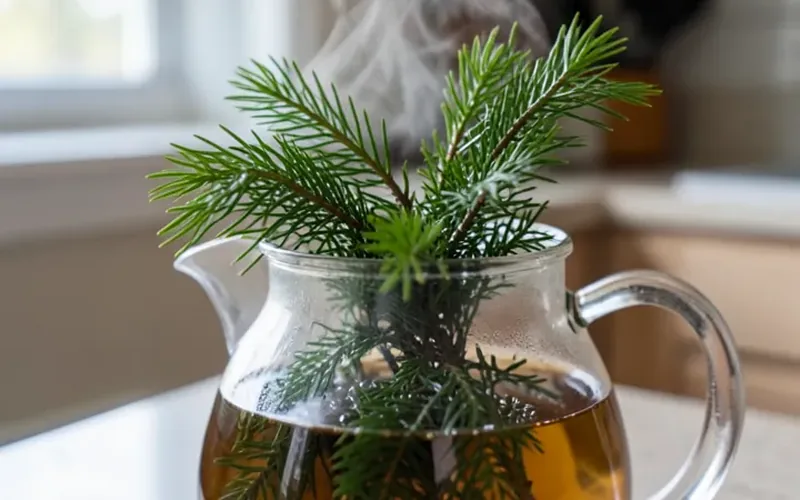
Cedar tea almost always means Thuja occidentalis (eastern white cedar) or Thuja plicata (western red cedar), not true cedar (genus Cedrus), which isn’t brewed as tea at all. Both Thuja species contain thujone, a compound that’s neurotoxic in large or daily doses — unsafe for pregnant women and anyone with seizure risk in particular. This guide covers which tree people actually mean, what a moderate amount looks like, and who should avoid it entirely.
“True Cedar” vs. the Trees People Actually Call “Cedar Tea”
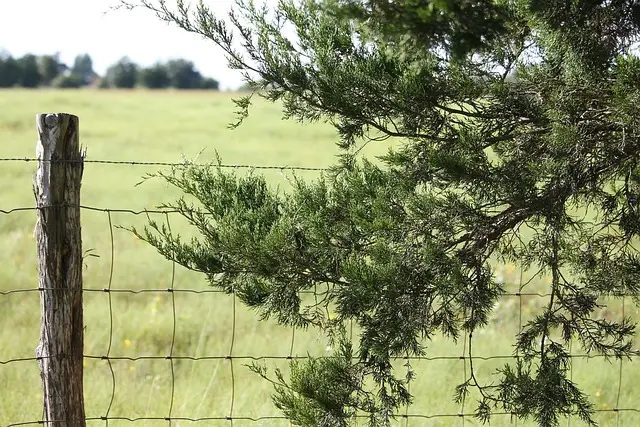
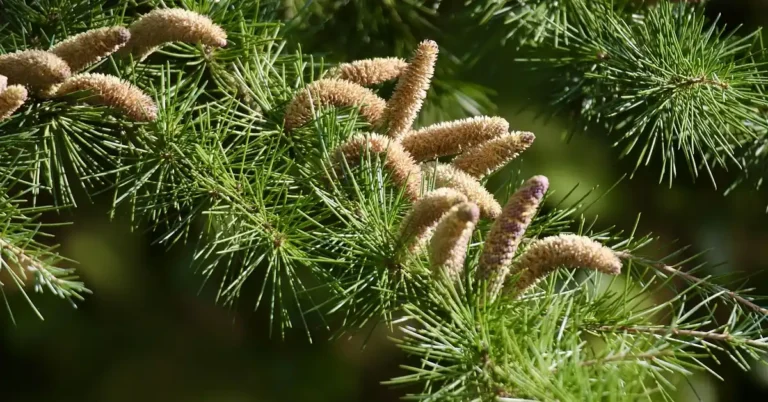
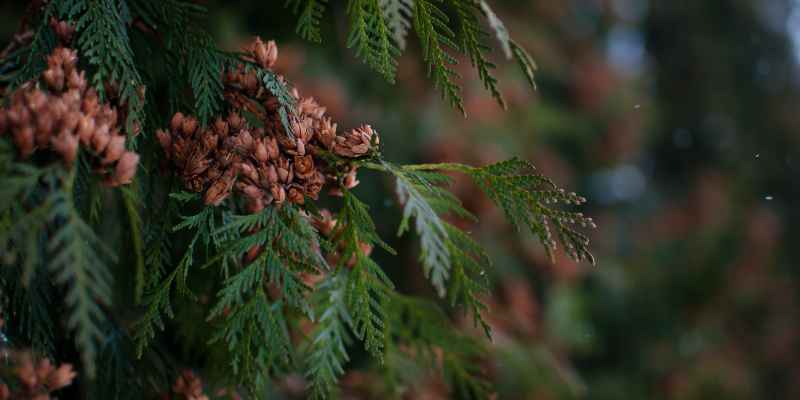
True cedars (genus Cedrus — Lebanon cedar, Atlas cedar, deodar cedar) are Mediterranean and Himalayan trees with no real tradition of being brewed as tea, and no established safety data for internal use. When people search for “cedar tea,” they almost always mean a North American tree that shares the common name “cedar” but belongs to a completely different genus: Thuja (arborvitae, sold as eastern white cedar or western red cedar) or sometimes Juniperus (eastern red cedar, which is actually a juniper). Getting the species right matters because their chemistry — and their safety profile — is not the same.
What Is Thujone, and Why Does It Matter?
Thujone is a naturally occurring compound in Thuja foliage. In small, occasional amounts it hasn’t been linked to harm, but at high doses or with regular long-term use it can affect the nervous system — documented effects include tremors, seizures, and kidney or liver strain.
📊 Long-term or excessive thujone exposure has been linked to convulsions, kidney damage, and (in extreme internal-oil cases) death — the risk scales with dose and frequency, not with a single cup. Source: RxList, Thuja: Uses, Side Effects, Precautions
This is also why cedar essential oil is a different risk category entirely from cedar tea — oil is far more concentrated, and should never be taken internally or used in cooking.
Is Cedar Tea Safe to Drink?
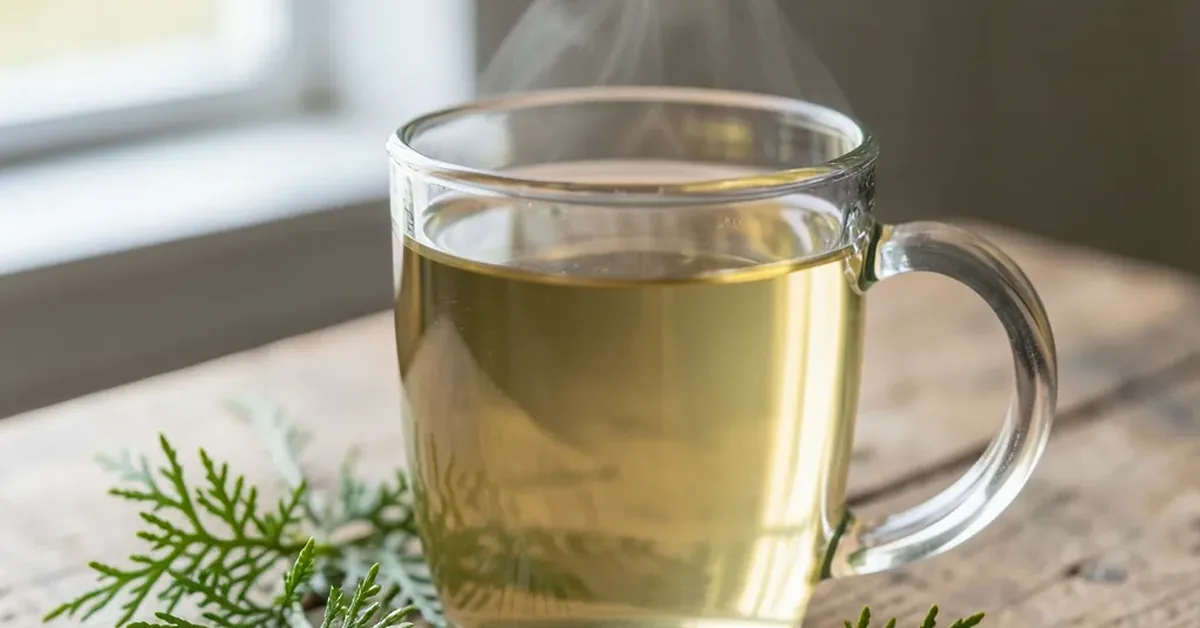
In moderate, occasional amounts — a cup made from a small handful of fresh Thuja tips, steeped briefly, not consumed daily — cedar tea has a long history of traditional use without documented harm. The risk rises with concentration, frequency, and duration: a strong daily habit over weeks is a fundamentally different exposure than one occasional cup.
Nobody on this site is a doctor, and this isn’t medical advice — if you have a health condition, are pregnant, or take regular medication, talk to a healthcare provider before drinking cedar tea at all.
Who Should Never Drink Cedar Tea
- Pregnant or breastfeeding people: Thuja has documented abortifacient effects in traditional use and should be avoided entirely.
- Anyone with a seizure disorder: thujone can lower the seizure threshold.
- People with kidney or liver conditions: thujone is processed by these organs and can add strain.
- Children: body weight makes the effective dose much lower and harder to judge safely.
- Anyone allergic to cedar or juniper pollen: cross-reactivity is possible with ingestion, not just inhalation.
The Real History: Jacques Cartier and the “Tree of Life”
In the winter of 1535–1536, Jacques Cartier’s crew was dying of scurvy on the St. Lawrence River until a Huron man named Domagaia showed them how to brew a tea from the bark and leaves of a tree the Huron called annedda — widely believed to be eastern white cedar (Thuja occidentalis). The tea cured the surviving crew within days. Vitamin C, unknown as a nutrient at the time, was almost certainly the active ingredient. Cartier called the tree the “tree of life,” and it’s the origin of the genus name arborvitae.
“[Domagaia] had taken the juice and sappe of the leaves of a certain Tree, and therewith had healed himselfe.”
That history is real and well documented — but it describes an emergency scurvy cure using tree bark and sap, not a recommendation for daily herbal tea. The same compound that cured scurvy in the 1500s (vitamin C) is available today without any thujone exposure at all.
How to Prepare Cedar Tea in a Lower-Risk Way (If You Choose To)
- Confirm the species: Positively identify the tree as Thuja before using any part of it — several unrelated evergreens share the common name “cedar.”
- Use fresh, healthy tips only: Avoid old, browning, or chemically treated foliage.
- Use a small quantity: A few fresh tips per cup, not a packed handful.
- Steep briefly: A short steep (a few minutes) extracts flavor without concentrating as much thujone as a long, hard boil.
- Keep it occasional: Treat it as a once-in-a-while cup, not a daily habit.
- Never use the essential oil internally: Oil is far too concentrated for any internal or culinary use.
Common Myths About Cedar Tea, Corrected
- Myth: “Cedar tea” and “Labrador tea” are the same thing. They’re not. Labrador tea comes from a completely different plant (Rhododendron groenlandicum), not any cedar species. The names get confused online, but the plants — and their safety profiles — aren’t interchangeable.
- Myth: Cedar tea has a well-established vitamin and mineral profile like a fruit or vegetable. The real, documented nutritional story is narrower and more interesting: Thuja’s vitamin C content is specifically what’s credited with curing scurvy in 1536 — there isn’t reliable modern data supporting broader vitamin/mineral claims beyond that.
- Myth: Cedar is a topical remedy for skin conditions like eczema. Thuja compounds are actually known skin and respiratory sensitizers for some people, not a soothing treatment — see the next point.
- Myth (for woodworkers specifically): Cedar has no downside for the respiratory system. Ironically, western red cedar dust is one of the best-documented causes of occupational asthma among woodworkers, via a compound called plicatic acid — a completely different exposure route than drinking tea, but worth knowing if you already work with the wood daily.
Frequently Asked Questions About Cedar Tea
Can you drink tea made from cedar trees?
Yes, in small occasional amounts, if made from a positively identified Thuja species (eastern white or western red cedar). It should not be a daily habit, and pregnant people, those with seizure disorders, and children should avoid it.
Is cedar tea the same as Labrador tea?
No. Labrador tea comes from Rhododendron groenlandicum, a different plant entirely. The names are frequently confused online, but they are not interchangeable.
What is thujone and why is it a concern?
Thujone is a compound in Thuja foliage that is neurotoxic in large or frequent doses, with documented effects including tremors, seizures, and kidney or liver strain. Occasional, moderate use carries much lower risk than daily, concentrated use.
Is cedar essential oil safe to use in tea?
No. Essential oil is far more concentrated than brewed tea and should never be taken internally or used in cooking — internal use has been linked to severe toxicity.
Did cedar tea really cure scurvy historically?
Yes. In 1535-1536, Jacques Cartier’s crew recovered from scurvy after Indigenous guidance to brew tea from eastern white cedar bark and leaves, almost certainly due to its vitamin C content — a well-documented historical case, not a modern dosing recommendation.
Conclusion
What most people call cedar tea is brewed from Thuja, not true Cedrus cedar, and Thuja’s thujone content makes dose and frequency the real safety question — not whether the plant is ‘natural.’ An occasional, small, correctly identified cup has a long traditional history; a daily habit, a large quantity, or the essential oil taken internally are where real risk begins. When in doubt, or if you’re pregnant, have a seizure disorder, or take regular medication, skip it or ask a healthcare provider first.
Sponsored / affiliate links. As an Amazon Associate I earn from qualifying purchases. I may earn additional commission from eligible campaigns.