Cedar vs Red Cedar: Which One Is Actually a True Cedar?
Red cedar is not a true cedar. True cedars are Cedrus trees from the Mediterranean and Himalayas, but the “red cedar” sold in North America is either western red cedar (Thuja plicata, 350 Janka) or eastern red cedar (Juniperus virginiana, 900 Janka). Pick the wrong one and a fence, closet liner, or siding job will underperform. This guide covers the botany, a side-by-side spec table, rot resistance, and which to buy.
Are Cedar and Red Cedar Actually Different Trees?
Best Eastern Red Cedar Closet Liner Pick
 |
Household Essentials Eastern Red Cedar Drawer or Closet Liner Rolls (2-Pack, 6 ft) Two 10 in. by 6 ft rolls of real eastern red cedar, the species this guide calls aromatic closet cedar. The purple-red heartwood and pale sapwood streaks in the photo are the same identification marks described below.
|
As an Amazon Associate we earn from qualifying purchases.
Yes, and the difference goes further than color. “Cedar” alone usually means one of three unrelated things: a true cedar from the genus Cedrus, one of the two red cedars, or one of several other cypress-family woods that borrowed the name. The common name tells you the smell, not the species.
Both red cedars belong to the cypress family (Cupressaceae), which is why neither counts as a true cedar. True cedars sit in the pine family. Western red cedar comes from the Pacific Northwest of the United States and Canada, while eastern red cedar is a juniper native to eastern North America. If you already know you want red cedar and are choosing between the two species, our eastern vs western red cedar guide goes deeper on that one choice. For the juniper connection, see cedar vs juniper.
Cedar vs Red Cedar: Side-by-Side Specs
The numbers below come from the Wood Database entries for each species. Density is at 12 percent moisture content, and volumetric shrinkage is the total change from green to oven-dry, which is a good proxy for how much a board moves with humidity.
| Property | True cedar (Cedrus) | Western red cedar | Eastern red cedar |
|---|---|---|---|
| Botanical family | Pine family (Pinaceae) | Cypress family (Cupressaceae) | Cypress family, a juniper (Cupressaceae) |
| Where it grows | Mediterranean, western Himalayas | Pacific Northwest, US and Canada | Eastern North America |
| Janka hardness | Not a standard US lumber species | 350 lbf | 900 lbf |
| Weight (12% MC) | Not standard | 23 lb per cu ft | 33 lb per cu ft |
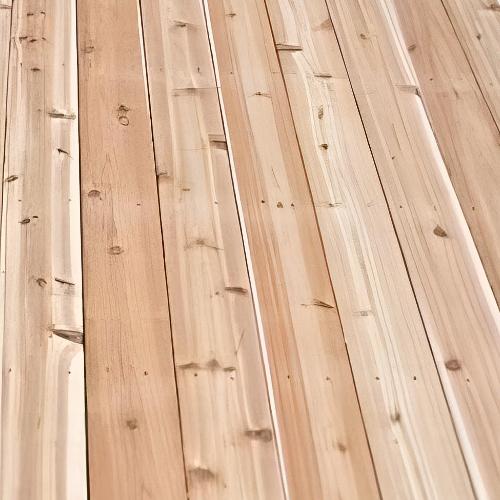
| Heartwood color | Varies by species | Pink to reddish brown, darker streaks | Purple-red, pale sapwood streaks |
| Volumetric shrinkage | Not standard | 6.8% | 7.8% |
| Typical product | Ornamental tree, rarely milled here | Siding, decking, fence boards, shingles | Closet liner, chests, fence posts |
Eastern red cedar is about 2.6 times harder than western red cedar (900 vs 350 lbf) and roughly 43 percent heavier (33 vs 23 lb per cubic foot). Source: Western red cedar and eastern red cedar entries, The Wood Database.
That hardness gap changes how each board behaves in the shop. Per the Wood Database, western red cedar dents and scratches very easily and can sand unevenly because the earlywood and latewood differ in density. Eastern red cedar resists denting far better, but it is usually knotty, and it reportedly has a high silica content that can dull cutters.
What Is a True Cedar (Cedrus)?
A true cedar is a tree of the genus Cedrus, a small group that includes Atlas, deodar, Lebanon, and Cyprus cedar. They grow in the mountains of the Mediterranean and western Himalayas, carry their needles in tufts, and produce barrel-shaped cones that stand upright on the branch. You are far more likely to meet one as a landscape tree than as lumber, and you will almost never see it at a US lumberyard.
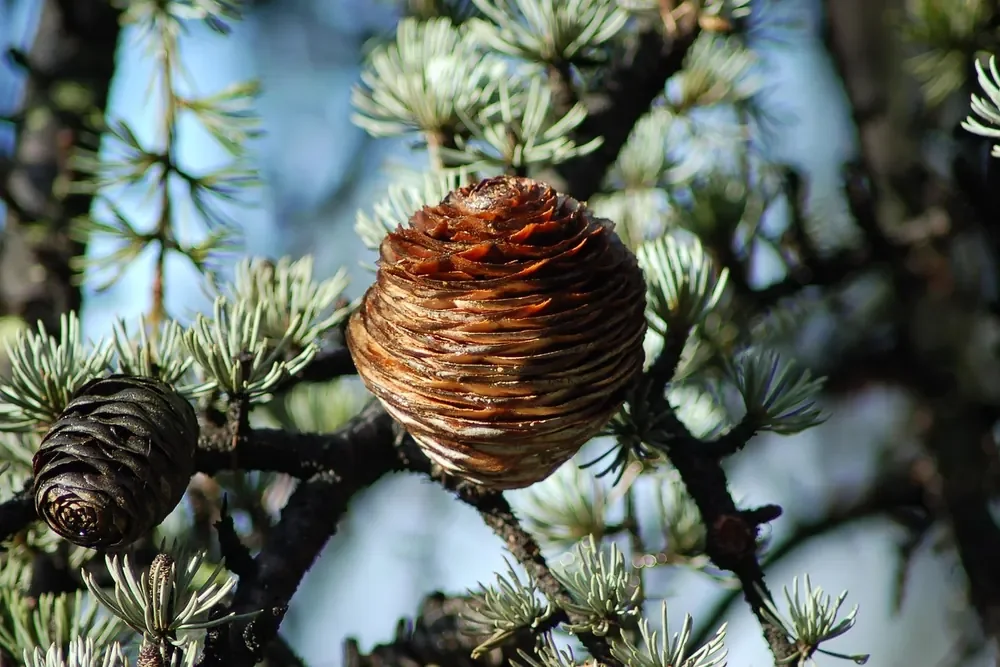
That matters for one practical reason: when a product page says “Lebanon cedar” or “Atlas cedar oil,” it refers to a genuine Cedrus, and the scent and wood are not the same as what comes off a red cedar closet plank. The cedar vs pine comparison covers how the cedar-scented woods stack up against ordinary pine.
Western Red Cedar: The Light, Stable Outdoor Cedar
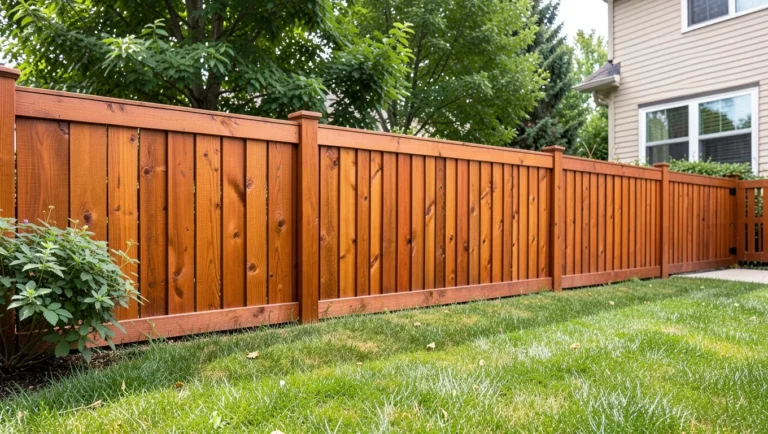
Western red cedar (Thuja plicata) is a very large Pacific Northwest tree with pinkish-brown heartwood and pale yellow-white sapwood. At 23 lb per cubic foot it is light for a structural wood, so a 6 ft fence picket is easy to carry and hang. Its decay resistance is rated durable to very durable, which is why it dominates siding, shingles, decking, and fence boards.
Two shop details separate people who have worked it from people who have only read about it. First, the Wood Database warns that iron-based fasteners can stain and discolor the wood, especially in damp conditions, so use stainless steel or hot-dip galvanized fasteners instead of bare steel. Second, the dust is a real health issue, covered in the safety section below. For cost expectations, see what cedar wood costs per board foot.
Eastern Red Cedar: The Hard, Aromatic Juniper
Eastern red cedar (Juniperus virginiana) is the aromatic cedar of closet planks, chests, and hope chests. It is a juniper, so the foliage looks like a shrub-sized evergreen with scale-like leaves rather than a stately timber tree. Heartwood is purple-red, and pale yellow sapwood shows up as streaks and stripes throughout the board, which is the fastest visual way to spot it.
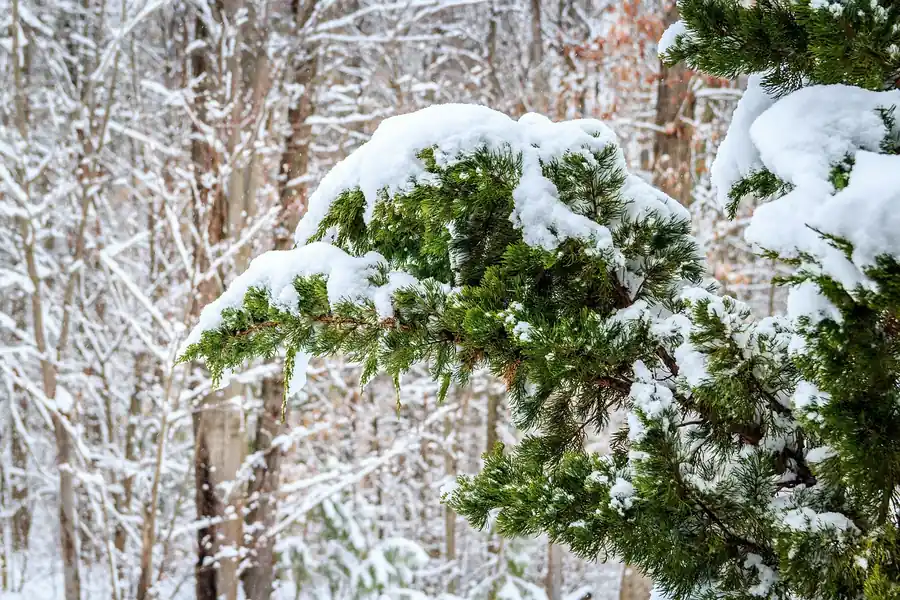
Its distinct scent is why it is commonly used in closets and chests to repel moths and other insects, according to the Wood Database. The scent is strongest on a freshly cut or sanded surface, so expect it to fade over time. If you want a closet lined, the steps are in our guide to cedar lining a closet.
Rot Resistance and Weathering: What Actually Differs
Both species have durable heartwood, and neither is rot-proof in the sapwood. Western red cedar heartwood is rated durable to very durable, and eastern red cedar heartwood is regarded as excellent against decay and insects. The Wood Database notes eastern red cedar is frequently used for fence posts in direct ground contact with no pretreatment, which gives it the stronger track record for buried posts. Above ground, western red cedar is the more common choice simply because it is wider, straighter, and more available. Our heartwood vs sapwood explainer shows how to tell which part of a board you are holding.
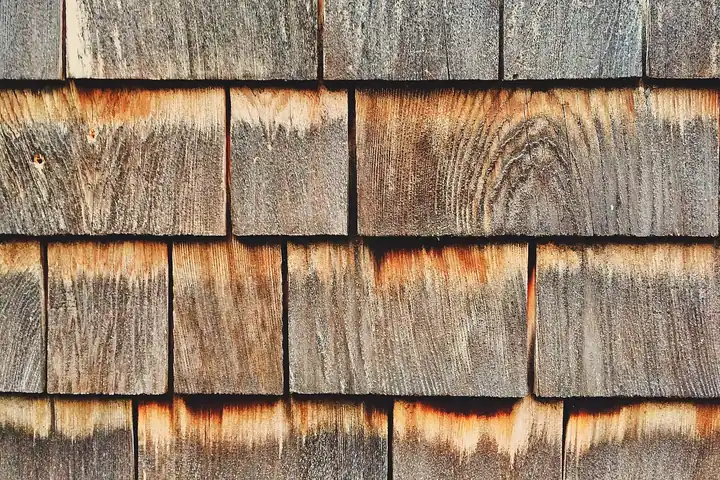
Left unfinished outside, both woods fade to a silver gray within a year or two. If you want to keep the warm color, plan on a UV-blocking finish and recoating; the how to prevent cedar from turning gray guide covers the options.
Which One Should You Buy? Match the Cedar to the Project
| Project | Pick | Why |
|---|---|---|
| Siding, shingles, deck boards | Western red cedar | Light, straight, stable, sold in long clear lengths |
| Fence pickets and rails | Western red cedar | Easy to handle; see our best cedar for fence picks |
| Buried or ground-contact fence posts | Eastern red cedar | Heartwood has a strong record untreated in soil |
| Closet liner, drawer liner, chests | Eastern red cedar | Dense, strongly aromatic, and traditionally used for storage |
| Outdoor furniture | Western red cedar | Lighter to move, and it takes finishes well; see cedar for outdoor furniture |
| Guitar soundboards, boxes, crates | Western red cedar | Clear quartersawn stock is a standard tonewood and box wood |
Once you have picked a species, the next question is the job itself. Our guides cover how to cedar wrap a post, how to repair cedar siding, and whether cedar works as firewood. If you are weighing cedar against another outdoor wood, see cedar vs redwood.
Other Woods Sold as Cedar
Lumber labels are loose. Several woods with “cedar” in the name are neither of the two above, and mixing them up is the most common buying mistake. Here is how the usual suspects compare.
| Wood | Botanical group | Janka | Note |
|---|---|---|---|
| Alaskan yellow cedar | Cupressus nootkatensis | 580 lbf | Pale yellow, harder than western red cedar, per The Wood Database |
| Northern white cedar | Thuja occidentalis | 320 lbf | Soft, mild scent; see red cedar vs white cedar |
| Incense cedar | Calocedrus decurrens | 470 lbf | Spicy scent, the classic pencil wood |
| Spanish cedar | Cedrela odorata | 600 lbf | Mahogany family, not a conifer; used for cigar boxes |
| Australian red cedar | Toona ciliata | 700 lbf | Also a mahogany relative; see Australian red cedar |
Working With Red Cedar: Dust, Fasteners, and Finish
- Wear a respirator when cutting or sanding western red cedar. The wood contains plicatic acid, which has been linked to occupational asthma with prolonged dust exposure. Use dust collection and an N95 or better mask.
- Choose stainless or hot-dip galvanized fasteners. Iron-based fasteners can stain and discolor western red cedar, especially when it stays damp.
- Pre-drill near board ends. Western red cedar is soft and splits easily at the ends, especially with thick screws.
- Expect knots in eastern red cedar. Cut around them for closet liners; leave them in for rustic chests.
- Keep cutters sharp on eastern red cedar. It reportedly has a high silica content, which can dull cutters.
Frequently Asked Questions
Is red cedar the same as cedar?
No. True cedars are Cedrus trees from the Mediterranean and the Himalayas. Red cedar in North America means either western red cedar (Thuja plicata) or eastern red cedar (Juniperus virginiana), and neither is a true cedar. All three share a name because their wood smells alike, but they differ in weight, hardness, and best use.
Is red cedar a hardwood or a softwood?
Red cedar is a softwood, because both species are cone-bearing conifers. Hardness is a separate matter: western red cedar rates only 350 lbf on the Janka scale, while eastern red cedar rates 900 lbf, harder than yellow poplar at about 540 lbf even though it is still botanically a softwood.
Is eastern or western red cedar better for outdoor use?
Western red cedar is the usual choice for siding, decking, fence boards, and shingles because it is light, straight, and stable. Eastern red cedar heartwood is denser and has a strong record in untreated fence posts, but it is knotty and sold in shorter, smaller pieces, so it is rarer in big-box lumber aisles.
What is the difference between red cedar and yellow cedar?
Alaskan yellow cedar (Cupressus nootkatensis) has pale yellow heartwood, a Janka hardness of 580 lbf, and a scent some people compare to raw potatoes. Red cedar is pink to reddish brown. Yellow cedar is harder than western red cedar and holds paint well, but it is sold in more limited supply.
Why is red cedar called cedar if it is not a true cedar?
The name comes from the wood, not the botany: both red cedars have a strong cedar-like aroma and reddish heartwood. Botanically, both belong to the cypress family, and the Wood Database notes eastern red cedar is more closely related to the junipers (genus Juniperus), so the lumber-trade name stuck without being a true cedar.
Conclusion
Cedar and red cedar are different woods that share a name. Choose western red cedar for anything outdoors and above ground, choose eastern red cedar for closets, chests, and posts in soil, and treat “true cedar” as a tree rather than a lumber category. When a label just says “cedar,” check the species name before you buy. For a wider look at how woods are classified, start with our types of wood guide.
Sponsored / affiliate links. As an Amazon Associate I earn from qualifying purchases. I may earn additional commission from eligible campaigns.