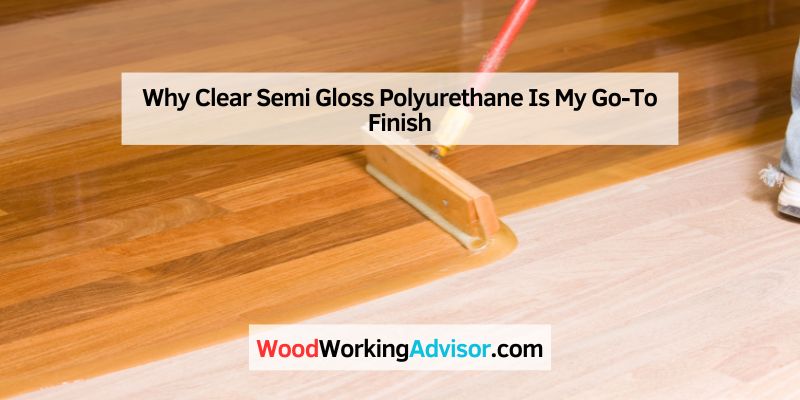
Why Clear Semi Gloss Polyurethane Is My Go-To Finish
My first woodworking project was a wobbly coffee table. I sanded it, stained it, and then slapped on some clear semi gloss polyurethane. Wow, what a game-changer! That shiny, tough finish made my table look pro. This article shares everything you need to know about clear semi gloss polyurethane. From what it is to how to use it, I’ll walk you through easy steps, fun projects, and tips to avoid my rookie mistakes. Whether you’re a kid with a craft or a pro refinishing floors, let’s make your wood shine!
What Is Clear Semi Gloss Polyurethane?
Clear semi gloss polyurethane is a tough, clear coating for wood. It protects furniture, floors, and crafts from scratches and spills.
Why It Matters
This finish adds a shiny, modern look while keeping wood safe. It’s like a superhero shield for your projects! I love it because it’s durable and easy to apply. It works on tables, cabinets, or even kid-friendly birdhouses.
Oil-Based vs. Water-Based
There are two types: oil-based and water-based. Oil-based is super tough but smells strong and dries slow. Water-based dries fast, smells less, and cleans up with soap. I lean toward water-based for quick projects.
Why Choose Clear Semi Gloss Polyurethane?
This finish gives a sleek, semi-shiny look—not too glossy, not too dull. It’s perfect for showing off wood’s beauty.
Benefits
- Durable: Protects against scratches, water, and wear.
- Versatile: Great for furniture, floors, or crafts.
- Easy to Apply: Brushes on smoothly with practice.
Drawbacks
- Oil-based versions may yellow over time.
- Needs multiple coats for best results.
- Can be tricky to apply without streaks.
Alternatives
Satin polyurethane is less shiny, while gloss is super reflective. For a natural feel, try hard wax oil like Osmo. I once used satin on a bookshelf, but semi gloss won for my dining table—it pops!
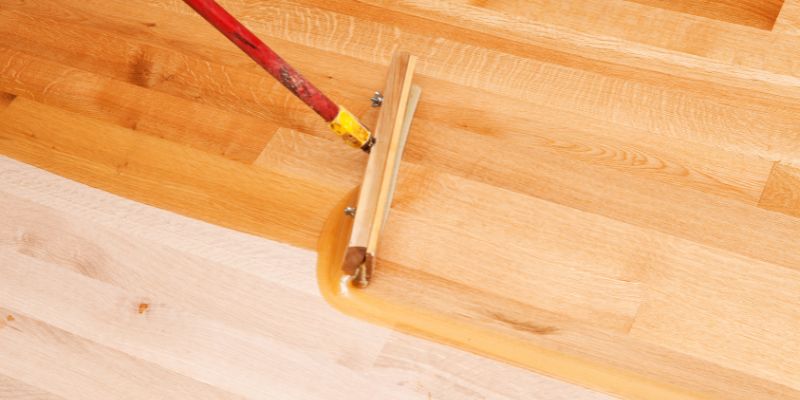
Step-by-Step Guide to Applying Clear Semi Gloss Polyurethane
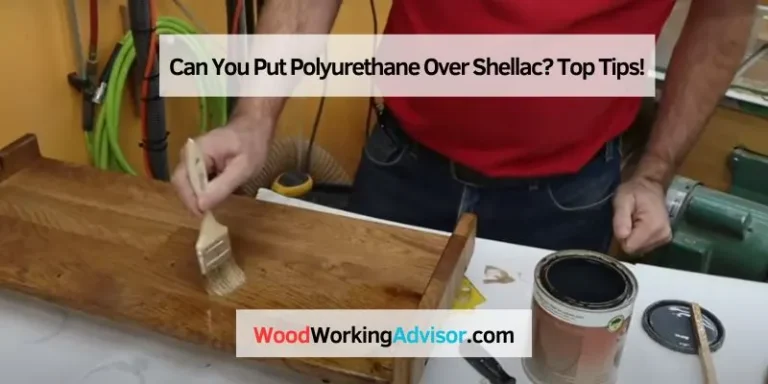
Ready to finish a project? Here’s how I coat a wooden shelf. It’s a piece of cake with these steps!
Tools and Materials
You’ll need:
- Clear semi gloss polyurethane (e.g., Minwax Fast-Drying).
- High-quality brush or foam applicator.
- 220-grit sandpaper.
- Clean cloth for dust.
- Mineral spirits (for oil-based cleanup).
Visual Idea: A diagram showing brush strokes in one direction to avoid streaks.
Steps
- Prep the Wood: Sand it smooth with 220-grit sandpaper. Wipe off dust.
- Stir the Can: Never shake it—bubbles ruin the finish!
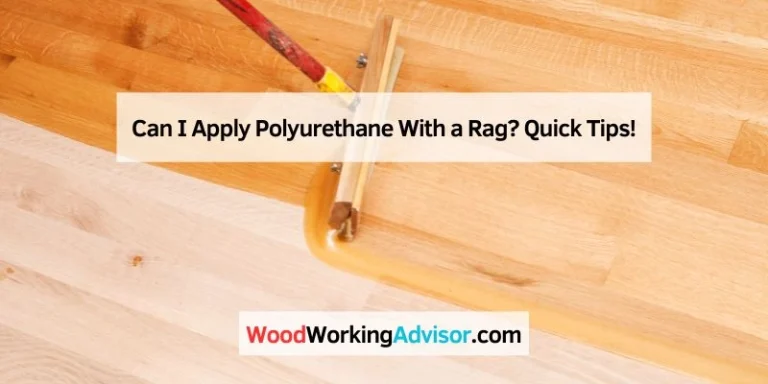
- Apply Thin Coat: Brush lightly in the wood’s grain direction.
- Wait 4–6 Hours: Let it dry (2 hours for water-based).
- Sand Lightly: Use 220-grit sandpaper for a smooth base.
- Add More Coats: Two or three coats work best.
- Let It Cure: Wait 24 hours before light use.
Visual Idea: A chart showing drying times for oil-based vs. water-based polyurethane.
Safety Tips
- Work in a well-ventilated area—oil-based polyurethane smells strong.
- Wear gloves to avoid sticky hands.
- Keep kids and pets away from wet finishes.
Fun Project Ideas with Clear Semi Gloss Polyurethane
Try these projects to practice!
Picture Frame
I made a photo frame for my niece’s drawing. Sanded it, stained it, and added two coats of clear semi gloss polyurethane. It shines and protects her artwork!
Wooden Coasters
Cut wood slices, sand them, and coat with polyurethane. They’re tough enough for hot mugs. My first try had brush marks—go slow to avoid that!
Refinished Table
I revived an old table with three coats. It looks modern and handles spills like a champ.
Visual Idea: A photo of a finished coaster next to a raw wood slice for comparison.
Comparing Polyurethane Finishes
Here’s a table to help you pick the right finish:
| Finish Type | Shine Level | Best For | Drying Time |
|---|---|---|---|
| Clear Semi Gloss | Medium shine | Furniture, crafts | 4–6 hours (oil) |
| Satin | Low shine | Subtle, natural look | 4–6 hours (oil) |
| Gloss | High shine | Bold, modern projects | 4–6 hours (oil) |
| Water-Based Semi Gloss | Medium shine | Quick projects, low odor | 2 hours |
Caption: Compare finishes to match your project’s vibe.
Tools for Applying Polyurethane
This table breaks down tool options:
| Tool | Cost | Pros | Cons |
|---|---|---|---|
| Natural Bristle Brush | $5–15 | Smooth application | Hard to clean (oil-based) |
| Foam Brush | $1–3 | Cheap, no brush marks | Less durable, may tear |
| Spray Applicator | $20–50 | Even coat, pro look | Needs practice, overspray |
Caption: Pick a tool that fits your budget and skill level.
Common Mistakes to Avoid
My first polyurethane job was a mess—streaks everywhere! Here’s what to watch for:
- Thick Coats: Apply thin layers to avoid drips.
- Skipping Sanding: Sand between coats for a smooth finish.
- Dirty Workspace: Dust sticks to wet polyurethane. Clean first!
My Top Tips for Success
After years of woodworking, here’s what I’ve learned:
- Test on Scrap: Try the finish on extra wood first.
- Use Foam Brushes: They’re cheap and reduce streaks.
- Thin Oil-Based Poly: Mix 50/50 with mineral spirits for easier wiping.
For more tips, check out Minwax’s guide or The Home Depot’s finishing section.
Frequently Asked Questions
What Is Clear Semi Gloss Polyurethane?
It’s a clear, protective coating for wood with a medium shine. It guards against scratches and spills while adding a sleek look to furniture or floors.
Can I Use It on Floors?
Yes! It’s great for hardwood floors. Apply three thin coats, sanding lightly between each, for a durable, shiny finish that handles foot traffic.
How Long Does It Take to Dry?
Oil-based takes 4–6 hours between coats; water-based takes 2 hours. Wait 24 hours before light use. Full curing takes a few days.
Does It Yellow Over Time?
Oil-based polyurethane may yellow slightly, especially on light wood. Water-based stays clearer but might be less durable. Test first!
Can Kids Help with This?
Kids can sand or wipe dust with supervision. Adults should handle polyurethane due to fumes and sticky cleanup. Keep it fun and safe!
What’s the Best Brand?
Minwax and Varathane are top picks. Minwax is easy to find and reliable. Check Lowe’s for options and reviews.
How Do I Fix Brush Marks?
Sand lightly with 220-grit sandpaper, wipe clean, and apply a thin coat. Use a foam brush for smoother results. Practice makes perfect!
Conclusion
Clear semi gloss polyurethane is a fantastic way to protect and beautify wood. It’s tough, shiny, and easy to use with practice. Try coating a small project like a coaster or frame to get the hang of it. You’ll love the pro look! Share your projects or ask questions in the comments—I’d love to hear about your woodworking wins. Grab a can and make your wood shine!