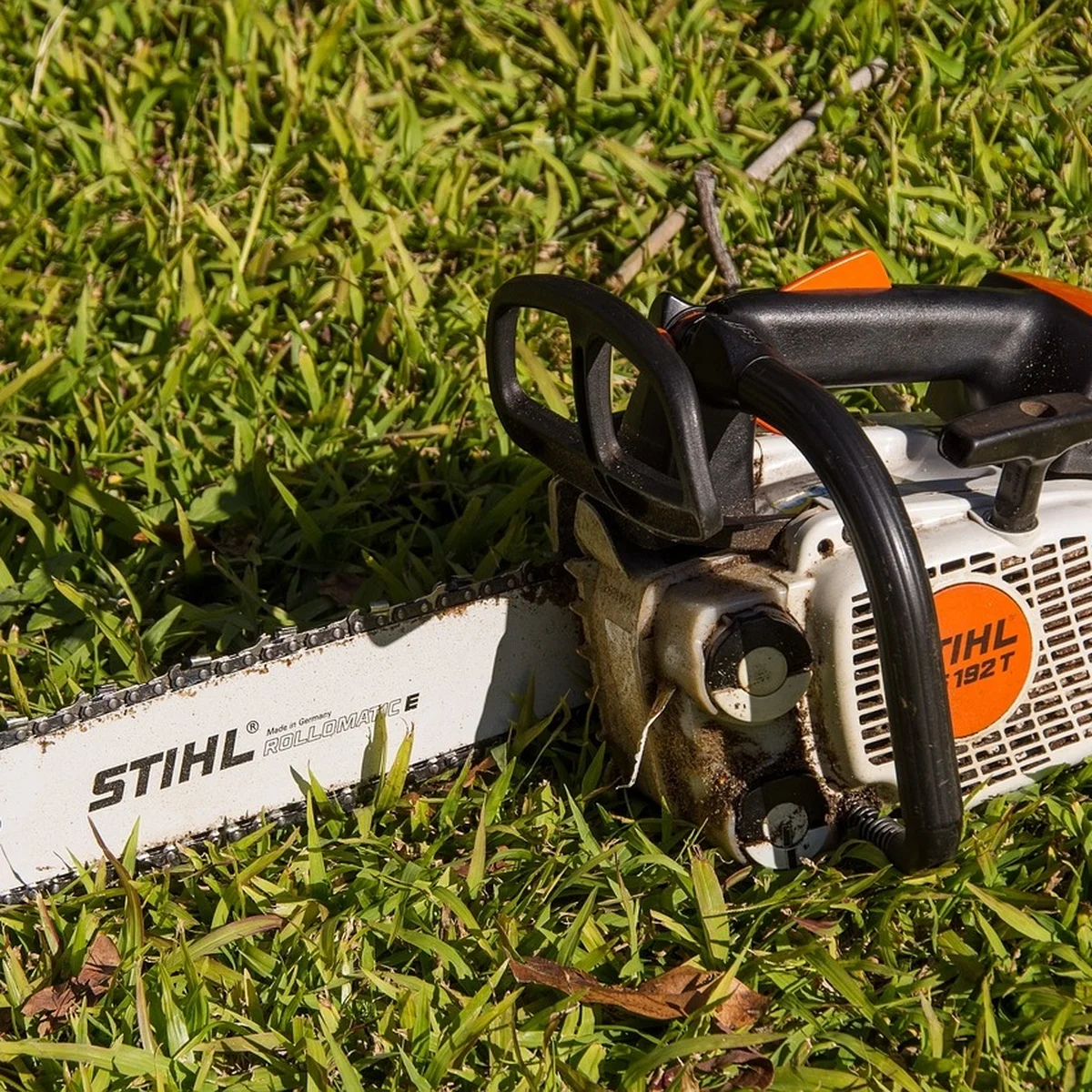
Does Stihl Make Reciprocating Saws? No, Only a KombiSystem Attachment
Does Stihl make reciprocating saws? No. Stihl does not sell a handheld demolition-style reciprocating saw (a “Sawzall”) for wood, metal, or PVC. The closest thing in Stihl’s lineup is the RG-KM Reciprocator, a dual-blade attachment for its KombiSystem powerheads — built for trimming grass and light vegetation, not for framing, plumbing, or demolition work.
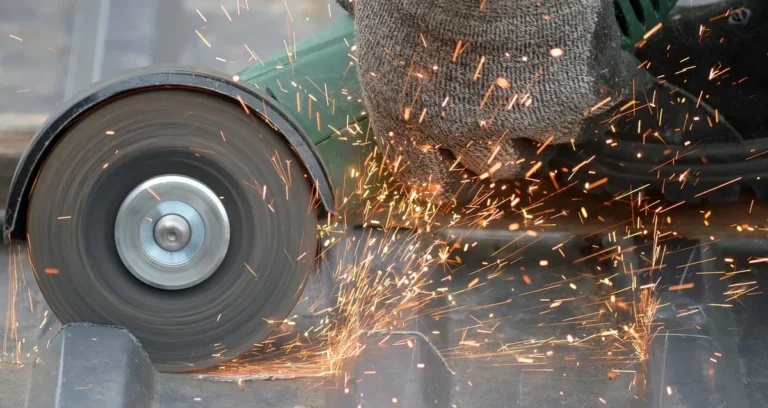
That distinction trips a lot of people up, including some of the guides already online. A few even point to Stihl’s gas-powered Cutquik® cut-off saws as the “closest thing” to a reciprocating saw — but a cut-off saw spins an abrasive or diamond wheel, the same motion as a circular saw, not a back-and-forth reciprocating stroke. It shares a category with reciprocating saws only in the loosest sense: both cut things. If you need an actual reciprocating saw for a DIY or renovation project, you’ll want a different brand, and we’ll point you to the right ones below.
Understanding Reciprocating Saws
Best All-Around Pick Since Stihl Doesn’t Make One
 |
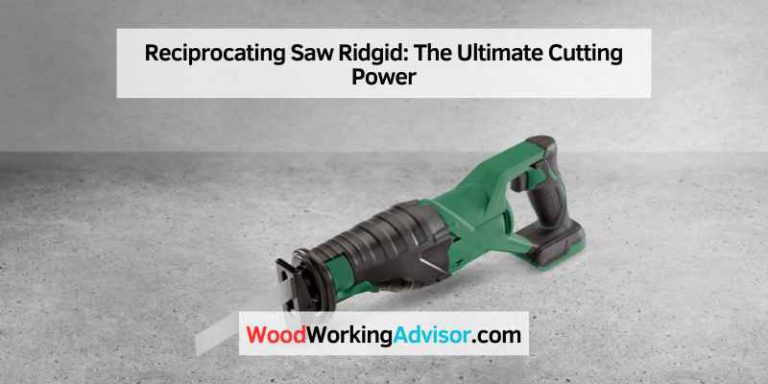
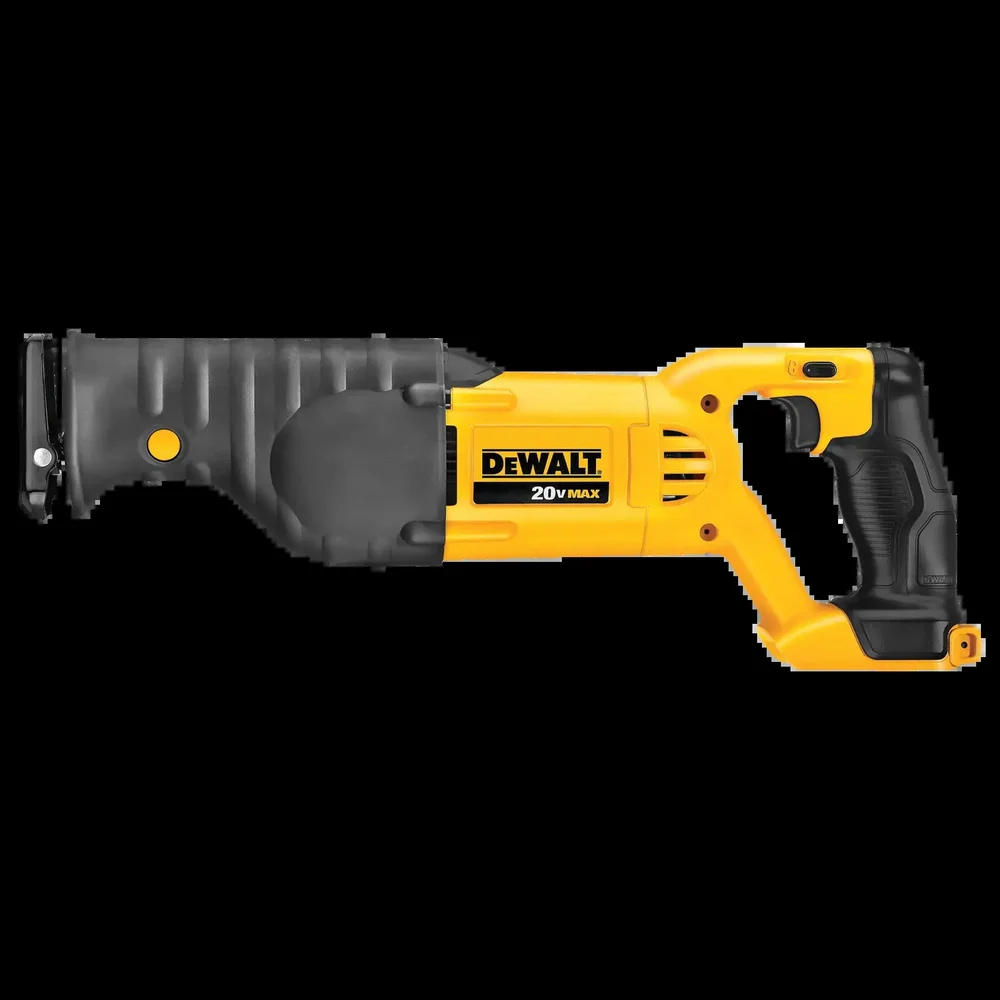
DeWalt DCS380B 20V MAX Reciprocating Saw Since Stihl doesn’t make a demolition-style reciprocating saw, this is the one we’d point a Stihl owner toward for wood, metal, and PVC cutting.
|
Before we dive into what Stihl offers and what it doesn’t, here’s what a reciprocating saw actually is and why it’s such a handy tool.
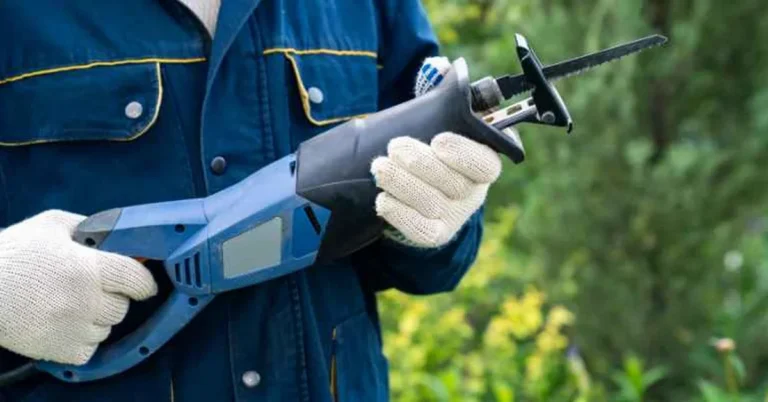
A reciprocating saw features a blade that moves back and forth—or “reciprocates”—at high speed. This linear motion lets it cut through a wide variety of materials. Reciprocating saws are particularly useful for:
Demolition: Ripping out old framing, pipes, or drywall.
Pruning: Cutting tree limbs too thick for loppers.
Renovation: Making precise cuts in tight spaces or cutting metal, plastic, and wood.
DIY Projects: From framing a new wall to modifying existing structures.
Why the Stihl Reciprocating Saw Question Arises
Stihl is a name synonymous with power, durability, and performance in outdoor equipment. Its products are known for robust construction, powerful engines and motors, long service life, and a wide catalog: chainsaws, leaf blowers, trimmers, blowers, edgers, pressure washers, and the multi-tasking KombiSystem.
Given that catalog, it’s a reasonable assumption that a tool as common as the reciprocating saw would be somewhere in the lineup. Stihl focuses its product development on outdoor power equipment and landscaping tools, though, and a general-purpose demolition reciprocating saw simply isn’t part of that focus — the closest thing it sells is built for a completely different job, which is exactly where the confusion starts.
What Stihl Does Offer for Cutting Tasks
While you won’t find a reciprocating saw with the Stihl logo built for wood framing or demolition, the brand does offer tools that can handle various cutting jobs depending on your needs.
Chainsaws
For heavy-duty clearing of trees, large branches, and general wood cutting, Stihl chainsaws are the gold standard. They come in various sizes and power sources (gas, battery, corded) for different applications. These chainsaws aren’t all built in one place: see our breakdown of where Stihl saws are made across Germany, the USA, and other countries.
Pole Saws
Ideal for trimming hard-to-reach branches high up in trees, Stihl pole saws extend your reach significantly, making pruning safer and more efficient.
The RG-KM Reciprocator: Stihl’s Actual Reciprocating Tool
This is the part most articles on this topic get wrong or skip entirely. Stihl’s KombiSystem lets you attach different tool heads — edgers, brushcutters, hedge trimmers — to a single powerhead, and one of those attachments really is called a “reciprocator”: the RG-KM Reciprocator. It uses dual reciprocating blades moving in opposite directions at up to 3,000 strokes per minute, and it’s compatible with most Stihl KombiEngines (KM 94 R, KM 111 R, KM 131 R — not the KM 56 RC-E).
Don’t confuse it with a Sawzall, though. The RG-KM is a landscaping tool, designed for clean, controlled trimming around golf course bunkers, parking lot islands, pond edges, and other spots where a spinning string trimmer would fling debris. It’s not rated for wood, metal, PVC, or anything resembling demolition work — it exists to cut grass and light vegetation cleanly, and swaps onto the same powerhead as a blower or edger in seconds.

Top Alternatives to Stihl Reciprocating Saws
Since Stihl doesn’t make the type of reciprocating saw most DIYers are looking for, here are some of the best brands that do — from entry-level models to professional-grade powerhouses, in both cordless and corded options.
Key Features to Look For in a Reciprocating Saw
When you’re shopping for a reciprocating saw, keep these features in mind:
Power Source:
Corded: Offers consistent power but limits mobility.
Battery-Powered (Cordless): Provides freedom of movement. Battery voltage (e.g., 18V, 20V MAX, 40V) and amp-hours (Ah) indicate power and run time.
Motor Type:
Brushed: Traditional motor, generally less expensive but less efficient and higher-maintenance.
Brushless: More efficient, longer run times, less heat, often more power.
Strokes Per Minute (SPM): Higher SPM means faster cutting. Look for variable speed control for different materials.
Blade Stroke Length: A longer stroke (e.g., 1-1/8 inches) generally cuts faster; shorter strokes offer more control.
Variable Speed Trigger: Lets you start cuts precisely and adjust speed on the fly.
Orbital Action: Adds a slight back-and-forth rocking motion, useful for aggressive demolition in wood.
Tool-Free Blade Change: Makes swapping blades quick and easy.
LED Light: Illuminates the cutting area in dim spaces.
Ergonomics and Weight: A comfortable grip and balanced weight matter if you’re holding the saw for a while.
Leading Brands for Reciprocating Saws
Here are some of the most reliable and popular brands that offer excellent reciprocating saws:
1. DeWalt: Known for tough, professional-grade cordless tools. The XR and FLEXVOLT lines offer powerful options with brushless motors and ergonomic designs, and are a favorite among contractors.
2. Milwaukee: A top-tier brand for professionals. The M18 FUEL SUPER SAWZALL series is highly regarded for performance, durability, and features like anti-vibration handling.
3. Makita: A broad range of cordless tools known for balancing power, weight, and durability, including compact one-handed models for tight spaces.
4. Bosch: A good selection of corded and cordless reciprocating saws, often praised for innovative features and smooth operation.
5. Ryobi: A popular choice for DIYers and homeowners thanks to affordability and a wide range of cordless tools in the ONE+ system.
6. Hilti: High-end and often used by professionals in demanding construction environments, with a focus on extreme durability.
Comparison Table: Popular Reciprocating Saws (Example Models)
Here’s a comparison of a few current models from these brands. Models and specifications can change, so always check the latest listing before buying.
| Brand | Model Example | Power Source | Voltage | Stroke Length | Key Feature | Ideal For |
|---|---|---|---|---|---|---|
| DeWalt | DCS380B (20V MAX) | Battery | 20V MAX | 1-1/8″ | 3,000 SPM, variable speed, tool-free blade change | Versatile DIY, remodel, light demolition |
| Milwaukee | 2722-20 (M18 FUEL Super Sawzall) | Battery | 18V | 1-1/4″ | Brushless, 5-speed dial, selectable orbital mode | Heavy-duty demolition, professional use |
| Makita | XRJ08Z (18V LXT) | Battery | 18V | 3/4″ | Compact one-handed design, brushless, LED light | Tight spaces, overhead cuts, trades |
| Ryobi | P519 (ONE+) | Battery | 18V | 1″ | Brushless, up to 3,400 SPM, affordable | Homeowners, quick fixes, light projects |
Note: Voltage systems (e.g., DeWalt’s 20V MAX system is equivalent to an 18V system used by other brands) and specifications can vary. Always verify with the manufacturer or retailer before buying.
Choosing the Right Reciprocating Saw for Your Project
Selecting the best reciprocating saw doesn’t have to be overwhelming. Consider these questions:
What Materials Will You Be Cutting Most Often?
Wood: Most reciprocating saws handle wood well. For thicker wood or general demolition, look for higher SPM and orbital action.
Metal: Requires specialized metal-cutting blades. Variable speed control helps prevent overheating the blade and metal. Brushless motors are often advantageous here.
PVC/Plastic: Generally easy to cut with the right blade.
Drywall/Plaster: Easy to cut; a less powerful, more maneuverable saw might be ideal.
How Frequently Will You Use It?
Occasional DIYer: A budget-friendly option from Ryobi or an entry-level DeWalt or Bosch model is usually plenty.
Regular Home Projects/Renovator: A mid-range to higher-end model from DeWalt, Makita, or Bosch offers better performance, longevity, and features.
Professional/Heavy Use: Milwaukee, DeWalt professional lines, and Hilti are built for continuous, demanding use.
What’s Your Budget?
Reciprocating saws range from under $100 for basic corded models to over $250 for high-end cordless kits. Factor in the cost of batteries and a charger if you go cordless and don’t already own compatible ones.
Stihl’s Focus: Quality Outdoor Equipment, Not General-Purpose Saws
Even though Stihl doesn’t make the reciprocating saw most DIYers are picturing, the brand’s overall philosophy centers on high-quality, durable, and safe outdoor power equipment. That specialization is exactly why it doesn’t chase every category — a chainsaw, pole saw, or KombiSystem attachment from Stihl is built specifically for the outdoor and landscaping tasks it’s designed for, rather than being a generic multi-purpose tool.
Whatever brand or tool you end up using, safety comes first. Stihl provides user manuals, PPE recommendations, and training resources for its equipment, and the same baseline precautions apply to any reciprocating saw from any brand.
Essential Safety Gear for Reciprocating Saw Use
Using a reciprocating saw, regardless of brand, involves real risks. Always wear appropriate safety gear:
Safety Glasses or Goggles: Protect your eyes from flying debris.
Hearing Protection: Reciprocating saws can be loud.
Work Gloves: Improve grip and protect your hands.
Dust Mask or Respirator: Especially when cutting wood, drywall, or insulation.
Sturdy Footwear: Protect your feet from dropped materials or tools.
Long Sleeves and Pants: Durable material to protect your skin.
Secure your workpiece firmly and keep the area clear of obstructions. Reading the owner’s manual is the first step to safe operation. You can find general safety guidelines from the Occupational Safety and Health Administration at OSHA.gov.
Frequently Asked Questions (FAQ)
Here are some common questions people ask about Stihl and reciprocating saws:
Q1: Does Stihl make any cordless reciprocating saws?
A1: No. Stihl does not make a handheld cordless or corded reciprocating saw for wood, metal, or general demolition. The closest product is the RG-KM Reciprocator, a KombiSystem attachment built for trimming grass and light vegetation, not for cutting building materials.
Q2: What kind of saws does Stihl make?
A2: Stihl is primarily known for chainsaws, pole saws, and the KombiSystem line of interchangeable powerhead attachments (which includes the RG-KM Reciprocator). It also makes gas-powered Cutquik® cut-off saws for professional construction and rescue work — these spin an abrasive or diamond wheel and are not reciprocating tools, despite sometimes being lumped in with them.
Q3: If I need a reciprocating saw, what brands should I look at instead of Stihl?
A3: DeWalt, Milwaukee, Makita, Bosch, and Ryobi all make solid reciprocating saws across a range of budgets and needs.
Q4: Are reciprocating saws hard to use for beginners?
A4: Reciprocating saws can have a powerful kick. With a good grip, proper bracing, and practice, beginners can learn to use them safely and effectively. Starting with a variable-speed model helps manage power.
Q5: What’s the difference between a reciprocating saw and a Sawzall?
A5: “Sawzall” is a trademarked Milwaukee brand name for its reciprocating saw. A Sawzall is a type of reciprocating saw — when people ask about Sawzalls, they’re usually referring to reciprocating saws in general.
Q6: Can I use a Stihl chainsaw to cut branches instead of a reciprocating saw?
A6: Chainsaws are excellent for cutting branches, but they’re designed for different cuts and are less maneuverable for tasks where a reciprocating saw excels, like cutting through studs or pipes. For overhead branches, a Stihl pole saw is often the safer choice.
Q7: Is it worth buying a battery-powered reciprocating saw?
A7: For most DIYers and homeowners, yes. Cordless freedom lets you work anywhere without being tethered by a power cord, which significantly increases convenience and versatility.
Conclusion: Finding Your Perfect Cutting Tool
So, to wrap things up: does Stihl make any reciprocating saws? No — not the handheld, demolition-style tool most DIYers and home renovators mean by the term. The RG-KM Reciprocator comes closest on paper, but it’s a landscaping attachment for grass and light vegetation, not a substitute for a Sawzall-style saw. Stihl’s real strength is chainsaws, pole saws, and KombiSystem tools built for outdoor and landscaping work.
That leaves you with plenty of good options elsewhere. The reciprocating saw market is full of solid tools from DeWalt, Milwaukee, Makita, Bosch, and Ryobi. By weighing your project needs, budget, and features like brushless motors and variable speed, you can find a saw that becomes a genuinely useful part of your toolbox.
Whichever brand you choose, prioritize safety: wear the right gear and read your tool’s manual before you start cutting.
Sponsored / affiliate links. As an Amazon Associate I earn from qualifying purchases. I may earn additional commission from eligible campaigns.