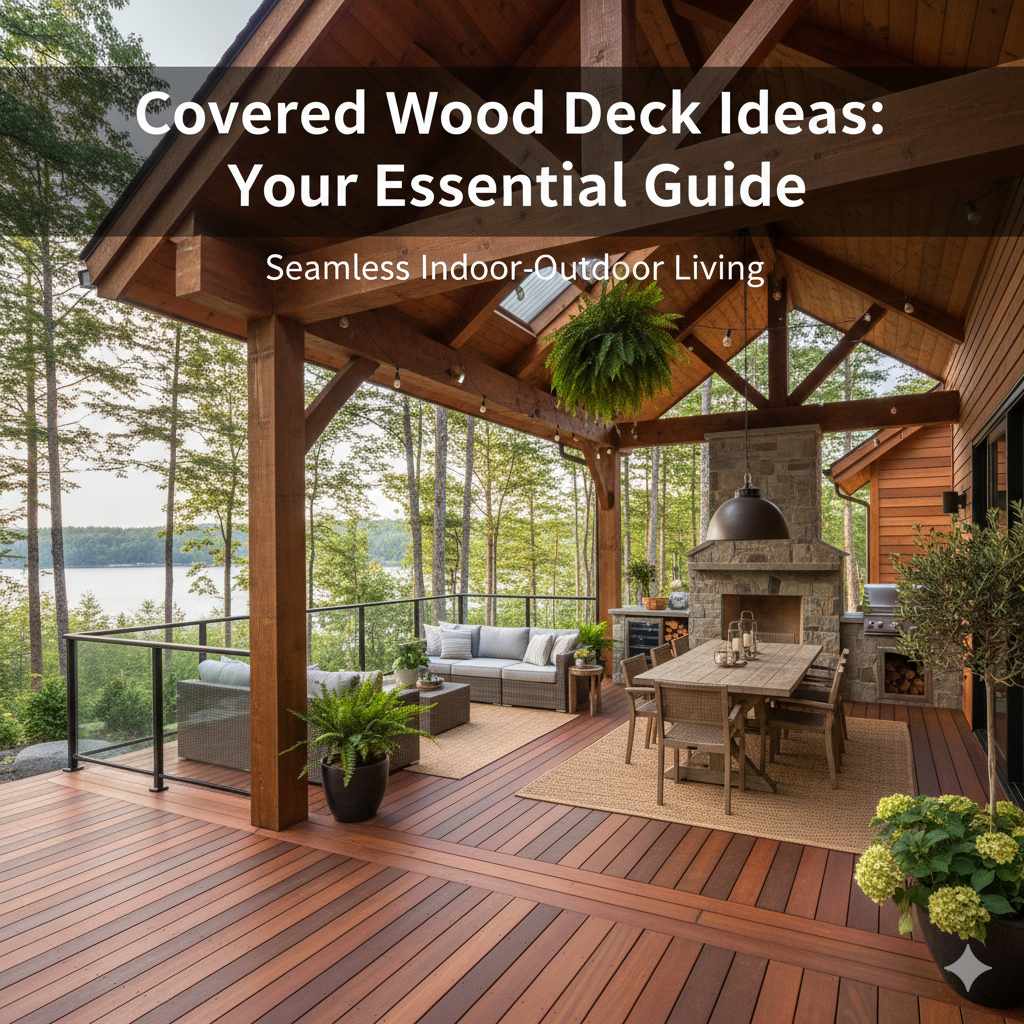
Covered Wood Deck Ideas: Your Essential Guide
Covered wood deck ideas turn your outdoor space into a year-round oasis, offering shade, rain protection, and amplified living space. This guide provides simple, beginner-friendly options for creating your perfect covered deck, focusing on ease, affordability, and lasting beauty.
Hey there, fellow DIYers and homeowners! Ever looked at your backyard and wished for a cozy spot to relax, protected from the sun’s glare or a sudden splash of rain? A wood deck is fantastic, but adding a roof can truly transform it into an extension of your home. It’s a project that might sound daunting, but with the right ideas and a clear plan, you can create a beautiful, functional space you’ll love. We’ll walk through various covered wood deck ideas, making sure your outdoor sanctuary is comfortable and stylish, no matter the weather. Get ready to discover how simple and rewarding this can be!
Why a Covered Wood Deck is a Game-Changer
A covered wood deck is more than just a pretty addition; it’s a smart way to maximize your home’s usable space and enjoy the outdoors more often. Think about it: you get protection from harsh sun, keeping the space cooler and preventing furniture from fading. Plus, a little rain won’t send you scrambling indoors! This added shelter makes your deck a versatile spot for everything from morning coffee to evening entertaining. It’s like gaining an extra room, but with fresh air and a great view.
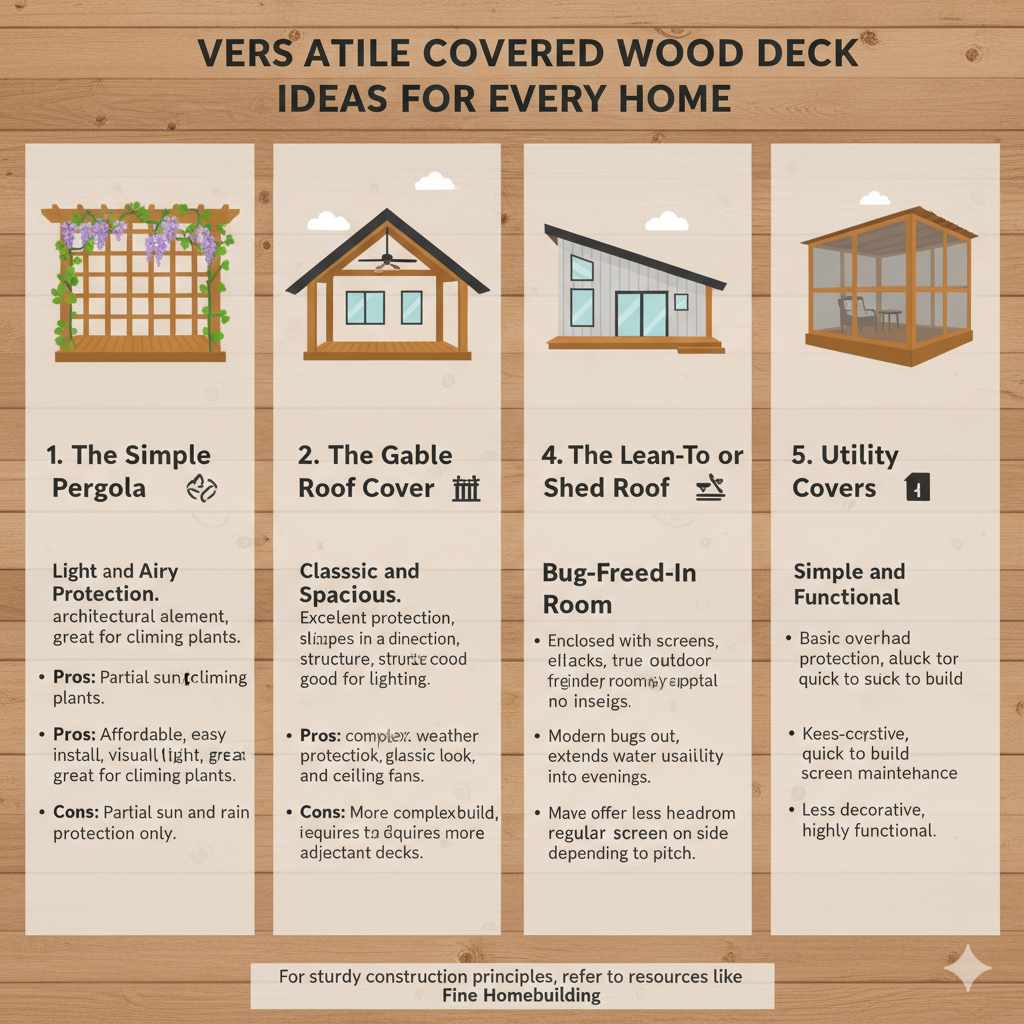
Versatile Covered Wood Deck Ideas for Every Home
Choosing the right covered deck style depends on your home’s architecture, your personal taste, and the primary use you envision. Here are some popular and achievable ideas to get your inspiration flowing:
1. The Simple Pergola: Light and Airy Protection
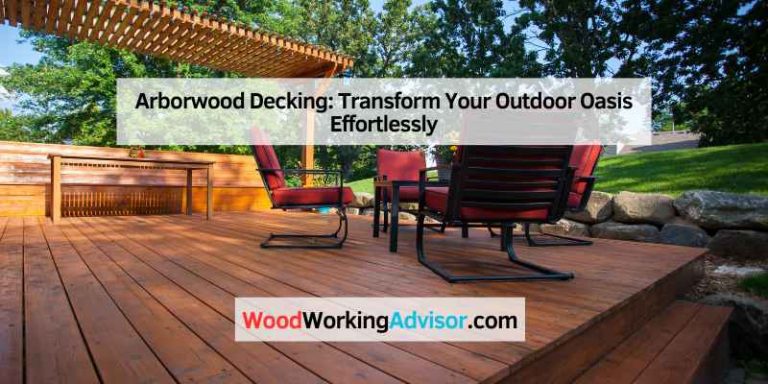
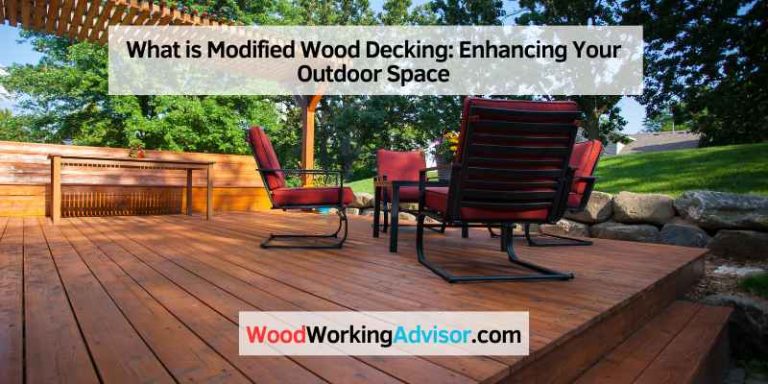
A pergola is a fantastic starting point for a covered deck. It offers partial shade and a lovely architectural element without feeling enclosed. The open slatted roof allows sunlight to filter through, creating beautiful dappled patterns. It’s excellent for climbing plants like wisteria or ivy, adding natural beauty and extra shade as they grow. Many DIY kits are available, making this a very accessible project for beginners.
- Pros: Affordable, easy to install, visually light, great for climbing plants.
- Cons: Offers partial sun and rain protection only.
2. The Gable Roof Cover: Classic and Spacious
This is like adding a mini-roof to your deck, similar to a house roof. A gable roof offers excellent protection from sun and rain, creating a substantial, sheltered area. It’s a more permanent and robust solution that can dramatically increase your deck’s usability. The peaked design also allows for better water runoff and can accommodate ceiling fans or lighting fixtures easily.
- Pros: Excellent weather protection, classic look, good for lighting and ceiling fans.
- Cons: More complex to build than a pergola, requires more structural support.
For sturdy construction principles, you can refer to resources from organizations like the Fine Homebuilding for detailed framing techniques.
3. The Lean-To or Shed Roof Cover: Modern and Efficient
Also known as a mono-pitch roof, this design slopes in one direction. It’s a modern, clean, and often simpler-to-build option compared to a gable roof. A lean-to cover is perfect if your deck is adjacent to your house, as it attaches directly to the existing wall. This design is efficient for shedding water and can create a sleek, contemporary look. It also allows for good height, making the space feel open.
- Pros: Modern aesthetic, efficient water runoff, simpler construction, good for adjacent decks.
- Cons: May offer less headroom on one side depending on pitch.
4. The Screened-In Room: Bug-Free Bliss
Want to enjoy your deck without the annoyance of insects? A screened-in porch cover is the answer! This involves building a roof structure and then enclosing the sides with screens. You can opt for simple screens or more durable options like plexiglass. This creates a true outdoor room, perfect for dining, lounging, or even sleeping on warm nights. Imagine enjoying a meal outdoors without swatting flies!
- Pros: Keeps bugs out, extends usability into evenings.
- Cons: Can be more costly, requires regular screen maintenance.
5. Utility Covers: Simple and Functional
Sometimes, you just need basic overhead protection without all the fuss. A simple utility cover is a straightforward, often flat or gently sloped roof structure. It’s designed for pure functionality – providing shade and rain cover. This option is generally more budget-friendly and quicker to build, making it ideal if your main goal is shelter.
- Pros: Cost-effective, quick to build, highly functional.
- Cons: Less decorative than other options.
Key Considerations Before You Build
Before diving into your project, there are a few important factors to think about:
1. Local Building Codes and Permits
This is super important for any construction project. You’ll likely need a permit from your local municipality, especially if your covered deck is a significant structure or attached to your house. These codes ensure your deck is built safely and up to standard. Don’t skip this step! A quick call to your local building department can save you a lot of trouble down the line. You can often find information on deck construction and safety regulations from the International Code Council (ICC).
2. Deck Size and Placement
Measure your existing deck carefully. How much of it do you want to cover? Where will the support posts go to avoid obstructing your main deck area? Consider how the covered portion will flow with your home’s layout and your yard. Think about sunlight throughout the day – where do you want shade and when?
3. Material Choices
Wood is a classic for a reason. Pressure-treated pine is a common and affordable choice, designed to withstand the elements. Cedar and redwood offer natural beauty and resistance to rot and insects but come at a higher price point. For the roofing material, you can use wood planks (shingles), metal roofing, polycarbonate panels, or even fabric awnings for a more temporary solution.
4. Budgeting
Be realistic about costs. Your budget will influence the size, materials, and complexity of your covered deck. Get quotes for lumber, roofing, and any hardware you’ll need. Don’t forget to factor in the cost of permits and potential tool rentals if you don’t have them already.
5. DIY vs. Professional Help
Assess your comfort level with DIY projects. Simple pergolas or basic lean-to covers can be great DIY challenges. For more complex designs like a full gable roof attached to your house, you might consider hiring a professional contractor, especially if structural integrity is a concern. Remember, safety first!
Essential Tools for Your Covered Deck Project
Having the right tools makes any woodworking project smoother and safer. Here’s a basic list of what you might need for building a covered wood deck:
- Tape Measure
- Pencil
- Level (a long one is very helpful)
- Circular Saw or Miter Saw (for precise cuts)
- Drill/Driver with various bits
- Hammer
- Safety Glasses
- Work Gloves
- Ladder or Scaffolding
- Spade or Post Hole Digger (if adding new posts)
- Speed Square or Combination Square
- Clamps
Always ensure your tools are in good working order and that you understand how to use them safely. For basic tool safety, resources like the Occupational Safety and Health Administration (OSHA) offer valuable guidance.
Simplified Steps to Building a Basic Covered Deck Structure
Let’s break down the process for a common type of cover, like a simple lean-to or gable roof attached to your house. Remember to adapt these steps based on your chosen design.
Step 1: Planning and Layout
Confirm your design, measurements, and materials. Mark out the locations for any new support posts on your deck or ground. Use stakes and string lines to visualize the footprint of your covered area and check for squareness and level.
Step 2: Installing Support Posts (If Needed)
If your design requires posts beyond the house attachment, dig post holes below the frost line in your area (check local codes for depth). Set your pressure-treated posts in concrete, ensuring they are plumb (perfectly vertical) and at the correct height using your level. Allow the concrete to cure fully.
Step 3: Attaching Ledger Boards/Beams
This is how the roof structure connects to your house or existing posts. A ledger board is typically attached directly to your house’s rim joist. Ensure it’s level and securely bolted, using appropriate flashing to prevent water intrusion against your house siding. If building a freestanding structure or connecting to existing posts, you’ll install beams that will support your rafters.
Step 4: Installing Rafters
Rafters are the angled beams that form the shape of your roof. They will span from your ledger board/beam to the outer edge of your covered area. Measure and cut your rafters accurately. You’ll typically attach them to the ledger board with hurricane ties or structural screws and rest them on the beam or the outer edge of your house.
Step 5: Adding Roof Sheathing/Decking
This is the surface that will go over your rafters. Depending on your roofing material, this could be plywood, OSB (oriented strand board), or even wood planks. Ensure it’s securely fastened to the rafters. You might want to build a slightly angled roof to ensure water runs off easily.
Step 6: Installing Roofing Material
This is your final weatherproofing layer. Install your chosen roofing material according to the manufacturer’s instructions. This could involve laying asphalt shingles, metal panels, or polycarbonate sheets. Always ensure proper overlap and sealing to prevent leaks.
Step 7: Finishing Touches
Add any trim boards, fascia, soffits, or decorative elements. If you’re building a screened-in room, this is when you’d install the screen frames. Consider adding guttering to direct water away from the deck and your home’s foundation.
Covered Wood Deck Design Elements to Enhance Your Space
Once the basic structure is up, you can think about how to make your covered deck both beautiful and functional. Here are some ideas:
Lighting
Good lighting extends your deck’s usability into the evening.
- String Lights: Create a festive and cozy ambiance.
- Recessed Pot Lights: Offer a cleaner, more integrated look.
- Wall Sconces: Provide targeted light and can enhance security.
- Post Cap Lights: Add a subtle glow along the edges.
Fans
Ceiling fans under a covered deck are a lifesaver on hot, still days. They circulate air, making the space feel significantly cooler and more comfortable.
Furnishings
Choose comfortable and durable outdoor furniture. Consider weather-resistant fabrics and materials. A well-placed outdoor rug can define the space and add comfort underfoot. You can also add outdoor curtains for extra shade and privacy.
Paint or Stain
Protect your wood and enhance its beauty with a quality exterior stain or paint. Choose colors that complement your home’s exterior. Regular maintenance is key to keeping your wood looking great for years.
Heating Elements
For year-round use, consider adding outdoor heaters or even a small outdoor fireplace or fire pit (ensure proper safety clearances!).
A Table of Material Pros and Cons
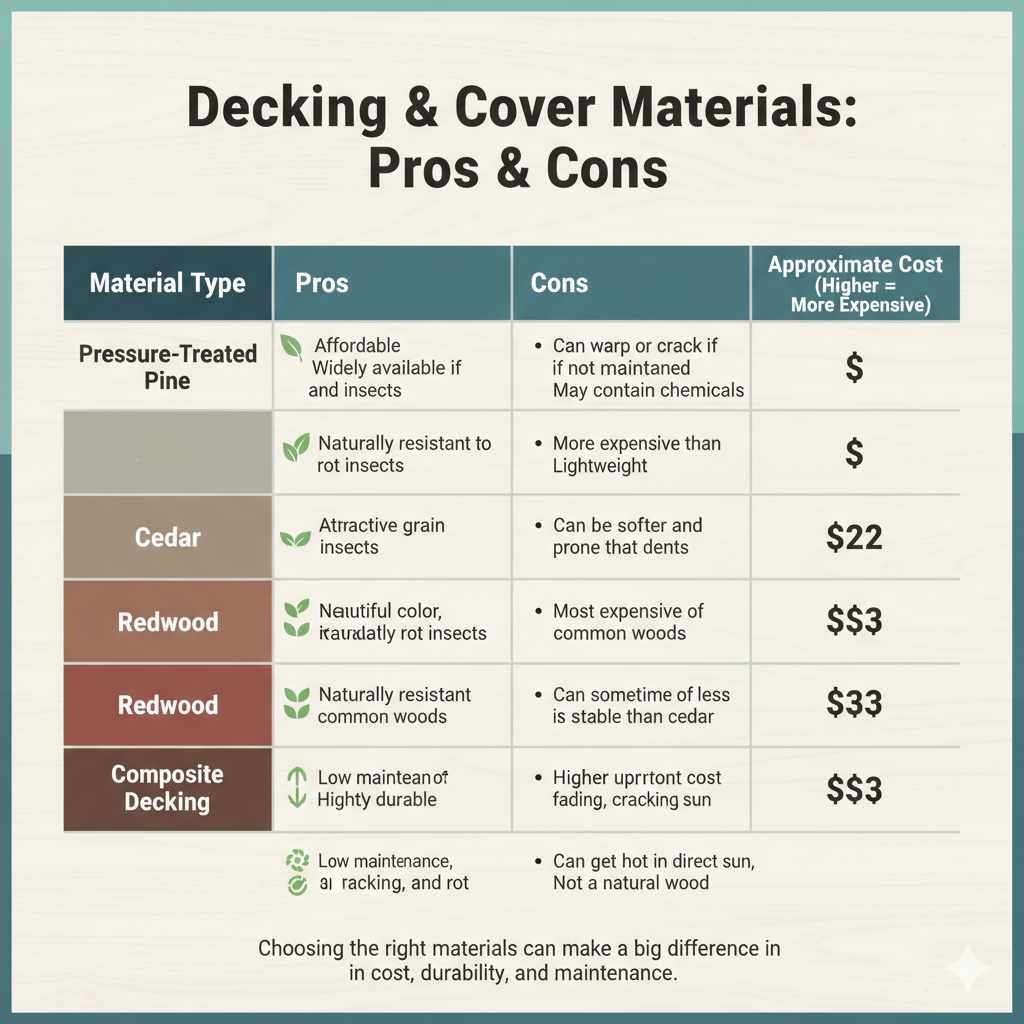
Choosing the right materials can make a big difference in cost, durability, and maintenance. Here’s a comparison of common wood types for decks and covers:
| Wood Type | Pros | Cons | Approximate Cost (Higher = More Expensive) |
|---|---|---|---|
| Pressure-Treated Pine | Affordable, widely available, resistant to rot and insects. | Can warp or crack if not maintained, may contain chemicals. | $ |
| Cedar | Naturally resistant to rot and insects, attractive grain, lightweight. | More expensive than pine, can be softer and prone to dents. | $$ |
| Redwood | Beautiful color, naturally resistant to rot and insects, durable. | Most expensive of the common woods, can sometimes be less stable than cedar. | $$$ |
| Composite Decking | Low maintenance, highly durable, resistant to fading, cracking, and rot. | Higher upfront cost, can get hot in direct sun, not a natural wood. | $$$ |
Frequently Asked Questions (FAQ)
Q1: Do I need a permit for a covered deck?
A1: In most areas, yes. Local building codes dictate when permits are required, often based on the size, height, and structural changes involved with a covered deck. It’s always best to check with your local building department.
Q2: How much does a covered wood deck cost?
A2: Costs vary widely depending on size, materials, complexity of the design, and whether you DIY or hire professionals. A simple pergola might cost a few hundred dollars for materials, while a fully enclosed, custom-built gable roof deck could range from several thousand to tens of thousands of dollars.
Q3: What’s the easiest covered deck to build for a beginner?
A3: A simple pergola or a basic lean-to roof structure are generally the easiest for beginners. Many kits are available for pergolas, which simplifies the process considerably.
Q4: How do I prevent my covered deck from rotting?
A4: Use pressure-treated lumber for structural components, especially anything in contact with the ground. Apply a good quality exterior stain or sealant to all wood surfaces regularly (typically every 1-3 years). Ensure proper drainage so water doesn’t pool on the deck.
Q5: Can I attach a covered roof to my existing deck?
A5: Yes, you can. This often involves attaching a ledger board to your house and building a roof structure that extends over the deck. It’s crucial to ensure this attachment is done securely and properly flashed to prevent water damage to your home.
Q6: What kind of roofing material is best for a covered deck?
A6: The “best” depends on your budget and aesthetic. Wood shingles offer a classic look. Metal roofing is durable and sheds snow well. Polycarbonate panels are lightweight, allow light through, and are great for rain protection. Asphalt shingles are a common and more affordable option.
Q7: How do I ensure my covered deck is safe?
A7: Always follow local building codes. Use appropriate hardware (structural screws, joist hangers, hurricane ties). Ensure any posts are set in solid footings. If attaching to your house, make sure the ledger board is properly secured and flashed. If you’re unsure about structural aspects, consult a professional or competent builder.
Conclusion
Creating a covered wood deck is a rewarding project that significantly enhances your home’s enjoyment and value. Whether you opt for the airy charm of a pergola, the robust protection of a gable roof, or the bug-free retreat of a screened room, there’s an idea to suit every need and skill level. By planning carefully, adhering to safety standards, and choosing the right materials, you can build a beautiful and functional outdoor space that you and your family will enjoy for many years to come. So, grab your tools and start envisioning your perfect covered retreat!