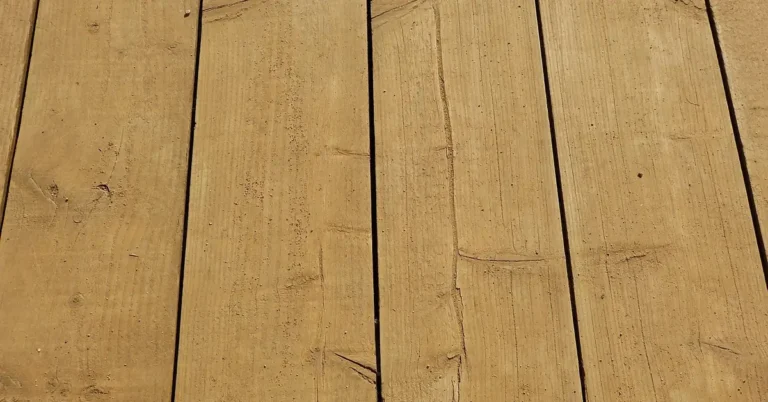
How to Clean a Wooden Deck (Oxygen Bleach Method)
Sweep off loose debris, then wet the deck and scrub it with an oxygen-bleach cleaner (not chlorine bleach) using a stiff-bristle brush, working in the direction of the grain. Rinse thoroughly, let the wood dry for 24-48 hours, and if you’re going to stain or seal afterward, follow up with an acidic deck brightener first – oxygen bleach leaves the wood’s pH too high for a new finish to grip evenly.
Md Meraj here. Most “clean your deck” guides stop at the scrub-and-rinse step, which is why so many decks end up with a blotchy, uneven stain job a week later – the wood was clean but never properly prepped. Below is the full process, including the exact oxygen-bleach ratio I use, the spot-treatment trick for stubborn mildew, and why a pressure washer causes more damage than the mold ever did if you don’t handle it correctly.
Note: this guide is for bare or weathered decking, and for cleaning as prep before a new stain or sealer. If your deck already has stain or sealer on it and you just want to clean it without stripping that finish, our guide to cleaning a stained deck without ruining the wood covers that instead.
Why a Dirty Deck Is More Than a Cosmetic Problem
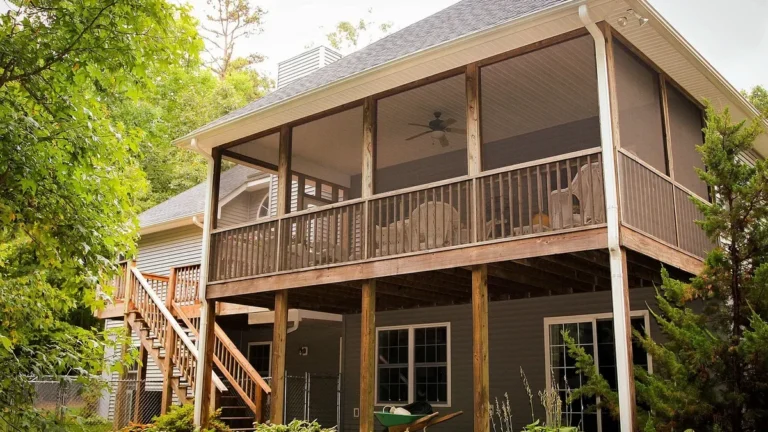
A wood deck sits exposed to rain, sun, falling leaves, and standing moisture in a way almost no other part of your house does. Left alone, that buildup does more than look bad:
- Trapped moisture rots wood. Leaves and dirt hold water against the boards, and that’s exactly the environment mold, mildew, and eventually wood rot need to take hold.
- Algae makes the deck dangerous. Shaded, damp boards grow a thin algae film that’s nearly invisible dry but turns into a slip hazard the moment it rains.
- Grime blocks new finish. Stain and sealer can’t bond to a dirty or mildewed surface – it just sits on top of the film and peels within a season.
- Small stains become permanent. Pollen, tannin from leaves, and pet messes etch into the wood grain the longer they sit.
None of this requires expensive equipment to fix – it requires the right cleaner, the right technique, and doing the steps in the right order.
Our Pick for Mold & Mildew on Decks
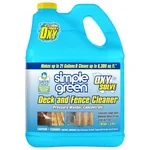 |
Simple Green Oxy Solve Deck & Fence Cleaner – $23.99 A peroxide-based (oxygen bleach) concentrate that matches the exact cleaning method in this guide – no chlorine bleach to dry out the wood fibers.
|
How Often to Clean a Wood Deck
- Deep clean: once or twice a year. Spring, before the deck sees heavy summer use, and fall, before leaves pile up over winter.
- Light sweep: every week or two. Clearing loose leaves and pollen before they trap moisture makes the deep clean much faster.
- Spot clean: immediately. Drink spills, food, oil, and pet messes should be wiped up the same day – that’s the difference between a quick wipe and a permanent stain.
Shaded decks under trees, or ones in humid climates, often need a light mold-and-mildew treatment two or three times a year instead of one – the boards simply don’t get enough sun to dry out between rains.
What You’ll Need
Tools
- Stiff-bristle deck brush (never metal – it leaves particles that rust and stain) or a stiff broom for sweeping
- Garden hose with a spray nozzle
- A 2-gallon bucket for mixing solution
- Rubber gloves and safety glasses
- Plastic sheeting to protect nearby plants and grass
Cleaner
Skip chlorine bleach. It’s the default reach for a lot of people, but sodium hypochlorite breaks down the lignin that holds wood fibers together, which is why bleached decks eventually feel fuzzy or soft on the surface. It also kills the grass and plants around the deck and does nothing for ground-in mildew stains – it just lightens them.
Use an oxygen-bleach cleaner instead. Oxygen bleach (sodium percarbonate, sold as powder or in ready-mixed concentrates like Oxy Solve or OxiClean) uses hydrogen peroxide to break down mold, mildew, and algae without attacking the wood fiber or bleaching the natural color as aggressively. A basic mix: 2 gallons of warm water, 2 cups of oxygen bleach powder, and ¼ cup of ammonia-free dish soap. If you’re dealing with heavy mildew staining, adding 1 cup of borax to that mix helps lift the stain rather than just killing the growth. Never combine any of this with chlorine bleach – mixing the two releases chlorine gas.
Step-by-Step: Cleaning the Deck
1. Clear and Sweep
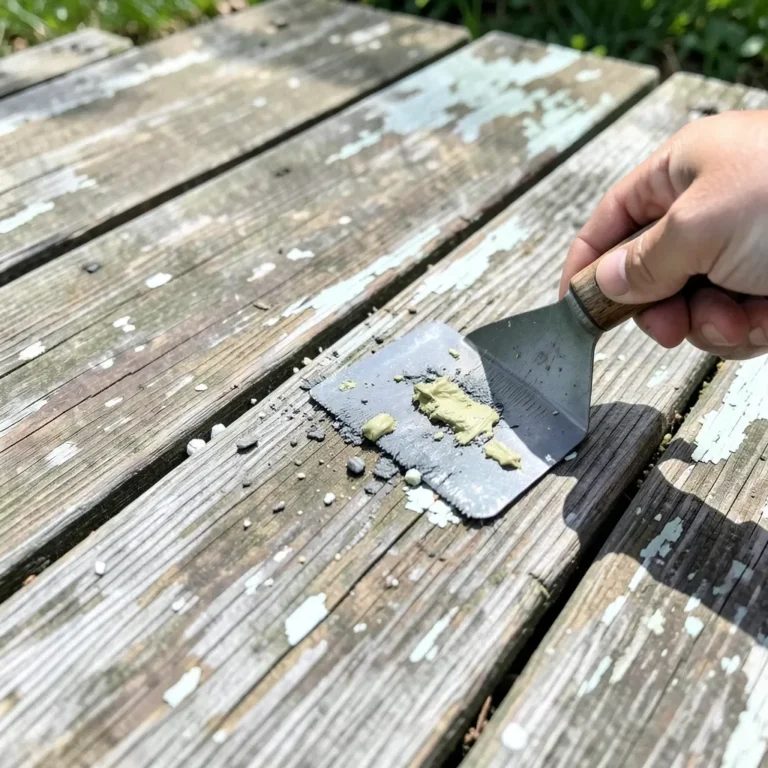
Move furniture, planters, and rugs off the deck. Sweep every board, paying attention to the gaps between them where leaves and dirt build up out of sight. Scrape off any hardened mud or paint splatter with a plastic scraper – a metal one can gouge the surface.
2. Pre-Wet the Whole Surface
Hose down the entire deck, including railings and steps, before applying anything. A dry board absorbs cleaner unevenly and dries the solution too fast to work, which leaves streaks. Wetting nearby plants first also makes them more resistant to any overspray.
3. Apply the Cleaner in Sections
Work one 4-to-6-board section at a time rather than the whole deck at once – on a warm day, oxygen bleach solution can dry before you’ve had a chance to scrub it in, and dried cleaner leaves its own residue marks. Pour or spray the mix on, then let it sit 5-10 minutes so the peroxide has time to break down grime before you start scrubbing.
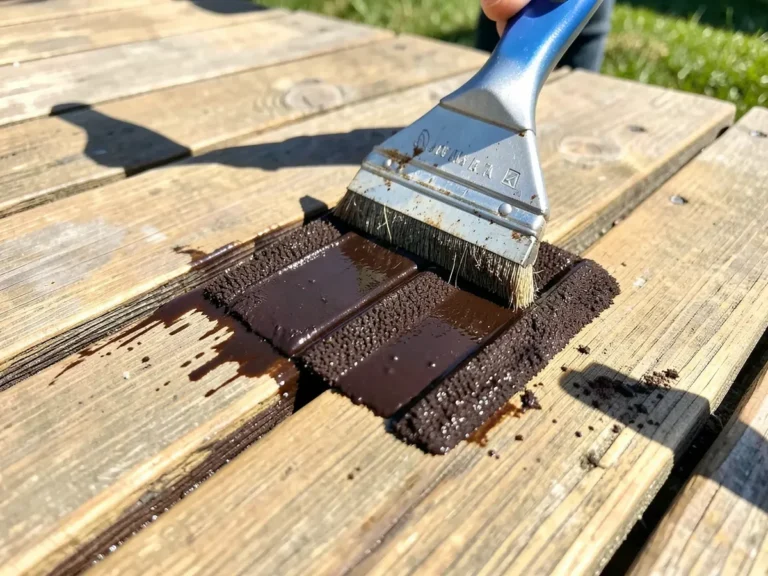
For a stubborn mildew spot instead of a whole-deck clean: mix oxygen bleach powder with a little warm water until it forms a paste about the consistency of cake batter, spread it directly onto the stain, and leave it for 15 minutes before scrubbing. The thicker paste stays put on a vertical railing or a single dark spot instead of running off.
4. Scrub With the Grain
Scrub in the direction of the wood grain, not across it – cross-grain scrubbing is what raises the fuzzy, splintery texture people mistake for normal wear. Use even, moderate pressure; oxygen bleach is doing the chemical work, the brush just needs to lift what’s already loosened.
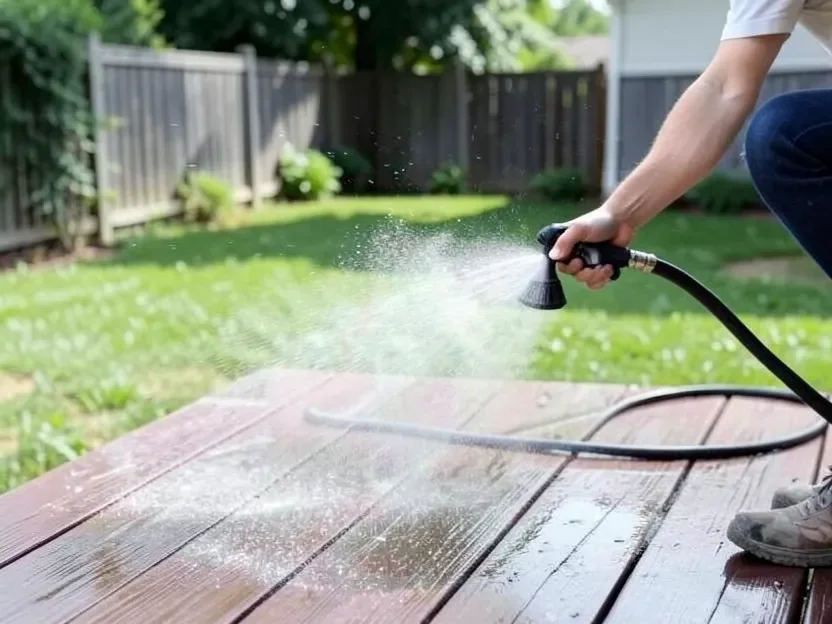
5. Rinse Thoroughly, Top to Bottom
Rinse from the highest point of the deck downward so dirty runoff doesn’t re-deposit on boards you’ve already cleaned. Any leftover cleaner residue attracts new dirt and can interfere with stain later, so rinse longer than feels necessary.
If you use a pressure washer for this step, this is where most damage happens. Too high a PSI or holding the nozzle too close gouges the wood fibers – especially on softer woods like pine, cedar, or redwood – leaving grooves that trap even more dirt afterward. Use a 25-40° fan-tip nozzle (never a 0° pinpoint tip), keep it 12-18 inches from the surface, and keep the wand moving constantly. Lingering in one spot for even a few extra seconds is enough to leave a visible track in soft wood. On harder woods like ipe or teak you have a bit more margin, but the same rule applies: keep moving, don’t creep the nozzle in closer to “help” a stubborn spot.
6. Let It Dry Completely
Give the deck 24-48 hours to dry fully before walking on it regularly or applying any finish. Humid or shaded decks can take longer – press a fingertip into a board in a low-traffic spot; if it feels cool or damp, it’s not ready.
The Step Most Guides Skip: Neutralize the Wood Before Sealing
Oxygen bleach is gentler than chlorine bleach, but it’s still an alkaline (high-pH) cleaner, and stain doesn’t absorb evenly into wood that’s still alkaline – you’ll get the blotchy, darker-in-some-spots look even on a deck that looks perfectly clean. If you’re cleaning specifically to prep for a new stain or sealer, follow the oxygen-bleach wash with an acidic deck brightener (sold separately, usually oxalic-acid based). It neutralizes the pH, re-opens the wood grain the cleaner closed back up, and restores the wood’s natural color if the sun has grayed it. Apply it after the deck has dried from cleaning, following the product’s dwell time, then rinse and let the deck dry again before staining.
This step isn’t necessary if you’re just cleaning for appearance and not planning to refinish – but skip it before a stain job and you’re very likely to see uneven color within the first few weeks. If you’re not sure which product to put on the deck once it’s clean and neutralized, see our breakdown of the difference between a deck stain and a deck sealer before you buy.
Matching the Cleaning Method to Your Wood and Problem
Routine Grime
Mild dish soap and water, or a 1:1 vinegar-and-water solution, is enough for everyday dirt and dust. Save the oxygen bleach for actual mold, mildew, or staining – it’s more effective than it needs to be for light dirt.
Mold, Mildew, and Algae
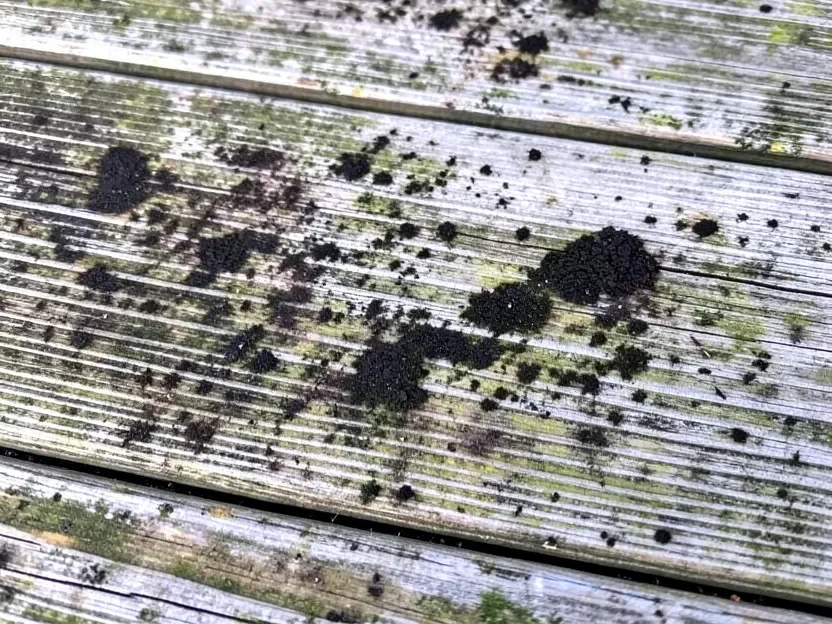
This is oxygen bleach’s job. For a full-deck outbreak, use the bucket mix above; for isolated dark spots, use the paste method. Severe, longstanding mold may need two treatments a few days apart. If you’re dealing specifically with stubborn black mold rather than general mildew, our black mold removal guide has the safe bleach-dilution ratios in more depth.
Grease, Rust, and Pet Stains
- Grease or oil: Blot fresh spills with sawdust or cat litter to soak it up before it sets, then treat with a degreaser made for decks.
- Rust (usually from metal furniture legs): An oxalic-acid rust remover made for decks – oxygen bleach won’t touch rust stains.
- Pet stains: Clean promptly with mild soap or a biological-stain deck cleaner before it etches in.
Soft Woods (Pine, Cedar, Redwood) vs. Hardwoods (Ipe, Teak)
Soft woods scratch and gouge easily – stay gentle, keep pressure washers on a low setting with a fan tip, and lean on hand-scrubbing for anything stubborn. Hardwoods tolerate stronger cleaners and firmer scrubbing, but “tolerates it” isn’t the same as “needs it” – start mild and step up only if the wood needs it, and always test any new product on a hidden corner first.
Mistakes That Do More Damage Than the Dirt
- Chlorine bleach. Breaks down wood fiber and kills surrounding plants.
- A pressure washer held too close or set too high. The single most common way a “cleaning” job leaves a deck looking worse – gouged, fuzzy, or splintered boards that then trap even more dirt.
- Metal-bristle brushes. Scratch the surface and leave metal particles that rust into stains.
- Letting cleaner dry on the wood. Leaves streaks and can etch the surface – work in sections and keep it wet until you rinse.
- Sealing a deck that isn’t fully dry. Trapped moisture under a new finish causes peeling and blistering within a season.
- Skipping the brightener before staining. Leads to blotchy, uneven color even on a deck that looked clean going in.
For more background on how moisture and finish interact with exterior wood, the Building Science Corporation has useful technical resources on wood durability and finishing.
Frequently Asked Questions
How do I remove black spots from my wooden deck?
Black spots are almost always mold or mildew. Sweep the area, apply an oxygen-bleach cleaner (or the paste method for a concentrated spot), scrub gently with the grain, and rinse well. Keep the area as dry as possible afterward – if it’s a shaded spot that stays damp, the spot will likely return without better airflow or drainage underneath the deck.
Can I use a pressure washer on my deck?
Yes, but carefully. Use a wide fan-tip nozzle (25-40°), keep the wand 12-18 inches from the surface, use a moderate PSI setting, and keep it moving constantly – lingering in one spot is what gouges the wood. Softer woods like pine and cedar are especially easy to damage this way. If you’re not confident in your technique, a garden hose and stiff brush get the job done just as well with zero risk of gouging.
Do I need to do anything to the deck after cleaning it, before I stain it?
Yes – let it dry fully (24-48 hours), then apply an acidic deck brightener if you cleaned with oxygen bleach. The brightener neutralizes the alkaline residue oxygen bleach leaves behind, which helps stain absorb evenly instead of going on blotchy.
Sponsored / affiliate links. As an Amazon Associate I earn from qualifying purchases. I may earn additional commission from eligible campaigns.