Fire-Proof Decking: No Material Is Truly Fireproof, But These Come Close
No decking material is truly fireproof — “fire-resistant” and “ignition-resistant” are the accurate terms, meaning a material slows flame spread and resists ignition from embers rather than being immune to fire entirely. The real standards behind these claims are specific and testable: ASTM E84 flame spread ratings and, in California wildfire zones, the state’s own Chapter 7A ember-exposure testing — not a marketing term.
What “Fire Rating” Actually Means
For Treating Existing Bare Wood, Not Code-Compliance Alone
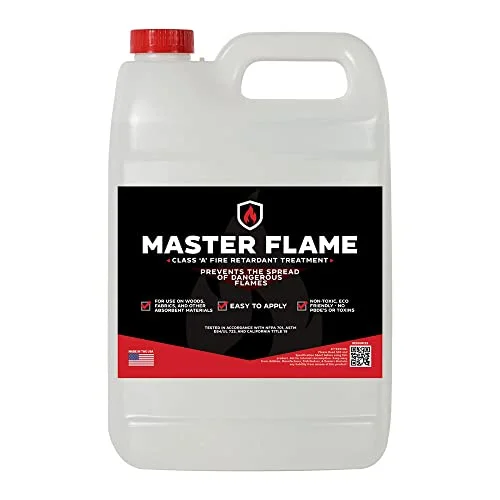 |
Master Flame Class A Fire Retardant, 1 Gallon – $64.99 SGS-tested to ASTM E84 with a Flame Spread Index of 15 (Class A/I) — meets NFPA 701, applied to bare, unfinished wood.
|
ASTM E84 (the standard tunnel test for surface burning characteristics) produces a Flame Spread Index: Class A covers a score of 0-25, Class B covers 26-75, and materials scoring above that fall into lower classes not typically recommended for fire-exposed applications. Class A is the rating to look for on any product marketed as fire-resistant decking — it’s a real, independently testable number, not a subjective label. In California’s Wildland-Urban Interface (WUI) zones specifically, Chapter 7A of the state building code goes further: decking within 5 feet of a structure must use ignition-resistant materials tested under the state’s own SFM 12-7A-4A protocol, which simulates ember exposure and radiant heat more directly than the ASTM tunnel test alone. A product can carry a Class A rating without being SFM 12-7A-4A listed, so check which standard actually applies to your jurisdiction before assuming a Class A label alone satisfies a WUI code requirement.
Materials That Actually Achieve Class A
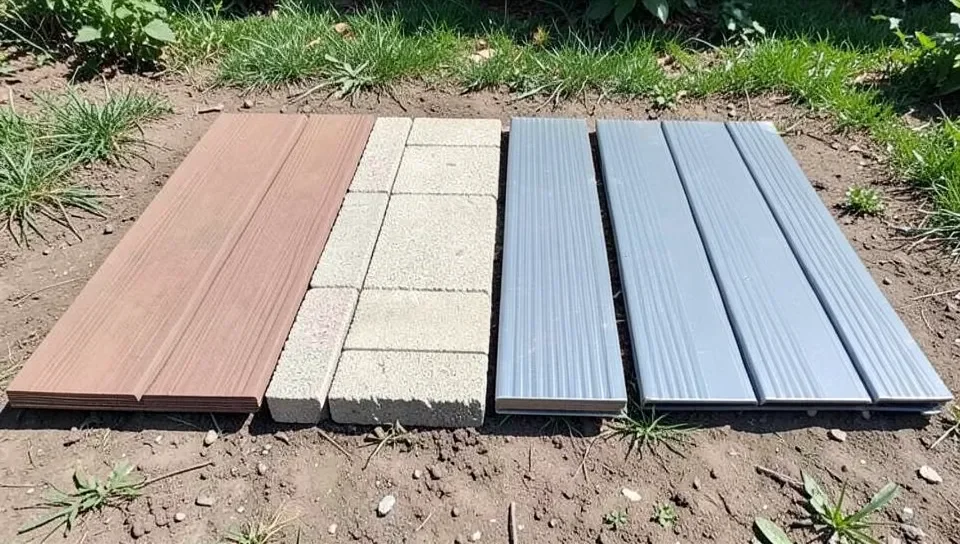
- Non-combustible materials (concrete, tile, metal decking): the most straightforward option since there’s no combustible wood cellulose to ignite in the first place — naturally compliant with the strictest requirements.
- Ipe and other dense tropical hardwoods: naturally achieve a Class A flame spread rating without chemical treatment, due to their high density and low resin content — a real, verifiable property, not a marketing claim.
- Advanced PVC/capped composite lines: several manufacturers’ premium composite and PVC decking lines are Class A rated and specifically listed as WUI-compliant — check the specific product’s documentation, since this varies by line within the same brand, not guaranteed across an entire manufacturer’s catalog.
- Fire-retardant-treated (FRT) lumber: standard wood pressure-treated with a fire-retardant chemical to achieve Class A performance — a genuine option, though the treatment is a manufacturing process (not something reliably achieved by a surface spray on installed decking after the fact).
What A Surface Treatment Can And Can’t Do
A Class A fire-retardant spray or coating (like the product above) is a real, independently-tested way to reduce flame spread on bare, unfinished wood — but it’s a treatment for existing wood, not a substitute for a WUI-listed decking assembly where code specifically requires one. It also won’t penetrate wood that’s already painted, stained, or sealed, since the retardant needs to soak into the wood’s absorbent cellular structure to work. If your jurisdiction requires SFM 12-7A-4A-listed decking specifically, check with your local building department before assuming a field-applied treatment satisfies that requirement — it’s a genuine risk-reduction measure, not automatically code-equivalent to a listed product.
Real Cost Considerations
| Material | Typical Cost Range (installed, per sq ft) | Fire Performance |
|---|---|---|
| Standard wood decking | $8 – $15 | Combustible — needs FRT treatment or a fire-retardant coating to improve rating |
| Standard composite decking | $20 – $40 | Varies by line — not all composite is Class A rated |
| Class A / WUI-listed composite or PVC | $25 – $45+ | Class A, some lines SFM 12-7A-4A listed |
| Metal decking | $20 – $40 | Non-combustible |
| Concrete/tile | $15 – $30 | Non-combustible |
These are general market ranges — get an actual quote for your project and confirm the specific product’s fire rating and WUI listing status directly with the manufacturer, since this is exactly the kind of detail that varies between product lines from the same company. Insurance in high-fire-risk areas increasingly factors in a property’s defensible-space and ignition-resistant-material compliance, which can make the cost premium for a properly rated deck a real factor in coverage or premium terms — confirm with your insurer rather than assuming any specific discount.
Defensible Space Matters As Much As The Decking Itself
A Class A deck attached to a house surrounded by dry brush, stacked firewood, or debris-clogged gutters loses much of its practical benefit — wildfire research consistently points to embers landing on and igniting adjacent combustible material (leaf litter under the deck, mulch against the house, patio furniture cushions) as a major real cause of home loss in wildfire events, not just the decking material itself burning through. Clearing debris from under and around the deck, keeping gutters clean, and maintaining the broader defensible-space zone recommended for your region does more for actual fire safety than the decking material choice alone — the material rating and the surrounding site maintenance work together, and neither substitutes for the other.
Frequently Asked Questions
What is fireproof decking made from?
Non-combustible materials (concrete, tile, metal), naturally dense hardwoods like Ipe, fire-retardant-treated lumber, and select Class A-rated composite or PVC decking lines. No material is literally immune to fire — “fire-resistant” or “ignition-resistant” are the accurate terms.
How does fireproof decking work?
Either the material itself doesn’t burn (concrete, metal, tile), or it’s engineered/treated to slow flame spread and resist ember ignition, measured by a Flame Spread Index under ASTM E84 testing (Class A = 0-25) and, in California WUI zones, additional ember-exposure testing under SFM 12-7A-4A.
Is fireproof decking expensive?
Yes, generally — Class A-rated and WUI-listed decking products typically cost more than standard wood or composite, though the exact premium varies by material and manufacturer. Insurance considerations in high-fire-risk areas can offset some of that cost difference.
Conclusion
“Fireproof decking” really means Class A-rated (ASTM E84 flame spread 0-25) or, in California wildfire zones, SFM 12-7A-4A-listed ignition-resistant material — specific, testable standards, not a marketing claim. Whether that’s non-combustible material, naturally dense hardwood, or a treated/rated composite depends on your budget and what your local code actually requires, which is worth confirming with your building department before buying.
Sponsored / affiliate links. As an Amazon Associate I earn from qualifying purchases. I may earn additional commission from eligible campaigns.