20-ft Composite Deck Boards Price: $45 to $65 Per Board
20-ft composite deck boards cost $45 to $65 per board in the USA, or about $2.25 to $3.25 per linear foot. Brand, color, and board type (solid vs. grooved) can swing that price by $10 or more per board, and skipping a bulk order of 56-plus boards leaves savings on the table. This guide breaks down what drives the cost, the hidden expenses like fasteners and permits, and how to save money on a full 20-ft composite deck board project.
What Are Composite Deck Boards?
Best Hidden Fastener Pick
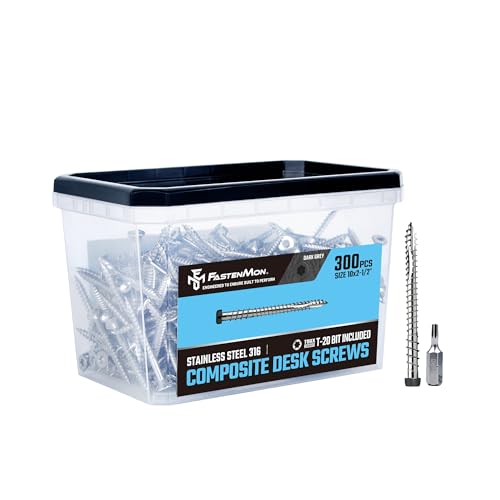
Hidden Deck Fasteners (500-Pack) – $59.99
Covers roughly 250 sq. ft. of decking — sized for the $100 to $300 hidden-fastener range this guide’s Fasteners and Hardware section calls out for a full project.
- Best for: A single 20-ft composite deck board section or mid-size project
- Why we picked it: Falls inside the $100–$300 hidden-fastener budget this guide flags above
- Main drawback: Coverage tops out around 250 sq. ft., so larger decks need a bigger pack
Compare more hidden deck fastener options
 Option 1 Hidden Deck Fasteners (430-Pack) – $36.99
|
 Option 2 Hidden Deck Fasteners (1000-Pack) – $139.99
|
 Option 3 Hidden Deck Fasteners (900-Pack) – $233.60
|
As an Amazon Associate we earn from qualifying purchases.
Composite deck boards are, at their core, a blend of recycled wood fibers and plastic. This mix gives you the best of both worlds: the natural look of wood without the constant upkeep — no sanding, no staining, and no worrying about splinters or rot.
These boards are designed to last for decades, often 25 to 50 years, depending on the brand and how well you maintain them. They’re eco-friendly too, since many brands use recycled materials. Plus, they come in a ton of colors and textures, so you can customize your deck to match your style. But here’s the catch: that durability and low maintenance come at a price, and that’s what we’re here to explore.
Why Choose 20-ft Composite Deck Boards?
20-ft boards are popular because 20 feet is a standard length for decking projects. It’s long enough to cover larger spans without too many seams, which keeps the finished deck looking sleek. Fewer cuts mean less waste, which saves money, and 20-ft boards are widely available from most major brands. Need a shorter run instead? See pricing for 8-ft composite deck boards.
Longer boards also simplify installation — fewer joints to worry about and a cleaner finished look. But the length does affect the price, so let’s get into that next.
Factors That Affect the Price of 20-ft Composite Deck Boards
Several factors drive the cost of these boards, and understanding them can help you make smarter choices. Here’s what affects the price:
1. Brand Matters
Not all composite deck boards are created equal. Big-name brands like Trex, TimberTech, and Deckorators tend to charge more because they’ve built a reputation for quality. Their boards often come with longer warranties—sometimes up to 50 years—and advanced features like heat-mitigating technology or fade resistance. Smaller or lesser-known brands might be cheaper, but you could be sacrificing durability or aesthetics.
For example, Trex Select boards are priced differently from premium lines like Transcend. It’s all about the features you’re getting, so think about what matters most to you.
2. Board Type: Solid vs. Grooved
Composite deck boards come in two main types: solid and grooved. Solid boards are heavier and often used for edges or stairs. Grooved boards are designed for hidden fasteners, which give your deck a cleaner look. Grooved boards tend to be slightly more expensive because of the manufacturing process, but the price difference isn’t huge — usually a dollar or two per linear foot.
3. Color and Texture
Composite decking comes in a wide range of colors, from earthy browns to cool grays. Darker colors and variegated patterns (those with a multi-tone, wood-like look) often cost more since they’re more complex to produce, and some brands charge a premium for them. Lighter colors also tend to stay cooler in the sun, which matters in a hot climate like Texas or Arizona.
4. Location and Availability
Where you live in the USA can make a big difference in pricing. Prices in urban areas like New York or Los Angeles are often higher due to demand and shipping costs. Rural areas might have lower prices, but stock can be limited and delivery fees higher. It’s worth checking local suppliers versus big-box stores like Home Depot to compare deals.
5. Quantity and Bulk Discounts
Buying in bulk can save money — many retailers offer discounts once you buy a certain number of boards, say 56 or more, dropping the price per board by a few dollars. It’s worth asking about bulk deals if you’re building a large deck.
6. Quality and Features
Some composite boards come with extra perks, like enhanced UV protection or a thicker cap layer for better durability. These features add to the cost but can be worth it if you want a deck that looks great for years. Some boards are sold with “seconds quality” labels at a discount, but they might have minor imperfections. It’s a trade-off, so weigh your options carefully.
Average Price of 20-ft Composite Deck Boards in the USA
Now for the numbers. The price of 20-ft composite deck boards in the USA typically ranges from $45 to $65 per board, or about $2.25 to $3.25 per linear foot. Those are averages — prices can go higher or lower depending on the factors above. Here’s a quick breakdown:
| Brand | Board Type | Color/Finish | Price per 20-ft Board | Price per Linear Foot |
|---|---|---|---|---|
| Trex Select | Grooved | Pebble Gray | $51.98 | $2.60 |
| TimberTech Azek | Solid | Dark Teak | $60.00 | $3.00 |
| Deckorators | Square Edge | Ridgeline | $55.00 | $2.75 |
| Generic Brand | Grooved | Stone Gray | $45.80 | $2.29 |
These prices reflect typical listings at major retailers like Home Depot and smaller outlet and liquidation suppliers. Prices can change based on sales, location, or time of year — spring and summer tend to be peak seasons for decking, so off-season shopping often turns up better deals.
Hidden Costs to Consider
The board price is rarely the whole story once you start budgeting for a full deck — a few extra costs can sneak up. Here’s what to watch for:
1. Fasteners and Hardware
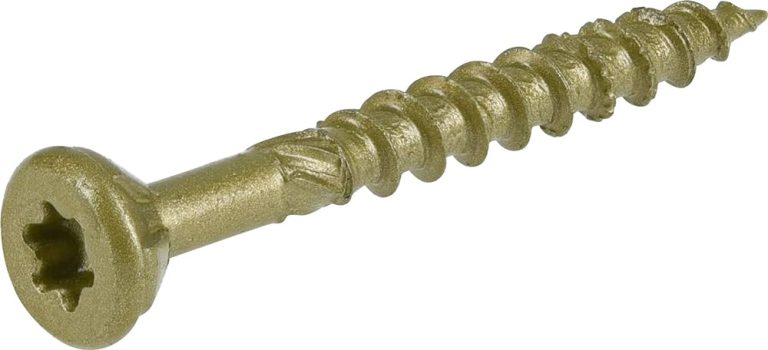
Composite deck boards often use hidden fasteners for a cleaner look, but these can cost $100 to $300 for a large project. Traditional screws are cheaper but don’t give the same polished, seamless finish.
2. Substructure Materials
The boards are just the surface of your deck. You’ll also need a substructure—think joists and beams. If you’re using pressure-treated wood, expect to spend $2 to $4 per linear foot for those materials. Steel framing is pricier but lasts longer, so it’s worth weighing against a wood substructure if long-term cost is the priority.
3. Labor Costs
Hiring a contractor is the other option. Labor costs can range from $8 to $22 per square foot, depending on where you live and the complexity of your deck. For a 20×20 deck, that could mean $3,200 to $8,800 just for labor. A common middle ground is DIYing the straightforward sections and hiring help for trickier parts like framing or stairs.
4. Permits and Regulations
Don’t forget about permits. Depending on local building codes, a permit can cost $100 to $500. It’s an extra step, but it keeps the project code-compliant — check with the local municipality to see what’s required.
5. Add-Ons and Accessories
Want railings, lighting, or a pergola? Those extras add up fast. Railings alone can cost $20 to $60 per linear foot, and lighting can run $200 to $800 for a full setup — solar-powered deck lights are a budget-friendly way to add ambiance without wiring costs.
How to Save Money on 20-ft Composite Deck Boards
Here are practical ways to keep costs down:
- Shop Around: Compare prices at big-box stores, local lumberyards, and online retailers. Liquidation and outlet centers can have great deals, but availability is often hit or miss.
- Buy in Bulk: As covered above, bulk discounts can shave a few dollars off each board. Plan your project carefully to know exactly how many boards you need.
- Look for Sales: Spring and fall are great times to find deals on decking materials — seasonal sales like Labor Day promotions can meaningfully cut the total cost.
- Consider Seconds Quality: If you’re okay with minor imperfections, “seconds quality” boards can be 20-40% cheaper. Just inspect them carefully before buying.
- DIY Where You Can: Doing some of the work yourself can save on labor costs. With basic tools and some research — tutorial videos cover most steps — homeowners can often handle the bulk of a composite deck installation.
Comparing Composite to Other Decking Materials
Here’s how composite stacks up against other common decking materials:
- Pressure-Treated Wood: This is the cheapest option, at $3 to $6 per square foot. But it requires regular maintenance—staining, sealing, and repairs—which adds ongoing weekend labor that composite avoids.
- Cedar or Redwood: These look gorgeous and cost $4 to $12 per square foot. They’re naturally resistant to rot but still need upkeep, which rules them out for anyone prioritizing low maintenance.
- Exotic Hardwoods (like Ipe): These are stunning but pricey, at $10 to $15 per square foot. They’re durable but tough to work with, making composite the more practical fit for most budgets and DIY skill levels.
- PVC Decking: This is 100% plastic and costs about the same as composite—$5 to $13 per square foot. It’s super durable but can feel less natural than composite’s wood-like look and texture.
Composite tends to win out because it balances cost, durability, and aesthetics. It’s not the cheapest upfront, but it saves money over time since it doesn’t need ongoing maintenance.
Estimating the Cost of a Full Deck Project
Most deck projects involve more than just the boards — a full outdoor space. For a 20×20 deck (400 square feet), here’s a rough cost breakdown:
- Decking Boards: 912 linear feet at $2.29 to $3.25 per foot = $2,088 to $2,964
- Substructure: $800 to $1,600 (wood) or $2,000 to $4,000 (steel)
- Fasteners/Hardware: $100 to $300
- Labor (if hired): $3,200 to $8,800
- Permits: $100 to $500
- Total: $6,288 to $17,964
This range depends on material choices and whether the work is DIY or hired out — projects done mostly DIY tend to land on the lower end of that range.
Why Composite Decking Is Worth It
Composite decking is worth the investment for most homeowners. It costs more upfront than wood, but the long-term savings are real: no annual staining, no replacing warped boards, and a warranty that gives peace of mind. It also adds curb appeal and resale value to a home.
Conclusion
Building a deck with 20-ft composite deck boards is a worthwhile project once the real cost is mapped out. Understanding the factors — brand, board type, and hidden costs — makes all the difference in planning a budget that holds up. Whether it’s a cozy deck for family barbecues or a sprawling outdoor oasis, composite decking offers durability and beauty that’s hard to beat.
Take time to shop around, look for deals, and don’t be afraid to tackle some of the work personally if that’s an option. A well-planned budget makes a 20-ft composite deck board project entirely manageable.
FAQs
What’s the average price of a 20-ft composite deck board?
The average price for a 20-ft composite deck board in the USA is $45 to $65, or about $2.25 to $3.25 per linear foot. Prices vary based on brand, color, and board type.
Are composite deck boards worth the cost compared to wood?
Yes — composite boards cost more upfront but last 25-50 years with minimal maintenance. Wood is cheaper initially but needs regular staining and repairs, which adds up over time.
Can I save money by buying composite deck boards in bulk?
Yes — many retailers offer discounts when you buy 56 or more boards at once, which can meaningfully lower the per-board price on a large project.
Do I need special tools to install 20-ft composite deck boards?
Not really — standard tools like a saw and drill are enough. Hidden fasteners make the job cleaner but aren’t required.
How do I know which brand of composite decking to choose?
It depends on budget and priorities. Trex and TimberTech are top picks for quality and warranties — getting samples to compare colors and textures before deciding is a smart step.
Sponsored / affiliate links. As an Amazon Associate I earn from qualifying purchases. I may earn additional commission from eligible campaigns.