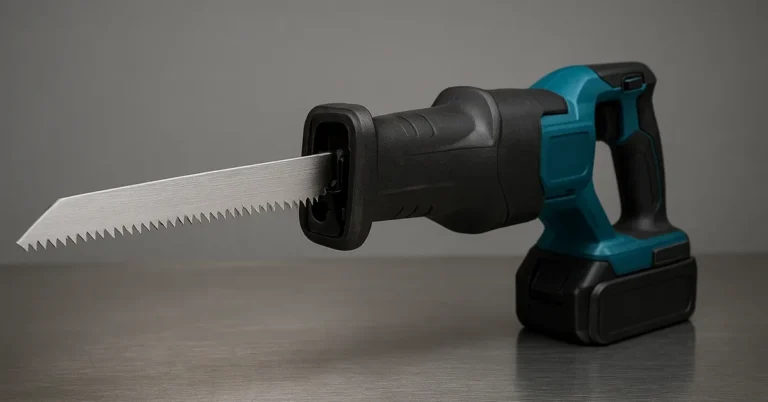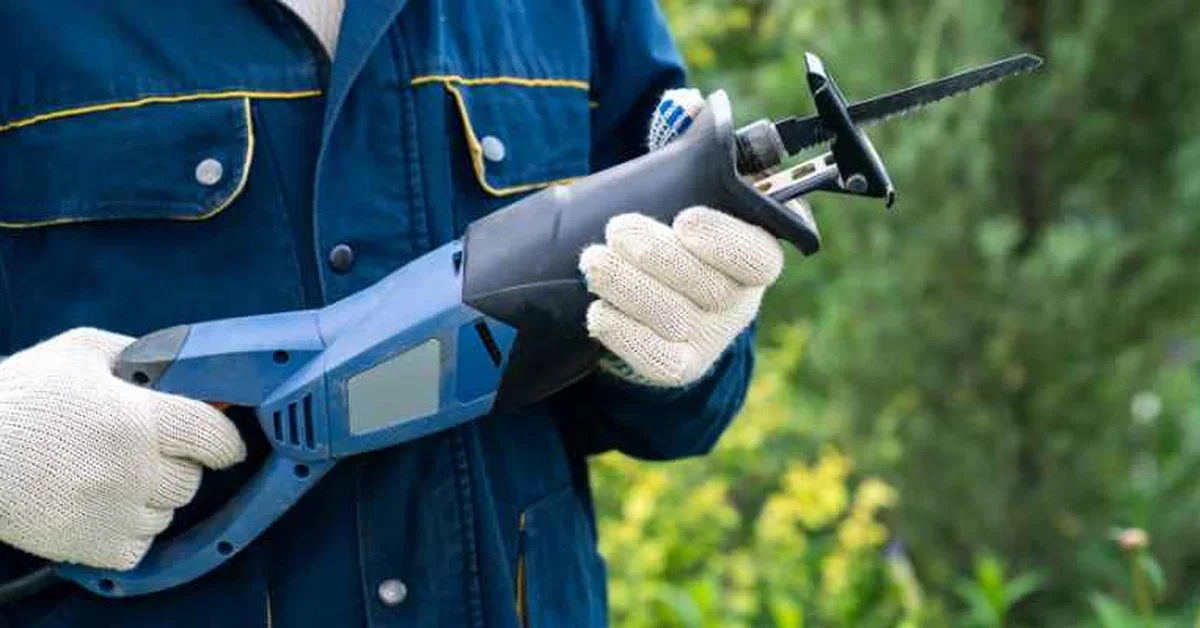
Can You Cut Cast Iron With a Sawzall? Yes, With This Blade
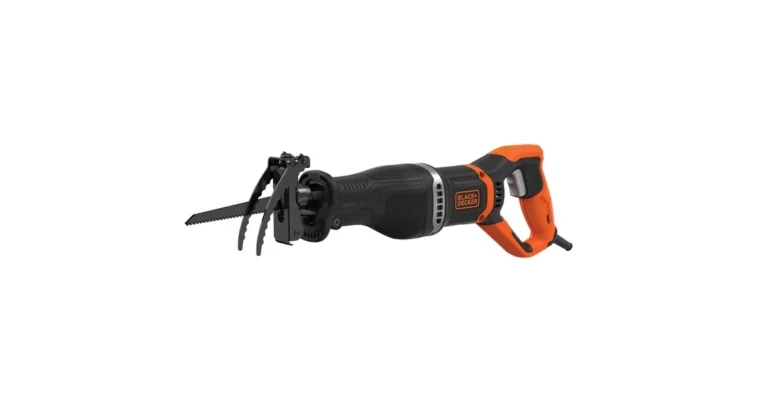
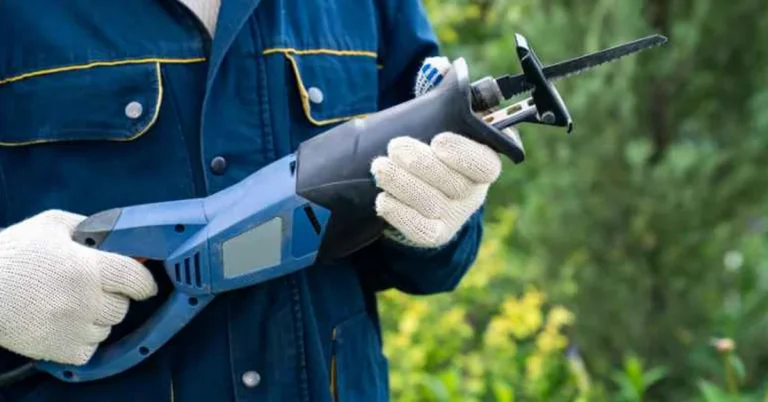
Yes, a reciprocating saw (Sawzall) can cut cast iron, but only if you swap in a metal-cutting blade first. A wood or general-purpose blade will go dull in a handful of strokes and can chip the cast iron instead of slicing it. With a carbide-tipped metal blade at a slow, steady pace, a reciprocating saw is one of the fastest ways to cut through cast iron pipe, an old radiator, or a stubborn fitting during a renovation or demo job.
Yes, You Can Cut Cast Iron With a Sawzall – Here’s the Blade That Actually Matters
Cast iron shows up constantly in older homes: drain-waste-vent (DWV) pipe, tub feet, decorative brackets, wood stove parts, old radiators. Because it’s brittle rather than soft, the blade you put in the saw matters more here than it does for wood or even mild steel. A cheap bi-metal wood/metal combo blade will cut cast iron eventually, but the abrasive grain in the metal dulls its teeth almost immediately. A carbide-tipped blade built for thick metal is the difference between one clean cut and burning through three blades on a single pipe.
If you don’t already own a reciprocating saw, our cordless reciprocating saw buying guide covers current picks by stroke length, strokes-per-minute (SPM), and price.
Best Blade For Cutting Cast Iron
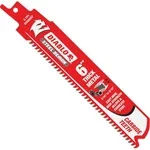 |
Diablo Steel Demon Carbide Reciprocating Blade – $29.99 Purpose-built carbide teeth for cast iron and thick metal – exactly the blade type this guide recommends over standard bi-metal.
|
Why Cast Iron Wrecks the Wrong Blade
Wood and mild steel are relatively ductile – they bend and shear before they break. Cast iron isn’t. Its internal structure is full of graphite flakes, which is exactly what makes it brittle: instead of bending under the blade, it tends to chip and crack. That’s why an aggressive, coarse-tooth blade or a heavy-handed cutting style can leave a jagged, cracked edge instead of a clean line, and why cast iron shreds a soft blade fast.
Most general “metal-cutting” advice online just says “bi-metal or carbide-tipped, either works.” For cast iron specifically, that’s not quite right. Cast iron’s abrasive grain wears down a standard bi-metal blade’s high-speed-steel teeth almost immediately – plumbers who cut cast iron DWV pipe regularly have largely moved to carbide-tipped blades because the carbide edge holds up dramatically longer against that abrasion, commonly rated for up to 50x the cutting life of a standard bi-metal blade in thick-metal applications. On an occasional cut, a fresh bi-metal blade with a fine tooth count will get the job done. On anything more than one or two cuts, carbide is the blade that actually saves you money and blade changes.
Tooth count matters too. 8 TPI (teeth per inch) is the sweet spot most manufacturers land on for cast iron pipe and fittings – coarse enough to clear debris and keep cutting speed reasonable, fine enough that the teeth don’t skip and chip the material. A very coarse wood blade (3-6 TPI) grabs and chatters on cast iron; a very fine metal blade (14+ TPI) made for thin sheet metal will clog with cast iron dust and overheat.
Step-by-Step: Cutting Cast Iron Pipe With a Reciprocating Saw
Once you’ve got a carbide-tipped or fresh fine-tooth bi-metal blade installed, the process is straightforward.
- Mark the cut line. Wrap a strip of masking tape or a chalk line fully around the pipe so you have a visible guide on all sides, not just the front – cast iron pipe is round, and it’s easy to wander off a line you can only see from one angle.
- Secure the piece. Cast iron pipe that isn’t clamped or supported will vibrate and bounce with every stroke, which is how blades snap and cuts wander. A pipe vise, chain vise, or a couple of sturdy clamps on a stable surface make a real difference.
- Start the cut slowly. Let the blade teeth touch the mark and begin cutting before applying real pressure. Starting fast is a common way to chip the edge before the cut even gets going.
- Add cutting oil. A few drops of cutting oil (or even light machine oil) on the blade every 20-30 seconds of cutting reduces friction and heat, which both protects the blade and lowers the odds of the cast iron chipping from a blade that’s running too hot.
- Let the saw do the work. Guide the saw along the line with light, steady pressure. Forcing it faster doesn’t cut faster on cast iron – it just increases the chance of a chipped edge or a snapped blade.
- Clean up the edge. A metal file or a flap disc on an angle grinder knocks down the cut edge and any small chips left from the brittle fracture pattern.
Safety: What’s Actually Different About Cutting Cast Iron
Cutting cast iron carries a couple of risks that don’t come up as often with wood.
- Sharp metal chips, not sawdust. Because cast iron chips and fractures instead of shaving cleanly, the debris it throws off includes small, sharp metal fragments. Safety glasses (not just general shop glasses) and gloves aren’t optional here.
- Old pipe scale and rust. Cast iron drain pipe that’s been in the ground or a wall for decades is often coated in rust and mineral scale on the inside. That scale sheds its own sharp, brittle debris as you cut, on top of what the blade itself throws off – another reason to keep eye protection on for the entire cut, not just the first few seconds.
- Heat and blade breakage. An overheated blade doesn’t just dull faster – it can snap mid-cut. A snapped blade under spring tension can flick debris or the broken tip. Cutting oil and a slower pace genuinely reduce this risk, not just blade life.
- Hearing and dust protection still apply. A reciprocating saw cutting metal is loud, and metal dust is worth keeping out of your lungs with a basic dust mask, especially indoors.
Common Mistakes That Ruin a Cast Iron Cut
Using a wood or general-purpose blade. It’ll cut a few strokes into cast iron and then stop making progress – the teeth are already worn smooth. If a cut suddenly seems to stall with no visible chips coming out, that’s usually the tell.
Skipping lubrication. Dry-cutting cast iron builds heat fast, which both dulls the blade and raises the odds of chipping. Cutting oil is cheap insurance.
Cutting unsupported pipe. A pipe that’s free to vibrate transmits that vibration straight into the blade, which is a common cause of blade snapping mid-cut – not the metal itself being “too tough.”
Forcing the pace. Cast iron doesn’t reward speed. Letting the blade’s own teeth do the cutting, at a slower stroke, produces a cleaner edge with far less chipping than leaning into the saw.
Cast Iron vs. Other Materials: When to Reach for a Different Tool
A reciprocating saw with the right blade is a good general-purpose choice for cast iron, especially in tight spaces like under a sink or inside a wall cavity where a full-size saw can’t fit. It’s not always the fastest option, though. For a straight, fully exposed cut, an angle grinder with a metal cutoff wheel or a dedicated pipe cutter with cutting wheels can be quicker and leaves a cleaner edge with less chipping – but neither fits in cramped spaces the way a reciprocating saw does.
The same carbide-tipped, fine-tooth approach that works for cast iron also applies to other tough metals like rebar, angle iron, and mild steel – see our guide to choosing a reciprocating saw for metal for blade recommendations by material. If you’re wondering whether your existing blades will even fit a different saw brand, check whether reciprocating saw blades are universal before buying more. And if the question is really about a different saw entirely – people ask the same “can it cut metal” question about table saws – we cover that separately in can a table saw cut metal, which is a much riskier proposition than a reciprocating saw and generally not recommended without a metal-specific blade and guard setup.
Frequently Asked Questions
Can a Sawzall cut through cast iron pipe?
Yes. A reciprocating saw fitted with a carbide-tipped or fine-tooth bi-metal metal-cutting blade will cut through cast iron drain, waste, and vent pipe. Mark the cut fully around the pipe, secure it so it can’t vibrate, and cut slowly with cutting oil on the blade for the cleanest result.
What blade is best for cutting cast iron?
A carbide-tipped blade at around 8 TPI is the best all-around choice for cast iron – the carbide edge resists the abrasive wear that dulls standard bi-metal blades almost immediately. A fresh fine-tooth bi-metal blade will also cut cast iron, just with a much shorter working life.
Is cutting cast iron with a Sawzall safe?
It’s safe with the right precautions. Cast iron sheds sharp metal chips as it fractures rather than shaving cleanly, and old pipe often has rust or mineral scale that adds more sharp debris – safety glasses and gloves matter more here than for cutting wood. Securing the workpiece and using cutting oil also reduces the risk of an overheated blade snapping mid-cut.
How thick of cast iron can a reciprocating saw cut?
The limiting factor is usually blade length, not the saw itself – a 6- to 9-inch metal-cutting blade can cut all the way through the wall thickness of standard cast iron DWV pipe, which typically runs from about 3/16 inch to just over 1/2 inch depending on pipe diameter and age. A carbide-tipped blade rated for that thickness range (like the one above) will get through it without excessive blade wear.
Do you need cutting oil to cut cast iron?
You don’t strictly need it for a single short cut, but it’s genuinely worth using. Cutting oil reduces the heat buildup that dulls blades and raises the risk of chipping or a snapped blade, so a few drops applied periodically during the cut is a small step that noticeably extends blade life and cut quality.
Bottom line: a reciprocating saw handles cast iron just fine as long as the blade matches the material. Skip the wood blade, reach for a carbide-tipped or fresh fine-tooth metal blade, keep the pipe secured, and let cutting oil and a steady pace do the rest.
Sponsored / affiliate links. As an Amazon Associate I earn from qualifying purchases. I may earn additional commission from eligible campaigns.