My Journey with a DeWalt Circular Saw Brushless: A Beginner’s Guide to Cutting Like a Pro
I’ll never forget my first attempt at building a bookshelf with a DeWalt circular saw brushless. My cuts were wobbly, and I nearly turned my lumber into abstract art! But with practice, this tool became my go-to for clean, fast cuts. In this article, I’ll share what a DeWalt circular saw brushless is, why it’s a game-changer, and how you can use it for simple projects. Whether you’re a beginner, a DIY enthusiast, or a seasoned pro, I’ll break it down with easy tips, safety advice, and fun examples to help you cut like a champ.
What Is a DeWalt Circular Saw Brushless?
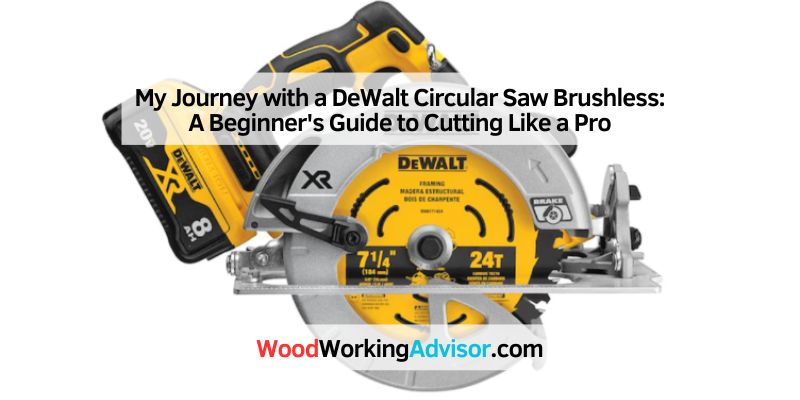
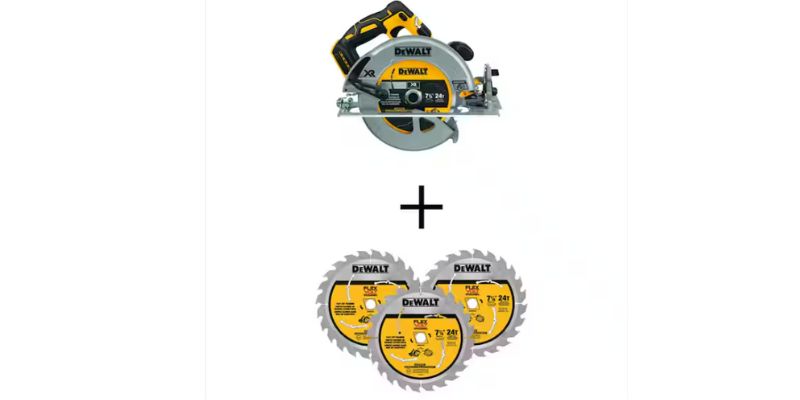
A DeWalt circular saw brushless is a cordless power tool that uses a spinning blade to cut wood, metal, or other materials. The “brushless” part means it has a motor that runs smoother, lasts longer, and saves battery power compared to older models with brushes. DeWalt makes these saws in sizes like 6-1/2 inch or 7-1/4 inch, perfect for home projects or pro jobsites. They’re part of DeWalt’s 20V MAX or 60V FLEXVOLT lines, which means you get serious cutting power without a cord.
Why does this matter? A brushless motor gives you more cuts per battery charge—think 300 cuts through plywood on one charge! Plus, it’s lightweight, so your arms won’t feel like noodles after a day of work. It’s a tool that grows with you, whether you’re building a birdhouse or framing a shed.
Why Choose a DeWalt Circular Saw Brushless?
I love my DeWalt saw because it’s like a trusty sidekick. Here’s why it’s awesome:
- No Cord, No Fuss: Move anywhere without tripping over wires.
- Long-Lasting Power: Brushless motors sip battery juice, so you work longer.
- Smooth Cuts: The blade spins fast (up to 5,800 RPM on some models) for clean results.
- Easy to Handle: Lightweight designs, like the 7.8-pound DCS570B, feel comfy even for beginners.
But it’s not perfect. These saws can be pricey (around $150-$250 for tool-only models), and you’ll need compatible DeWalt batteries, which add to the cost. Still, the freedom and power make it worth every penny for me.
Getting Started: Tools and Materials You’ll Need
Before you start cutting, gather these basics. I learned the hard way that prep is key!
- DeWalt Circular Saw Brushless: Models like the DCS570B (7-1/4 inch) or DCS565B (6-1/2 inch) are great for starters.
- DeWalt Battery: A 5Ah or 6Ah 20V MAX battery works well for most projects.
- Saw Blade: Use a 24-tooth carbide blade for wood or a metal-cutting blade for tougher stuff.
- Safety Gear: Safety glasses, gloves, and ear protection are must-haves.
- Measuring Tools: A tape measure, pencil, and square for straight lines.
- Work Surface: A sturdy workbench or sawhorses to hold your material.
Pro Tip: Check your battery’s charge before starting. My first project flopped because I forgot, and the saw died mid-cut!
Easy Project: Building a Simple Wooden Planter Box
Let’s try a beginner-friendly project: a wooden planter box for your porch. It’s a fun way to practice with your DeWalt circular saw brushless. Here’s a step-by-step guide:
- Pick Your Wood: Grab four 1×6 cedar boards (2 feet long each) and one 2×2 board for the base.
- Measure and Mark: Use a tape measure and pencil to mark your cuts. A square helps keep lines straight.
- Set the Saw Depth: Adjust the saw’s depth so the blade cuts just past the wood’s thickness (about 3/4 inch for 1×6 boards).
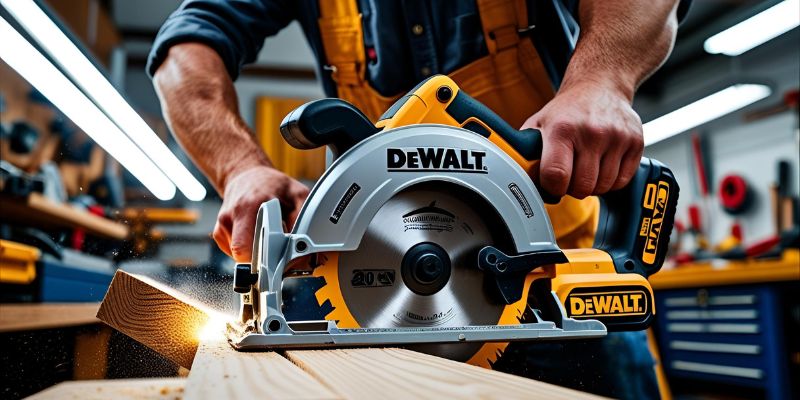
- Cut the Boards: Clamp the wood to a workbench. Line up the saw’s blade with your mark, pull the trigger, and guide it slowly. My first cut was crooked because I rushed—go steady!
- Assemble the Box: Screw or nail the boards into a square. Add the 2×2 base for support.
- Sand and Finish: Smooth the edges with sandpaper and add a coat of sealant for weatherproofing.
This project took me an hour, and my planter now holds bright marigolds. Total cost? About $20 for wood and screws!
Visual Idea: A simple diagram showing how to align the saw blade with the pencil mark would help beginners visualize the cut.
Comparing DeWalt Circular Saw Brushless Models
Not sure which DeWalt saw to pick? Here’s a quick comparison of popular models to help you decide.
| Model | Blade Size | Weight | Max RPM | Best For | Price (Tool Only) |
|---|---|---|---|---|---|
| DCS570B | 7-1/4 inch | 7.8 lbs | 5,500 | General DIY | ~$149 |
| DCS565B | 6-1/2 inch | 6.7 lbs | 4,950 | Lightweight tasks | ~$139 |
| DCS578B | 7-1/4 inch | 8.2 lbs | 5,800 | Heavy-duty jobs | ~$199 |
Caption: Table comparing key DeWalt circular saw brushless models for beginners and pros. Prices are approximate based on major retailers like Home Depot and Amazon.
The DCS570B is my favorite for its balance of power and ease. If you’re cutting thin plywood, the DCS565B is lighter and cheaper. For tough jobs like cutting 2x6s, the DCS578B’s extra power shines.
Safety Tips for Using Your DeWalt Circular Saw Brushless
Safety is no joke—my first near-miss taught me that! Here are three must-do tips:
- Wear Safety Gear: Glasses and gloves protect your eyes and hands from flying wood chips.
- Check Your Blade: A dull blade can kick back. Inspect it before each use.
- Secure Your Workpiece: Clamp your wood to avoid slips. I once had a board fly because I skipped this step!
Visual Idea: A basic sketch of a clamped workpiece with the saw’s blade guard in place would show safe cutting setup.
Common Mistakes to Avoid
I’ve made plenty of goofs with my DeWalt saw. Here’s what to watch out for:
- Rushing the Cut: Slow and steady wins. Fast cuts can wobble or bind the blade.
- Wrong Blade Choice: Using a wood blade on metal is a recipe for disaster. Match the blade to the material.
- Ignoring Battery Life: A low battery can weaken cuts. Keep a charged spare handy.
Pro Tip: If your cuts aren’t straight, try a guide rail or a piece of scrap wood clamped as a straightedge. It’s a game-changer!
Benefits and Drawbacks of a DeWalt Circular Saw Brushless
Here’s the good and the not-so-good, based on my experience:
Benefits:
- Portability: No cord means you can cut anywhere—great for outdoor projects.
- Power: Brushless motors slice through wood like butter.
- Durability: My DCS570B has survived drops and still works like new.
Drawbacks:
- Cost: These saws aren’t cheap, especially with batteries.
- Learning Curve: Beginners might need practice for perfect cuts.
- Battery Dependency: No juice, no cutting. Always have a backup battery.
For alternatives, a corded DeWalt saw (like the DWS535B) is cheaper but less mobile. If you want another brand, Milwaukee and Makita also make solid brushless saws, but I stick with DeWalt for its battery system.
Cost-Saving Ideas for Your DeWalt Saw
Want to save some cash? Try these tricks I’ve learned:
- Buy Tool-Only: If you own DeWalt batteries, skip kits with chargers to save $50-$100.
- Shop Sales: Black Friday or Home Depot’s deals often drop prices. I snagged my DCS570B for $129!
- Use Quality Blades: A sharp blade (like Diablo’s 24-tooth) cuts faster, saving battery life.
Table: Cost Comparison for DeWalt Circular Saw Brushless Kits
| Model | Kit Price (with Battery) | Tool-Only Price | Savings |
|---|---|---|---|
| DCS570P1 | ~$249 | ~$149 | ~$100 |
| DCS565P1 | ~$229 | ~$139 | ~$90 |
| DCS578X1 | ~$299 | ~$199 | ~$100 |
Caption: Table showing savings when buying tool-only vs. kits. Prices vary by retailer.
My Personal Tips for Success
After years of using my DeWalt circular saw brushless, here are my top tips:
- Practice on Scrap: Test cuts on spare wood to build confidence.
- Use the LED Light: Many models have a built-in light. It’s a lifesaver in dim corners!
- Clean the Saw: Dust can clog the motor. Blow it out with canned air after each use.
Visual Idea: A diagram of the saw’s parts (blade guard, depth lever, LED) would help beginners learn the tool.
Frequently Asked Questions
What Is a Brushless Motor in a DeWalt Circular Saw?
A brushless motor is a high-tech motor that runs cooler, lasts longer, and uses less battery power than traditional motors. It gives your DeWalt saw more cuts per charge and smoother performance, perfect for DIY or pro work.
Which DeWalt Circular Saw Brushless Is Best for Beginners?
The DCS570B (7-1/4 inch) is great for beginners due to its balance of power and ease. It’s lightweight, cuts deep, and works with standard blades. Start with a 5Ah battery for solid runtime.
Can I Use a DeWalt Circular Saw Brushless for Metal?
Yes, with the right blade! Swap the wood blade for a metal-cutting blade (like DeWalt’s 7-1/4 inch metal blade). Go slow to avoid overheating, and always wear safety gear.
How Do I Maintain My DeWalt Circular Saw?
Clean the blade and motor after use, check for loose parts, and store it in a dry place. Use canned air to remove dust and keep the blade sharp for better cuts.
What’s the Difference Between 20V and 60V DeWalt Saws?
20V saws are lighter and great for general tasks; 60V saws (like DCS578B) have more power for heavy materials. 60V batteries work with 20V tools, but 20V batteries won’t power 60V saws.
How Long Does a DeWalt Battery Last While Cutting?
A 5Ah battery lasts about 200-300 cuts on 3/4-inch plywood, depending on the model and material. Thicker wood or metal cuts drain it faster. Keep a spare charged!
Are DeWalt Circular Saws Worth the Price?
Yes, for their power, durability, and cordless freedom. They’re pricier than corded saws, but the brushless motor and DeWalt’s quality make them a solid investment for DIY or pro use.
Conclusion
A DeWalt circular saw brushless is your ticket to clean, easy cuts for any project. From building planter boxes to tackling 2x4s, it’s a tool that grows with you. I’ve shared my tips, mistakes, and a simple project to get you started. Now, grab your saw, try a small project, and see what you can create! Share your projects in the comments—I’d love to hear about your first cut. Happy sawing!