Difference between Dewalt 20V And 60V: Ultimate Power Showdown
Choosing the right power tool can be confusing, especially when you see options like Dewalt 20V and 60V. You might wonder which one fits your needs best.
Is more voltage always better? How will it affect your work, your battery life, and your budget? You’ll discover the key differences between these two popular Dewalt batteries. By the end, you’ll know exactly which one matches your projects and helps you work smarter, not harder.
Keep reading to make a confident choice for your next tool purchase.
Dewalt 20v Series Features
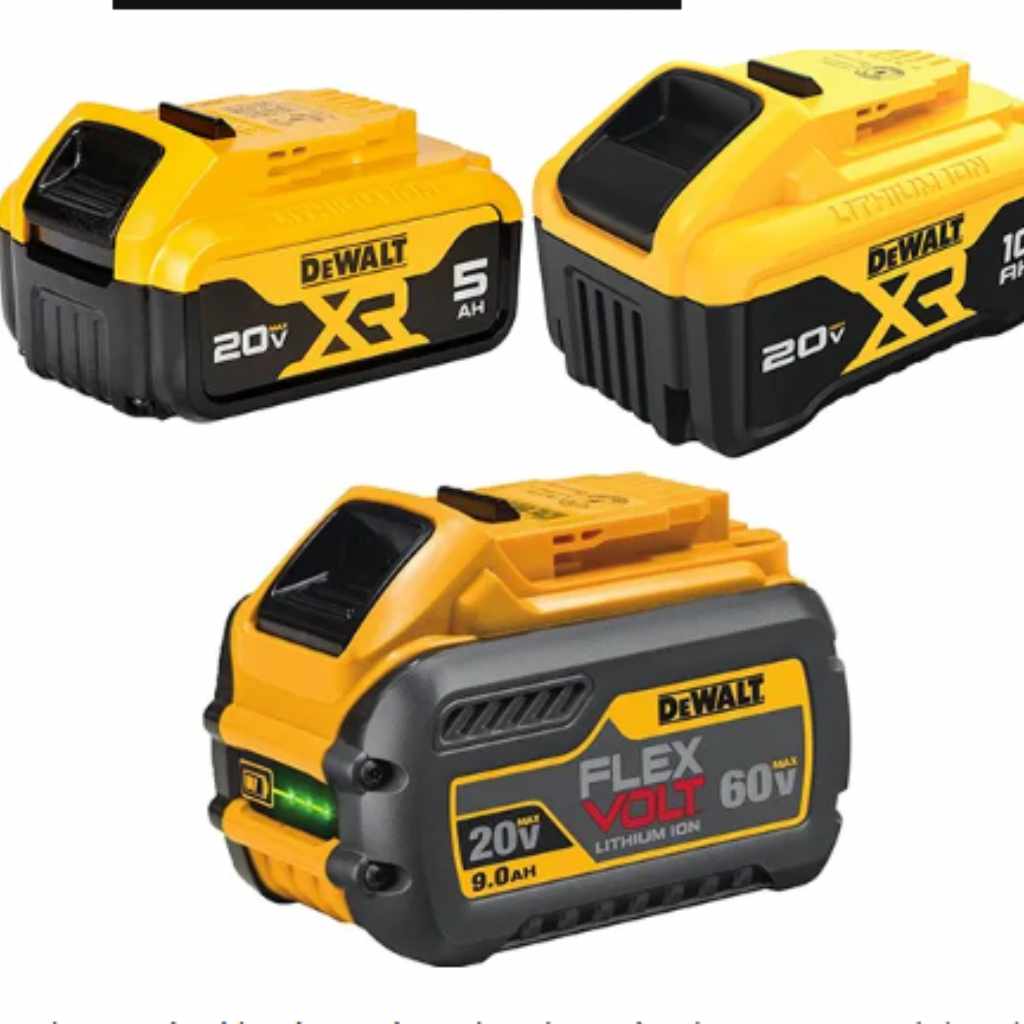
The Dewalt 20V series is popular among DIYers and professionals. It offers a balance of power and convenience. These tools are designed to be lightweight and easy to handle. They provide reliable performance for many tasks around the home or job site.
Understanding the features of the Dewalt 20V series helps you choose the right tool. Below are key aspects like battery technology, compatibility, power, and common uses.
Battery Technology
Dewalt 20V tools use lithium-ion batteries. These batteries last longer than older types. They charge quickly and hold power well. You get steady energy without sudden drops. The batteries are also lightweight, which helps reduce tool weight. This makes working for long hours easier and less tiring.
Tool Compatibility
The 20V battery fits many Dewalt tools. This includes drills, saws, and impact drivers. You can swap batteries between tools easily. It saves money and space in your toolbox. The system supports a wide range of products. This makes it simple to build a flexible tool kit.
Performance And Power Output
The Dewalt 20V series delivers strong power for most tasks. It handles drilling, driving, and cutting jobs well. The tools provide steady torque and speed control. This helps in working on different materials like wood, metal, and plastic. The power output suits both light and medium-duty work.
Common Applications
Dewalt 20V tools are used for home repairs and projects. They are good for assembling furniture, fixing fences, and hanging shelves. Many professionals use them for framing and electrical work. These tools perform well in tight spaces and outdoor jobs. Their reliability makes them a favorite choice for many users.
Dewalt 60v Series Features
The Dewalt 60V Series offers powerful tools built for tough jobs. It stands out with its advanced features and strong performance. This series suits users who need high power and long battery life. The tools are designed for heavy-duty work and long hours on site.
Here is a closer look at the main features of the Dewalt 60V Series.
Battery Technology
The 60V Series uses high-capacity lithium-ion batteries. These batteries last longer than older types. They charge faster and hold power well. The design keeps the battery cool during use. This reduces wear and extends battery life. The smart battery system shows remaining charge clearly.
Tool Compatibility
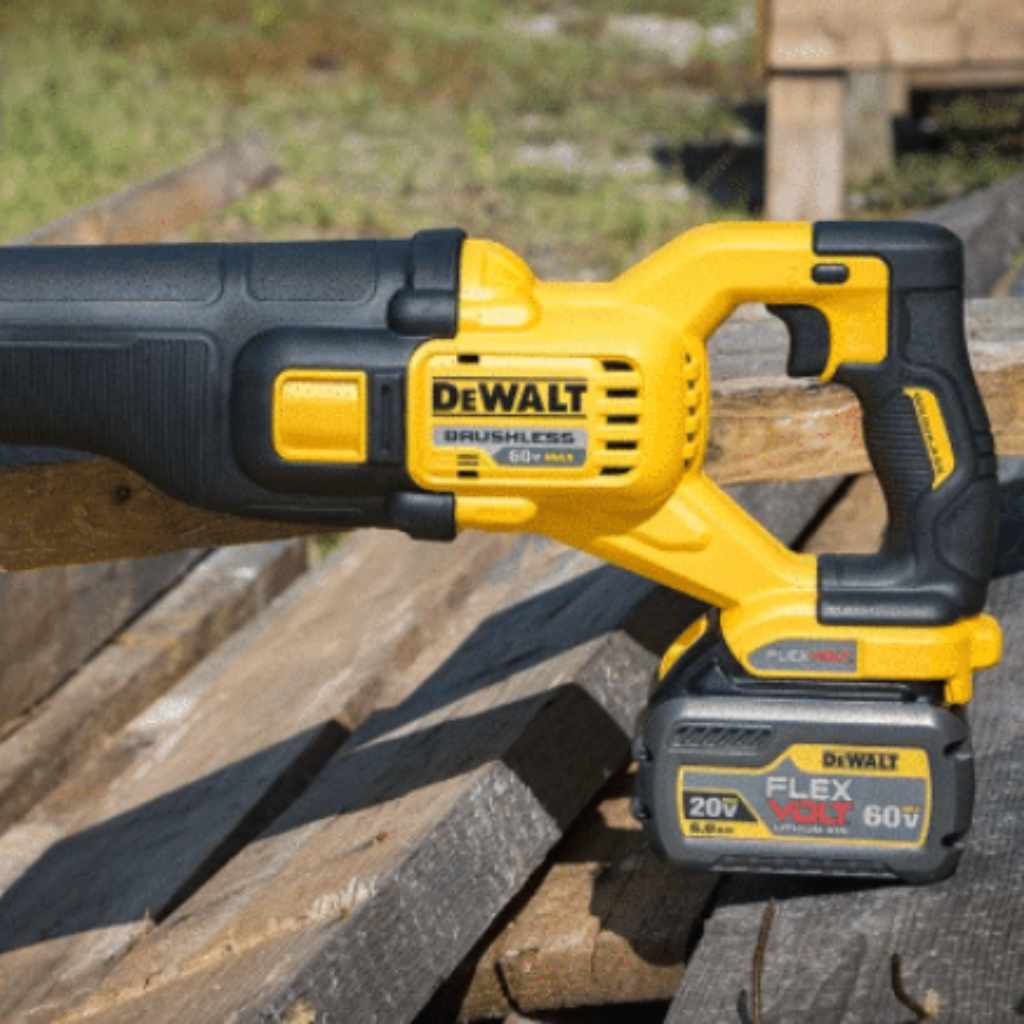
Tools in the 60V Series work only with 60V batteries. This system is not compatible with 20V tools. Each battery fits securely and powers tools without drops. Dewalt offers many tool options in this series. Users can build a set for different tasks easily.
Performance And Power Output
The 60V tools deliver high torque and speed. They handle heavy materials and long jobs well. The motor design keeps power consistent during use. This means no slowdowns under heavy load. The tools run smoothly and feel balanced in hand.
Common Applications
This series suits construction, landscaping, and large projects. It works well for cutting, drilling, and fastening tasks. Users find it ideal for outdoor and industrial jobs. The power helps complete work faster and with less effort.
Power Comparison
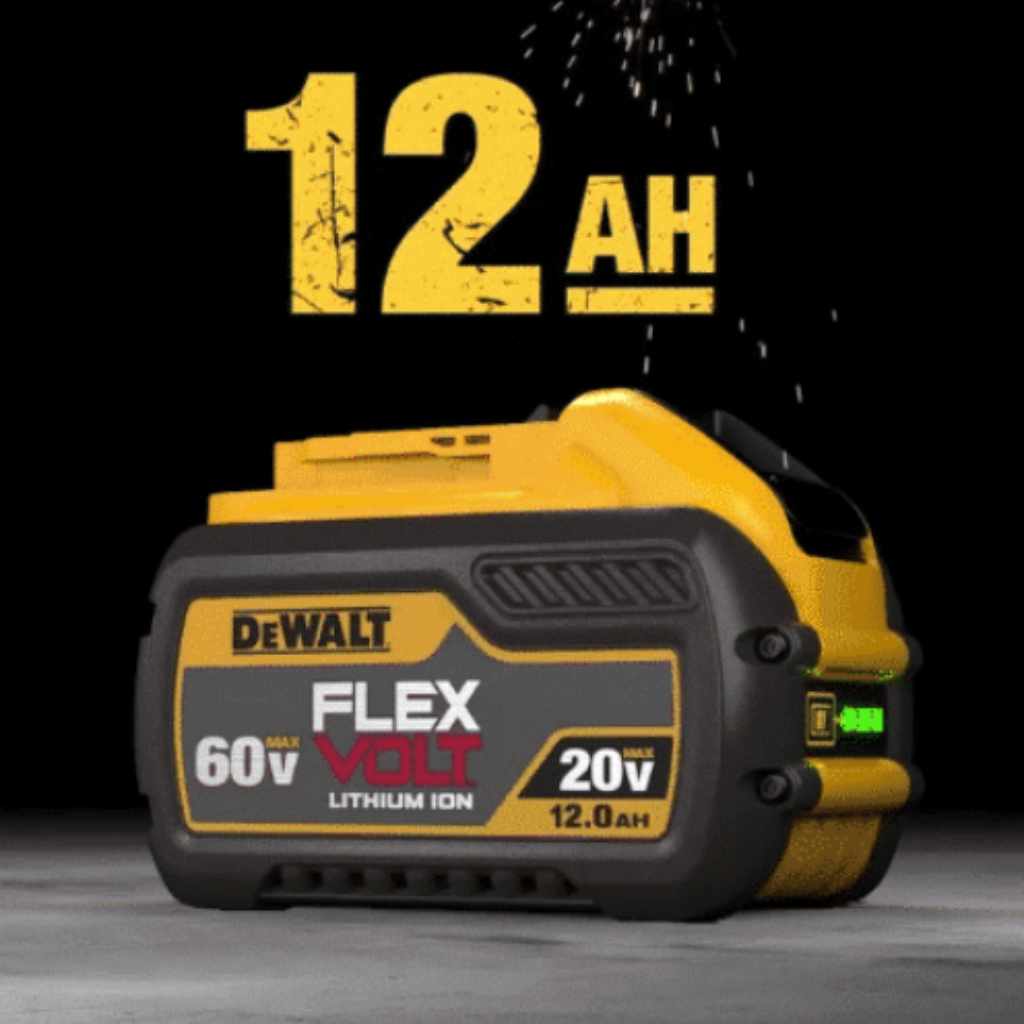
The power comparison between Dewalt 20V and 60V tools shows clear differences. Voltage affects how strong the tool runs. This section explains how voltage impacts performance, battery life, and charging speed. Understanding these points helps choose the right Dewalt tool for your needs.
Voltage Impact On Performance
The 60V tools deliver more power than the 20V models. Higher voltage means stronger motors and better torque. This helps in heavy-duty tasks like drilling large holes or cutting thick materials. The 20V tools suit light to medium jobs with less power needed. Power matters most for tough jobs or long work hours.
Battery Life And Run Time
Higher voltage batteries usually last longer during heavy use. The 60V battery runs tools for more time before needing a recharge. The 20V battery offers decent run time but drains faster under heavy load. Battery life depends on the tool’s power and the work intensity. Choose based on how long you plan to use the tool continuously.
Charging Speed
Charging speed varies between 20V and 60V batteries. The 20V batteries often charge faster due to smaller capacity. 60V batteries take longer because they hold more energy. Fast chargers can reduce wait time for both types. Consider charging speed if you need quick tool turnaround during projects.
Tool Weight And Portability
The weight and portability of a tool greatly affect how easy it is to use. Dewalt 20V and 60V tools differ a lot in these areas. Understanding these differences helps choose the right tool for your work.
Ergonomics
Dewalt 20V tools are lighter and easier to hold for long periods. They cause less strain on your hands and arms. The smaller size fits well in tight spaces. Dewalt 60V tools are heavier due to bigger batteries. They provide more power but can tire you faster. Their design focuses on balance to help manage the weight.
Suitability For Different Tasks
Lightweight 20V tools suit small to medium jobs. They are perfect for quick repairs or indoor tasks. Portability makes them easy to carry around. Heavier 60V tools work well for heavy-duty tasks. They handle tough materials and long work sessions better. Portability is less, but power is the priority for big jobs.
Price And Value
Price and value are key points when choosing between Dewalt 20V and 60V tools. Understanding the costs helps buyers decide which option fits their budget and needs. Both systems offer strong performance but differ in price and long-term worth.
Cost Of Batteries And Chargers
Batteries and chargers add to the total cost of Dewalt tools. The 20V system uses smaller batteries that cost less. Chargers for 20V batteries are also cheaper and more common. The 60V batteries are bigger and more powerful but come with a higher price tag. Their chargers cost more and are less widely available. Choosing between the two depends on how often you use the tools and how much you want to spend on power sources.
Tool Pricing
Dewalt 20V tools usually have a lower price. They suit homeowners and casual users with light tasks. The 60V tools are more expensive, designed for heavy-duty work. Professionals and serious users may find the extra cost worth it. The price difference reflects the power and capabilities of each system. Buyers should consider what kind of work they plan to do before picking a tool.
Long-term Investment
Investing in Dewalt tools means thinking about future needs. The 20V system offers many tool options and easier battery swaps. It fits most small to medium jobs well. The 60V system costs more upfront but can save time on big projects. It lasts longer under tough conditions. Choosing the right system depends on how often you use the tools and the type of jobs you face. Spending more now might pay off later with better performance and durability.
Choosing The Right Series
Choosing the right Dewalt series depends on what you need for your projects. Both 20V and 60V tools offer power and reliability, but they serve different purposes. Picking the correct series can save time, effort, and money. Understanding your needs helps make the best decision.
Project Requirements
Consider the kind of work you plan to do. The 20V series suits small to medium jobs like drilling, screwing, and light cutting. The 60V series fits heavy-duty tasks such as large construction work or landscaping. Match the tool power with your project size for best results.
User Experience Level
The 20V series is easier for beginners. It is lighter and simple to handle. The 60V series offers more power but can be heavier and harder to control. Experienced users may prefer 60V for tough tasks. Choose a series that fits your comfort and skill level.
Budget Considerations
The 20V tools generally cost less and have more affordable batteries. The 60V tools and batteries are pricier but last longer during heavy use. Balance your budget with how often and hard you will use the tools. This helps avoid overspending or buying less powerful tools.
Frequently Asked Questions
What Are The Main Differences Between Dewalt 20v And 60v?
Dewalt 20V tools are lighter and suited for everyday tasks. 60V tools offer more power and longer runtime, ideal for heavy-duty jobs. The voltage difference affects tool size, weight, and performance.
Is Dewalt 60v Battery Compatible With 20v Tools?
No, Dewalt 60V batteries are not compatible with 20V tools. Each voltage system uses distinct battery packs designed for specific tool lines. Using the wrong battery can damage tools and void warranties.
Which Dewalt Voltage Is Better For Home Use?
Dewalt 20V is better for typical home projects due to its lighter weight and sufficient power. 60V is preferred for professional or demanding outdoor tasks needing extra power and longer battery life.
How Does Battery Life Compare Between Dewalt 20v And 60v?
Dewalt 60V batteries generally provide longer runtime than 20V batteries. This makes 60V tools more efficient for extended use. However, 20V batteries recharge faster and are easier to carry.
Conclusion
Choosing between Dewalt 20V and 60V depends on your needs. The 20V suits light to medium tasks well. It is lighter and easier to handle. The 60V offers more power for heavy jobs. It runs longer and works faster. Think about your projects and how often you use tools.
Both have their strengths and fit different users. Pick the one that matches your work style and budget. This way, you get the best value and performance. Simple and clear choices lead to better results.