Buying a Used Radial Arm Saw: Inspection Checklist
A used radial arm saw is worth buying only if the blade guard fully covers the blade and the anti-kickback pawls are present — skip that check and you may buy into the exact 3.7-million-unit Craftsman recall lot CPSC flagged in 2000 for missing guards. Beyond safety, expect $50-$150 for a standard 10″ Craftsman and up to $225 for a clean DeWalt. This guide covers the inspection checklist, seller questions, and fair pricing.
Pre-Purchase Inspection Checklist
Best Pre-Purchase Safety Check Pick
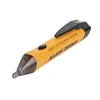 |
Klein Tools NCVT1P Non-Contact Voltage Tester – $19.95 A pocket-size way to check a used tool’s cord and switch for a short before you ever plug it into your own outlet — small enough to bring to a garage sale or storage unit viewing.
|
As an Amazon Associate we earn from qualifying purchases.
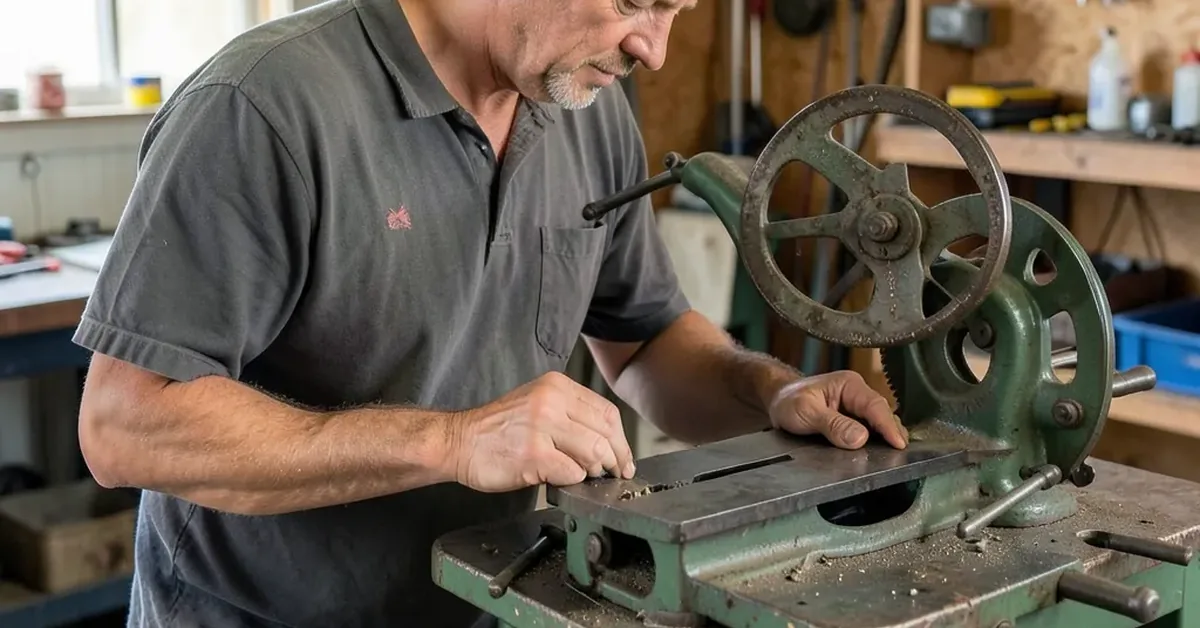
Check these items in person before you hand over any money — photos from a listing can’t show most of them:
- Blade guard: must fully enclose the top of the blade, not just the back half. A missing or cut-down guard is a dealbreaker or a repair cost, not a cosmetic issue.
- Anti-kickback pawls: small spring-loaded teeth just ahead of the blade. Check they’re present and move freely.
- Arm and column play: raise and lower the arm, slide it in and out. Excessive looseness or wobble means worn bearings or a bent column — expensive to fix.
- Motor sound: ask the seller to plug it in and run it (see the power-cord check below first). Listen for grinding, squealing, or excessive vibration.
- Table and fence: check for a flat table surface and a straight fence — a warped table can’t be fixed short of replacing it.
- Rust vs. pitting: surface rust cleans off; deep pitting on the table or column is permanent and affects accuracy.
- Included accessories: original blade, wrenches, and any manual add real value — a bare saw with no blade means an immediate extra purchase.
Check for the 2000 Recall Before You Buy
Older Craftsman-brand radial arm saws were part of one of the largest power tool recalls on record — and a used listing won’t mention it.
If the saw you’re looking at is a Craftsman, look at the guard before you buy: a compliant guard fully encloses the top of the blade, not just the back half. If it’s missing the full guard, either walk away or factor a retrofit kit into your offer price. Once you own the saw, our full restoration guide covers the complete recall history, the right blade to fit (a used saw’s original blade is almost always the wrong hook angle by now), and the rest of the cleanup and squaring process.
What to Expect to Pay
Prices for used radial arm saws vary widely by condition, brand, and whether a stand or accessories are included:
| Condition / Brand | Typical price range |
|---|---|
| Budget / rough condition, any brand | $25-$50 |
| Standard 10″ Craftsman, working | $50-$150 |
| DeWalt, working condition | $50-$225 |
| Vintage / specialty models with stand and accessories | $275-$400 |
A missing blade guard, seized motor, or heavily pitted table justifies negotiating toward the low end of these ranges — or walking away entirely if the repair cost would exceed the saw’s value.
Questions to Ask the Seller
- “Does it still run?” — ask for a demonstration if at all possible, with the safety checks above done first.
- “Do you have the original blade, wrenches, or manual?” — missing accessories mean extra cost to you.
- “Has it been stored inside or outside?” — outdoor storage means a much higher chance of rust and electrical damage.
- “Why are you selling it?” — a vague or evasive answer about a “minor issue” is worth pressing on.
- “Is the price firm?” — most private-sale tool listings have room to negotiate, especially with a specific defect you can point to.
Where to Find a Used Radial Arm Saw
Facebook Marketplace and Craigslist are the most common sources, with local estate sales and auctions turning up older, heavier-built models. Buying locally lets you inspect and test the saw in person before paying, which matters more for a tool like this than for most other used equipment — a saw’s condition and safety features can’t be fully judged from listing photos alone.
Frequently Asked Questions
Is it safe to buy a used radial arm saw?
Yes, as long as you check the blade guard fully covers the blade and the anti-kickback pawls are present before buying — older Craftsman models in particular were part of a 2000 recall for missing guards. A saw missing these safety features isn’t automatically unsafe to own, but it needs a retrofit or repair before use.
How much should I pay for a used radial arm saw?
Expect $50-$150 for a working 10″ Craftsman, up to $225 for a DeWalt, and $25-$50 for rougher condition on any brand. Missing accessories, rust pitting, or a missing blade guard justify negotiating down or walking away.
What is a radial arm saw used for?
A radial arm saw is primarily used for cross-cutting and ripping wood, with a blade mounted on a pivoting, sliding arm that allows angled and compound cuts. It’s especially useful for repetitive crosscuts on long boards.
What should I check before running a used saw for the first time?
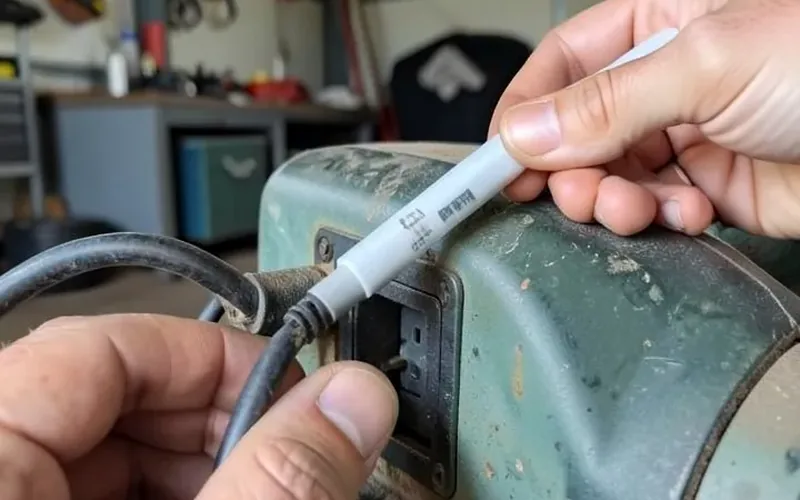
Check the power cord and housing with a non-contact voltage tester before plugging it in, confirm the blade guard and anti-kickback pawls are in place, and inspect the blade itself — a used saw’s original blade is often the wrong hook angle or badly dulled and should usually be replaced before the first cut.
Conclusion
A used radial arm saw can be a genuine bargain — heavier-built than most new tools in its price range — but only if the blade guard, anti-kickback pawls, and motor check out before you pay. Budget $50-$150 for a standard working Craftsman, ask the questions above, and bring a voltage tester to check the cord in person. Once you’ve bought one, see our restoration guide for cleaning it up and fitting the right blade.
Sponsored / affiliate links. As an Amazon Associate I earn from qualifying purchases. I may earn additional commission from eligible campaigns.