Difference between Wood Screw And Metal Screw: Key Facts Revealed
Are you confused about whether to use a wood screw or a metal screw for your next project? Choosing the right screw can make all the difference in how strong and durable your work turns out.
Understanding the key differences between these two types of screws will save you time, frustration, and even money. You’ll discover exactly what sets wood screws apart from metal screws, so you can pick the perfect one for your needs and get your job done right the first time.
Keep reading to unlock the simple secrets that professionals use every day.
Wood Screw Features
Wood screws have special features that make them ideal for wood projects. They hold wood parts tightly together. These screws work differently than metal screws. Their design helps them grip soft and hard wood well. Understanding these features helps in choosing the right screw for woodwork.
Thread Design
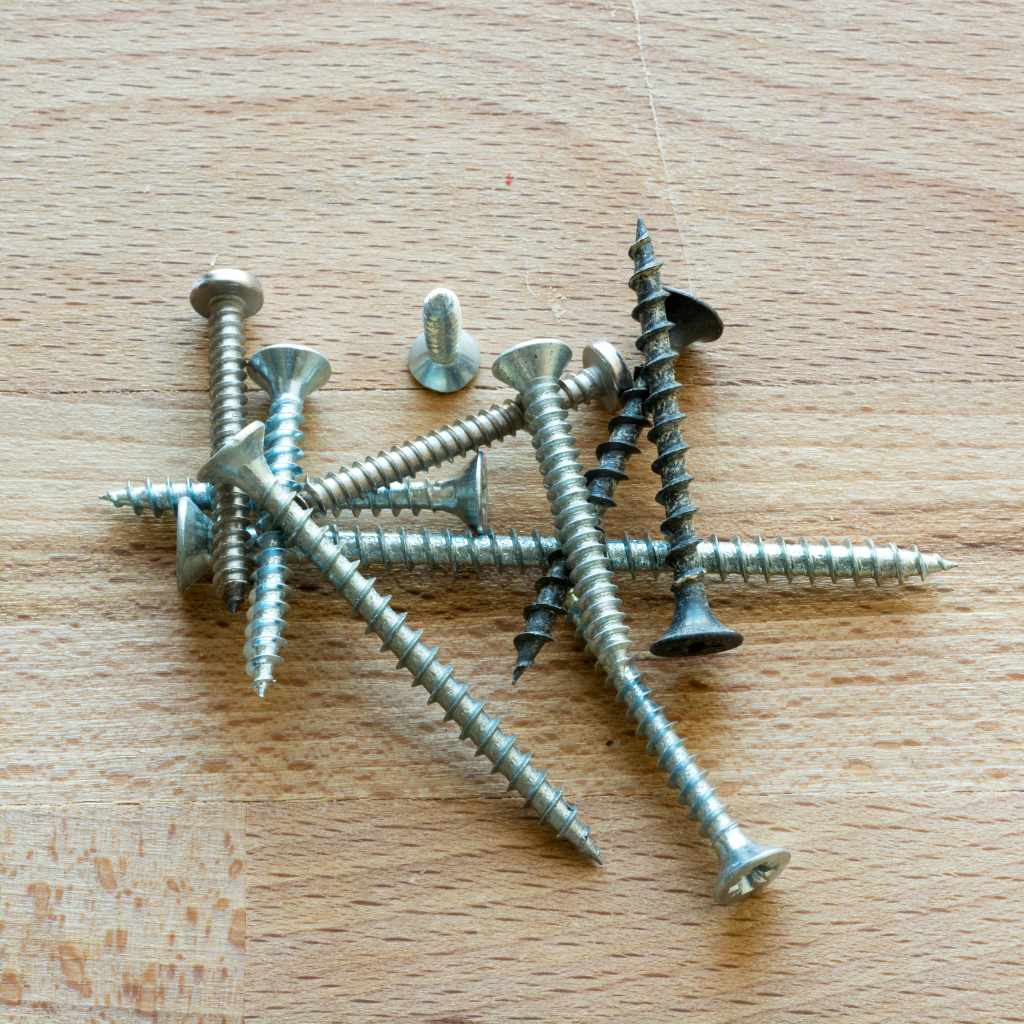
Wood screws have deep and sharp threads. These threads run along most of the shaft. They dig into the wood fibers easily. The wide thread spacing helps prevent wood from splitting. This design pulls wood pieces tightly together. It also makes screwing faster and smoother.
Shaft Structure
The shaft of a wood screw is usually tapered. It gets thinner toward the tip. This taper helps the screw enter wood without cracking it. The tip is pointed to start drilling into the wood. Some wood screws have a smooth section near the head. This part allows the screw to pull two wood pieces tightly.
Material Types
Wood screws come in different materials. Steel is common and strong for indoor use. Stainless steel resists rust and works well outside. Brass screws offer a nice look and resist corrosion. Some screws have coatings to protect against weather. Choosing the right material depends on the project and environment.
Common Uses
Wood screws are used in furniture making and carpentry. They join wooden boards, panels, and frames. These screws hold cabinets and shelves firmly. They also work well in decking and outdoor wood projects. Wood screws make repairs easy and reliable for wood items.
Metal Screw Features
Metal screws have unique features that make them ideal for joining metal parts. Their design ensures strong holding power and durability. Understanding these features helps in choosing the right screw for your project.
Metal screws are made to handle tough materials. They offer precision and strength in various applications. Below are key features that define metal screws.
Thread Pattern
Metal screws have sharp, fine threads. These threads run along the entire length or part of the screw. The thread spacing is small to grip metal tightly. This pattern prevents slipping and loosening over time.
Shank Characteristics
The shank of a metal screw is often fully threaded. It may be thinner than wood screws to fit into pre-drilled holes. Some metal screws have a smooth shank part to reduce friction. This helps in easy insertion and strong hold.
Material Composition
Metal screws are usually made from steel or stainless steel. Some have coatings like zinc or black oxide to resist rust. The materials provide strength and protect against wear. This makes metal screws last longer in harsh conditions.
Typical Applications
Metal screws are used in machinery, automotive, and metal construction. They join metal sheets, brackets, and frames securely. Their design suits precision work and heavy-duty tasks. Metal screws are vital in metal-to-metal fastening jobs.
Thread Differences
Thread differences play a key role in how wood screws and metal screws perform. Threads affect grip, strength, and ease of use. Understanding these differences helps choose the right screw for each job.
Coarseness And Pitch
Wood screws have coarse threads with a wide pitch. This means the threads are thicker and spaced farther apart. Coarse threads dig into wood fibers and hold tightly.
Metal screws feature fine threads with a narrow pitch. The threads are thin and close together. Fine threads fit well in metal and prevent stripping.
Thread Angle
The thread angle of wood screws is usually sharper. This angle helps cut into soft wood easily. It also provides strong holding power.
Metal screws have a flatter thread angle. This shape spreads pressure evenly in metal. It reduces the risk of damage or deformation.
Cutting Efficiency
Wood screws often include cutting grooves or sharp tips. These help the screw bite into wood quickly. They reduce the need for pre-drilling.
Metal screws may have self-tapping threads. These threads cut through metal as the screw turns. It allows for fast installation in thin metal sheets.
Screw Head Variations
Screw heads come in many styles and shapes. These variations affect how screws work and fit. Choosing the right screw head is key for your project’s success. Wood screws and metal screws often differ in head design. Understanding these differences helps in picking the best screw for your task.
Head Shapes
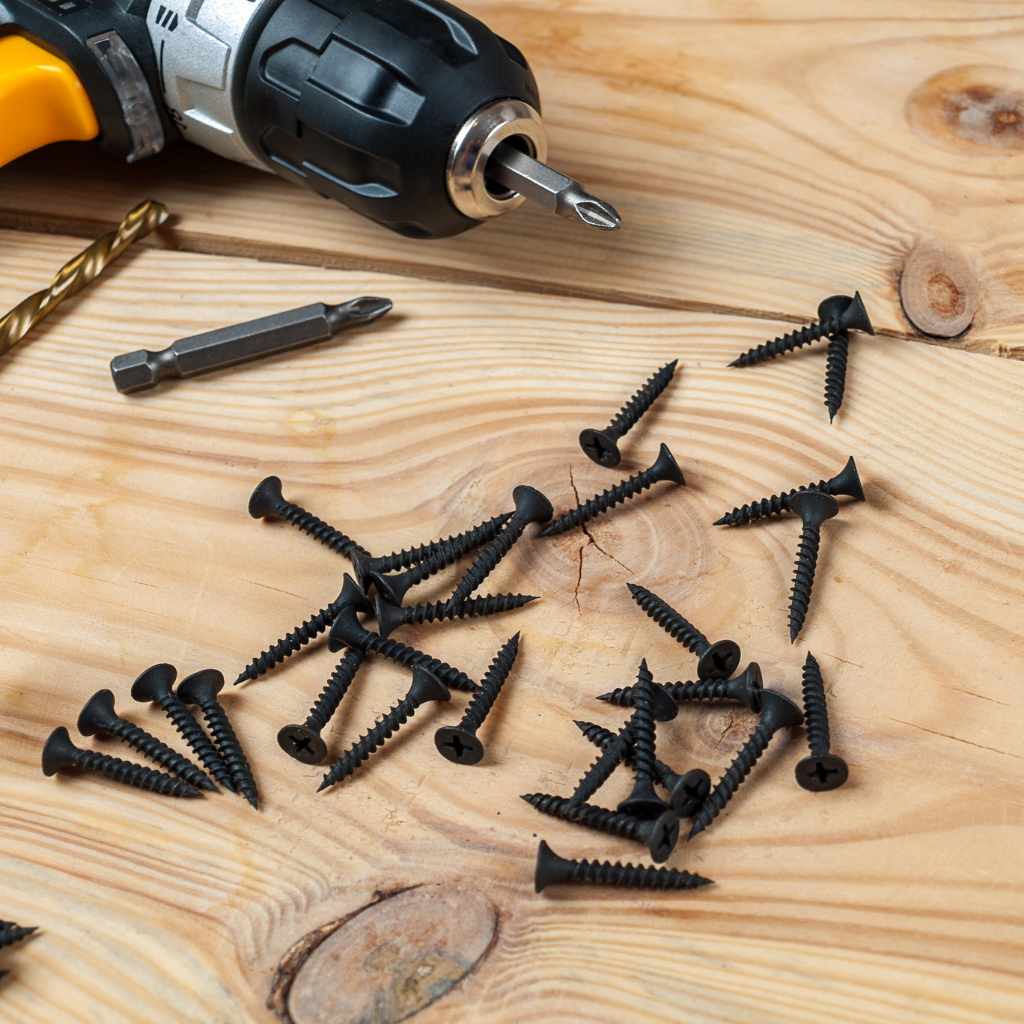
Wood screws usually have flat or oval heads. These heads sit flush with or slightly above wood surfaces. Metal screws often have pan or hex heads. Pan heads are rounded and raise above the surface. Hex heads allow strong gripping with a wrench. Each shape serves a different purpose. It affects how the screw holds materials together.
Drive Types
Screw heads also vary in drive type. Wood screws often use slotted or Phillips drives. Slotted drives have a simple straight slot. Phillips drives have a cross shape for better grip. Metal screws may use hex, Torx, or square drives. These drives reduce slipping and allow higher torque. Drive type impacts how easy it is to insert or remove screws.
Surface Finishes
Surface finishes protect screws and improve performance. Wood screws often have a smooth, shiny finish. This finish prevents rust when used indoors. Metal screws may have zinc or black oxide coatings. These coatings resist corrosion, especially outdoors. Finishes also affect the screw’s strength and lifespan. Choosing the right finish keeps your project lasting longer.
Installation Techniques
Installation techniques differ between wood screws and metal screws. Each type requires specific steps for secure fastening. Proper methods ensure strong, lasting joints and prevent damage. Understanding these techniques helps in choosing the right screw and tool.
Pre-drilling Needs
Wood screws often need a pilot hole to avoid splitting wood. The hole should be smaller than the screw’s diameter. Metal screws usually require a precise pilot hole through the metal. This hole matches the screw’s core size for a tight fit. Skipping pre-drilling can cause cracks or weak joints.
Torque Requirements
Wood screws require moderate torque to prevent wood damage. Too much force can strip the wood or break the screw. Metal screws need higher torque to cut through metal threads. Proper torque ensures the screw holds firmly without slipping. Using the correct torque protects both the material and the screw.
Tools Used
Wood screws are installed with standard screwdrivers or drill drivers. A drill with adjustable speed is best for control. Metal screws often need power drills with metal-cutting bits. Some metal screws require special drivers like hex or Torx bits. Using the right tool makes installation easier and safer.
Strength And Durability
Strength and durability are key when choosing between wood screws and metal screws. Both types serve different purposes based on their design and material. Understanding their strength helps pick the right screw for your project. Durability ensures the screw lasts long without failing.
Load Bearing Capacity
Wood screws have wider threads to grip soft wood fibers tightly. This design allows them to hold heavy loads in wood. Metal screws have finer threads for hard metals. They resist stripping under high pressure. Metal screws usually support more weight in metal structures.
Corrosion Resistance
Wood screws often come with coatings to prevent rust. Untreated wood screws can corrode quickly in damp places. Metal screws may have stronger rust protection like zinc plating. Stainless steel metal screws resist corrosion best. Corrosion resistance extends screw life outdoors or in moist areas.
Longevity Factors
Wood screws can degrade faster if exposed to moisture without treatment. Wood movement can loosen screws over time. Metal screws stay tight in rigid metal joints. Extreme temperatures can affect metal screws less than wood screws. Proper material and coating choice increase screw longevity in any task.
Choosing The Right Screw
Choosing the right screw is key for a strong and lasting build. Different screws suit different materials and tasks. Picking the correct type prevents damage and saves time.
Material Compatibility
Wood screws are made to work with wood. Their threads are coarse and deep. This helps them grip wood fibers tightly. Metal screws have finer threads. They fit well in metal surfaces. Using the wrong screw can cause cracks or loose fittings.
Project Requirements
Think about the job before picking a screw. Wood projects need screws that hold wood firmly. Metal work requires screws that can pierce metal smoothly. Some projects need screws that resist rust. Choose screws based on strength and durability needed.
Cost Considerations
Wood screws are often less expensive than metal screws. Metal screws may cost more due to special coatings. Budget matters, but do not sacrifice quality. Cheap screws might fail and cause extra costs later. Invest in screws that fit the task well.
Frequently Asked Questions
What Is The Main Difference Between Wood And Metal Screws?
Wood screws have coarse threads for gripping wood fibers, while metal screws have finer threads designed for metal surfaces. This difference allows each screw type to provide maximum holding power in its respective material.
Can Wood Screws Be Used In Metal Materials?
Wood screws are not ideal for metal as their coarse threads may not grip properly. Using metal screws ensures better fastening and durability in metal applications.
Why Do Metal Screws Have Finer Threads Than Wood Screws?
Finer threads on metal screws allow them to cut into hard metal surfaces smoothly. This design helps create strong, secure joints without damaging the metal.
Are Wood Screws Self-tapping Like Metal Screws?
Most wood screws are not self-tapping and may require pilot holes. Many metal screws are self-tapping, allowing them to drill into metal without pre-drilling.
Conclusion
Wood screws and metal screws serve different purposes. Wood screws grip wood fibers tightly. Metal screws are designed for metal surfaces. Choosing the right screw improves your project’s strength. Using the wrong screw can cause damage or failure. Always check the material before picking a screw.
This simple step saves time and effort. Understanding their difference helps in DIY and repairs. Now, you can select screws with confidence. Simple knowledge makes your work easier and safer.