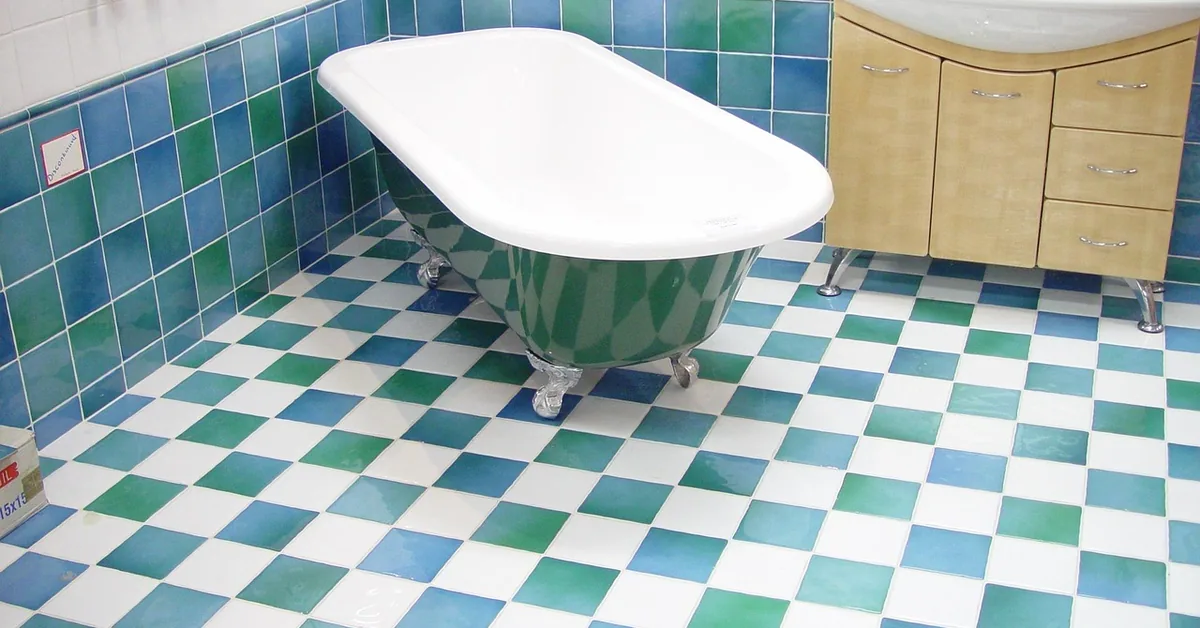
How to Build a DIY Bathtub Tray (Wood, Size & Sealant Guide)
A DIY bathtub tray spans your tub’s rim on a 1×8 or 1×10 board of cedar, teak, or poplar — but only a water-based spar urethane, not standard interior polyurethane, holds up to daily steam and standing water. Skip the rubber non-slip pads under the legs and the tray scratches the tub or slides into the water. This guide covers sizing the board to a 30-32 inch tub, pocket-hole leg joinery, and which sealant actually survives a bathroom.
What You’ll Need: Wood, Hardware & Tools
The board you pick matters more than any other decision in this build. A tray that looks fine in the garage can cup or swell within a season once it’s sitting over hot bathwater every day — pine and MDF are the two materials to leave off your list entirely.
| Wood | Water/rot resistance | Approx. cost (1×10 x 6ft) | Best for |
|---|---|---|---|
| Teak | Excellent — natural oils shed water | $45–$70 | Long-term daily use, no re-sealing for years |
| Cedar | Very good — naturally rot-resistant | $25–$35 | Best value pick for most builds |
| Poplar | Poor on its own — needs a full sealant coat | $15–$20 | Budget builds, painted finish only |
| Pine / MDF | Very poor — cups and swells with steam | $10–$15 | Not recommended for this project |
Beyond the board, gather: 1×2 furring strips for the leg supports, wood glue, 1¼-inch pocket-hole or deck screws, 100- and 220-grit sandpaper, a tape measure, a saw, a drill with a pocket-hole jig (or standard pilot-hole bit), and self-adhesive rubber feet for the underside of each leg. If this is your first build, our full woodworking projects guide has more beginner-friendly builds at every skill level.
Get the Right Size for Your Tub
Most U.S. alcove tubs measure 30 or 32 inches wide at the rim, though older cast-iron tubs can run narrower — always confirm with your own tape measure rather than assuming a standard width. Measure the outside edge-to-edge width at the widest point, then cut your board 1 to 2 inches longer than that measurement so the tray overhangs the rim on both sides instead of sitting flush with it.
Do not cut the tray flush to the exact tub width. A board with zero overhang has nothing to rest on and will drop straight into the water the first time it’s bumped — the 1 to 2 inches of overhang on each side is what keeps it seated on the rim.
Cut the Board to Length
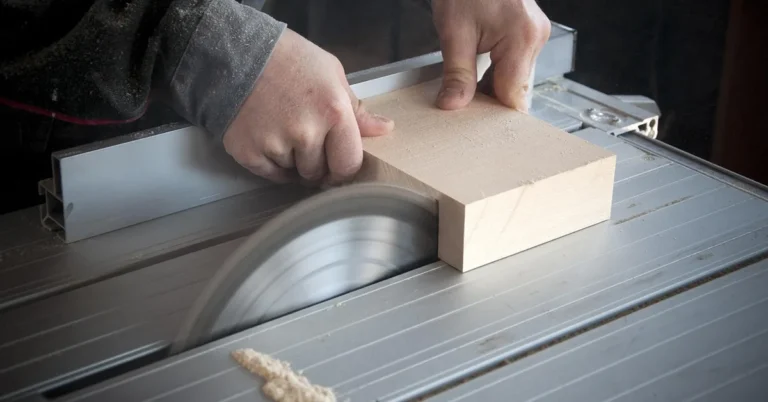
Mark your cut line with a pencil and square, then cut with a circular saw or have your hardware store make the cut if you don’t own one.
- Measure twice: confirm the tub width plus 1–2 inches of overhang before marking the board.
- Square the line: use a speed square so the cut is 90 degrees to the board’s edge — an angled cut leaves uneven overhang on each side.
- Cut once: a fine-tooth blade on a circular saw leaves a cleaner edge than a standard framing blade and needs less sanding after.
Build the Leg Supports with Pocket Holes
Legs keep the tray from sliding side to side across the tub rim and add the extra height a tablet or wine glass needs to clear the water. Pocket-hole joinery is stronger and faster than toe-nailing screws in at an angle, and it hides the fastener inside the joint instead of on the visible face.
- Cut two 1×2 legs: long enough to drop about 1.5–2 inches below the tub rim on each side so the tray can’t slide off.
- Drill pocket holes: two per leg, angled into the underside of the tray board.
- Glue and clamp: run a thin bead of wood glue along the leg-to-board joint before driving screws — glue plus screws resists racking under weight far better than screws alone.
- Drive the screws: 1¼-inch pocket-hole screws, tightened until the joint is snug but not crushing the wood fibers.
According to Kreg Tool’s own bathtub tray plan, leg supports should sit roughly 6 inches in from each end of the board — positioning them further inward lets the tray rock or tip toward the center once weight is added.
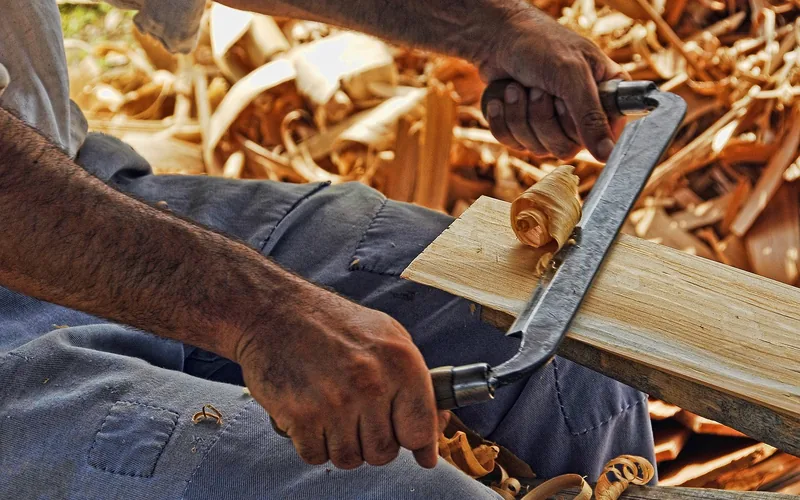
Sand the Edges Smooth
Sanding is what separates a tray that feels finished from one that leaves splinters in bare, wet skin.
- Start at 100-grit: round over every cut edge and corner — a sharp 90-degree edge is the first place a splinter catches.
- Finish at 220-grit: smooth the whole surface, including the underside, until it’s uniformly smooth to the touch.
- Wipe with a tack cloth: remove sanding dust before staining or painting — dust trapped under a finish coat shows up as visible grit once it dries.
Stain or Paint the Tray
Stain shows off the wood grain and works well on cedar or teak; paint gives you an unlimited color match to your bathroom but works best on poplar, where hiding the grain is a feature, not a compromise. Apply either with a brush or lint-free cloth in thin, even coats, and let each coat dry fully before adding the next — a rushed second coat over tacky stain lifts and streaks. The same board-and-finish approach carries over if you’d rather build a DIY wood serving tray for the kitchen table instead of the tub.
Waterproof It: Why Spar Urethane Beats Polyurethane
Spar urethane is a flexible, UV- and moisture-resistant finish originally formulated for boat decks that expand and contract with temperature and humidity. Standard interior polyurethane is harder and more brittle by comparison; it wasn’t built for constant water exposure and can crack or cloud where a bath tray sits directly over hot, humid water for years. A shellac finish is worth knowing about for other wood projects, but it softens in standing water and is not a substitute for spar urethane here.
In our shop we’ve stopped recommending pine or MDF for bath trays for the same reason we skip a single-coat finish on any of them: pine cups noticeably once it’s exposed to daily steam, and MDF swells and delaminates the first time water actually sits on it — no topcoat fixes a substrate problem. Cedar and teak, sealed properly, are what actually last.
- Apply 2–3 thin coats: of water-based spar urethane with a brush, following the dry and recoat times on the can.
- Sand lightly between coats: with 220-grit paper to knock down any raised grain, then wipe clean before the next coat.
- Seal every surface: including the underside and the leg supports — an unsealed underside lets moisture in from below even if the top looks fully coated.
- Cure fully before use: check the can for full cure time (often 24–72 hours) and keep the tray dry until it’s passed, not just dry to the touch.
Best Sealant Pick for a Bathtub Tray
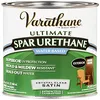 |
Varathane Ultimate Water-Based Spar Urethane, Quart – $30.28 The exact type of finish this guide’s waterproofing section calls for — a flexible, water-based spar urethane rated for constant moisture, not a standard interior polyurethane.
|
As an Amazon Associate we earn from qualifying purchases.
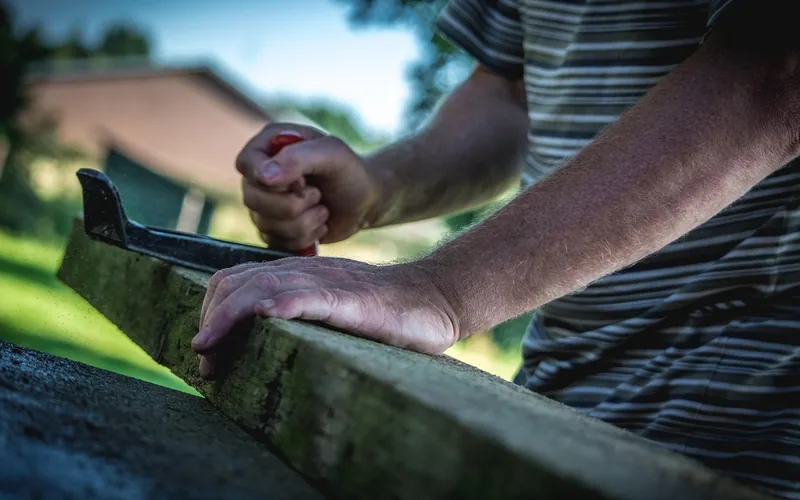
Stop the Tray From Sliding: Add Non-Slip Feet
A sealed wood leg resting on a wet, enameled tub rim has almost no grip, which is how a tray ends up sliding off-center or scratching the tub finish over time. Stick a self-adhesive rubber foot or a strip of non-slip grip tape to the bottom of each leg before the first use — this single step does two jobs at once: it keeps the tray from creeping toward the water, and it stops the bare wood or screw heads from scuffing the tub’s finish every time the tray is set down.
Add a Wine Glass Holder or Book Stand
A wine glass holder is a circular notch cut to snugly fit the base of a glass you already own — trace the actual glass rather than guessing a diameter, so the fit is exact instead of loose enough to tip. A book stand is just a second, shorter strip of wood attached at a slight angle near one end of the tray, propping the book’s spine open without a clip or a heavy object weighing down the pages.
Clean and Maintain Your Bathtub Tray
Wipe the tray down with mild soap and a soft cloth after each use and let it air-dry standing on edge rather than flat, so water doesn’t pool on the surface. Avoid abrasive sponges and harsh cleaners, which dull the sealant coat over time and expose bare wood underneath. Once a year, check the finish for dull or worn patches — usually along the front edge where hands and glasses rest most — and add one fresh coat of spar urethane there before it wears through to bare wood.

Frequently Asked Questions
What size should a DIY bathtub tray be?
Cut the board 1 to 2 inches longer than your tub’s outside width at the widest point, which is 30 or 32 inches on most U.S. alcove tubs. That overhang is what keeps the tray resting on the rim instead of dropping in when it’s bumped.
What wood is best for a bathtub tray?
Teak and cedar are the best choices because both resist rot and water damage without heavy sealing. Poplar works if it’s fully sealed and painted, but pine and MDF should be avoided — both cup or swell with regular steam exposure.
Is polyurethane waterproof enough for a bath tray?
Standard interior polyurethane isn’t the right choice; it’s harder and more brittle than spar urethane and wasn’t formulated for constant water and temperature swings. Use a water-based spar urethane instead for a tray that sits over hot bathwater daily.
How do I keep my bathtub tray from sliding?
Attach self-adhesive rubber feet or non-slip grip tape to the bottom of each leg before first use. This keeps the tray from creeping across the wet rim and also protects the tub’s finish from scuffing.
Can I customize my DIY bathtub tray?
Yes — a circular notch traced from your own wine glass creates a snug holder, and a second angled strip of wood makes a simple book stand that props pages open without a clip.
Conclusion
A DIY bathtub tray comes down to three decisions that actually matter: cedar or teak instead of pine or MDF, 1–2 inches of overhang cut into the length, and spar urethane instead of standard polyurethane on every surface including the underside. Get those three right and the rest — legs, sanding, a wine glass notch — is straightforward weekend woodworking.
Sponsored / affiliate links. As an Amazon Associate I earn from qualifying purchases. I may earn additional commission from eligible campaigns.