DIY Drill Press Table: Ultimate Guide for Precision & Efficiency
If you love working on projects that need precision, a drill press table can change the way you work. But buying one can be expensive and might not fit your exact needs.
What if you could build your own, tailored just for your tools and workspace? In this guide, you’ll discover how to create a DIY drill press table that saves you money, improves your accuracy, and makes your drilling tasks easier.
Keep reading, and you’ll find simple steps and tips that anyone can follow—no special skills required. Your next project deserves a perfect setup, and this table could be just what you need.
Benefits Of A Drill Press Table
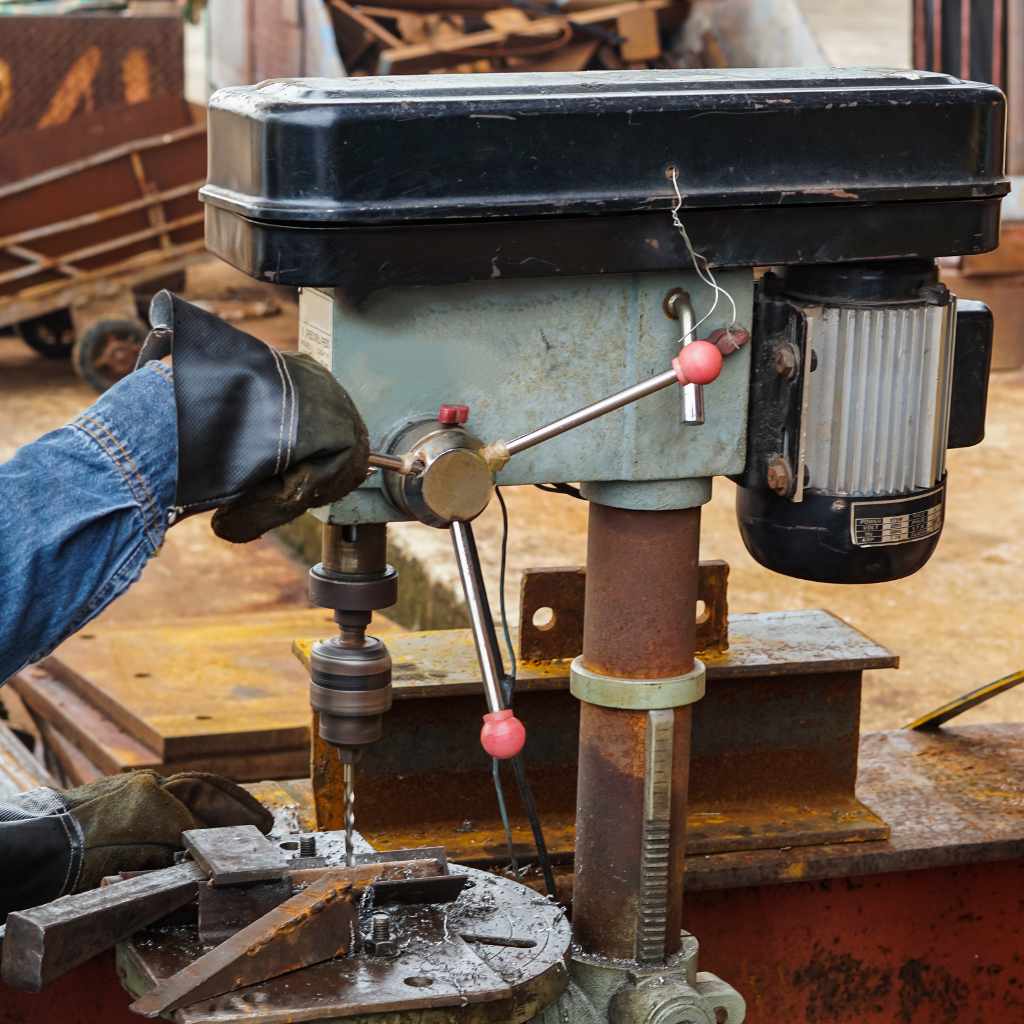
A drill press table offers many benefits to woodworkers and DIY enthusiasts. It makes drilling tasks easier and more precise. This tool helps improve the quality of your work. It also makes your workspace safer and more organized.
Using a drill press table boosts the accuracy of your projects. It holds materials firmly and guides the drill bit perfectly. This results in clean, straight holes every time. You will notice better results than with handheld drilling.
Improved Accuracy
A drill press table keeps your material steady during drilling. It reduces movement and wobbling that cause mistakes. The fixed position allows for precise depth control. This means you can drill exact holes quickly. Repeated drilling is consistent, saving time and effort.
Enhanced Safety
The table secures your workpiece firmly to prevent slips. It keeps your hands away from the drill bit. This lowers the risk of accidents and injuries. Using clamps with the table adds extra protection. Safe working conditions help you focus better on your task.
Increased Versatility
A drill press table can be adjusted to different angles. This allows drilling at various positions and depths. You can work on many types of materials easily. It supports tasks like sanding and routing besides drilling. This makes your drill press more useful and flexible.
Essential Tools And Materials
Building a DIY drill press table requires the right tools and materials. These items ensure the table is sturdy and works well. Using proper supplies makes the project easier and safer. This section covers the essential materials and tools needed for assembly.
Choosing The Right Materials
Start with a solid base for your drill press table. Plywood or MDF boards work best for stability. Choose wood that is thick enough to hold weight without bending. Metal parts add strength, especially for brackets and supports. Pick screws and bolts that fit tightly and hold pieces firmly. A smooth surface helps with precise drilling and easy cleaning.
Necessary Tools For Assembly
A drill is essential for making holes and driving screws. Use a screwdriver or a drill with screwdriver bits. A measuring tape ensures accurate cuts and proper alignment. Clamps keep parts steady while assembling the table. Sandpaper smooths edges and surfaces to avoid splinters. A wrench or pliers helps tighten nuts and bolts securely.
Designing Your Drill Press Table
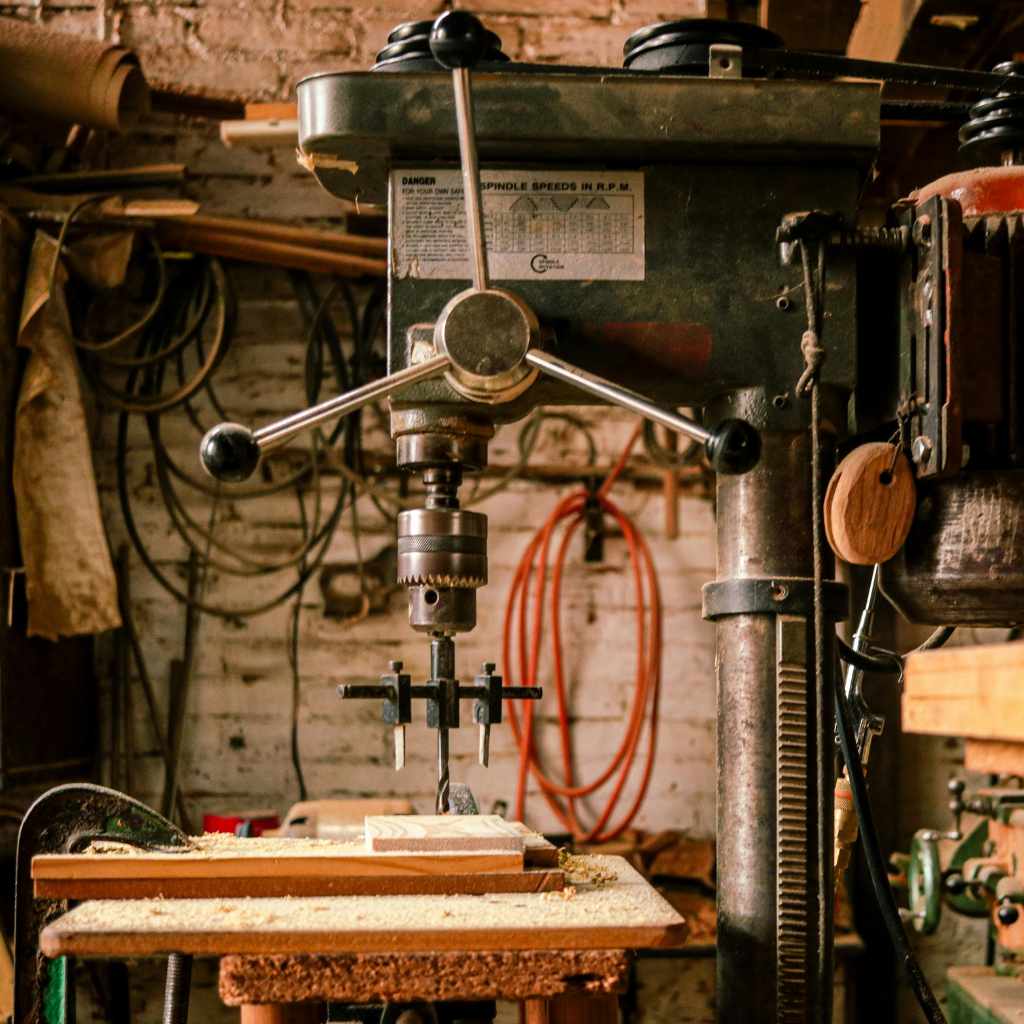
Designing your drill press table shapes how well you work. A well-planned table helps keep projects steady and safe. It must fit your drill press and your workspace perfectly. Think about the size, features, and storage before building. These choices make your table useful and easy to use every day.
Table Size And Surface Options
Choose a table size that fits your drill press and workspace. Bigger tables give more room for large projects. Smaller tables save space but limit your work area. Use smooth, flat surfaces like plywood or MDF for easy drilling. Add a metal insert plate for durability and precise holes. A sturdy surface helps keep materials steady.
Incorporating Adjustable Features
Adjustable features make your drill press table flexible. Add height adjustments to fit different project sizes. Include a tilting top to drill angled holes. Use adjustable fences to guide materials safely and accurately. These features help you work on many types of projects. Adjustability improves control and precision.
Storage And Organization
Good storage keeps tools and bits close to your drill press. Add shelves or drawers under the table for easy access. Use small containers to organize drill bits and screws. Keep your workspace tidy to work faster and safer. Organized storage helps you find tools without wasting time.
Step-by-step Building Process
Building a DIY drill press table can improve your workshop’s efficiency. Follow these clear steps to create a stable and useful table. Each part of the process is simple and helps you get the best results.
Preparing The Base
Start by choosing a strong, flat base. Use thick plywood or MDF for good support. Cut the base to the size that fits your drill press. Sand the edges to avoid splinters. Drill holes for mounting the drill press firmly. Ensure the base sits flat on your workbench.
Constructing The Tabletop
Cut a sturdy piece of wood for the tabletop. The size should allow enough space for your workpieces. Drill a hole in the center for the drill bit to pass through. Smooth all edges and corners. Attach the tabletop to the base using screws. Make sure it is level and stable.
Installing Fence And Stops
Build a fence to guide your materials during drilling. Use a straight wooden strip the length of the tabletop. Attach it parallel to one edge with screws. Add stops to control the depth and position of your workpieces. Use small blocks of wood fixed to the fence. This setup helps keep your work safe and accurate.
Attaching Clamps And Holders
Clamps hold your workpieces firmly on the table. Choose clamps that are easy to adjust and strong. Attach clamp holders to the sides of the table. This keeps clamps ready and organized. Test the clamps to ensure they hold pieces tightly. Proper clamping improves safety and precision.
Customizing For Specific Projects
Customizing a DIY drill press table makes it fit your project needs better. Tailoring your table improves accuracy and safety. Small changes can make big differences in your work. This section covers three key upgrades for specific tasks.
Adding A Miter Gauge
A miter gauge helps cut wood at precise angles. It guides the workpiece smoothly during angled cuts. Installing one on your drill press table is simple. Use a slot in the table to hold the gauge securely. This upgrade improves the quality of angled drilling and cutting jobs.
Integrating Dust Collection
Dust collection keeps your workspace clean and safe. Sawdust and debris can cause problems during drilling. Add a dust port or vacuum attachment to your table. This setup reduces mess and protects your lungs. It also helps keep the drill press parts free from dust buildup.
Upgrading For Larger Workpieces
Big projects need a bigger workspace. Extend your drill press table surface for extra support. Use strong, flat materials like plywood or MDF for the extension. Add clamps or stops to hold large pieces steady. This upgrade makes handling big materials easier and safer.
Maintenance Tips For Longevity
Maintaining your DIY drill press table is key to keeping it working well for years. Regular care helps avoid breakdowns and keeps your work precise. Simple steps can extend the life of your tool and save money.
Regular Cleaning
Dust and debris build up fast on your drill press table. Wipe the surface after each use. Use a soft cloth to remove dust from all parts. Clean the drill bit holder and clamps too. Keeping the table clean stops rust and damage.
Lubrication And Adjustments
Moving parts need oil to work smoothly. Apply machine oil to the spindle and moving joints. Check the manual for oil type and spots. Adjust belts and screws for tightness. Loose parts cause poor drilling and wear out faster.
Inspecting For Wear And Damage
Look over your drill press table regularly. Check for cracks, rust, and worn parts. Replace damaged belts, screws, or clamps quickly. Early fixes prevent bigger problems. Safe use depends on strong, intact parts.
Troubleshooting Common Issues
Troubles with a DIY drill press table can slow down your work. Fixing these issues helps keep your projects on track. This section covers common problems and easy fixes.
Table Wobble Solutions
A shaky table makes drilling hard and unsafe. Check if all bolts are tight. Loose bolts cause most wobble problems. Use a level to see if the table is flat. Add shims under the table legs if needed. Tighten clamps to keep the table steady during use.
Improving Clamping Efficiency
Weak clamping can let the workpiece move. Use strong clamps that fit your table size. Add rubber pads to clamp jaws to stop slipping. Check clamp screws for wear and replace if needed. Position clamps close to the drill spot for better hold. Test clamps before starting your drilling.
Dealing With Misalignment
Misalignment causes holes to be off target. Adjust the table angle carefully using the built-in tilt. Mark the center of your drill bit and workpiece for better alignment. Use a square to check right angles. Tighten all adjustment knobs after setting the position. Recheck alignment before each use.
Frequently Asked Questions
What Materials Are Needed For A Diy Drill Press Table?
You need plywood or MDF for the top, 2×4 lumber for the frame, bolts, wing nuts, and clamps. Additional items include a drill press mounting bracket and measuring tools. These materials ensure a sturdy, customizable, and functional drill press table.
How To Improve Drill Press Accuracy With A Diy Table?
A DIY table stabilizes the drill press and allows precise adjustments. Adding a fence, clamps, and a smooth surface helps guide materials accurately. This setup reduces wobble and improves drilling precision, essential for consistent, professional results.
Can I Customize A Drill Press Table For Different Projects?
Yes, you can customize the table size, add adjustable fences, and include miter gauges. Modular designs let you swap parts for various tasks. Custom features enhance versatility and make your drill press suitable for diverse woodworking jobs.
How Do I Ensure Safety Using A Diy Drill Press Table?
Secure the drill press firmly to the table and keep the surface clean. Use clamps to hold workpieces and wear safety goggles. Proper lighting and maintaining tools in good condition also reduce accidents during operation.
Conclusion
Building a DIY drill press table saves money and fits your needs well. You control the size, shape, and features to match your work. It makes drilling tasks easier and safer every time. The project uses simple tools and materials anyone can find.
Take your time and follow steps carefully for best results. This table will improve your workshop and help your projects succeed. Give it a try and enjoy the benefits of a custom drill press table.