Do Mineral Spirits Go Bad? Real Shelf Life, Storage & Reuse Tips
No – mineral spirits are a petroleum distillate, and petroleum distillates don’t chemically break down the way organic products do. A sealed can from ten years ago is almost always just as usable as a fresh one. What actually goes bad is a container you’ve opened and reused for brush cleaning: the dissolved paint and finish residue settles out, turns the liquid cloudy, and makes it look “expired” even though the solvent itself never left.
The Short Answer: They Don’t Expire, They Get Contaminated
Mineral spirits (also sold as white spirit or paint thinner) are distilled from petroleum, not brewed from anything organic. There’s no bacteria to grow, no oils to oxidize into rancidity, and no expiration clock ticking the way there is with something like linseed oil or wood glue. Sealed and stored indoors, an unopened can has effectively no shelf life limit – woodworkers regularly report using cans that sat in a shed for 15 years with zero issues.
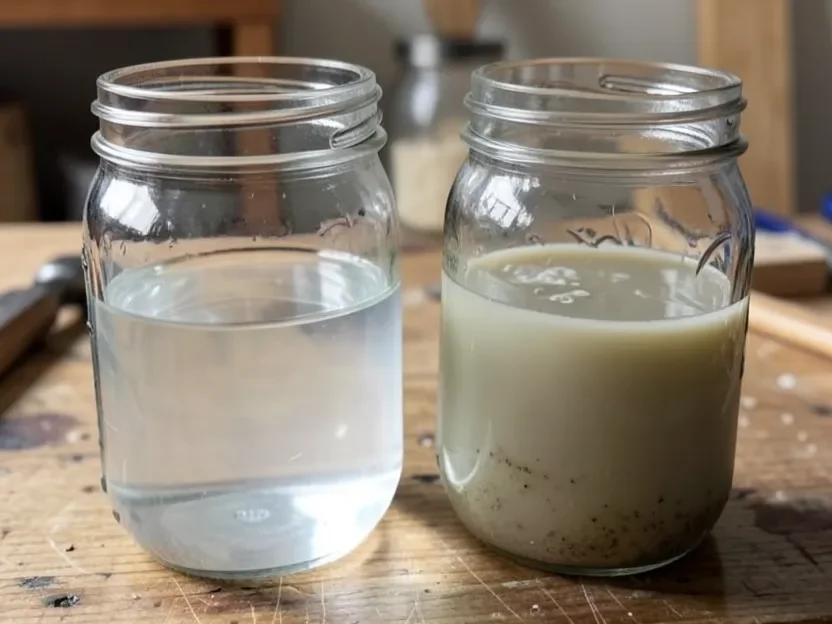
The confusion comes from reused mineral spirits – the batch you keep in a jar specifically for cleaning brushes. Every time you swirl a paint-loaded brush through it, a little bit of pigment, resin, and dried finish comes off into the liquid. After a few uses it turns cloudy or amber, and that visual change makes people assume the solvent itself has “gone bad.” It hasn’t. It’s just dirty.
Best Way to Store Leftover Mineral Spirits
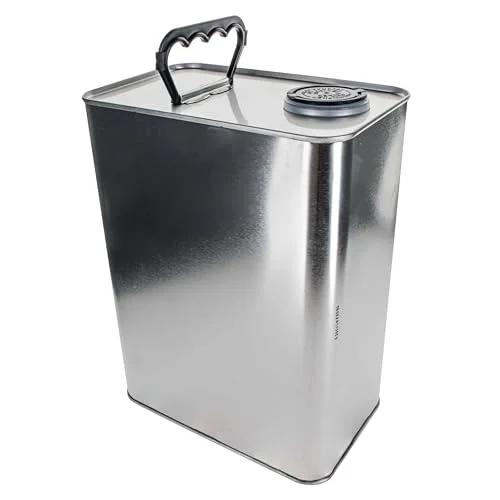 |
Master Elite 1-Gallon Metal Solvent Can with Caps – $23.99 An airtight, solvent-resistant steel can is the single biggest factor in how long mineral spirits actually last – this one is built for exactly that.
|
Why Petroleum Distillates Barely Age
Mineral spirits are a mix of aliphatic and light aromatic hydrocarbons refined out of crude oil – chemically, they’re closer to a light-grade fuel than to a plant-based oil. That matters because the two things that age organic finishing products, oxidation and microbial breakdown, barely touch a hydrocarbon solvent. Linseed oil and tung oil cure and eventually go rancid because they’re unsaturated fats reacting with oxygen. Water-based glue can grow mold. Mineral spirits has neither vulnerability – there’s no fat to oxidize and no water content for anything to grow in.
The one real chemical risk is evaporation, and it’s a physical process, not a decay process: light hydrocarbons evaporate steadily at room temperature the moment air can reach them. Leave the cap loose or the seal cracked and you’ll come back to a container that’s lower on volume and slightly more concentrated in whatever heavier compounds evaporate slower – not spoiled, just reduced.
What Actually Shortens Its Usable Life
Three things degrade mineral spirits in practice, and only one of them is really about time:
A loose or damaged seal. Any gap in the lid lets the lighter fractions evaporate off over weeks or months, thickening what’s left and cutting into how much solvent you actually have. This is the only scenario where “shelf life” in the traditional sense applies at all.
Reuse contamination. This is the one nobody warns you about. Dip a brush loaded with oil paint or varnish into a jar of mineral spirits over and over, and the solvent accumulates dissolved solids – pigment, resin, dried finish flakes. It goes cloudy, then amber, then eventually thick enough that it can’t cut through fresh paint the way it used to. The mineral spirits hasn’t chemically changed; it’s just carrying a load of everything you’ve cleaned out of it.
Cross-contamination with the wrong material. Some plastics react with mineral spirits over long storage, and mixing it with an incompatible chemical (bleach, ammonia-based cleaners) can create a genuinely dangerous reaction. This isn’t about the solvent aging – it’s about what you stored it next to or in.
How to Tell If Yours Are Still Good
Skip the guessing and check three things directly:
Clarity. Fresh, unused mineral spirits is water-clear with no particles. Reused mineral spirits that’s gone cloudy or has visible sediment at the bottom isn’t ruined, but it’s carrying contamination – see the filtering method below before you decide to toss it.
Smell. Mineral spirits has a mild, kerosene-like petroleum odor. If yours smells sour, rancid, or noticeably different from a fresh can, that’s usually a sign it’s been mixed with something else, not that the solvent itself degraded.
Performance. The real test: does it still cut through fresh paint and clean a brush the way it should? Heavily contaminated mineral spirits will leave a hazy film or fail to fully dissolve fresh finish, even if it still looks liquid. If it still thins and cleans normally, use it – color alone isn’t disqualifying.
Rescue Cloudy, Reused Mineral Spirits Instead of Tossing It
This is the part most shelf-life articles skip, and it’s genuinely useful: cloudy mineral spirits from brush cleaning can almost always be reclaimed rather than thrown out.
Settle-and-decant. Leave the used mineral spirits sitting undisturbed in a sealed, labeled jar for two to three days. Paint solids and pigment are heavier than the solvent and sink to the bottom. Once the top two-thirds looks clear again, slowly pour off that clear layer into a clean container and leave the sludge behind. Woodworkers who clean brushes regularly report reusing the same batch of mineral spirits indefinitely this way, only ever discarding the sediment.
Filter it. If you don’t want to wait, pour the cloudy mineral spirits through a paper coffee filter or fine mesh paint strainer into a clean container. It won’t remove every trace of dissolved finish the way settling does, but it strips out enough particulate to noticeably clear the liquid and extend how many more cleanings it’s good for.
When to actually stop reusing it. Once the decanted liquid still looks milky after settling, or it no longer cuts fresh paint cleanly during a test dip, the batch has picked up more contamination than settling or filtering can fix. That’s the point to retire it – not the first sign of cloudiness.
Storage That Actually Extends Its Life
Container Choice
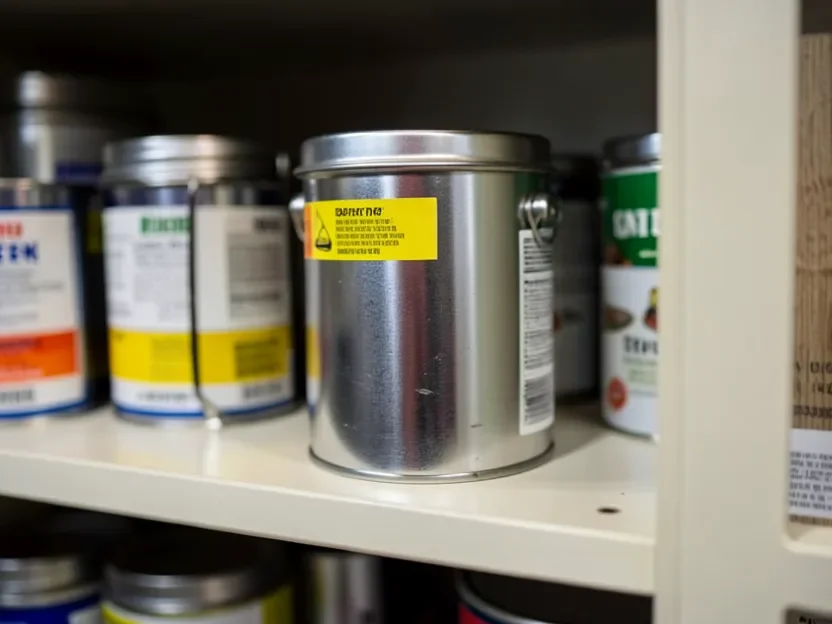
Metal cans with a tight snap or screw seal, or glass jars with a rubber-gasketed lid, hold a seal far better than the original plastic jug once it’s been opened and closed repeatedly – the threads wear and stop sealing tightly over time. Avoid soft or unrated plastics for long-term storage; some react with the solvent over months of contact and can become brittle or leach into the liquid.
Where to Keep It
Cool, dark, and stable beats anything fancier. A closed cabinet or shelf away from a furnace, water heater, or direct sun keeps evaporation and pressure buildup to a minimum – heat cycling is what pushes vapor past a mediocre seal. Mineral spirits is flammable, so keep it away from open flames or pilot lights regardless of how well it’s sealed.
When to Get Rid of It
Mineral spirits doesn’t need to be replaced on a schedule, but retire a batch if the container has rusted through, the liquid no longer clears after settling, or it’s been mixed with an unknown chemical. Never pour it down a drain or onto the ground – it’s a hazardous liquid under most local rules. Let unusable sludge or contaminated batches dry out in an open, ventilated container away from anything flammable, then take the dried residue (or the sealed liquid, if your facility takes it that way) to a household hazardous waste collection site. Most municipal sites accept it free of charge.
Mineral Spirits vs. Related Solvents
If you’re weighing whether mineral spirits is even the right solvent for a given job, our paint thinner vs. mineral spirits breakdown compares them by actual SDS data rather than marketing claims. And if evaporation speed specifically – not shelf life – is what you’re trying to figure out, see how fast mineral spirits evaporates for typical open-air timing.
Prefer to skip solvents for brush cleanup entirely? See how to clean stain off a brush without mineral spirits for household alternatives. And before staining wood after wiping it down with mineral spirits, confirm the surface has fully dried first — see how long to let mineral spirits dry before staining for typical wait times.
Frequently Asked Questions
Do Mineral Spirits Expire?
Not chemically. Sealed and stored properly, mineral spirits has no real expiration date because it’s a petroleum distillate rather than an organic product that oxidizes or spoils. What looks like “expiring” is almost always evaporation from a poor seal or contamination from being reused for brush cleaning.
How Should I Store Mineral Spirits to Make Them Last?
Keep it in a metal can or glass jar with a tight, gasketed seal, stored in a cool, dark spot away from heat sources and flames. A seal that’s been opened and closed many times is the most common failure point, so consider transferring older stock into a fresh, well-sealed container.
Why Do Reused Mineral Spirits Turn Cloudy?
Cloudiness comes from dissolved paint, varnish, and pigment left behind by brushes cleaned in that batch, not from the solvent itself degrading. Left to settle for a couple of days, the solids sink and the clear solvent on top can be poured off and reused.
Can I Still Use Cloudy or Discolored Mineral Spirits?
Usually yes, once you settle or filter out the suspended residue. Only retire a batch if it stays milky after settling, no longer cuts fresh paint during a test use, or has been contaminated with an unknown chemical.
How Long Do Mineral Spirits Actually Last?
Unopened and properly sealed, indefinitely – woodworkers routinely report using cans stored for over a decade with no issues. Reused batches kept for brush cleaning last as long as you keep settling or filtering out the paint residue, which for most people means years of reuse from a single quart.
Bottom Line
Mineral spirits doesn’t go bad the way food or organic finishing oils do – it’s a stable petroleum distillate that a sealed container will protect indefinitely. The real threats are a loose seal that lets it evaporate and the paint residue that builds up from reusing it for brush cleaning, and both are manageable: reseal it properly, and settle or filter cloudy batches instead of tossing them at the first sign of haze.
Sponsored / affiliate links. As an Amazon Associate I earn from qualifying purchases. I may earn additional commission from eligible campaigns.