Do Subterranean Termites Eat Wood: Uncover Shocking Truths!
Have you ever wondered if those tiny tunnels in your wooden furniture mean trouble? If you suspect something is eating away at your home’s wood, you’re not alone.
Subterranean termites are sneaky creatures that can cause serious damage before you even notice. But do subterranean termites really eat wood, and how can you protect your home from them? Keep reading to find out what these pests are all about and how you can stop them before they destroy your valuable wood.
Subterranean Termites Basics
Subterranean termites are one of the most common termite types that cause damage to wood. These tiny insects live mostly underground and build large colonies. Their ability to eat wood makes them a serious threat to homes and wooden structures. Understanding their basics helps protect property from costly damage.
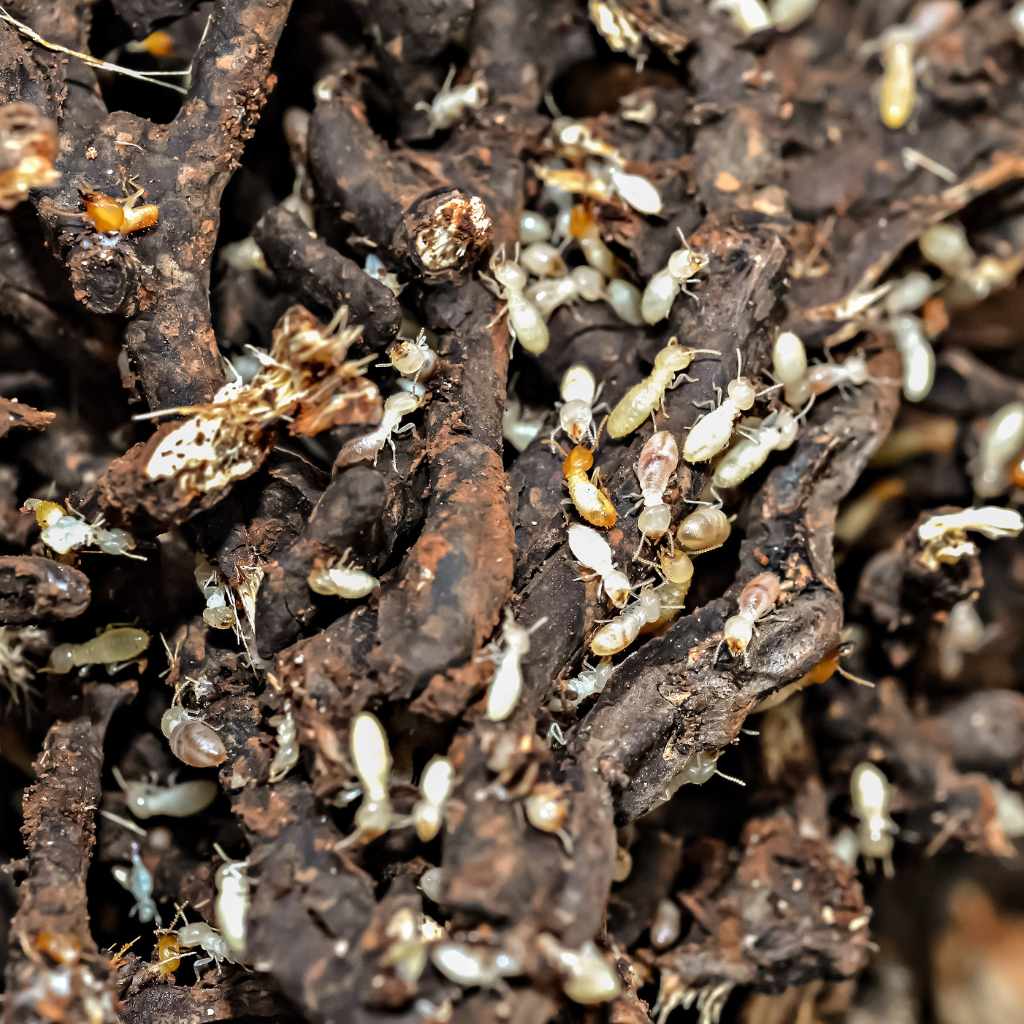
These termites work together in large groups. They create tunnels in soil to reach wood sources. Their colonies can contain thousands to millions of termites. Knowing their behavior and habits helps in early detection and control.
Types Of Termites
Subterranean termites belong to several species. The most common ones include the Eastern subterranean termite, Formosan termite, and Western subterranean termite. Each type has unique traits but shares the habit of living underground. They all feed on cellulose found in wood and plant materials.
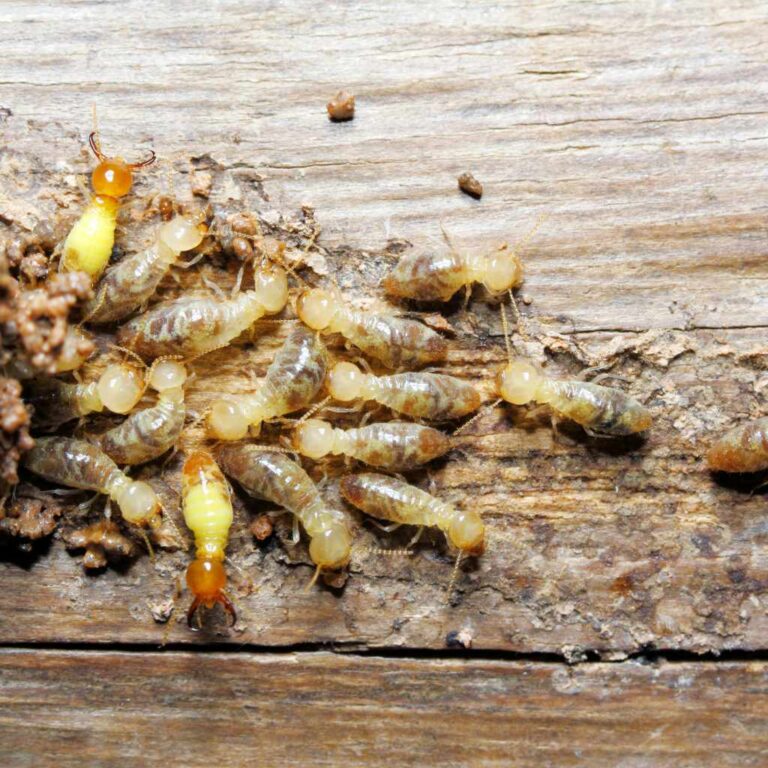
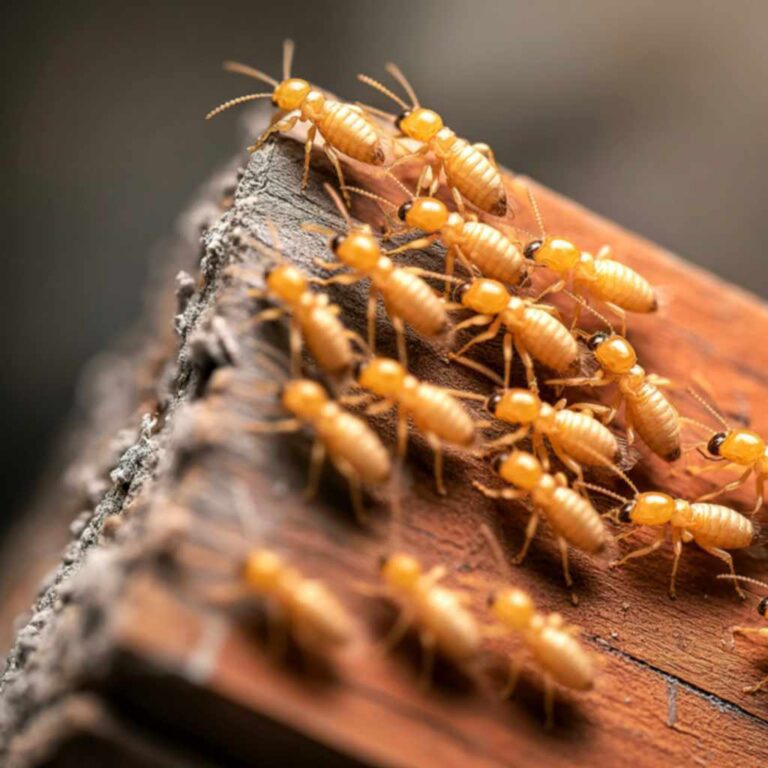
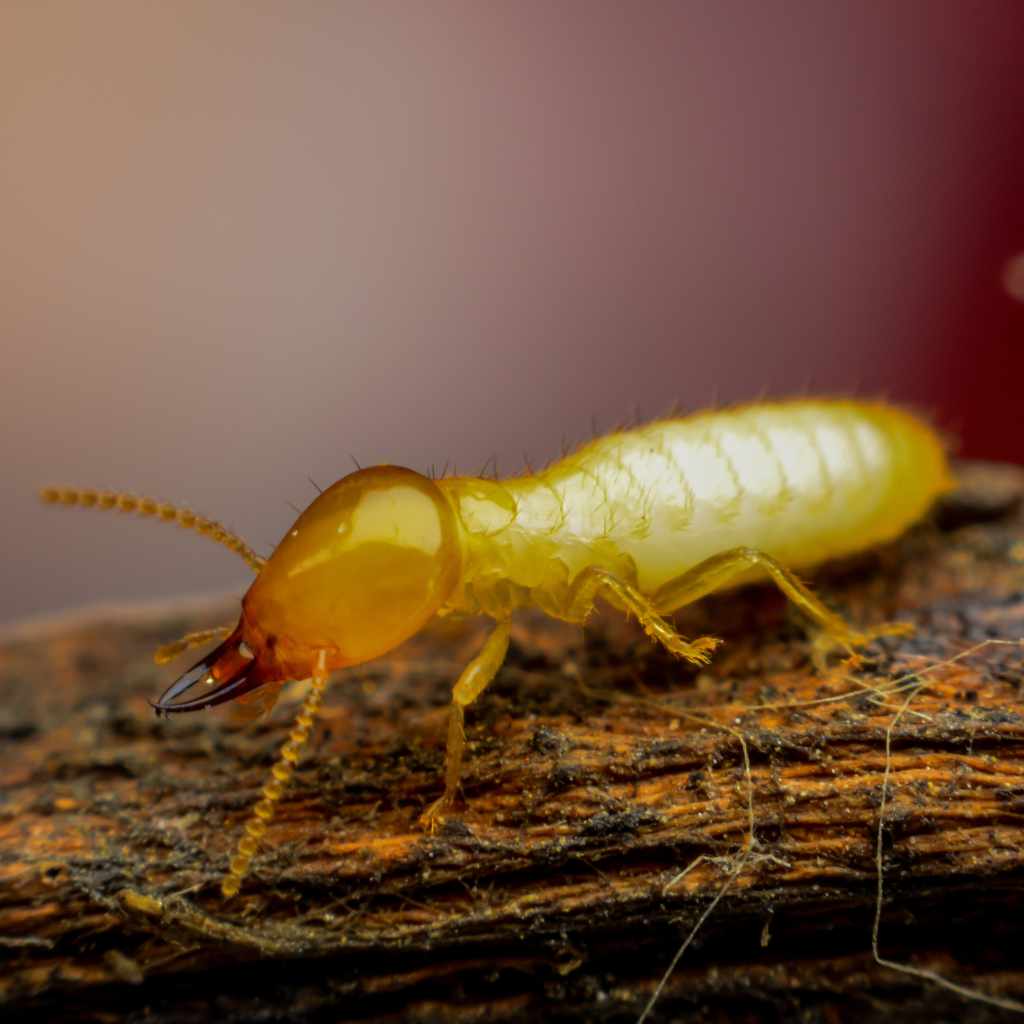
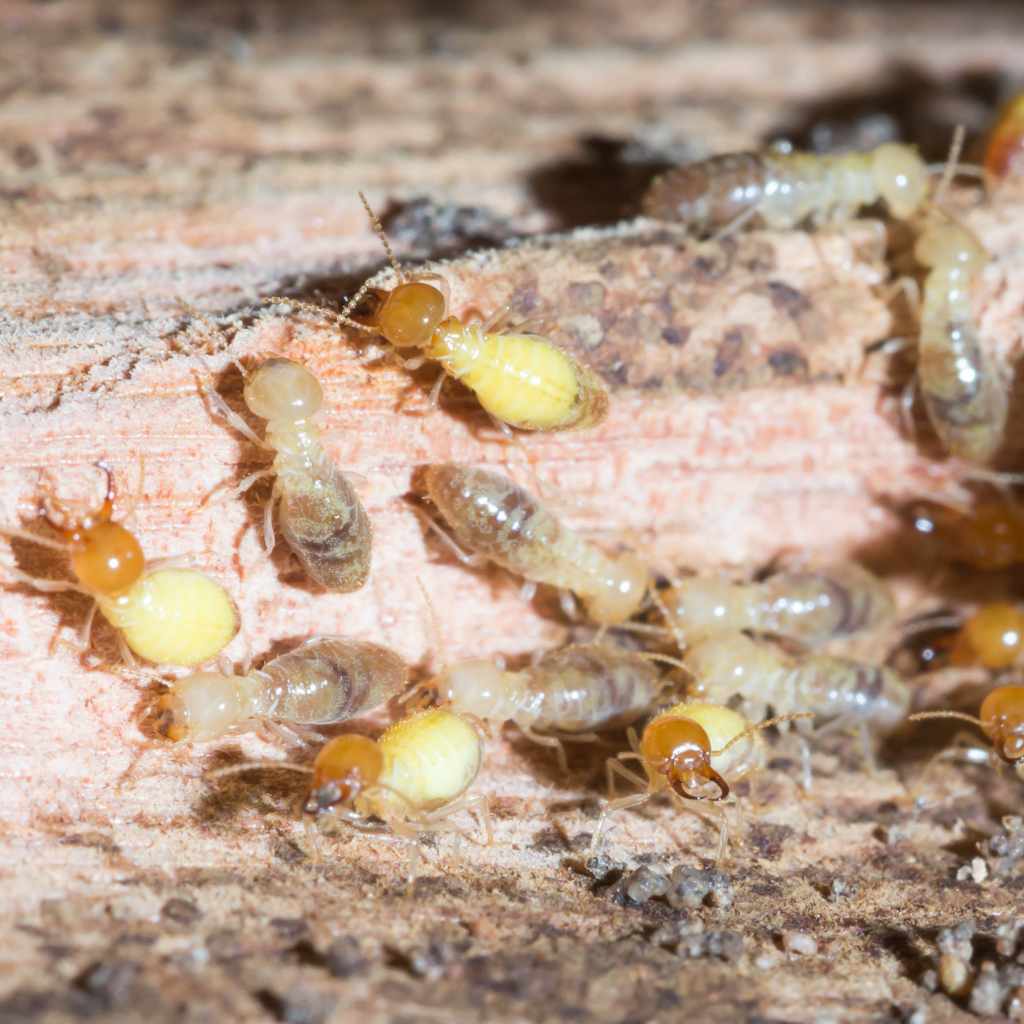
These termites differ in size and color. Workers are pale and small, while soldiers have large heads and strong jaws. The reproductive termites have wings and start new colonies. Identifying the types helps in choosing the right treatment method.
Habitat And Lifestyle
Subterranean termites live in moist soil near wood. They need moisture to survive and build mud tubes for protection. These tubes connect their nests to food sources above ground. Termites travel through these tubes to avoid light and air exposure.
Their nests can be inside tree roots, wood piles, or building foundations. They prefer warm, damp environments for growth. These termites eat wood slowly but can cause serious damage over time. Constant moisture and access to wood make ideal living conditions.
Termite Diet Explained
Subterranean termites have a unique diet that helps them survive underground. They mainly eat wood, but they also consume other materials. Their strong jaws and special bacteria help break down tough substances. Understanding what termites eat helps protect your home better.
Wood As A Primary Food Source
Wood is the main food for subterranean termites. They prefer soft, damp wood that is easier to chew. Termites feed on cellulose, a natural fiber found in wood. This fiber gives termites the energy they need. They can damage wooden structures by eating inside the wood.
Other Materials They Consume
Termites also eat other materials with cellulose. These include paper, cardboard, and plant fibers. They sometimes consume decayed wood and leaf litter. Even some fabrics made from natural fibers can be eaten. Their diet is flexible, but wood remains the favorite.
How Termites Consume Wood
Subterranean termites have a unique way to eat wood. They do not chew wood directly like other insects. Instead, they rely on tiny helpers inside their bodies.
These helpers are special microbes that live in termite guts. They help break down the tough wood fibers. This process allows termites to get nutrients from the wood.
Role Of Symbiotic Microbes
Termites have microbes like bacteria and protozoa inside their stomachs. These microbes help break down cellulose, the main part of wood. Termites cannot digest cellulose alone. The microbes produce enzymes that split cellulose into smaller parts. Termites then absorb these small parts as food. This teamwork helps termites survive on wood alone.
Wood Decomposition Process
The wood decomposition starts when termites chew on wood. Their saliva mixes with wood particles. This softens the wood and makes it easier to digest. The microbes then break down cellulose into sugars. Termites absorb these sugars as energy. The process also creates waste that termites push out. This waste can help enrich soil in nature.
Signs Of Termite Wood Damage
Termites eat wood quietly, causing damage that is not always easy to see. Detecting termite damage early is important to protect your home. Signs of termite wood damage help you find trouble before it grows worse. These signs show how termites affect wood and weaken structures.
Visible Damage Patterns
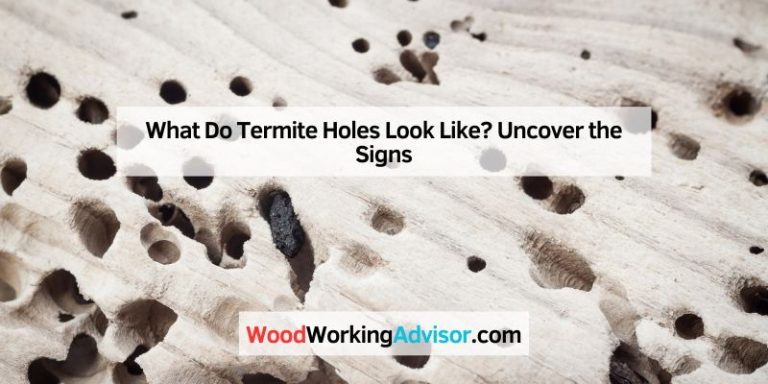
Termite damage looks different from other wood problems. You may see thin tunnels or grooves on wood surfaces. These tunnels are often hidden under paint or wallpaper. Wood may appear blistered or peeling in some places. Sometimes, wood sounds hollow when tapped. Small piles of dirt or mud tubes along wood can also indicate termites.
Structural Weakness Indicators
Termite damage weakens wood structure. Doors or windows may stick or not close properly. Floors might feel soft or uneven underfoot. Walls may show cracks or sagging sections. Wood beams and joists could bend or break easily. These signs suggest termites have eaten inside the wood, making it unsafe.
Termite Impact On Homes
Subterranean termites cause serious damage to homes. They eat wood from the inside out. This weakens the structure and can lead to costly repairs.
These termites live underground and build tunnels to reach wood. They stay hidden and work quietly for years. Homeowners often do not notice the damage until it is severe.
Common Areas Attacked
Termites attack wooden parts of homes most often. They target beams, floors, and walls. Wooden furniture and window frames are also at risk.
They prefer moist areas near the foundation. Basements and crawl spaces are common entry points. Termites also invade attics if wood is present.
Cost Of Repairs
Repairing termite damage can be expensive. Costs depend on the size and location of damage. It may involve replacing wood, repainting, and treating the home.
Ignoring termite damage raises repair bills. Early detection saves money and prevents structural problems. Regular inspections help catch termites early.
Preventing Termite Infestations
Preventing termite infestations is key to protecting your home from damage. Termites can quietly eat away wood, causing costly repairs. Taking early action helps keep your property safe and strong. Simple steps can reduce the risk of these pests invading your space.
Home Inspection Tips
Regularly check wood surfaces for signs of termite damage. Look for mud tubes, hollow wood, or small holes. Inspect areas near the foundation and wooden structures. Pay attention to damp or dark spots on wood. Use a screwdriver to test if wood feels soft or crumbly. Early detection stops termites before they spread.
Effective Barriers And Treatments
Physical barriers block termites from entering your home. Use metal mesh or sand barriers around foundations. Chemical treatments create a protective zone in the soil. Apply termiticides to soil near wooden parts of the house. Treat wood with borate solutions to prevent termite attacks. These barriers and treatments reduce termite chances greatly.
Dealing With Termite Problems
Termite problems need quick action to stop damage. Subterranean termites eat wood and can ruin homes quietly. Catching them early saves time and money. Many ways exist to deal with these pests. Choose the best method for your situation.
Professional Treatment Options
Experts use special tools and chemicals to kill termites. They check your home carefully for signs of activity. Treatment may include bait stations or liquid barriers around the house. Professionals know the best products that are safe and effective. They also offer advice to prevent future termite attacks. Hiring a pro means faster and stronger results.
DIY Solutions
Some home remedies help reduce termite numbers. Applying termite sprays or powders around wood can protect it. Boric acid is a common safe option for small problems. Keeping wood dry and removing debris helps stop termites. These methods work best for minor infestations or prevention. Watch closely and repeat treatments as needed.
Frequently Asked Questions
Do Subterranean Termites Eat All Types Of Wood?
Subterranean termites prefer soft, moist wood but can consume almost any wood type. They target wood with high cellulose content. Hardwoods are less attractive but still vulnerable if conditions are right. Preventing moisture buildup can reduce the risk of infestation.
How Do Subterranean Termites Damage Wooden Structures?
They tunnel through wood, creating hollow galleries inside. This weakens the wood’s structural integrity. Damage often goes unnoticed until it becomes severe. Early detection and treatment are crucial to prevent costly repairs.
Can Subterranean Termites Survive Without Direct Wood Contact?
Yes, they build mud tubes to reach wood from soil. These tubes protect them from dryness and predators. They rely on soil moisture for survival. Disrupting these tubes can help control infestations.
What Signs Indicate Subterranean Termite Wood Damage?
Look for mud tubes, hollow-sounding wood, and blistered surfaces. You may also notice discarded wings near windows or doors. Early signs help in prompt pest control and reduce damage costs.
Conclusion
Subterranean termites do eat wood and cause serious damage. They live underground and build tunnels to reach wooden structures. These insects eat wood from the inside out, making damage hard to see. Early detection is key to protect your home.
Regular inspections help catch problems before they grow. Treating infestations quickly stops further harm. Knowing how termites behave helps you stay prepared. Protect your property by staying alert and acting fast. Wood damage from termites is real and requires attention.
Don’t wait until the problem becomes too big.