Do Winged Termites Eat Wood: Uncover the Hidden Truth Now
Are you worried about tiny winged insects buzzing around your home? You might be asking, “Do winged termites eat wood?”
Understanding what these insects do is key to protecting your house. If you spot them, it’s not just a nuisance—it could be a sign of hidden damage. Keep reading to discover the truth about winged termites and how they might affect your wood structures before it’s too late.
Types Of Winged Termites
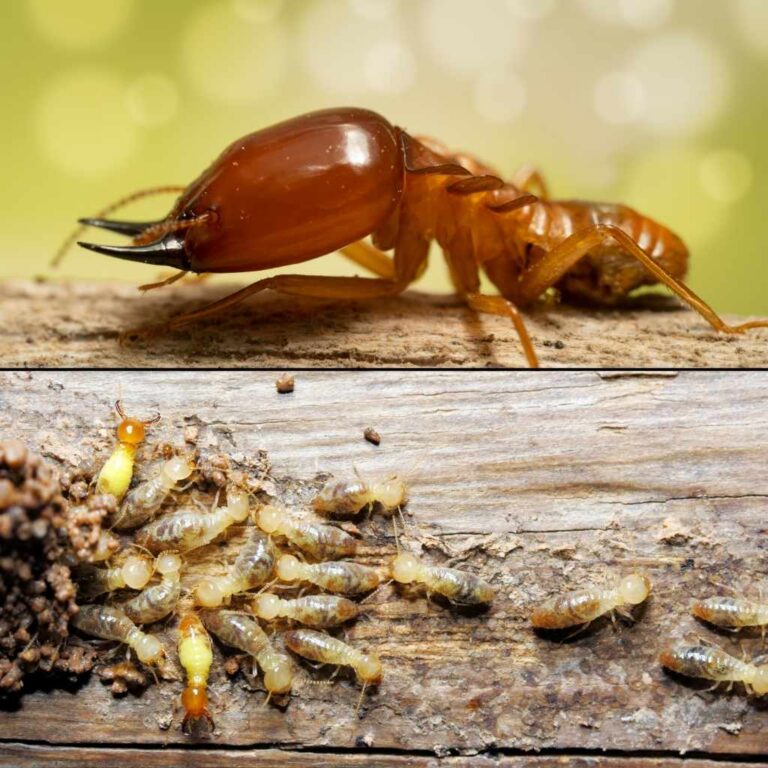
Winged termites are a common sight in many homes and gardens. They are often mistaken for flying ants but have unique roles within their colonies. Understanding the types of winged termites helps explain their behavior and impact on wood. These termites are crucial for the colony’s growth and survival.
There are specific types of winged termites, each with a different purpose. Knowing these types can help identify termite problems early. The two main types are the primary reproductive termites and the swarmers.
Primary Reproductive Termites
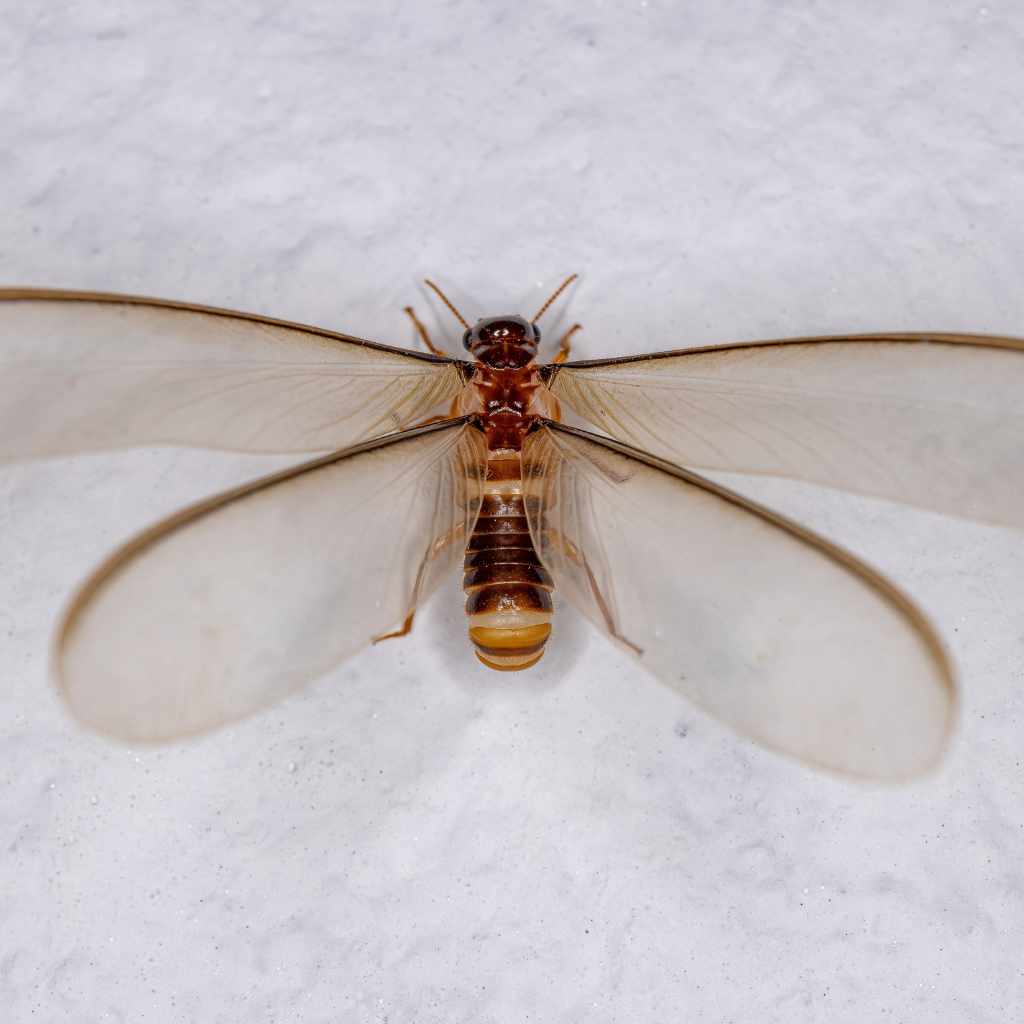
Primary reproductive termites are the leaders of the colony. They have large wings and dark bodies. Their main job is to mate and start new colonies. After a swarm, they shed their wings and look for wood to build a nest. They do eat wood but mainly to nourish their developing colony. These termites are the root cause of many infestations.
Swarmers And Their Role
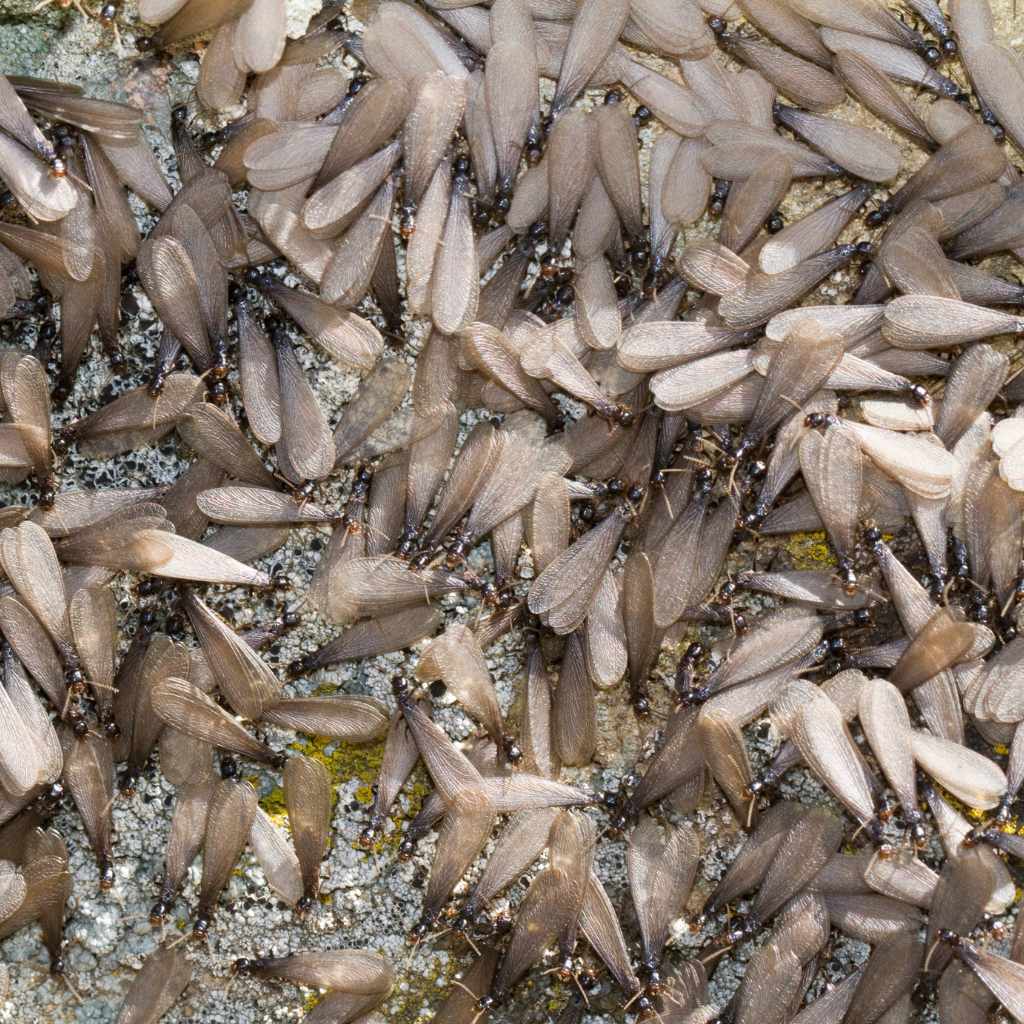
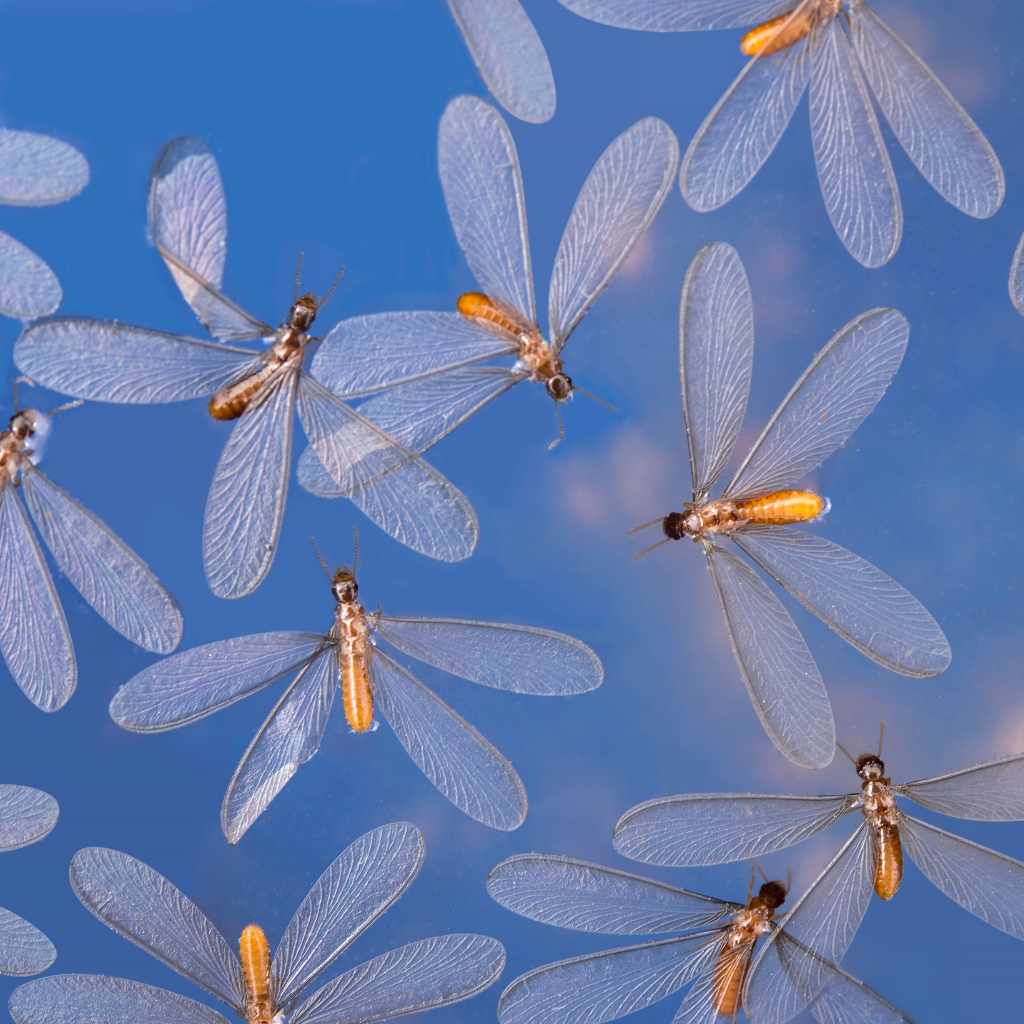
Swarmers are young winged termites ready to leave the colony. They fly out in large groups during warm, humid days. Their mission is to find mates and start new colonies. Swarmers do not eat wood themselves. Instead, they rely on workers to feed them once the new colony forms. Swarming signals an active termite colony nearby.
Termite Diet And Wood Consumption
Termites are well-known for their ability to consume wood. Their diet mainly consists of cellulose, a key part of plant cell walls. Winged termites, also called alates, share the same diet as worker termites. Understanding their food preferences helps explain why they damage wooden structures.
Termites digest wood with the help of special microorganisms in their gut. This process breaks down tough fibers into nutrients they can absorb. Wood provides termites with energy and building materials for their colonies.
Wood As A Food Source
Wood is the main food source for most termites. They eat softwood and hardwood, including plywood and particleboard. Termites prefer wood with high moisture content because it is easier to digest.
They consume wood slowly, creating tunnels and galleries inside. This weakens the structure and causes damage over time. Winged termites search for wood to start new colonies and feed their young.
Other Materials Termites Consume
Besides wood, termites eat other materials containing cellulose. Paper, cardboard, and plant debris are also part of their diet. Some termites consume soil rich in organic matter to get nutrients.
They avoid dry, hard materials that lack cellulose. Termites cannot eat plastic, metal, or glass. Their diet depends on the availability of cellulose sources near their colony.
Life Cycle Impact On Wood Damage
The life cycle of winged termites plays a key role in wood damage. Each stage in their development impacts wood differently. Understanding this helps to control termite problems better.
Larvae And Worker Termites
Larvae are the youngest termites. They do not eat wood yet. Their main job is to grow and become workers.
Worker termites are the main wood eaters. They chew through wood to build tunnels and feed the colony. This causes the most damage to wooden structures.
Workers also carry food and care for the young. Their constant eating weakens the wood over time.
Role Of Winged Termites In Colonies
Winged termites, or alates, do not eat wood. Their job is to start new colonies. They fly away from the old nest to mate.
After mating, they lose their wings and find a place to build a new home. This means they spread termite problems to new areas.
While they do not directly damage wood, winged termites help the colony grow. More colonies mean more wood damage in the future.
Signs Of Termite Wood Infestation
Signs of termite wood infestation show early problems with your home’s structure. Detecting these signs fast helps stop serious damage. Termites eat wood quietly, leaving clues behind. These clues tell you if winged termites are present or if wood is damaged.
Visible Damage Patterns
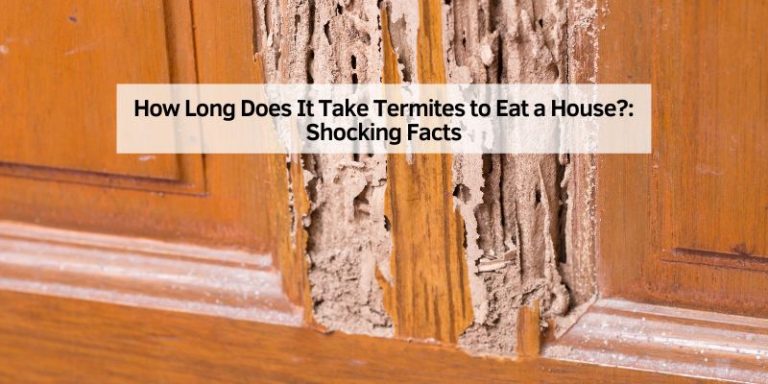
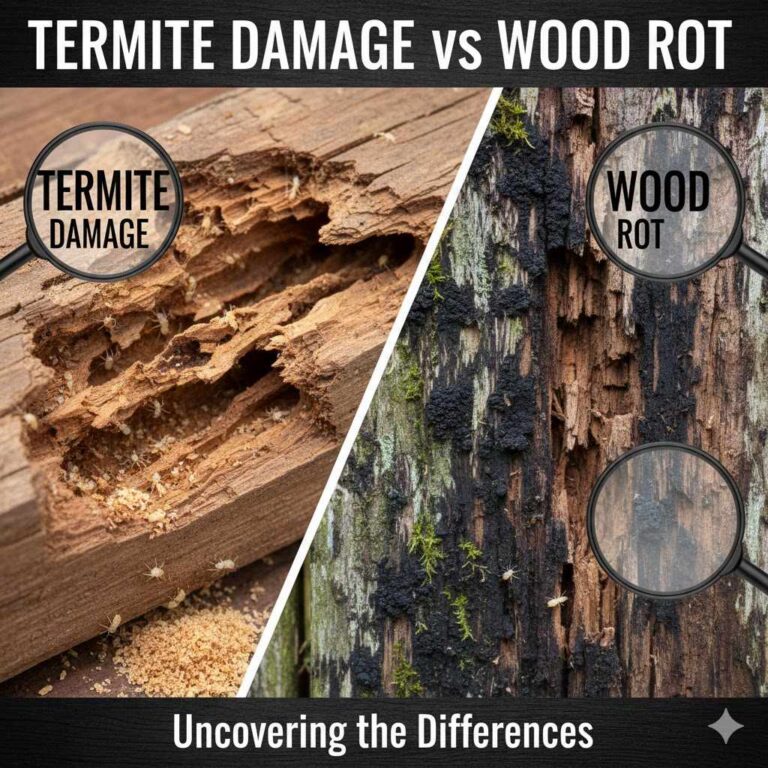
Termite damage looks different from other wood problems. You may see small tunnels or grooves on wood surfaces. Wood may feel hollow if you tap it. Thin layers of wood might peel or flake off. Dark spots or blister-like formations can appear on wood. These patterns suggest termites have eaten inside the wood.
Presence Of Winged Termites
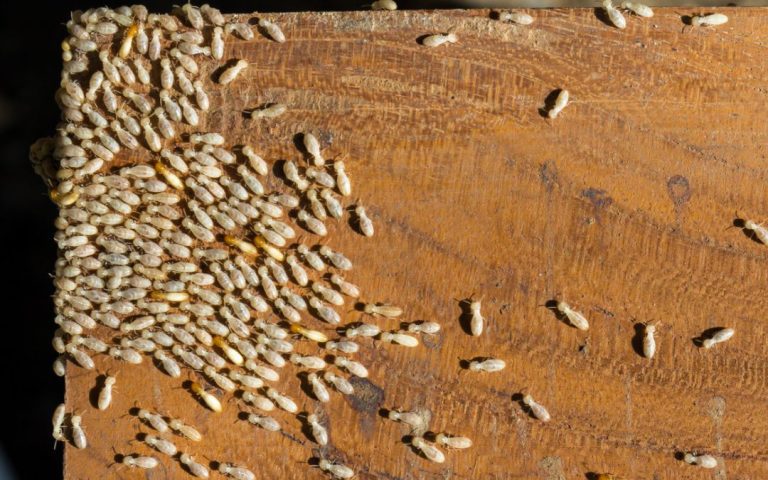
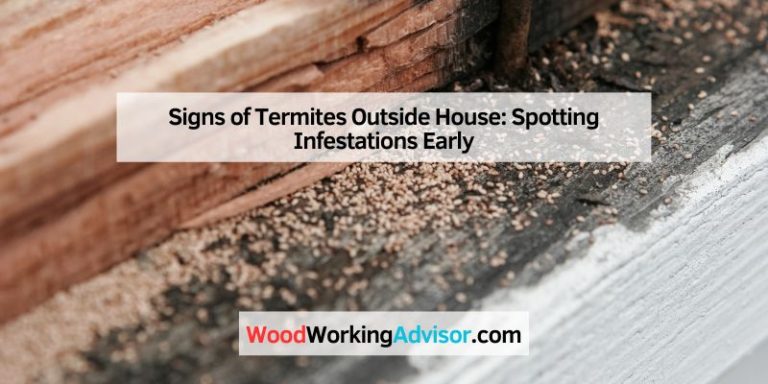
Winged termites, called swarmers, signal active termite colonies. They come out to start new colonies. Spotting them inside or near your home is a warning. You might find discarded wings near windows or doors. Seeing many winged termites at once means a large infestation. Their presence helps confirm termite activity in wood.
Preventing And Managing Termite Damage
Termites can cause serious damage to wooden structures. Preventing and managing termite damage is important to protect your home. Early actions help avoid costly repairs. Regular checks and quick treatment keep termites under control.
Inspection Tips
Check wooden areas often for signs of termites. Look for mud tubes on walls or foundations. Hollow sounds when tapping wood can signal damage. Watch for discarded wings near windows or doors. Pay attention to dark or blistered wood surfaces. Use a flashlight to inspect dark corners and basements. Call a professional if you see any signs of termites.
Effective Treatment Methods
Apply liquid termiticides around your home’s foundation. These chemicals create a barrier that kills termites. Bait stations lure termites to toxic food. They carry poison back to their colony. Use wood treatments that repel or kill termites. Remove any wood debris near your house. Fix leaks and reduce moisture to make your home less inviting. Professional pest control offers the best long-term solutions.
Frequently Asked Questions
Do Winged Termites Eat Wood?
Yes, winged termites, also called swarmers, eat wood. They are reproductive termites that leave the colony to start new ones. Their primary diet consists of cellulose found in wood, paper, and other plant materials.
How To Identify Wood Damage By Winged Termites?
Look for hollowed or damaged wood with mud tubes. Winged termites create tunnels inside wood, causing structural weakening. You might also see discarded wings near windows or doors.
Are Winged Termites Harmful To Homes?
Yes, winged termites can cause significant damage. They infest wooden structures, compromising building integrity. Early detection and treatment are crucial to prevent costly repairs.
When Do Winged Termites Swarm?
Winged termites usually swarm during warm, humid weather in spring or early summer. Swarming signals the start of new colonies. This is a good time to inspect for infestations.
Conclusion
Winged termites do eat wood, causing damage over time. They swarm to find new places to build nests. Inside, they feed on wood, weakening structures. Catching them early can save your home. Watch for signs like discarded wings or mud tubes.
Treating infestations quickly prevents costly repairs. Knowing their behavior helps protect your property. Stay alert and act fast to keep wood safe.