Cedar Species Comparison Chart: Western Red vs Eastern White
Western Red cedar is the best all-around cedar for siding and decking, Eastern White cedar is the lighter choice for fencing and shingles, and Eastern Red cedar is the clearest pick for closets and chests because of its strong aroma. Choosing the wrong species can mean faster rot, more movement, or a wood smell you do not want. This guide gives a cedar species comparison chart for appearance, scent, outdoor durability, and best uses.
| Decision factor | Western Red | Eastern White | Eastern Red | Winner |
|---|---|---|---|---|
| Color | Deeper reddish-brown, with natural luster | Pale white with light brown heartwood | Reddish to brown-red, often warmer and darker than Eastern White | Western Red for rich exterior color |
| Grain and appearance | Fine, attractive look; available in clear, near clear, and tight knot grade | Usually more casual appearance; commonly sold for shingles and fencing | Often chosen for utility and aroma more than face-grade appearance | Western Red for visible finish work |
| Aroma | Light cedar scent | Mild scent | Strong aroma; the usual “aromatic cedar” | Eastern Red |
| Rot resistance | Very good for outdoor use | Prized for rot resistance | Good rot resistance | Eastern White for wet exposure, Western Red close behind |
| Insect resistance | Naturally resistant | Naturally resistant | Naturally resistant; also known for moth-repelling uses | Eastern Red for closet and chest use |
| Common grades | Clear, near clear, tight knot | Grade varies by mill; shingles and fencing are common forms | Often sold for utility and aromatic stock rather than premium face grades | Western Red |
| Typical projects | Siding, decking, pergolas, trellises, timbers | Shingles, fencing, construction | Closets, chests, dressers, furniture, some decking and outdoor furniture | Depends on project |
| Workability | Easy to cut and fasten; good for detailed exterior work | Lightweight and easy to work with | Easy to work with; aroma is the main distinguishing feature | Tie |
| Price tendency | Higher price point than some other cedars | Often a more practical material for simple exterior jobs | Varies by aromatic grade and board quality | Eastern White for budget fencing and shingles |
| Availability | Widely available in exterior lumber channels | Common in shingle and fence supply chains in its native range | Common in closet liner and aromatic board products | Western Red for general exterior sourcing |
| Best pick for siding | Best fit | Usable, but less common | Not the usual choice | Western Red |
| Best pick for fence | Good, especially for premium fences | Best fit for shingles and fencing | Can be used, but not the typical fence cedar | Eastern White |
| Best pick for closet | Possible, but not the usual choice | Not the aromatic standard | Best fit for closets and chests | Eastern Red |
| Best pick for furniture | Good for visible pieces if grade is high | Less common for fine furniture | Good for aromatic storage furniture and dressers | Eastern Red for aromatic furniture; Western Red for visible work |
What is the difference between these cedars?
Western Red cedar, Eastern White cedar, and Eastern Red cedar are different species with different looks, smells, and project uses. Western Red fits exterior work best overall, Eastern White is the pale, lightweight shingle-and-fence choice, and Eastern Red is the aromatic cedar people want for closets and chests.
They do not swap cleanly. A clear-finished siding job, a privacy fence, and a closet liner ask for different strengths, so species choice matters as much as board quality.
Western Red cedar vs Eastern White cedar
Western Red cedar is often a deeper reddish-brown and is commonly available in clear, near-clear, and tight knot grades. Eastern White cedar is pale white with light brown heartwood and is commonly seen as shingles and in fencing and construction, especially where low weight and weather resistance matter.
Western Red is the more familiar exterior cedar for exposed architectural work. Eastern White is often chosen where a lighter board and a traditional shingle look are more useful than a showier face grain.
Eastern Red cedar and aromatic cedar
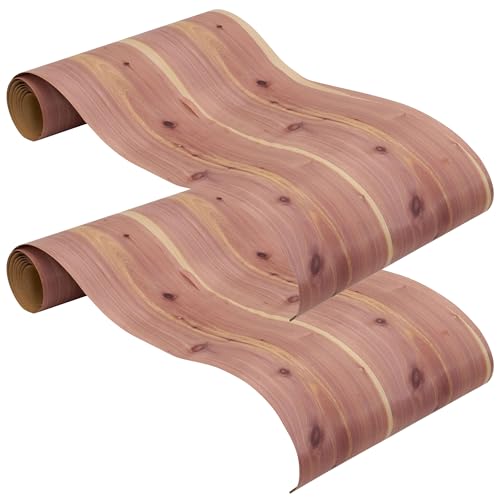
Eastern Red cedar is the species most people mean by aromatic cedar. It is widely used for clothes chests and closets because the wood gives off a strong scent, and it has a long-standing reputation for helping discourage moths in enclosed storage.
That aroma is useful indoors, but it is not the main reason to choose it outside. For outdoor structures, other cedar species are usually judged more on appearance, grade, and weather performance.
True cedars vs common-name cedars
Eastern and western red cedars in the U.S. are not true cedars. True cedars belong to the Cedrus genus, including Cedrus atlantica, Cedrus brevifolia, Cedrus deodara, and Cedrus libani. Those are different trees from the North American species discussed here.
That naming mix-up matters when you compare lumber. A label that says cedar does not always mean the same botanical wood, smell, or outdoor behavior.
Western Red cedar
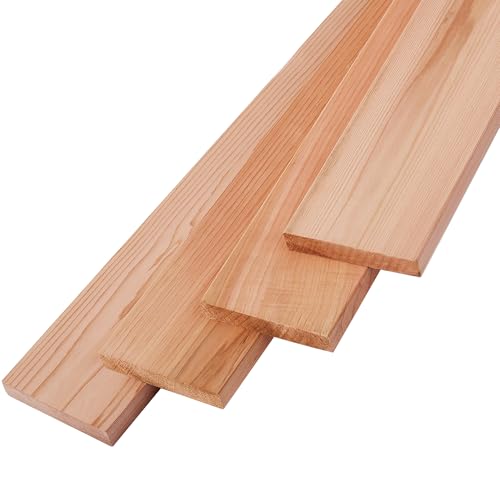
Western Red cedar is the best-known exterior cedar for many buyers. It has deeper reddish-brown coloring, visible luster, and broad grade availability, which makes it a strong choice for siding, decking, pergolas, trellises, and other outdoor entertainment spaces.
Color, grain, and grades
Western Red cedar often stands out because the color is warmer and darker than Eastern White cedar. Clear grade, near clear grade, and tight knot grade are commonly available, so you can choose between a cleaner look and a more textured, budget-friendlier appearance.
Grade affects both appearance and price. Clear and near clear boards suit visible siding or furniture parts, while tight knot boards are usually better where a natural knotty look is acceptable.
Common exterior uses
This is the cedar most people reach for when they want a proven exterior board with a finished look. It is used for siding, decking, pergolas, trellises, and similar outdoor structures where weather exposure and visual consistency both matter.
Say your roughly 12-foot garden pergola will stay uncovered and visible from the patio. Western Red cedar gives you a cleaner look than rough utility fencing stock, while still fitting the outdoor brief better than an indoor aromatic board.
Price and availability
Western Red cedar often sits at a higher price point than some other cedars. That usually reflects grade options, demand for exterior projects, and the fact that many buyers want it specifically for siding and premium outdoor finishes.
It is also widely stocked in exterior lumber channels. That availability helps when you need matching boards across a larger project and do not want a species that is hard to source in consistent quality.
Eastern White cedar
Eastern White cedar is native to the northeastern and north-central U.S. and eastern Canada. It is pale white with a light brown heartwood, and it is commonly found as shingles and used in fencing and construction because of its rot resistance and lighter weight.
Color and appearance
The color is one of the quickest ways to separate it from Western Red cedar. Eastern White looks paler and softer in tone, which suits traditional shingles and lighter exterior surfaces more than a rich reddish stain-like look.
Its smaller tree size also affects supply. Boards are often selected for practical outdoor use rather than for large clear faces, so the visual character can be simpler than premium Western Red stock.
Rot resistance and weather use
Eastern White cedar is prized for rot resistance and is a practical choice where the wood will see moisture. That is why it appears so often in shingles and fencing, especially in projects that need weather tolerance without heavy lumber. (Thisoldhouse)
It is a sound choice when the goal is durability with modest weight. For a long fence run or a shingle wall, the lighter board can make handling easier while still giving useful outdoor performance.
Typical grades and projects
Compared with Western Red cedar, the grade story is less centered on premium clear architectural boards and more on common exterior stock. That makes it a straightforward material for shingles, fencing, and basic construction where appearance is secondary to function.
A common first-timer mistake is buying a pale cedar board for a front elevation because it seems cheaper, then expecting the same showy finish as clear Western Red. The look is different from the start, so the project should match the species.
Is aromatic cedar the same as Eastern Red cedar?
Yes. In common lumber use, aromatic cedar usually means Eastern Red cedar. It is the cedar most often chosen for closets, chests, dressers, and moth-repelling furniture applications because of its strong scent and long-standing storage reputation.
Aroma and moth deterrence
Eastern Red cedar is aromatic enough to be sold specifically for scent-driven indoor work. The wood is commonly used for clothes chests and closets, and it is known for a moth-repelling reputation in that setting.
That said, the odor is part of the design decision. If you do not want a persistent wood scent near clothing, bedding, or books, this is the species to approach carefully.
Closets, chests, and dressers
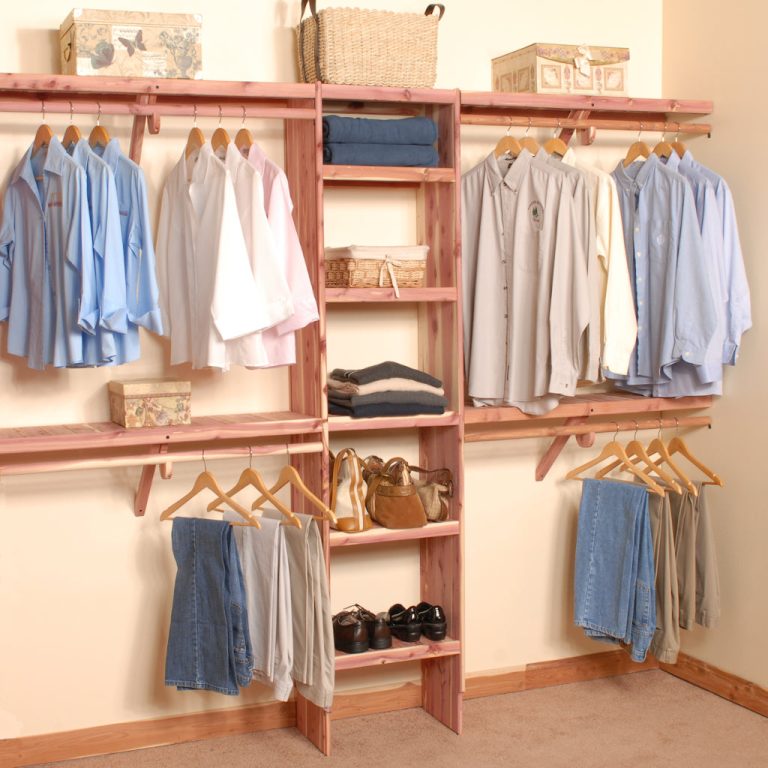
For enclosed storage, Eastern Red cedar is the clearest fit. Drawer liners, closet walls, and chest interiors are the common uses because the aroma is strongest in closed spaces and the wood’s traditional role matches the function.
Suppose a 6-foot closet is being lined for seasonal coats and blankets. Eastern Red cedar is a better choice than Western Red cedar because the scent is the point, not a side effect.
Outdoor use cases
Eastern Red cedar can also be used for decking and outdoor furniture, but that is not what makes it distinctive. Its aromatic character matters more indoors, while outdoor buyers usually compare it against Western Red cedar and Eastern White cedar for weathering, grade, and price.
It can work outdoors, yet it is not usually the first pick for siding. If the goal is a refined exterior surface, Western Red cedar has the stronger reputation; if the goal is a fence, Eastern White cedar often makes more sense.
Which cedar is best for your project?
The best cedar depends on the job, not the name. For siding, Western Red cedar usually wins. For fencing and shingles, Eastern White cedar is often the practical choice. For closets and chests, Eastern Red cedar is the aroma-driven option.
Siding
Choose Western Red cedar for siding when you want the strongest mix of appearance, grade options, and exterior reputation. Its clear and near clear grades make it easier to get a cleaner facade, and its deeper color works well when you want the wood itself to be part of the finish.
If the siding must look refined from the street, this is the first species to compare.
Fence
Choose Eastern White cedar for fencing when you want a light board with useful rot resistance and a practical price point. It is common in fence and shingle supply, and it handles the job well without demanding premium appearance grades.
Western Red cedar is still a strong fence option when the fence is part of a higher-end outdoor setting, but Eastern White is often the simpler fit for long runs.
Closet
Choose Eastern Red cedar for closets because the aroma is the feature, not a drawback. It is the species most people expect when they ask for aromatic cedar, and it fits storage interiors, chest lining, and drawer applications better than the exterior cedars.
If the goal is to store wool coats or keepsakes in a cedar-scented space, this is the match to start with.
Furniture
Choose Western Red cedar for visible furniture when you want cleaner grain and better grade options. Choose Eastern Red cedar for storage furniture, dressers, and pieces where scent matters more than a refined exterior face.
For furniture that will sit in a bedroom or hallway, grade matters a great deal. Clear and near clear boards usually cost more, but they also reduce knots and visual interruptions.
Choose Western Red if…
Choose Western Red cedar if you need siding, a pergola, a trellis, or a premium outdoor project with a clean face. It is also the better pick when you want clear, near clear, or tight knot grade choices and you care about a richer reddish-brown look.
Choose it when the board will be seen, the project is exposed, and you want the safest exterior cedar. That is the simplest decision path for many homeowners.

Choose Eastern White if…
Choose Eastern White cedar if you want shingles, fencing, or a lighter board with strong rot resistance. It is a practical choice when handling weight matters, when the look can be simpler, and when a traditional pale cedar appearance fits the project.
Choose it for long fence runs, shingle work, and straightforward outdoor jobs where function comes before showy grain.
Choose Eastern Red if…
Choose Eastern Red cedar if you are building a closet, chest, dresser, or other aromatic storage piece. It is the cedar with the strongest scent identity, and it is the clearest match when the project depends on a moth-repelling reputation or a cedar smell.
It can also work for some outdoor and furniture uses, but aroma is the main reason to buy it. If that is the point, this is the right species.
Frequently asked questions
What is the difference between Western Red cedar and Eastern White cedar?
Western Red cedar is deeper reddish-brown, more commonly sold in clear, near clear, and tight knot grades, and widely used for siding and decking. Eastern White cedar is pale with light brown heartwood, often appears as shingles or fence stock, and is prized for rot resistance and lighter weight.
Which cedar species is best for siding, fencing, or decking?
Western Red cedar is the best all-around pick for siding and decking because of its appearance and grade options. Eastern White cedar is often the better choice for fencing, especially shingles or lighter outdoor work. Eastern Red cedar can be used outdoors, but it is usually chosen for aroma first.
Does Western Red cedar look different from Eastern White cedar?
Yes. Western Red cedar typically has a deeper reddish-brown look with more apparent luster, while Eastern White cedar is paler and can show light brown heartwood. That difference matters most on visible surfaces, especially siding, trim, and furniture parts.
Which cedar is more aromatic for closets and chests?
Eastern Red cedar is the most aromatic of the three and is the usual choice for closets and chests. Its smell is the defining feature, and that is why it is commonly used for storage furniture and drawer or closet applications rather than exterior cladding.
Are Eastern red cedar and Western red cedar true cedars?
No. The page distinguishes the U.S. eastern and western red cedars from true cedars. True cedars belong to the Cedrus genus, including Cedrus atlantica, Cedrus brevifolia, Cedrus deodara, and Cedrus libani.
Which cedar is more rot resistant for outdoor use?
All three are naturally rot and insect resistant, but Eastern White cedar is often specifically prized for rot resistance, and Western Red cedar is a strong outdoor performer for siding, decking, and pergolas. The better choice depends on the project, the desired look, and the grade you can source.
Why do some cedar species cost more or grade higher than others?
Grade and species both affect price. Clear and near clear boards usually cost more because they have fewer knots and a cleaner face, while tight knot boards are more casual and often less expensive. Western Red cedar also tends to command a higher price point than some other cedars.
Can cedar be used for furniture, siding, and outdoor projects?
Yes. Cedar is commonly used for furniture, siding, fencing, decking, and other outdoor projects, but the right species matters. Western Red cedar is best for many visible exterior jobs, Eastern White cedar is common for shingles and fencing, and Eastern Red cedar is the aromatic choice for storage furniture and closets.
Sponsored / affiliate links. As an Amazon Associate I earn from qualifying purchases. I may earn additional commission from eligible campaigns.
 Rustic Revival | Handmade Reclaimed Barnwood Craft Bundle | Unfinished Authentic Reclaimed Western Red Cedar Wood Planks for DIY, Home and School Projects (24" x 5.5" x .375") 6 Pack
 Rustic Revival | Handmade Reclaimed Barnwood Craft Bundle | Unfinished Authentic Reclaimed Western Red Cedar Wood Planks for DIY, Home and School Projects (24" x 7.25" x .375") 4 Pack