Does Plywood Warp? Yes, Above 8% Moisture (How to Stop It)
Plywood warps when its glued veneer layers gain or lose moisture unevenly, especially once moisture content rises past the 5-8% level it ships at from the mill. A one-sided soak or a stack left flat in a damp garage can cup, bow, or twist a sheet within days, ruining cuts and voiding some structural warranties. This guide covers what causes each warp type, how to detect it early, and which fixes and prevention methods actually work.
📊 Plywood typically leaves the factory at 5-8% moisture content, and panels resist warping best when they’re kept close to that range. — Source: Performance Panels (APA-affiliated), 2026
The Nature Of Plywood
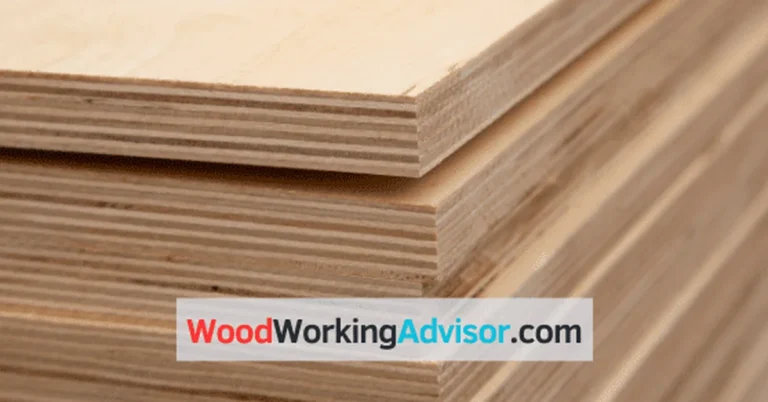
Plywood is a composite panel built from thin wood veneer layers, called plies, that are glued together with the grain direction of each layer rotated roughly 90 degrees from the one beneath it. That cross-graining is the actual mechanism that resists warping — it works against wood’s natural tendency to expand and contract more across the grain than along it, so no single direction of the panel can move freely.
More plies mean more directions holding the sheet flat. A 9-ply 18mm panel resists warping noticeably better than a 5-ply panel of the same thickness, simply because it has more alternating layers fighting any one layer’s movement. That’s why cabinet-grade and marine plywood, which use more/thinner plies, hold their shape better than cheap 3-ply underlayment of the same nominal thickness.
In construction, plywood is used for subfloors, roof decking, and wall sheathing precisely because it’s dimensionally more stable than solid lumber of the same size — but “more stable” isn’t “immune.” Any plywood will warp if moisture is allowed to hit one face harder than the other.
Warping In Plywood: A Common Issue?
Plywood can warp due to several factors, and moisture imbalance is the biggest one. Humidity makes the wood swell unevenly, which shows up as uneven surfaces or curved edges long before the sheet is unusable.
Temperature swings matter too. Heat dries wood out faster than it can re-absorb moisture evenly, which shrinks the surface layers and can open gaps or hairline cracks.
Improper storage makes all of this worse. Leaning a sheet against a wall, stacking weight unevenly, or storing it outdoors exposed to weather all but guarantees some warp over time.
Types of warping include:
| Type of Warping | Description |
|---|---|
| Bowing | Curving along the length of the board. |
| Cupping | Edges rise, creating a cup shape — usually from one face absorbing more moisture than the other. |
| Twisting | Diagonal warping, causing corners to lift out of plane at the same time. |
Plywood grade and ply count change how much warp risk you’re taking on. Here’s how the common grades compare:
| Grade / Type | Typical Ply Count | Warp Resistance | Best For |
|---|---|---|---|
| 3-ply underlayment | 3 | Lowest | Budget subfloor covering, indoor/dry use only |
| CDX sheathing | 5 | Moderate | Roof/wall sheathing, short weather exposure during framing |
| Cabinet-grade (birch/maple) | 7-9 | High | Furniture, cabinetry, shelving |
| Marine (BS 1088 / BWP) | 9+, voidless core | Highest | Boat building, boxes exposed to repeated moisture |
Preventing Plywood Warp
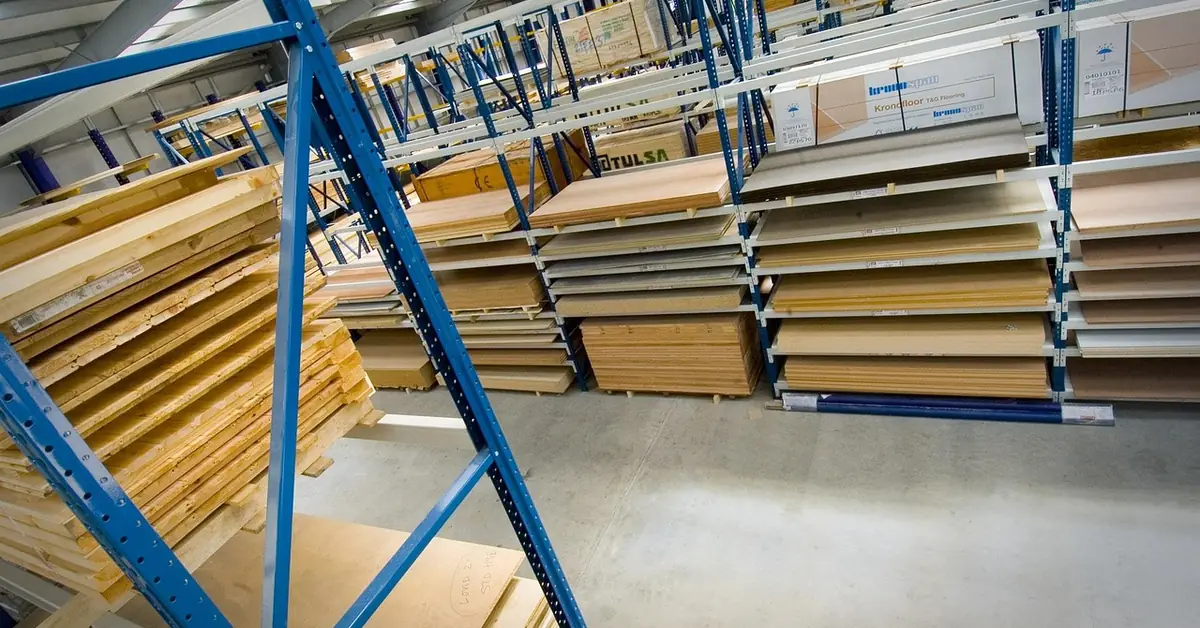
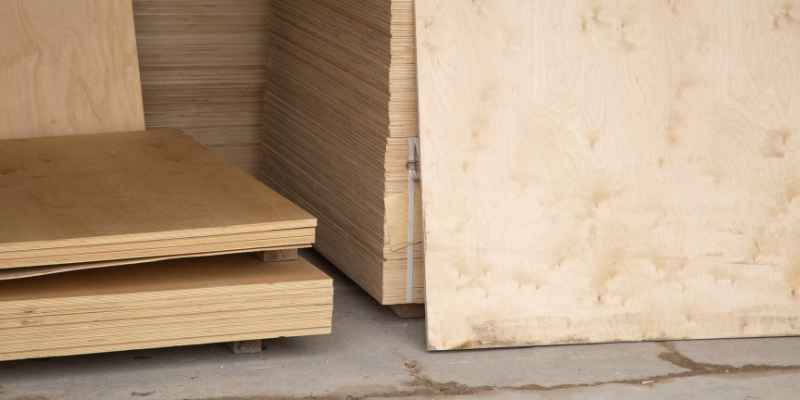
To prevent plywood warp, proper storage is the single biggest factor. Store plywood flat, off the ground, and supported evenly across its whole surface — leaning sheets on edge is one of the fastest ways to induce a bow.
Choosing the right plywood for the job also matters: marine-grade and higher ply-count sheets resist warping better than thin underlayment, and thicker stock is generally more stable than thin stock of the same grade.
For the full storage checklist, moisture-sealing steps, and a room-by-room breakdown of safe humidity ranges, see our dedicated guide: How to Keep Plywood From Warping.
Detecting Signs Of Warp Early
Check for curves or bends in the plywood, especially at the edges and corners, where warp usually shows up first. Discoloration from moisture can also be an early sign, since a face that’s darkened or stained is usually also the face that’s absorbed the most water.
A straightedge laid across the panel will reveal gaps you can’t see by eye. A level shows whether the surface is truly flat, and a tape measure across the diagonal corners can catch twist before it’s visible.
| Tool | Purpose |
|---|---|
| Straightedge | Detects bends and bows |
| Level | Measures evenness |
| Moisture meter | Confirms whether moisture content is the actual cause before you spend time fixing it |
Best Moisture Meter Pick
 |
General Tools MMD4E Pin-Type Moisture Meter – $39.98 Confirms whether a suspect sheet is actually above the 5-8% factory range covered above, before you spend time on a moisture-method or heat-and-pressure fix that won’t work on a dry sheet.
|
DIY Fixes For Warped Plywood
Warped plywood can often be fixed at home if the warp is mild and the moisture reading confirms it’s a moisture problem. The Moisture Method works well for small warps: wet a cloth, place it on the concave (low) side of the warp, cover it with plastic wrap, and let it sit for a few hours so the wood relaxes back toward flat.
Applying Heat and Pressure is another effective fix for thin veneers. Use an iron on a low setting over a damp cloth placed on the warp, pressing gently for about 30 seconds at a time. Check the panel after each pass — overheating can delaminate the glue lines instead of fixing the warp.
Always re-check the panel with a straightedge after each attempt. If it’s not flat, repeat the process, then store it flat and dry immediately so the fix actually holds.
Professional Remedies For Warped Plywood
Warped plywood can be a big problem for many projects. Professional help is often worth it when plywood warps significantly — cracks, delamination, or a bow that won’t respond to the moisture or heat methods above are signs the panel may need replacing rather than fixing.
Professionals offer various services to fix warped plywood. They can assess the damage accurately and recommend the right option. Common services include:
| Service | Description |
|---|---|
| Repair | Fixing minor warps using controlled heat or moisture. |
| Replacement | Removing and replacing badly damaged or delaminated plywood. |
| Sealing | Applying sealants or edge banding to block future moisture entry. |
The Impact Of Environmental Conditions
Environmental conditions play a big role in the warping of plywood. Humidity and temperature can cause significant changes. High humidity makes plywood absorb moisture unevenly, which can lead to bending or cupping over time — the same mechanism covered in whether plywood can get wet without permanent damage.
On the other hand, low humidity dries plywood out, which often results in cracking or splitting instead of warping. Extreme temperature swings compound both problems by speeding up how fast moisture moves in or out of the panel.
| Condition | Effect on Plywood |
|---|---|
| High Humidity | Uneven moisture absorption, leading to cupping or bowing |
| Low Humidity | Drying out, causing cracks and splits |
| Extreme Temperature Swings | Faster moisture movement, compounding both effects above |
Long-term exposure to these conditions will worsen the effects. Checking storage humidity with a cheap hygrometer, alongside spot-checking panels with a moisture meter, catches problems while they’re still a quick fix.
Future Of Plywood: Innovations And Improvements
Manufacturing improvements are steadily making plywood more dimensionally stable. Better adhesive formulations and more consistent veneer thickness reduce the internal stress that causes warping in the first place.
Engineered alternatives like OSB and laminated veneer lumber (LVL) take a different approach to the same problem — OSB’s randomly oriented strands and LVL’s parallel-grain layup both trade off some of plywood’s properties for more predictable dimensional behavior in specific applications.
For most general shop and construction use, though, a correctly stored, appropriate-grade sheet of plywood remains the more versatile and often cheaper option.
Frequently Asked Questions
Does Plywood Warp Easily?
Plywood can warp if not properly treated. Factors like moisture, humidity, and temperature fluctuations play a significant role. Using high-quality plywood and sealing it can minimize warping. Always store plywood flat and in a dry environment to reduce the risk of distortion.
What Causes Plywood To Warp?
Warping in plywood is mainly caused by uneven moisture absorption. This can happen due to improper storage or exposure to humidity. Additionally, temperature changes can lead to expansion and contraction. It’s crucial to keep plywood in stable conditions to prevent these issues.
How To Prevent Plywood From Warping?
To prevent warping, store plywood in a dry, flat area. Use a sealant or finish to protect it from moisture. Regularly check the storage environment for humidity levels. Additionally, avoid direct sunlight exposure, as it can cause uneven drying and distortion.
Is All Plywood Susceptible To Warping?
Not all plywood is equally susceptible to warping. Higher-quality plywood, such as marine-grade, is designed to resist moisture and warping. However, lower-quality plywood may warp more easily. Always choose the right type of plywood for your project to ensure durability.
What Moisture Content Level Means Plywood Is At Risk Of Warping?
Plywood ships from the mill at roughly 5-8% moisture content, and it stays most stable near that range. Once a panel’s moisture content climbs well above 8%, or one face reads noticeably wetter than the other on a moisture meter, warping risk rises sharply. A pin-type meter gives a specific number instead of a guess.
Conclusion
Plywood can indeed warp, and moisture imbalance — not bad luck — causes nearly all of it. Understanding how ply count, grade, and storage affect that moisture balance is what actually prevents the problem. By choosing the right grade for the job, storing sheets flat and dry, and checking suspect panels with a moisture meter before you cut or finish them, you can keep your plywood projects flat and structurally sound for years.
Sponsored / affiliate links. As an Amazon Associate I earn from qualifying purchases. I may earn additional commission from eligible campaigns.