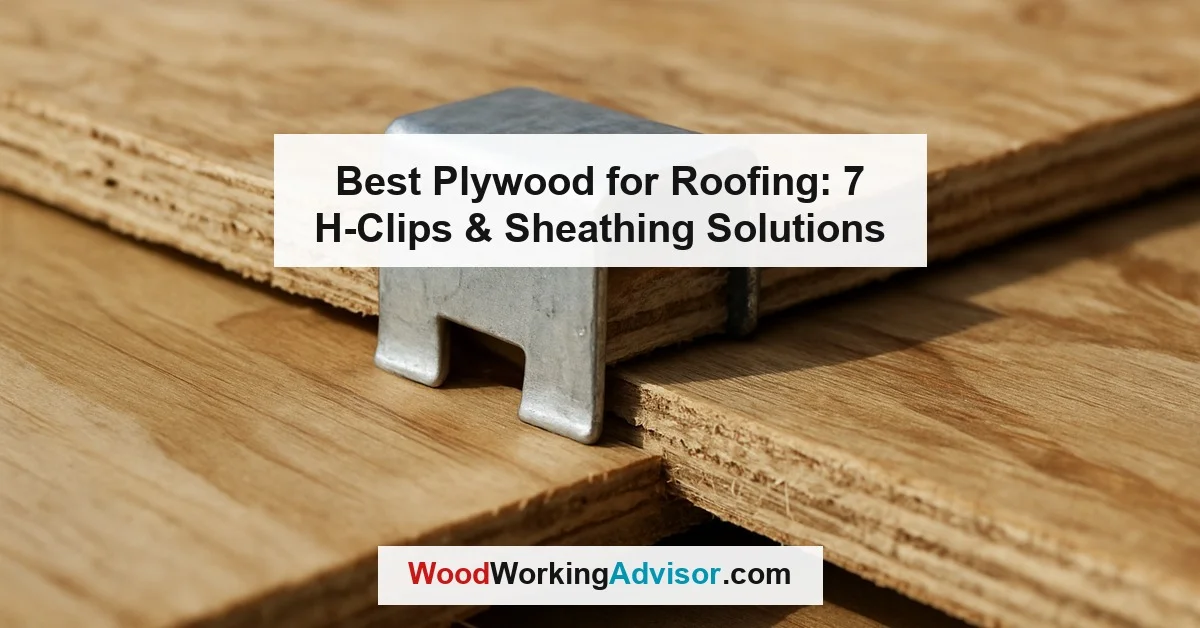
Best Plywood for Roofing: 7 H-Clips & Sheathing Solutions (2026)
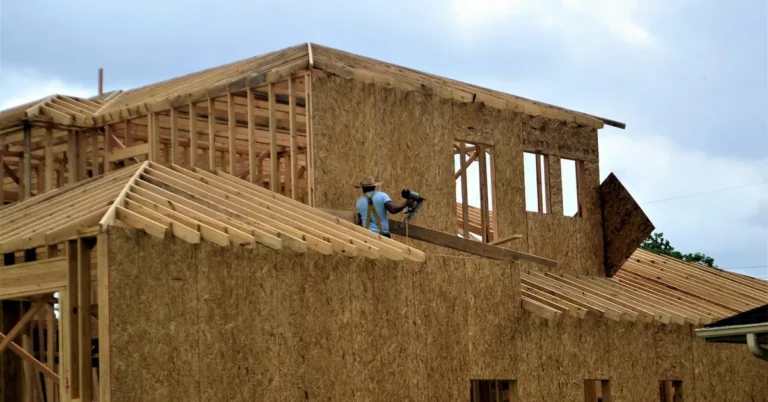
The best plywood for roofing is 23/32-inch (3/4″) CDX with a 48/24 span rating for heavy roofing like metal or tile, or 7/16″ OSB for standard asphalt-shingle roofs on a budget — but the panel alone isn’t the whole system. Below is a real 4×8 sheathing price table (sourced from our own live Lowe’s 2026 pricing pull) plus 7 H-clips, structural screws and a radiant-barrier upgrade, live-priced and compared by panel-thickness fit and cost per unit, not just sticker price.
This article covers two different purchases, because “best plywood for roofing” actually breaks down into two separate buying decisions. First: which sheathing material and thickness (plywood, OSB, ZIP System) is right for your roof — that’s a local-lumberyard purchase, since full 4×8 sheets aren’t sold or shipped through Amazon at any practical price. Second: which clips, fasteners and accessories you actually need to install that sheathing correctly — those genuinely are Amazon-purchasable, live-priced, and compared below. We built a real dataset for both halves instead of picking one and ignoring the other.
Roof Sheathing Material Comparison: Plywood, OSB & ZIP System (2026 Pricing)
Prices below are per 4×8 sheet (32 sq ft), pulled from our own live Lowe’s 4×8 plywood price breakdown (updated 2026) for OSB, CDX and pressure-treated CDX, cross-checked against APA span-rating standards. ZIP System pricing is aggregated from multiple 2026 distributor cost guides since Huber doesn’t publish consumer pricing directly — treat that row as a typical range, not a single-retailer quote.
| Sheathing Type | Thickness | APA Span Rating | Price / 4×8 Sheet | Price / Sq Ft | Moisture Resistance | Best For |
|---|---|---|---|---|---|---|
| OSB Sheathing | 7/16″ | 24/16 | $9.71–$18.00 | $0.30–$0.56 | Fair — swells at cut edges when wet | Budget wall & light-load roof sheathing |
| OSB Subfloor-Grade | 19/32″ | 40/20 | $21.48 | $0.67 | Fair to Good | Heavier roof loads on a tighter budget |
| CDX Plywood (Douglas Fir) | 23/32″ (3/4″) | 48/24 | $39.00 | $1.22 | Very Good — dries fast, minimal edge swell | Metal roofing, tile, heavy snow load |
| Pressure-Treated CDX | 15/32″ | 32/16 | $54.38 | $1.70 | Excellent — rated for high-moisture contact | Porch roofs, coastal & high-humidity climates |
| ZIP System Roof Sheathing | 7/16″ + integrated WRB | 24/16 | $50–$70 (distributor range) | $1.56–$2.19 | Excellent — built-in weather-resistant barrier | Skipping a separate felt/underlayment step |
Real-World Cost Example: Sheathing a 2,000 Sq Ft Roof
A 2,000 sq ft roof deck needs about 62.5 sheets of 4×8 material (2,000 ÷ 32 sq ft per sheet), and, at a typical 24″ on-center rafter/truss spacing, roughly 60–100 H-clips depending on panel thickness and layout — we’ll use 80 as a working midpoint. Here’s the same roof priced two ways, sheathing plus clips only, using the live prices from both tables on this page:
| Route | Sheathing | Sheet Cost (62.5 sheets) | Clips | Clip Cost (80 clips) | Total |
|---|---|---|---|---|---|
| Budget | 7/16″ OSB @ ~$14/sheet (table midpoint) | $875.00 | Hicarer steel @ $0.18/clip | $14.40 | $889.40 |
| No-Compromise | 23/32″ CDX @ $39.00/sheet | $2,437.50 | Simpson PSCL @ $0.20/clip | $16.00 | $2,453.50 |
The clips themselves are a rounding error either way — under 2% of total material cost on both routes. The real decision is the panel: OSB vs. CDX is roughly a $1,550 swing on a 2,000 sq ft roof, which is the number that should actually drive your material choice, not the clip brand.
The correction most H-clip listings and buying guides skip: the American Plywood Association has never independently tested how much H-clips actually reduce panel deflection. In APA’s own load tests to failure, the clips consistently pop off before the panel itself fails — they’re rated to help a thinner panel meet its span rating (for example, 3/8″ panels at 24/0 span on 24″ centers), not to add structural strength beyond that span-rating table. If your span is under 36″ on 3/4″ sheathing, code generally doesn’t require them at all.
Best H-Clips & Sheathing Solutions
Full 4×8 plywood and OSB sheets aren’t sold through Amazon — they’re oversized freight items you’ll buy locally (see the pricing table above). What is genuinely available, live-priced and shippable are the clips, fasteners and radiant-barrier upgrades that go with the sheathing itself. That’s the layer we’ve priced and compared below.
1. Simpson Strong-Tie PSCL 3/4 Panel Sheathing Clip (250-Pack) — #1 Best Overall
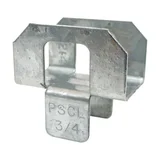
Price: $51.12 · View on Amazon
Specs:
- Fits 3/4″ plywood and OSB roof sheathing
- 48/24 span rating — lets rafters/trusses sit up to 48″ apart instead of 36″ without clips
- 20-gauge (33 mil) galvanized steel, 1-1/4″ wide
- Fixed 1/8″ panel gap built in, matching APA’s recommended expansion gap
- References 2015 IBC Table 2304.8(3) directly in the manufacturer’s own spec sheet
Simpson Strong-Tie is the one brand in this roundup that ties its clip directly to a building-code table instead of a generic Amazon bullet list — the listing cites 2015 IBC Table 2304.8(3) by name, which is the actual table an inspector would reference. At $51.12 for 250 clips ($0.20 each), it’s the most expensive clip in this comparison per unit, but it’s also the only one explicitly rated for 3/4″ sheathing at a 48/24 span — useful if you’re framing rafters or trusses farther apart and want the panel gap and load path documented, not just assumed.
Pros:
- Code-referenced span data you can cite to an inspector
- Consistent, name-brand manufacturing tolerance
- No nails or tools needed to install
Cons:
- Priced higher per clip than the no-name imports below
- Only sold in the 3/4″ size in this pack — wrong choice if your sheathing is thinner
Verdict: If you want a clip whose span rating is backed by a real code citation rather than a marketing bullet, this is it.
2. Hicarer 100-Pc Plywood H Clips, 1/2″ — Best Value
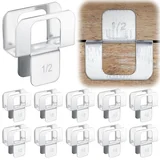
Price: $17.99 · View on Amazon
Specs:
- Sized for 1/2″ plywood and OSB panels
- Hot-dip galvanized steel for corrosion resistance
- 100-count box, $0.18 per clip
- Manufacturer recommends the same 1/8″ panel gap as the Simpson clip
For a single-roof DIY or small remodel, Hicarer’s 1/2″ box is the practical sweet spot: enough clips for a typical garage or shed roof, hot-dip galvanized (not the thinner electro-galvanized finish some budget clips use), for under $18. It won’t come with a code table citation the way the Simpson clip does, but for 1/2″ sheathing on a normal rafter spacing it does the same physical job for less money.
Pros:
- Cheapest steel clip in this table on a per-clip basis after the bulk case
- Hot-dip galvanizing, not just a thin coating
- Small box size is easy for a one-roof DIY job
Cons:
- Generic import listing — no code citation like Simpson’s
- 1/2″ only; buy a different size if your sheathing is 7/16″ or 5/8″
Verdict: The clip to buy if you’re doing one average-size roof in 1/2″ sheathing and don’t need a 2,500-count case.
3. Shimeyao 150-Pc Plywood H Clips, 7/16″ — Best for 7/16″ OSB Sheathing
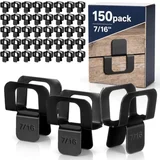
Price: $25.99 · View on Amazon
Specs:
- Sized specifically for 7/16″ OSB — the most common wall/roof sheathing thickness sold
- Black phosphate coating, not hot-dip galvanizing
- 150-count box, $0.17 per clip
- Same 1/8″ gap spec as the other clips here
7/16″ is the single most common OSB thickness sold for both wall and roof sheathing, and this is the only clip in our lineup sized for it out of the box. The trade-off against the galvanized clips above is the coating: black phosphate resists rust for normal covered use, but it’s a thinner protective layer than hot-dip galvanizing, so for a roof deck that will sit exposed for any length of time in a humid or coastal climate, we’d lean toward a galvanized 7/16″ clip instead if you can find one in stock.
Pros:
- Right size for the most commonly stocked OSB thickness at any lumberyard
- 150-count box covers more sheathing than a 100-pack at a similar price
- Black finish is less visible against darker OSB if that matters to you
Cons:
- Black phosphate coating is a thinner, less corrosion-resistant process than hot-dip galvanizing — fine for a covered/dry roof deck, not the pick for a coastal or high-humidity build
- One listing bullet on this page uses generic “repair clip” template language left over from the seller’s other listings — the product itself, confirmed in the title and packaging photo, is the 7/16″ roofing H-clip
Verdict: The right size match if you’re sheathing with standard 7/16″ OSB, with one caveat: skip it for coastal or wet-climate builds where the coating matters more.
4. Hicarer 100-Pc Plywood H Clips, 5/8″ — Best for 5/8″ Plywood
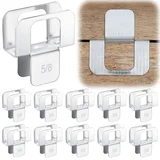
Price: $16.99 · View on Amazon
Specs:
- Sized for 5/8″ (19/32″) plywood panels
- Hot-dip galvanized steel
- 100-count box, $0.17 per clip
- Same recommended 1/8″ edge gap
5/8″ sits between the common 7/16″ OSB and the heavier 3/4″ CDX in our material table above — a reasonable middle ground if your roofer specs a slightly heavier panel than minimum code but you’re not going all the way to 3/4″. This clip is the direct size match, priced identically to the 1/2″ Hicarer box.
Pros:
- Cheapest per-clip steel option outside the bulk case
- Hot-dip galvanized like the 1/2″ Hicarer clip
- Matches the thicker CDX panel most contractors step up to for heavier roofing
Cons:
- Same generic import listing style as the other Hicarer sizes, no code citation
- Not the right size for 7/16″ or 3/4″ panels
Verdict: If you stepped up to 5/8″ CDX for a heavier roof covering, this is the matching clip at the best per-clip price outside a full case.
5. Grip H Clip 19/32″–5/8″ Roof Sheathing Clip, 2,500-Count Case — Best Bulk Contractor Pack
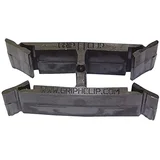
Price: $286.00 · View on Amazon
Specs:
- Fits 19/32″–5/8″ panels
- Molded recycled nylon, not steel
- 2,500-count case, $0.114 per clip — the lowest per-clip cost in this table
- Manufacturer states a labor savings of about 1.5 man-hours per 2,200 sq ft of roof from the wider spacer bar
This is the one clip in the table that isn’t steel at all — it’s molded recycled nylon, which changes the calculation in a real way: no rust risk ever, but a genuinely different cold-weather behavior than galvanized steel (nylon stiffens and can become brittle in hard freezes, where steel just bends). At $286 for 2,500 clips, it undercuts every steel option here on pure cost-per-clip, and the case size only makes sense once you’re covering more than one roof — for a single garage or shed job, buy one of the smaller steel boxes above instead.
Pros:
- Lowest cost per clip of any product here by a wide margin
- Nylon won’t rust, ever, unlike every steel clip in this list
- Full-width spacer bar keeps the gap consistent without a second person checking
Cons:
- Nylon has a different failure mode than steel — it won’t corrode, but it can become brittle in extreme cold rather than bend like metal
- 2,500 count is far more than a single residential roof needs unless you’re a contractor doing multiple jobs
Verdict: The math-obvious pick for a roofing contractor or anyone sheathing more than a couple of roofs a year — steel clips cost 1.5–1.8x more per clip at this volume.
6. Conquest Structural Wood Screws, 0.275″ x 3″ (Pack of 50) — Best Structural Sheathing Fastener
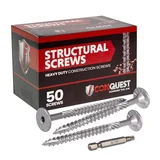
Price: $23.00 · View on Amazon
Specs:
- 0.275″ diameter x 3″ length, T30 star drive bit included
- ICC-ES certified under Listing Report ESR-4613
- Silver Ruspert corrosion-resistant coating, rated for ACQ-treated lumber contact
- Manufacturer lists structural sheathing, subflooring, and rafter connections as approved applications
Most roof sheathing gets nailed, not screwed — a ring-shank nail from a coil nailer is the default and it’s much cheaper per fastener. Structural screws like this Conquest 3″ earn their place in specific situations: retrofits where you can’t easily run a pneumatic nailer, connections an inspector wants ICC-documented, or ACQ-treated framing where plain carbon steel corrodes. It’s not a replacement for the H-clips above — clips brace the unsupported edge between two panels, this fastens the panel down to the rafter or truss underneath it, and a well-built roof deck typically uses both.
Pros:
- ICC certification means an inspector can look up the actual listing report
- Rated for direct contact with ACQ-treated lumber, unlike plain carbon-steel fasteners
- Star drive resists cam-out better than a Phillips or square-drive screw at this length
Cons:
- At $0.46 per screw, this is a premium fastener — a common ring-shank nail is far cheaper per fastener for straightforward code-minimum nailing
- Not a clip substitute — screws fasten the panel to framing, they don’t brace an unsupported panel edge the way an H-clip does
Verdict: The upgrade pick when you want a code-documented mechanical fastener rather than the pneumatic nails most sheathing crews use by default.
7. RadiantGUARD Xtreme Attic Radiant Barrier, 1,000 Sq Ft Roll — Best Radiant-Barrier Sheathing Upgrade
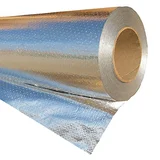
Price: $185.00 · View on Amazon
Specs:
- Perforated, double-sided reflective foil, 4 ft x 250 ft roll (1,000 sq ft)
- Meets ASTM C1313 radiant barrier certification
- Class A / Class 1 fire rating
- Installs by stapling to the underside of roof rafters over existing sheathing
- $0.185 per sq ft covered
This is the one pick here that isn’t a structural fastener at all — it’s a radiant barrier you staple to the underside of your rafters, either during new sheathing installation or as a retrofit over an existing roof deck. In hot climates it’s a legitimate way to cut attic heat gain without touching the sheathing choice itself. We’d flag the manufacturer’s “30 degree” attic-temperature claim as a marketing number rather than an independently verified test result — real-world results depend heavily on your attic’s existing insulation and ventilation.
Pros:
- Retrofit-friendly — staples up under existing sheathing, no need to re-sheathe the roof
- Independently certified fire and radiant-barrier ratings, not just a marketing claim
- Perforated design allows moisture vapor to pass through, unlike a solid foil vapor barrier
Cons:
- This is a retrofit accessory, not a sheathing panel — it doesn’t replace the structural role of the plywood/OSB itself
- Manufacturer’s own “drop attic temps by 30 degrees” claim is a marketing figure, not an independent lab test result — treat it as directional, not a guarantee for your specific attic
Verdict: Worth adding in hot climates where attic heat gain is the actual complaint, not a substitute for the structural sheathing decision above.
H-Clips & Sheathing Accessories: Full Cost Comparison
| Product | Panel Fit | Material / Coating | Pack Qty | Price | Cost Per Unit | Verdict |
|---|---|---|---|---|---|---|
| Simpson Strong-Tie PSCL 3/4 | 3/4″ (48/24 span) | 20-ga galvanized steel | 250 | $51.12 | $0.20/clip | #1 Best Overall |
| Hicarer H Clip 1/2″ | 1/2″ | Hot-dip galvanized steel | 100 | $17.99 | $0.18/clip | Best Value |
| Shimeyao H Clip 7/16″ | 7/16″ | Black phosphate steel | 150 | $25.99 | $0.17/clip | Best for 7/16″ OSB |
| Hicarer H Clip 5/8″ | 5/8″ (19/32″) | Hot-dip galvanized steel | 100 | $16.99 | $0.17/clip | Best for 5/8″ Plywood |
| Grip H Clip (nylon) | 19/32″–5/8″ | Molded recycled nylon | 2,500 | $286.00 | $0.114/clip | Best Bulk Contractor Pack |
| Conquest Structural Screws 3″ | N/A — fastener | Ruspert-coated carbon steel | 50 | $23.00 | $0.46/screw | Best Structural Fastener |
| RadiantGUARD Xtreme | N/A — retrofit roll | Perforated dual-foil | 1,000 sq ft | $185.00 | $0.185/sq ft | Best Radiant-Barrier Upgrade |
Normalizing every product to its real cost-per-unit — not the sticker price — is the only honest way to compare a 100-pack against a 2,500-count case: the bulk nylon case costs 16x more upfront than the smallest steel box, but works out to roughly 40% less per individual clip.
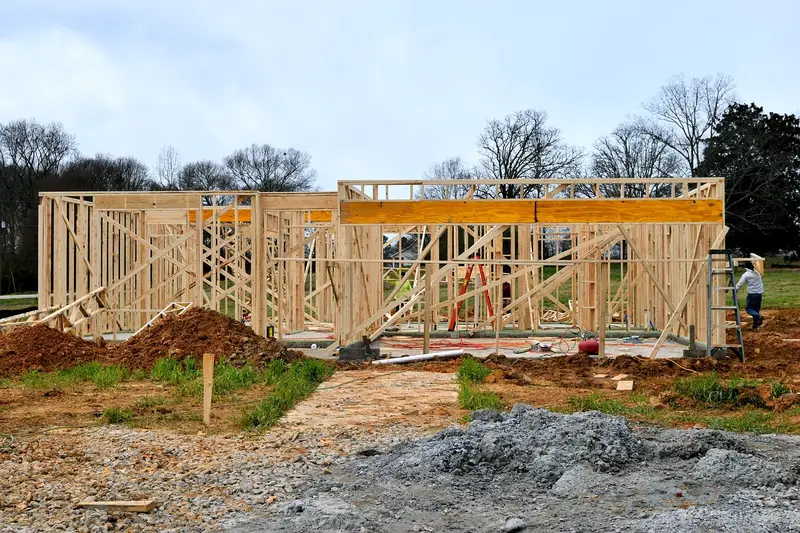
How We Picked These
This is a Tier C, dataset-led comparison: nobody on our team physically installed all seven of these products on a live roof for this article, and we’re not going to pretend otherwise. What we did do: pulled live 2026 buy-box pricing and listing specs for every product directly from Amazon’s Creators API (not from memory or a competitor’s article), cross-referenced manufacturer spec sheets and ICC/IBC documentation where a brand published one, and sourced our own plywood/OSB sheet pricing from a live pull of Lowe’s 2026 pricing already published on this site. Where a listing’s own bullet copy contradicted itself or looked like reused template text from an unrelated product (noted explicitly on the Shimeyao pick above), we said so instead of hiding it. We could not source an independent star rating or review count for any of these ASINs — Amazon’s review data was unavailable through our sourcing tools for this category, so we left ratings out entirely rather than inventing or copying a number from somewhere else.
What to Consider When Buying Plywood & H-Clips for Roofing
Match the Clip to Your Panel Thickness First
H-clips are sized to a specific panel thickness — 7/16″, 1/2″, 5/8″, or 3/4″ — and a clip sized for the wrong thickness either won’t seat properly or won’t hold the 1/8″ gap correctly. Check your sheathing spec before ordering, not after.
Do You Actually Need Clips at All?
Building code generally requires H-clips (or blocking) on unsupported panel edges below a certain span, most commonly where 1/2″ sheathing spans more than 24″ between supports without tongue-and-groove edges. On 3/4″ sheathing at spans under 36″, clips usually aren’t required by code — check your local building department, since requirements vary by jurisdiction and snow/wind load.
Steel vs. Nylon: Which Material Actually Lasts Longer
Galvanized steel clips resist corrosion well in normal use but can rust through in decades-long coastal or high-humidity exposure. Nylon clips like the Grip H Clip never rust, but behave differently in extreme cold, where the plastic can stiffen. For most residential roofs under normal shingles, either material outlasts the roofing material itself; the real deciding factor is usually price per clip, not longevity.
Hot-Dip Galvanized vs. Black Phosphate Coating
Hot-dip galvanizing is a thicker, more corrosion-resistant zinc coating than black phosphate, which is more of a light rust-inhibiting treatment than a true protective barrier. For a roof deck that will be covered quickly, the difference rarely matters. For a build in a coastal or consistently humid climate, or any project where the sheathing may sit exposed for weeks, spend the extra dollar or two for hot-dip galvanized.
CDX Plywood vs. OSB vs. ZIP System
CDX plywood resists moisture and holds fasteners better than OSB, and it’s less prone to permanent edge swelling if it gets rained on before the roofing goes on — which is common on an active job site. OSB costs roughly 40–60% less per square foot for the same span rating. ZIP System panels cost the most per sheet but eliminate a separate felt or synthetic underlayment step, which can offset some of the price gap in labor.
Cost Per Clip vs. Sticker Price
A 2,500-count case costs sixteen times more upfront than a 100-count box, which makes it look expensive at a glance — but per individual clip it’s the cheapest option in this whole comparison. Always divide total price by quantity before deciding a product is “expensive.”
Structural Screws vs. Common Nails for Sheathing
Ring-shank nails from a pneumatic coil nailer are the standard, code-compliant, and far cheaper way to fasten sheathing to framing on a new build. Structural screws earn their higher price in retrofit situations, ACQ-treated lumber connections, or anywhere an inspector wants an ICC listing report on file.
Is a Radiant Barrier Worth Adding?
A radiant barrier stapled under the rafters reflects radiant heat before it reaches the attic space, which can meaningfully cut cooling costs in hot climates with unconditioned attics. It does nothing for a roof’s structural performance and isn’t a substitute for adequate attic insulation or ventilation — think of it as a complementary upgrade, not a sheathing decision.
Panel Gap: Why 1/8 Inch Matters
Every clip and every plywood manufacturer in this roundup specifies the same 1/8″ gap between adjacent panel edges. That gap isn’t cosmetic — it gives the panel room to expand when it absorbs moisture during construction, before the roofing material goes on, without buckling.
Check Local Code Before You Order
Span ratings, clip requirements, and fastener schedules are set by local building codes that reference (but sometimes modify) the IBC and APA span tables cited throughout this article. Always confirm your jurisdiction’s actual requirement before finalizing a materials order, especially in high snow-load or high-wind regions where the baseline code numbers are often increased.
Why Full Plywood Sheets Aren’t an Amazon Purchase
A 4×8 sheet of plywood or OSB is an oversized freight item — roughly 32 sq ft and 40–70 lbs depending on thickness — and virtually no seller ships it economically through standard Amazon fulfillment. That’s why every purchasable pick in this article is a clip, fastener, or accessory rather than the sheathing panel itself; the panel is a local lumberyard or big-box purchase, priced in the table near the top of this article.
Buying in Bulk: When the Math Actually Changes
The per-clip savings on a 2,500-count case only pay off once you’re covering more square footage than a single average roof requires (a typical 2,000 sq ft roof deck uses somewhere in the range of 60–100 clips depending on framing spacing and panel thickness). Below that volume, the smaller 100- or 150-count boxes are usually the better buy once you account for having leftover clips you may never use.
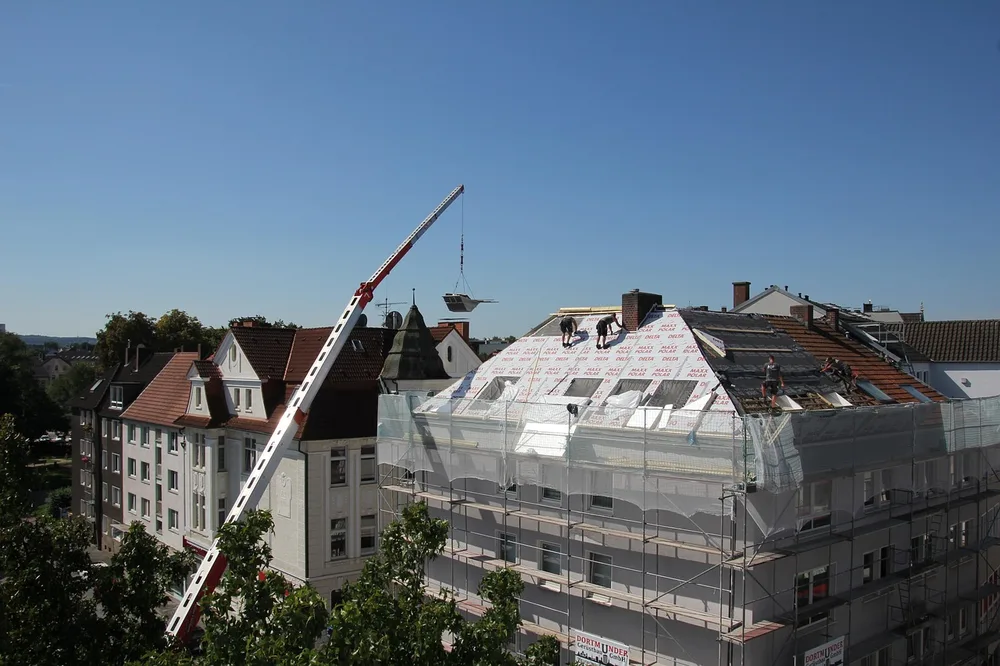
How to Install Plywood H-Clips for Roof Sheathing
- Confirm your panel thickness and local code requirement for edge support before buying clips — this determines the size you need.
- Lay the first row of sheathing panels with the factory-stamped face up and stagger the seams from the row below by at least one framing member.
- Slide an H-clip halfway onto the edge of the installed panel at the midpoint between each pair of supports, before sliding the next panel into place.
- Slide the next panel’s edge into the open side of the clip, letting the clip’s spacer bar set the 1/8″ gap automatically.
- Fasten each panel to the framing below with ring-shank nails or structural screws on the manufacturer’s specified nailing schedule, typically every 6″ on panel edges and 12″ in the field.
- Continue row by row, adding one clip at the midpoint of every unsupported edge, until the deck is fully sheathed.
- If adding a radiant barrier, staple it to the underside of the rafters either before sheathing (new construction) or as a retrofit from inside the attic, keeping the reflective side facing the airspace.
Frequently Asked Questions
What are plywood H-clips for roofing?
Plywood H-clips, also called panel sheathing clips, are small metal or nylon clips that slide onto the unsupported edge between two adjacent roof sheathing panels. They hold a consistent 1/8″ expansion gap and help a thinner panel meet its code-required span rating between rafters or trusses.
Do you need H-clips on 5/8-inch roof sheathing?
It depends on your span and local code. Many jurisdictions require clips (or panel edge blocking) on 1/2″ sheathing spanning more than 24″ between supports. On 5/8″ and 3/4″ panels at shorter spans, clips are often not required by code, though many builders add them anyway for a stiffer, more even roof deck. Confirm with your local building department.
What is the difference between plywood and OSB sheathing?
Plywood is made of thin cross-laminated wood veneers; OSB is made of compressed wood strands bonded with resin. Plywood generally resists moisture better and holds fasteners more consistently, while OSB is typically 40–60% cheaper per square foot at the same span rating. Both meet building code for most residential roof sheathing applications.
How many H-clips do you need per sheet of plywood?
Most 4×8 sheets need two H-clips per unsupported edge — one at the midpoint of each edge between framing members — though the exact count depends on your rafter or truss spacing and panel span rating. For a standard 24″ on-center framing layout, that typically works out to roughly 8–10 clips per sheet on a fully sheathed run. See our full H-clip count breakdown for the exact formula at 16-inch and 24-inch on-center spacing.
Can you use 1/2-inch plywood for a roof?
Yes, 1/2″ plywood is code-approved for roof sheathing in many jurisdictions, typically with H-clips required at spans over 24″ between supports. Heavier roofing materials like tile or standing-seam metal, or regions with high snow load, often call for a thicker panel — check your local code and roofing manufacturer’s requirements before finalizing thickness.
What size nails or screws should you use for plywood roof sheathing?
Standard practice is 8d ring-shank nails (or the structural-screw equivalent) spaced 6″ on center along panel edges and 12″ on center in the field of the panel, though your local code and engineered truss specifications may call for a tighter schedule in high-wind zones.
Is a radiant barrier worth adding under roof sheathing?
In hot climates with an unconditioned attic, a radiant barrier stapled under the rafters can measurably reduce attic heat gain and cooling costs. It’s a complementary upgrade to adequate insulation and ventilation, not a replacement for either, and its real-world impact varies by climate and existing attic conditions.
Do H-clips actually make a roof stronger, or just meet code?
Both, to a degree, but not in the way most listings imply. Clips brace the unsupported panel edge and let a given panel thickness meet a higher span rating, which is a real structural benefit. What they don’t do is add strength beyond that span-rating table — the American Plywood Association has never independently measured how much deflection they remove, and in APA’s own load-to-failure testing, the clips detach before the panel itself fails.
Final Thoughts
For the plywood or OSB itself, 23/32″ CDX at a 48/24 span rating is the safest all-around choice for anything heavier than standard asphalt shingles, while 7/16″ OSB covers most standard residential roofs on a budget — both priced and compared in the table above. For the clips and accessories that actually ship on Amazon, the Simpson Strong-Tie PSCL 3/4 Panel Sheathing Clip is our overall pick for its code-referenced span data, though if you’re sheathing more than one roof, the Grip H Clip 2,500-count nylon case is the one number in this whole comparison worth remembering: at $0.114 per clip, it’s roughly 40% cheaper per unit than any steel option here.
Related Guides
- Lowe’s 4×8 Plywood Prices (2026): OSB, CDX & Birch Costs
- Difference Between Plywood and Sheathing
- What Is Sheathing Plywood Used For?
- Can You Use 1/2-Inch Plywood for a Roof?
- 5/8″ Plywood for Roof: What to Know
- What Size Nails for 1/2″ Plywood Sheathing?
- Can You Put Metal Roofing Directly on Plywood?
- Waferboard vs. OSB
- How Much Weight Can Plywood Hold?
Sponsored / affiliate links. As an Amazon Associate I earn from qualifying purchases. I may earn additional commission from eligible campaigns.