Does Polyurethane Protect Wood From Water

Does Polyurethane Protect Wood From Water? Find Out Here

Polyurethane does offer a good level of water protection for wood. However, its effectiveness depends on the type of polyurethane, how it’s applied, and the specific water exposure. It creates a barrier, but it’s not always completely waterproof.

What Is Polyurethane and How Does It Work?

Polyurethane is a type of plastic. It’s used as a finish for many things. For wood, it’s very popular.

It comes in different forms. You might see oil-based or water-based types. There are also spray cans and brush-on cans.

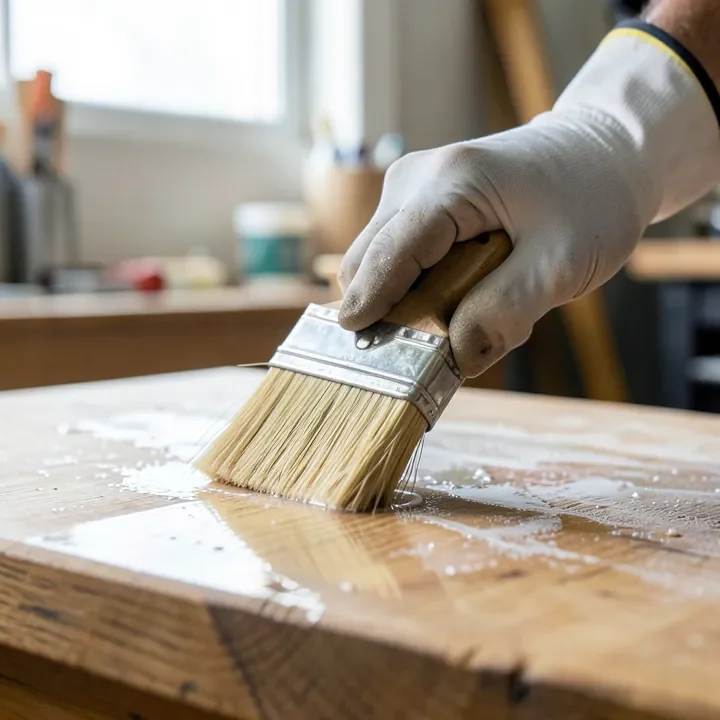
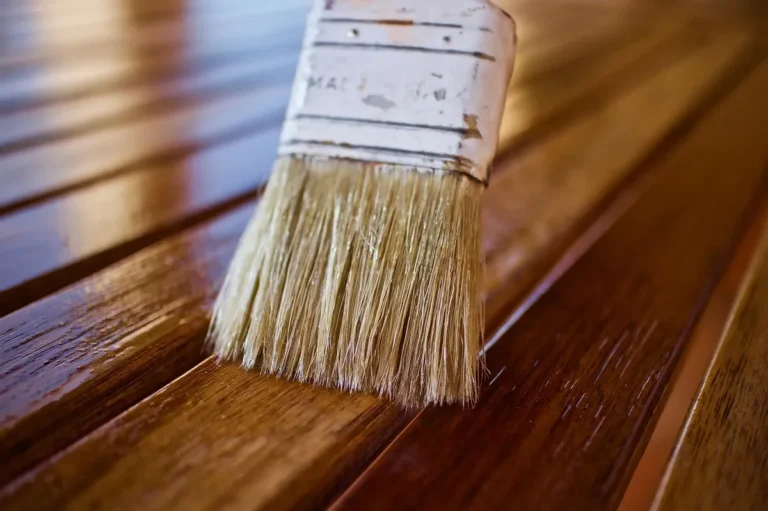
When you apply polyurethane, it forms a hard layer on the wood’s surface. This layer acts like a shield. It helps to stop liquids from soaking into the wood.

It also protects against scratches and wear. It makes the wood look nice, too. It can add a nice sheen or a matte finish.

The way it works is by creating a film. This film is a barrier. It seals the pores of the wood.

Think of it like a raincoat for your furniture. It stops water from getting through to the wood underneath. This helps prevent damage.

My Own Wood Project Woes

I remember a time I was building a small coffee table for my porch. I wanted it to be sturdy and look great. I picked out some nice pine boards.

After sanding them smooth, I grabbed a can of polyurethane. I’d used it before on indoor furniture. It always seemed to do a good job.

I applied two coats, letting each dry fully. The table looked beautiful. It had a nice, smooth finish.

I was so proud. Then, a sudden summer shower hit. It wasn’t a drizzle; it was a downpour.

The porch roof didn’t cover the table completely.

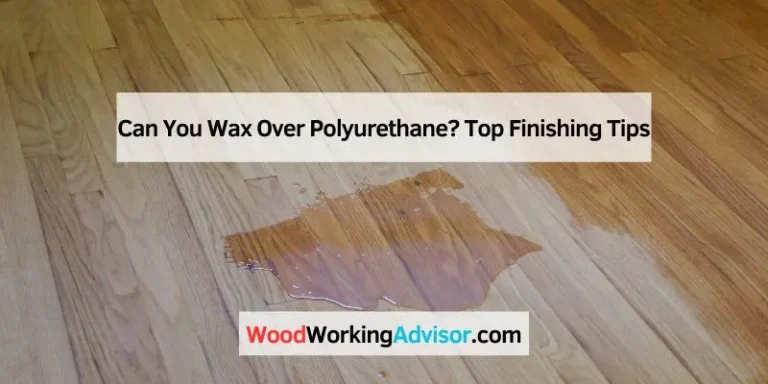
When the rain stopped, I rushed out to check. My heart sank a little. While the table wasn’t soaked through, I saw some small water spots.

They were white rings. They looked like ghosts on the surface. It was clear the polyurethane hadn’t been a perfect shield.

I felt a bit disappointed and wondered if I’d used the wrong kind or applied it wrong.

Expand your knowledge about Polyurethane with this article. Does Polyurethane Make Wood Waterproof? The Real Answer

Polyurethane vs. Water: The Battle on Wood

Polyurethane is a strong defender. It fights off many things. Water is one of them.

But it’s not a perfect fight every time. Let’s look at how well it holds up.

Oil-based poly: This type is known for being tough. It’s often more durable. It forms a thicker, harder coat.

It also tends to be better at resisting water and chemicals. Many people prefer it for high-traffic areas or places that might get a bit wet.

Water-based poly: This is easier to clean up. It dries faster. It’s also clearer than oil-based, so it doesn’t yellow the wood as much.

It offers good protection. But it might not be quite as tough as oil-based against heavy water exposure.

The barrier: Polyurethane works by creating a film. This film has to be complete. If there are any gaps or thin spots, water can get in.

This is why proper application is so important. Each coat needs to be even and cover the whole surface. You also need enough coats.

What happens when water hits: If the polyurethane is doing its job, water will bead up. It will sit on the surface. You can then wipe it away easily.

If the water starts to spread or soak in, the seal is broken. This can lead to white marks. It can also cause the wood to swell.

When Water Meets Polyurethane: Quick Facts

Beading is Good: Water forming little balls on the surface means the finish is working well.

Spotting is Bad: White rings or cloudy spots mean water got through.

Thin Coats Fail: Not enough polyurethane means less protection.

Damage Potential: Even small amounts of water can damage wood over time.

Factors Affecting Protection

So, why did I get those white rings on my table? It wasn’t just one thing. Several factors play a role.

Knowing these helps you get the best protection for your wood.

Type of Polyurethane: As mentioned, oil-based is generally tougher. It creates a more robust barrier. Water-based can be great, but for areas with frequent water contact, oil-based might be a safer bet.

Number of Coats: One coat is rarely enough. Most projects need at least two. For things that might get wet, like a bar top or a kitchen island, three or even four coats are better.

Each coat adds another layer of defense.

Application Quality: This is huge. You need to apply it evenly. No drips.

No missed spots. Sanding lightly between coats helps the next layer stick better. This makes the whole finish stronger.

A smooth, continuous film is key.

Cure Time: Polyurethane dries to the touch quickly. But it takes much longer to fully cure. Full cure means the plastic layer is as hard and resistant as it will get.

This can take days or even weeks. If you expose it to heavy moisture before it’s fully cured, it can be damaged easily.

Type of Wood: Some woods are more dense than others. Dense woods have fewer pores. This means water has a harder time getting in, even if the finish isn’t perfect.

Softwoods like pine have bigger pores.

Searching for more on Polyurethane? Take a look at this comprehensive post. Do You Sand After Staining Before Polyurethane? Explained

Polyurethane Application Checklist

  • Prep Work: Sand wood smooth. Clean off all dust.
  • Ventilation: Work in a well-aired space.
  • Apply Evenly: Use a good brush or foam applicator. Apply thin, even coats.
  • Between Coats: Lightly sand with fine-grit paper. Wipe away dust.
  • Dry Time: Let each coat dry fully. Check can for specific times.
  • Full Cure: Allow weeks for the finish to harden completely.

Is Polyurethane Truly Waterproof?

This is the million-dollar question. The honest answer is: usually not completely waterproof.

Polyurethane creates a water-resistant barrier. This means it can stop water from getting in for a while. It’s great for spills.

It’s good for a bit of rain. It’s not designed to be submerged in water for long periods.

Imagine a good pair of rain boots. They keep your feet dry in a puddle. But you wouldn’t go swimming in them.

Polyurethane is similar. It handles everyday water exposure well. But prolonged soaking will eventually break it down.

The clear film you see is a physical barrier. But it’s not a solid wall against water. Over time, especially with heat or cold cycles, tiny cracks can form.

Water molecules can also slowly penetrate the finish. This is especially true for water-based polyurethanes.

The longer water sits on the surface, the higher the chance it will find a weak spot. This is why wiping up spills quickly is so important. For projects that will be in constant contact with water, like a boat or a frequently used cutting board, you need specialized finishes.

Water-Resistant vs. Waterproof

Water-Resistant: Can repel water for a period of time. Good for splashes and spills. Polyurethane falls into this category.

Waterproof: Completely prevents water penetration. Even with long-term exposure. Very few wood finishes are truly waterproof.

When Polyurethane is a Great Choice

Even though it’s not totally waterproof, polyurethane is excellent for many uses. It’s a go-to finish for good reason. It offers a fantastic balance of protection, durability, and looks.

Discover more interesting content on Polyurethane by reading this post. Does Polyurethane Darken Wood? What To Expect Every Time

Indoor Furniture

For tables, chairs, dressers, and shelves inside your home, polyurethane is perfect. It guards against drink rings, food spills, and general wear and tear. It makes cleaning easy.

A quick wipe with a damp cloth is usually all it needs.

Doors and Trim

Interior doors and window trim often get touched. They can get scuffs. Polyurethane adds a layer of protection.

It keeps them looking fresh for longer. It also makes them easier to clean.

Cabinets and Countertops (with caveats)

Kitchen cabinets benefit greatly from a polyurethane finish. It protects them from grease and food splashes. For countertops, it can work if they are sealed extremely well with multiple coats of a durable oil-based poly.

However, for very heavy-duty kitchen use, other sealants might be better.

Wood Floors

Many wood floors are finished with polyurethane. It’s designed to withstand a lot of foot traffic. It protects the wood from dirt and spills.

Regular maintenance is still key, though.

Best Uses for Polyurethane

  • Indoor Tables: Dining tables, coffee tables, side tables.
  • Shelving Units: Bookcases, display shelves.
  • Cabinet Doors: Kitchen, bathroom, and closet cabinets.
  • Doors & Trim: Interior doors, window frames.
  • Decorative Items: Wooden boxes, picture frames.

When You Might Need Something Else

There are times when polyurethane just won’t cut it. These are situations where the wood will face serious water or moisture. Or where extreme durability is needed.

Outdoor Furniture (Extreme Exposure)

My porch table example shows this. If furniture is left out in the elements all year, even with polyurethane, it will struggle. Wood exposed to constant rain, sun, and humidity needs more.

Specialized outdoor sealants or marine-grade varnishes are better.

Boats and Marine Applications

Anything that will spend significant time in or on the water needs robust protection. Marine varnishes are designed to withstand salt water, UV rays, and constant submersion. Polyurethane is not typically a marine-grade finish.

Cutting Boards and Food Prep Surfaces

While some people use polyurethane on cutting boards, it’s often not recommended. Food-grade mineral oil or beeswax finishes are safer. They are also renewable.

If polyurethane is used, it must be cured perfectly. And even then, it can harbor bacteria if scratched.

Looking to expand your knowledge on Polyurethane? You’ll find this post helpful. Does Polyurethane Seal Wood Completely? Here’S The Truth

Heavy-Duty Shop Furniture

If you’re building a workbench that will be splashed with oils, solvents, or coolant, a tougher finish is needed. Some epoxies or specialized bench finishes are more resistant to harsh chemicals.

Alternatives to Polyurethane for Wet Areas

  • Marine Varnish: Excellent for boats and outdoor items in harsh conditions.
  • Epoxy Resin: Creates a very thick, durable, and waterproof layer. Great for bar tops and river tables.
  • Tung Oil or Linseed Oil: Penetrating oils that offer some water resistance and a natural look. Need frequent reapplication.
  • Wax Finishes: Offer a soft sheen and some water repellency but are not very durable.

What This Means for Your Wood Projects

So, what’s the takeaway for your own projects? Polyurethane is a fantastic finish. It offers good protection against water for most everyday situations.

It’s what most people need for their furniture and home projects.

When it’s normal: It’s normal for polyurethane to bead water. It’s normal for it to protect against casual spills. It’s normal for it to make your wood project look great and last longer indoors.

When to worry: You should worry if you see water spots. Especially if they don’t wipe away easily. You should worry if the wood starts to look cloudy or discolored under the finish.

This means water is getting in.

Simple checks: After applying polyurethane, let it cure fully. Then, test it with a small drop of water in an inconspicuous spot. See if it beads.

If it spreads, you may need another coat. Or maybe a different type of finish.

If your project is going to be outside, or in a very damp area, think carefully. Is polyurethane enough? Or do you need something stronger?

For my porch table, I learned that lesson. I later redid it with a marine spar varnish.

Quick Tips for Better Water Protection

Want to make your polyurethane finish as water-resistant as possible? Here are a few easy tips:

  • Choose the Right Type: For potential water exposure, especially outdoors or in kitchens/bathrooms, oil-based polyurethane is often a better choice than water-based.
  • Apply More Coats: Don’t skimp on coats. Three coats is a good minimum for high-use items. Four or more is even better for surfaces that might get wet.
  • Ensure Full Cure: Be patient! Let the finish cure for the full recommended time (often 30 days) before exposing it to heavy moisture or use.
  • Regular Maintenance: Even a well-finished piece of wood needs care. Wipe up spills promptly. Clean with gentle cleaners.
  • Inspect for Damage: Periodically check your wood surfaces for any signs of damage. Cracks or deep scratches in the finish can let water in.

Find out more about Polyurethane by exploring this related topic. How Polyurethane Glue Works And When You Should Use It

Frequently Asked Questions About Polyurethane and Water

Can I use polyurethane on a bathroom vanity?

Yes, you can use polyurethane on a bathroom vanity. It offers good protection against splashes and humidity. For best results, use an oil-based polyurethane and apply at least three to four coats.

Ensure it’s fully cured. Wipe up any standing water quickly.

Will polyurethane protect my wooden deck?

Polyurethane is generally not recommended for wooden decks. Decks face constant exposure to rain, sun, and foot traffic. Specialized deck stains or sealants are designed for these harsh conditions.

They offer better UV protection and water repellency over the long term.

What is the difference between water-based and oil-based polyurethane for water protection?

Oil-based polyurethane typically forms a harder, more durable film. This makes it generally more resistant to water penetration and wear than water-based polyurethane. Water-based poly is clearer and easier to clean, but may not hold up as well to constant moisture.

How long does it take for polyurethane to be fully waterproof?

Polyurethane is never truly fully waterproof. It is water-resistant. It takes about 30 days for most polyurethanes to fully cure and reach their maximum hardness and resistance.

During this curing time, avoid heavy moisture exposure.

Can polyurethane prevent wood rot?

Polyurethane can help prevent wood rot by keeping moisture out. Rot occurs when wood is constantly wet and exposed to fungi. By creating a barrier, polyurethane significantly reduces the moisture available to cause rot.

However, if the finish is compromised, rot can still occur.

What should I do if I see white rings on my polyurethane finish?

White rings usually mean water has penetrated the finish. If it’s a fresh spot, try gently buffing it with #0000 steel wool. For older spots, you might need to lightly sand the area and reapply a coat or two of polyurethane.

Ensure proper curing.

Wrapping Up: Polyurethane and Water’s Relationship

So, does polyurethane protect wood from water? Yes, it absolutely does, but with important limits. It’s a great shield for everyday spills and splashes.

It makes your wooden items last longer and look better. Just remember it’s water-resistant, not a magical waterproof shield.

Similar Posts