How to Thin Water-Based Polyurethane (Water Only, Max ~10%)
Thin water-based polyurethane with water only, and cap it around 10% by volume — going much beyond that dilutes the resin content enough to weaken the finish, not just make it flow better. Many manufacturers don’t officially endorse thinning with plain water at all; check your specific product’s label first, since some brands specify a purpose-made additive instead.
The Real Ratio (And A Common Mistake To Avoid)
A Purpose-Built Alternative To Plain Water
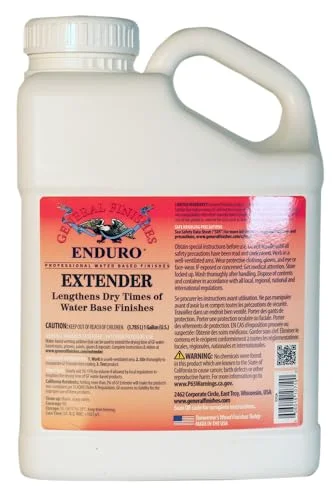 |
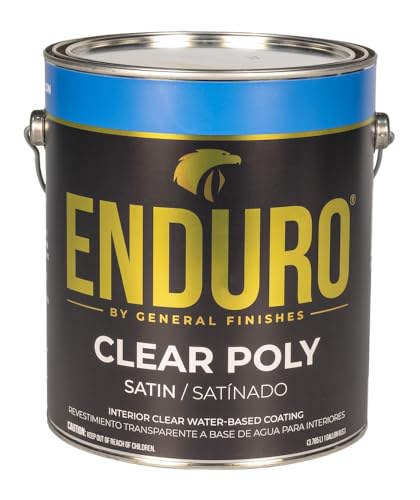
General Finishes Enduro Extender, Water-Based Formula Made specifically to thin and extend working time on water-based finishes — a real alternative when plain water isn’t giving you the flow you want.
|
Water-based polyurethane is a resin suspended in water, not dissolved in a true solvent — adding water dilutes the actual film-forming resin content along with the water already in the mix. Real-world guidance from finishers and manufacturers consistently caps thinning at around 10% water by volume for brushing; going significantly higher (a ratio like 1 part poly to 4 parts water, which some sources incorrectly suggest, would be roughly 80% water) doesn’t just improve flow, it removes so much of the actual resin that the resulting film is too thin and weak to protect the wood properly. If a source suggests a ratio that dilutes the poly more than about 10-15%, treat that as a red flag rather than a valid technique.
Why Water, Never Mineral Spirits Or Solvents
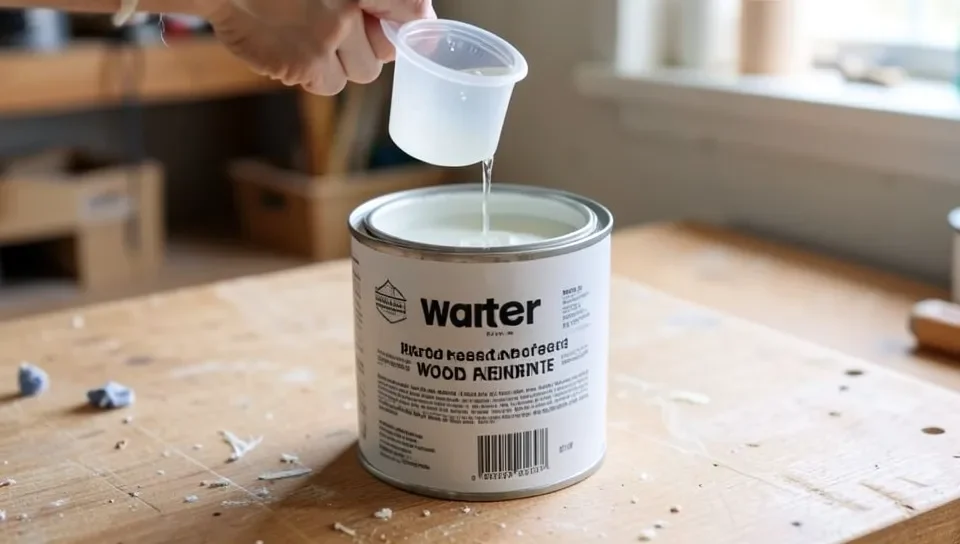
Water-based polyurethane is a genuine water-based emulsion — mineral spirits, paint thinner, or any petroleum-based solvent will not blend into it properly and will cause the finish to curdle, separate, or cure incorrectly. This is a real, physical incompatibility, not just a manufacturer recommendation to be cautious about. If you need a specific brand’s officially sanctioned thinner or additive rather than plain water, check that product’s label or technical data sheet — some manufacturers, like General Finishes, sell a purpose-made extender additive specifically for this instead of leaving you to guess with tap water.
Right-Sizing The Safety Precautions
Water-based polyurethane is specifically formulated to be lower-odor and lower-VOC than oil-based/solvent finishes — that’s a real, marketed advantage of the product, not a minor footnote. Good ventilation (open windows, a fan) is genuinely sensible practice for any finishing work, but a full respirator, coveralls, and a dedicated spray booth are overkill for standard brush application of a water-based product — that level of protection makes more sense for spray application of any finish, or for solvent-based products specifically. Match your precautions to the actual product and application method rather than applying oil-based-finish safety advice to a water-based one.
A Safe Step-By-Step Approach
- Check the label first. Some water-based finishes specify their own thinning guidance or a specific additive — that always overrides general advice.
- Start small. Add water in small increments, roughly 5% of the poly’s volume at a time, stirring gently between additions.
- Stop well before 15%. Most brushing needs are met at or below 10% — there’s rarely a reason to go further.
- Test on scrap first. Brush a sample on an offcut of the same wood species and let it dry fully before committing to the actual project.
- Stir, don’t shake. Shaking introduces air bubbles that show up in the dried finish; stir gently instead.
| Application Method | Typical Water Amount |
|---|---|
| Brushing | 0-10%, often works fine unthinned |
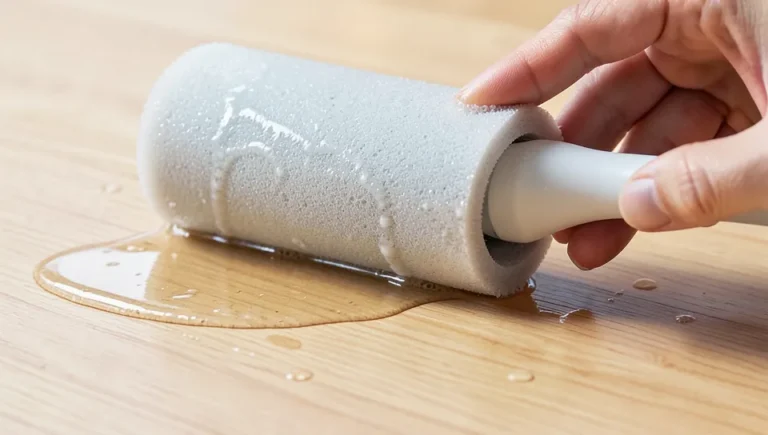
| Rolling | 5-10% |
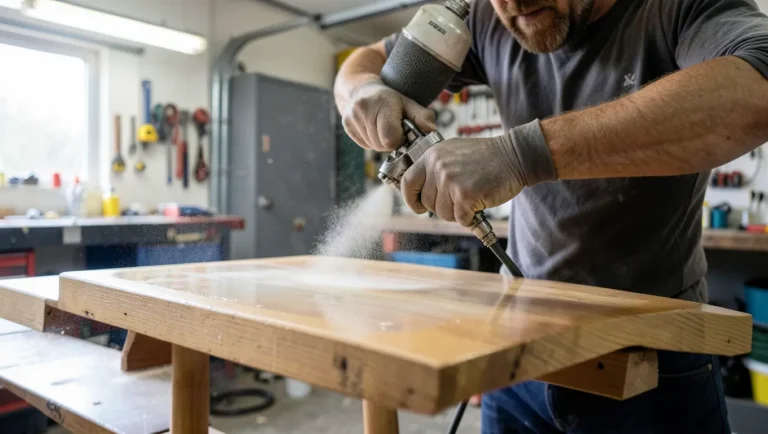
| Spraying (HVLP) | Follow your sprayer and product’s specific guidance — often a purpose-made additive rather than water |
Common Mistakes
- Thinning more than ~10-15%: over-dilutes the resin, weakening the final film rather than just improving flow.
- Using mineral spirits or any petroleum solvent: will cause the water-based emulsion to curdle or fail to cure properly.
- Skipping the label check: some manufacturers don’t officially sanction thinning with water at all and specify their own additive instead.
- Over-applying safety gear meant for solvent-based finishes: water-based poly is genuinely lower-VOC; good ventilation is sensible, a respirator and spray booth usually aren’t necessary for brushing it.
Frequently Asked Questions
What’s the correct ratio for thinning water-based polyurethane?
Around 10% water by volume as a general guideline, and rarely more than 10-15%. A ratio like 1 part poly to 4 parts water (roughly 80% water) is far too diluted and will weaken the finish rather than just improve flow.
Can you use mineral spirits with water-based polyurethane?
No. Water-based polyurethane is a water-based emulsion, and mineral spirits or other petroleum solvents will cause it to curdle or fail to cure properly. Use only water, or a manufacturer-specified additive.
Do you need a respirator to apply water-based polyurethane?
Not typically for brushing. Water-based poly is formulated to be lower-odor and lower-VOC than oil-based finishes. Good ventilation is sensible, but a full respirator and spray booth are more relevant to spray application or solvent-based products.
Conclusion
Thin water-based polyurethane with water only, capped around 10%, and check your specific product’s label before assuming any ratio is safe — a 1:4 dilution some sources suggest would seriously weaken the finish. A purpose-made extender additive is a real, worthwhile alternative if plain water isn’t giving you the working time or flow you need.
Sponsored / affiliate links. As an Amazon Associate I earn from qualifying purchases. I may earn additional commission from eligible campaigns.