Does Polyurethane Seal Wood Completely

Does Polyurethane Seal Wood Completely? Here’S The Truth

It’s a fair question, and one many DIYers and homeowners ponder. You want to be sure your hard work is protected. You’ve heard it’s a tough finish.

But does “tough” mean “waterproof” and “impermeable” in every single situation? Let’s dive in and find out what polyurethane really does for your wood.

Polyurethane creates a durable, protective barrier on wood that resists water and stains, but it is not entirely impermeable. While it offers excellent protection for most household uses, prolonged exposure to standing water or harsh chemicals can eventually compromise the seal. Its effectiveness depends on the type of polyurethane, the number of coats applied, and the specific environmental conditions.

Understanding Polyurethane’s Protective Power

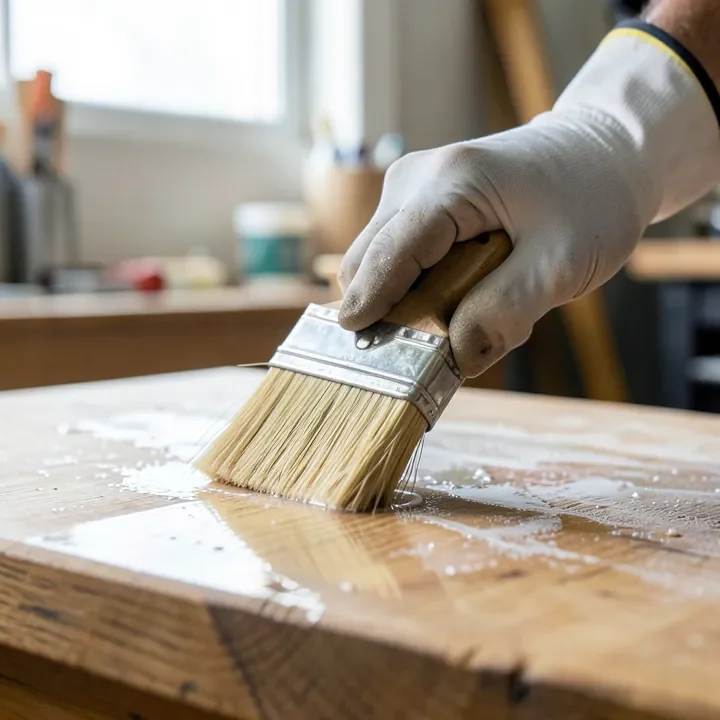
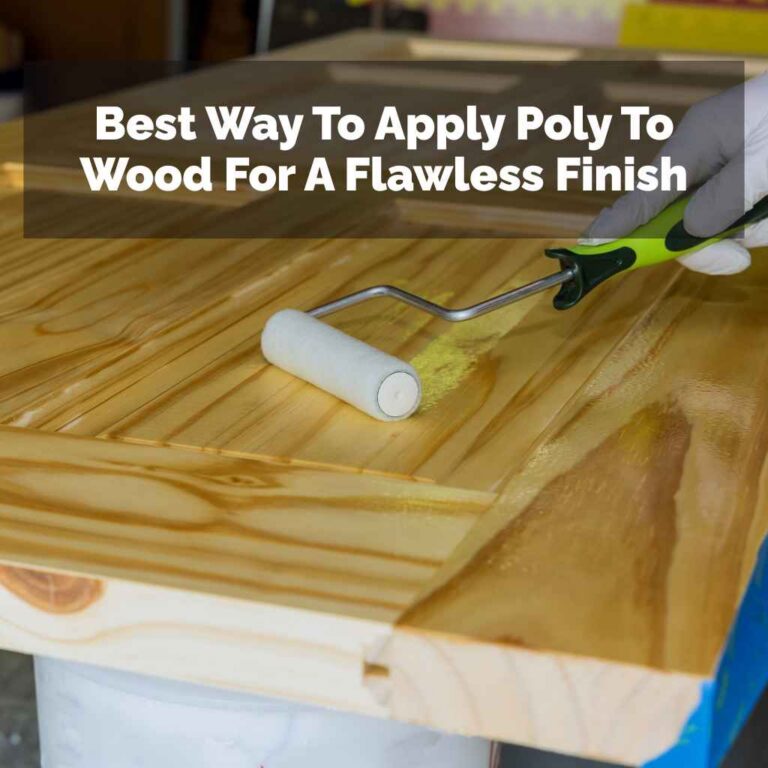
Polyurethane is a type of plastic polymer. When you brush it onto wood, it dries into a hard, clear, or tinted layer. This layer acts like a shield.

It sits on top of the wood grain. This is different from an oil finish, which soaks into the wood.

Polyurethane is known for its toughness. It stands up well to everyday wear and tear. Think about a kitchen table.

It gets bumped, wiped down, and sometimes has spills. A good polyurethane finish can handle this. It protects the wood from scratches and scuffs.

It also makes cleaning much easier.

The way polyurethane protects is by forming a film. This film is the key to its water resistance. Water can’t easily soak into the wood once this film is in place.

This is why it’s great for furniture, cabinets, and even some floors. It keeps liquids from penetrating the wood surface.

There are a few main types of polyurethane. Oil-based polyurethane is very durable and offers great protection. It also has a warmer, amber tone.

Water-based polyurethane dries faster and is clear. It’s less prone to yellowing over time. Both types offer good protection, but the specifics of how they seal can vary slightly.

When you apply multiple coats of polyurethane, you build up this protective film. Each coat adds another layer of defense. This is why following application instructions and applying enough coats is so important.

It ensures the wood is well-covered and protected from common household issues.

Want to learn more about Polyurethane? This post could provide more insights. Does Polyurethane Make Wood Waterproof? The Real Answer

My Own Polyurethane Puzzle

I remember building a small, outdoor planter box for my mom. It was made from pine, which is a softwood and can soak up moisture easily. I wanted it to look nice and last a few seasons.

I decided on a water-based polyurethane because I wanted a clear finish that wouldn’t yellow.

I spent hours sanding the wood smooth. Then, I applied what I thought was a generous number of coats. I let it dry thoroughly between each one.

I felt pretty good about it. I pictured it sitting on her porch, looking pristine. It even survived a few light sprinklings from the garden hose.

Then came that one unusually wet week. It rained almost every day. The planter sat there, with water pooling around its base.

After about a week of constant dampness, I went to check on it. To my dismay, the bottom edges of the planter had started to look a bit swollen. The wood felt soft.

The polyurethane wasn’t completely blocking the water this time.

It was a moment of “uh oh.” I realized that while polyurethane is good, it’s not a magic shield against every single water situation. For this particular project, I should have considered a more robust outdoor sealant. It taught me a valuable lesson about matching the finish to the environment.

Understanding Water Resistance vs. Waterproofing

Water Resistance: This means a material can repel water to a certain degree. It can withstand splashes and light moisture without damage. Polyurethane offers excellent water resistance.

Waterproofing: This means a material completely prevents water from passing through it, no matter the exposure. True waterproofing is rare for wood finishes. Polyurethane is water-resistant, not fully waterproof.

How Polyurethane Fights Off Liquids

The primary way polyurethane protects wood is by creating a barrier. This barrier is a film that sits on the surface. Think of it like a clear plastic wrap for your wood.

This film is made of polymer chains that link together as the finish dries.

When liquid, like water or juice, hits the surface, it beads up. It doesn’t immediately soak into the wood. This is because the pores of the wood are covered.

The liquid sits on top of the polyurethane film. You can then wipe it away easily.

This is why polyurethane is so good at preventing stains. Many stains are liquid-based. If the liquid can’t get into the wood, it can’t leave a permanent mark.

This makes cleaning up spills much less stressful for users.

However, this barrier isn’t perfect. The film has microscopic imperfections. Over time, or with very prolonged contact, moisture can find its way through.

This can happen if water is allowed to sit for days. Or if there are tiny cracks or gaps in the finish.

Also, the type of polyurethane matters. Oil-based polyurethanes tend to be a bit more water-resistant than water-based ones. They form a slightly harder, more robust film.

But even oil-based poly can be compromised with extreme exposure.

The number of coats is also a big factor. One thin coat won’t do as much as three or four thicker coats. Each coat adds to the overall thickness and integrity of the protective film.

Building up this film is key to maximizing its protective qualities.

Eager to delve deeper into Polyurethane? Check out this article for more insights. Do You Sand After Staining Before Polyurethane? Explained

Factors Affecting Polyurethane’s Seal

  • Type of Polyurethane: Oil-based vs. Water-based
  • Number of Coats: More coats mean better protection.
  • Application Quality: Smooth, even coats without gaps.
  • Wood Type: Some woods absorb more than others.
  • Exposure Duration: How long the wood is exposed to moisture.
  • Environmental Conditions: Humidity, temperature changes.

Real-World Scenarios: Where Does Polyurethane Shine (and Struggle)?

Let’s look at common places where wood is finished with polyurethane. This helps us understand its limits. Think about your kitchen table.

It gets daily use. Water spills happen. Food messes occur.

A well-finished table with polyurethane is great for this.

You can wipe it clean easily. Water beads up. Most common food items won’t stain it.

This is because the exposure is usually brief. You wipe up spills quickly. The polyurethane is doing its job perfectly in this scenario.

Now consider a bathroom vanity top. This often involves more moisture. Splashes from sinks, toothpaste, and cleaning products.

If the vanity is properly sealed with enough coats of good quality polyurethane, it can hold up well. But it’s a higher-risk area for moisture.

Constant dampness, like in a shower surround (which is rarely finished with polyurethane), would be a problem. Or a wooden cutting board that sits in a wet sink. These situations are where polyurethane can start to fail.

The water can find a way in over time.

Wooden decks are another example. They are exposed to rain, snow, and sun all year. Polyurethane is generally not recommended for exterior decks.

It’s not designed for that level of constant moisture and UV exposure. Other specialized outdoor finishes are better suited.

So, for typical indoor furniture, cabinets, and tabletops, polyurethane is an excellent choice. It provides robust protection against spills and everyday messes. For areas with prolonged or heavy water exposure, you might need something more specialized.

Or you might need to be extra diligent with maintenance.

Discover more interesting content on Polyurethane by reading this post. Does Polyurethane Darken Wood? What To Expect Every Time

Polyurethane: Great For.

Indoor Furniture: Tables, chairs, desks, shelves.

Cabinets: Kitchen and bathroom cabinets.

Doors and Trim: Interior wood elements.

Flooring: With specific wear-resistant formulations.

Polyurethane: Not Ideal For.

Exterior Surfaces: Decks, outdoor furniture (unless specifically formulated).

Constant Water Immersion: Boat hulls, docks, items always in water.

High-Heat Areas: Near stoves or direct heat sources, as it can degrade.

What Happens When Polyurethane Fails?

If water does manage to get past the polyurethane barrier, it can cause several problems. The most obvious is that the wood will absorb moisture. This can lead to swelling.

You might see the wood expand. This can cause issues like joints separating or veneers lifting. It can also change the shape of your piece.

This is especially true for wood that isn’t kiln-dried or is very porous.

Another issue is discoloration. Water can cause dark spots or watermarks on the wood itself. These can appear even if the polyurethane seems intact.

The moisture has found a weak point and seeped through.

For oil-based polyurethane, prolonged water exposure can sometimes lead to a cloudy or milky appearance in the finish itself. This is called “blooming.” It happens when moisture gets trapped in the finish film. It can sometimes be fixed, but it’s a sign the seal has been compromised.

With water-based polyurethanes, you might see the finish peel or lift if it’s constantly wet. It’s not as tough when it’s saturated for long periods.

The worst-case scenario is that the wood starts to rot or mold. This happens when the moisture stays trapped for a long time. The wood then becomes a breeding ground for fungi.

This is a serious structural problem that can ruin your project.

This is why regular maintenance and quick cleanup of spills are so important. It’s about helping the polyurethane do its job effectively by not asking it to perform beyond its capabilities.

Want more in-depth information on Polyurethane? Don’t miss this article. Does Polyurethane Protect Wood From Water? Find Out Here

Signs Your Polyurethane Seal Might Be Weak:

  • Water beads up and wipes away easily. (Good sign)
  • Water soaks into a spot, leaving a darker mark temporarily. (Potential weak spot)
  • Wood looks swollen or distorted. (Moisture has entered)
  • Finish looks cloudy or milky in an area. (Moisture trapped)
  • Peeling or bubbling of the finish. (Seal is failing)

Enhancing Polyurethane’s Protection

So, if polyurethane isn’t 100% waterproof, how can you get the best possible protection from it? It all comes down to application and understanding its limits.

First, always start with properly prepared wood. Sand it smooth. Remove all dust.

This ensures the finish adheres well.

Then, apply multiple coats. For most indoor furniture, 2-3 coats are good. For high-wear surfaces like tabletops or floors, aim for 3-4 coats or even more.

Each coat builds thickness and strength.

Let each coat dry completely before applying the next. Rushing this process can lead to a weaker finish. Check the product instructions for drying times.

These can vary based on temperature and humidity.

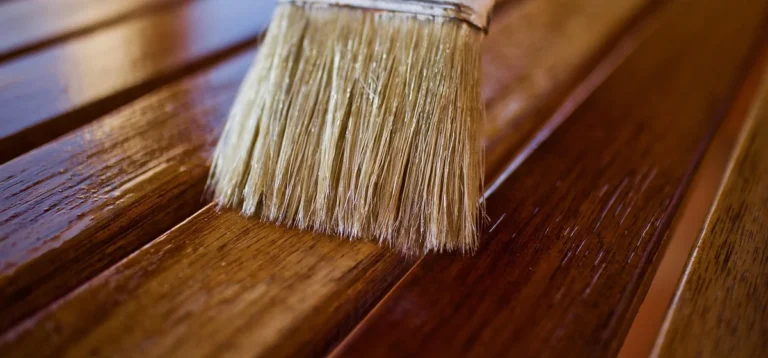
Use a good quality brush or applicator. Apply the polyurethane evenly. Avoid thick, gloppy spots or thin, missed areas.

Smooth, consistent coats are crucial for a good seal.

Consider the type of polyurethane. For areas that might see more moisture, like a kitchen cabinet door, an oil-based polyurethane might offer slightly better resistance. However, water-based finishes are improving rapidly and are often sufficient.

If you’re working on a project that will see significant moisture, like a potting bench or a kitchen island countertop, you might want to use a marine-grade spar urethane. These are designed for much harsher conditions, including UV resistance and greater water repellency.

Finally, maintain your finish. Wipe up spills promptly. Clean surfaces regularly with a damp cloth, not a soaking wet one.

Avoid harsh chemical cleaners that can break down the finish.

Quick Tips for Better Protection

Sand Properly: Smooth surfaces bond better.

More Coats = More Protection: Don’t skimp!

Allow Full Drying: Patience pays off.

Apply Evenly: Avoid thin spots or drips.

Choose the Right Type: Consider the environment.

Clean Spills Fast: Be proactive.

Eager to delve deeper into Polyurethane? Check out this article for more insights. How Polyurethane Glue Works And When You Should Use It

When Is Polyurethane Not Enough?

There are times when polyurethane, even applied perfectly, might not be the best or only solution. If your project is going to be outdoors and exposed to the elements, you generally need something more.

For decks, fences, or outdoor furniture that stays outside year-round, you need finishes designed for this. These often contain UV blockers to prevent sun damage. They also have enhanced flexibility to cope with expansion and contraction from temperature changes.

They are formulated to withstand prolonged rain and snow.

Projects that will be submerged in water, like boat parts or piers, require specialized marine coatings. These are different from standard polyurethanes. They are designed to withstand constant immersion and the harsh conditions of water environments.

High-heat applications are also a concern. While polyurethane is durable, extreme heat can degrade it. If you’re finishing something like a shelf directly above a radiator or a stovetop, a heat-resistant coating is needed.

Also, consider the type of wood. Very porous woods like some pine or balsa can be challenging to seal perfectly, even with multiple coats. They might absorb more moisture, and the finish might not adhere as well over time.

For food preparation surfaces like cutting boards, while polyurethane can be used, it’s often recommended to use food-safe mineral oil or specialized butcher block conditioners. This is because even a strong finish can be scratched by knives, creating crevices for bacteria, and polyurethane is not meant to be ingested.

If you’re unsure, research the specific demands of your project. Look for finishes designed for that particular use case. Don’t assume one product will work for every situation.

When to Look Beyond Standard Polyurethane:

Outdoor Exposure: Rain, sun, snow year-round.

Submersion in Water: Boats, docks, always wet items.

Extreme Heat: Near heat sources.

Food Contact Surfaces: Cutting boards, countertops (specialized finishes exist).

Heavy Chemical Exposure: Some industrial or workshop environments.

Frequently Asked Questions About Polyurethane and Wood

Is polyurethane completely waterproof for wood?

No, polyurethane is highly water-resistant but not completely waterproof. It forms a protective film that repels most liquids, but prolonged exposure to standing water or harsh moisture can eventually compromise the seal and allow water to penetrate the wood.

Can I use polyurethane on a kitchen countertop?

Yes, you can use polyurethane on a kitchen countertop, especially oil-based polyurethane, for good durability and stain resistance. However, it’s crucial to apply many coats (4-6) and wipe up spills immediately, as it’s not completely impervious to moisture or heat damage over time.

Will polyurethane protect wood from outdoor elements?

Standard polyurethane is generally not recommended for outdoor use. It doesn’t offer sufficient protection against UV rays, extreme temperature fluctuations, or constant moisture. For outdoor projects, look for specialized exterior wood finishes like spar urethane or deck stains.

How many coats of polyurethane do I need for maximum protection?

For most indoor furniture, 2-3 coats are usually sufficient. For high-traffic areas like tabletops, cabinets, or floors, aim for 3-4 coats. For demanding applications, up to 5-6 coats might be beneficial.

Always allow each coat to dry fully before applying the next.

What is the difference between water-based and oil-based polyurethane?

Water-based polyurethane dries clear, faster, and has low VOCs (volatile organic compounds). Oil-based polyurethane dries with a warm, amber tone, is generally more durable and water-resistant, but takes longer to dry and has stronger fumes.

Can water damage wood under polyurethane if left for a long time?

Yes, if water is left to sit on a polyurethane-finished surface for an extended period, it can eventually find its way through the finish. This can lead to swelling of the wood, discoloration, or damage to the finish itself. Prompt cleanup is always best.

Does polyurethane seal out humidity effectively?

Polyurethane helps to seal out some humidity by creating a barrier. However, wood is naturally porous and can still absorb or release moisture in response to high humidity. It significantly reduces direct moisture contact but doesn’t make wood completely impervious to atmospheric humidity changes.

Conclusion

So, to answer the question directly: does polyurethane seal wood completely? The short answer is no, it does not seal wood completely. It offers excellent protection against everyday spills, stains, and wear for most indoor applications.

It creates a strong, water-resistant barrier.

However, it’s not a foolproof shield against prolonged water immersion or harsh outdoor conditions. Understanding its capabilities and limitations is key. By applying enough coats, choosing the right type, and maintaining the finish, you can maximize polyurethane’s protective qualities for your beautiful wood projects.

Similar Posts