Does Teak Wood Rot: Proven Essential Facts
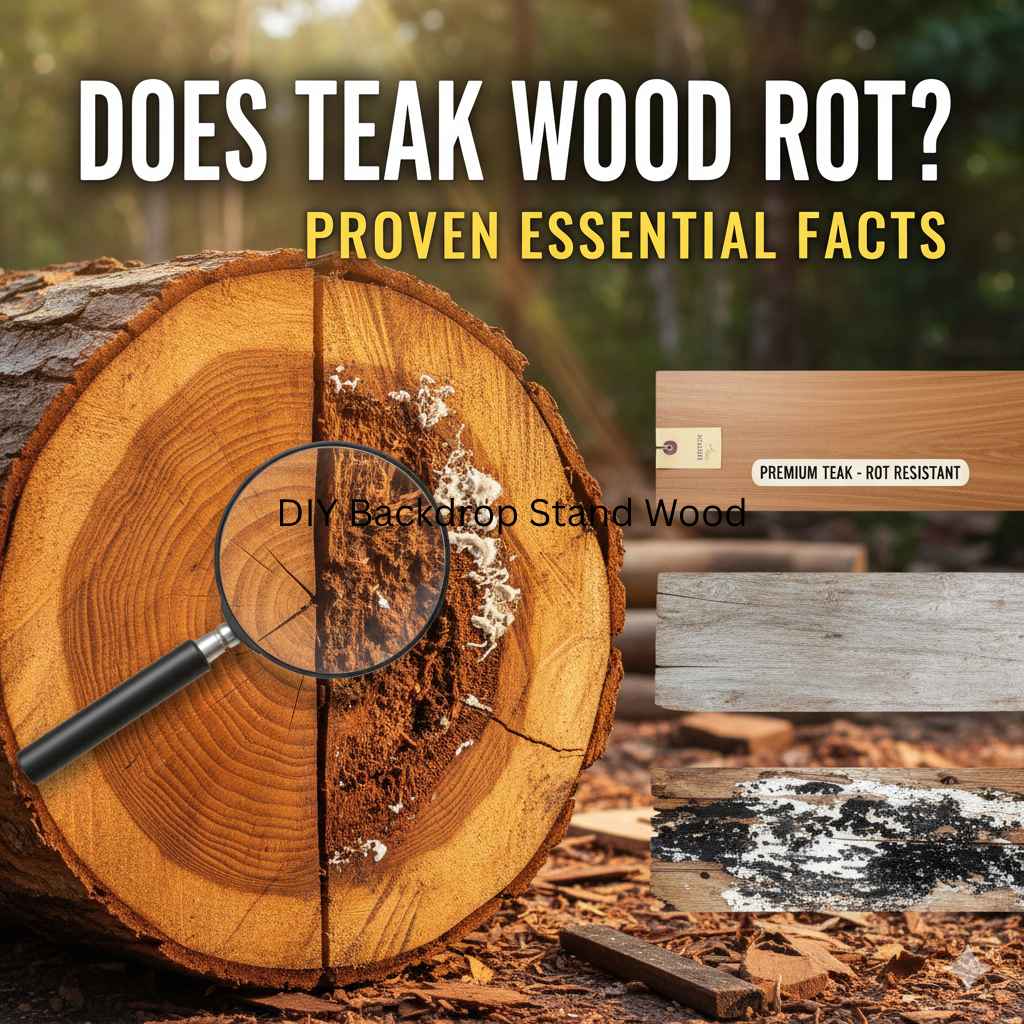
Teak wood is exceptionally resistant to rot and decay, making it a top choice for outdoor furniture, boats, and other applications exposed to moisture. Its natural oils and dense structure effectively repel water and deter the microorganisms that cause rot.
Hey there, woodworking friends! Md Meraj here, ready to demystify another common question that pops up in workshops and backyards everywhere: does teak wood rot? If you’ve ever admired beautiful teak outdoor furniture or marveled at its use in boat building, you’ve probably wondered about its incredible durability. It’s a natural question to ask, especially when you’re considering a project or an investment that needs to stand the test of time and the elements. Many woods can fall victim to decay, but teak is different. Stick around, and I’ll break down exactly why teak is so highly regarded and what makes it so resistant to rot. We’ll look at the science behind it and what it means for you, whether you’re a seasoned pro or just starting out with a DIY project.
Unpacking the Mystery: Why Teak Wood is a Rot-Resistant Champion
When we talk about wood rot, we’re essentially talking about the breakdown of wood by fungi. These tiny organisms love moisture and nutrients found in wood. Without them, rot can’t take hold. So, how does teak manage to shrug off these fungal invaders so effectively? It boils down to a few key natural characteristics that nature has bestowed upon this remarkable timber.
The Secret Sauce: Natural Oils and Density
Teak’s magic lies in its high concentration of natural oils and its incredibly dense grain structure. These aren’t just any oils; they are a complex blend, rich in silica and natural rubbers. These oils act as a powerful waterproofing agent, repelling water and preventing it from soaking into the wood. Think of it like a built-in sealant that never wears off! This oiliness is a primary reason why teak furniture, even after years outdoors, doesn’t swell, warp, or crack as much as other hardwoods.
Beyond the oils, teak’s density is another crucial factor. The wood fibers are packed very closely together. This tight structure makes it difficult for moisture and, importantly, fungal spores to penetrate deep into the wood. Even if some moisture gets in, the natural oils create an environment that is highly unfavorable for the fungi that cause rot.
To give you a clearer picture, let’s look at a comparison:
| Wood TypeNatural Oil ContentDurability Against Rot/InsectsTypical Use Cases | |||
|---|---|---|---|
| Teak | Very High | Excellent | Outdoor furniture, boat decks, outdoor structures |
| Oak | Moderate | Good to Moderate | Indoor furniture, flooring, barrels |
| Pine | Low | Poor (needs treatment) | Construction framing, indoor furniture (often treated) |
| Cedar | Moderate (aromatic oils) | Good (especially against insects) | Outdoor decking, fencing, siding |
The Role of Silica
Did you know teak wood contains a significant amount of silica? This is a naturally occurring mineral compound. The presence of silica in teak helps to make the wood resistant to not only rot and decay but also to insects like termites. Insects find it difficult to digest teak, and the silica can even dull their chewing mouthparts. This extra layer of defense further contributes to teak’s longevity, especially in environments where insect infestation is a concern.
Teak vs. Other Woods: A Durability Showdown
To truly appreciate teak’s resistance to rot, it helps to compare it with woods that are more susceptible. Many common woods used in construction and furniture making, while beautiful and functional, require extra protection to ward off decay.
Common Woods and Their Vulnerabilities
- Pine: This is a softwood that is quite prone to rot and insect damage, especially when exposed to moisture. It often needs to be pressure-treated with chemicals or sealed very thoroughly to be used outdoors.
- Oak: While a hardwood and generally more durable than pine, many species of oak can still be susceptible to rot and insect attack, particularly in damp conditions. It’s often best used indoors or with protective finishes for outdoor applications.
- Cedar: Cedar is known for its natural resistance to rot and insects, thanks to its aromatic oils. However, its density and oil content are generally lower than teak, making teak the superior choice for extreme durability and water submersion.
The Teak Advantage
Teak doesn’t rely on artificial treatments or frequent refinishing to maintain its integrity against the elements. Its strength lies in its innate properties. This makes it incredibly low-maintenance for outdoor applications. You can leave teak furniture exposed to rain, sun, and humidity, and it will remain structurally sound for decades, often outliving other materials in the same environment.
Understanding Teak Grades: Not All Teak is Equal
When you’re looking at teak wood, you might encounter different “grades.” This grading system primarily relates to the concentration of heartwood versus sapwood and the quality of the cut. While all teak has some degree of rot resistance, the highest grades offer the most.
- Grade A Teak: This is the premium grade, harvested from mature trees (typically over 50 years old). It consists entirely of heartwood, which is the densest and most oil-rich part of the tree. Grade A teak is predominantly used in high-quality boat building and luxury outdoor furniture. It boasts the highest resistance to rot, decay, and weathering.
- Grade B Teak: This grade usually contains a mix of heartwood and sapwood. Sapwood (the outer layer of the wood) is less dense and contains fewer natural oils, making it more susceptible to decay and insect damage than heartwood. Grade B is still very good but will not last as long or perform as well as Grade A in challenging conditions.
- Grade C Teak: This grade often includes a higher proportion of sapwood and may come from younger trees. While it can still be used for some applications, especially when protected or for interior uses, its rot resistance is significantly lower.
For most outdoor furniture and any application where direct contact with water or prolonged exposure to weather is expected, always opt for the highest quality teak you can afford, ideally Grade A. A well-sourced, higher-grade teak is an investment that pays off in longevity and minimal maintenance.
How Teak Performs in Different Environments
Teak’s reputation for durability isn’t just theoretical; it’s built on centuries of practical use in some of the harshest conditions imaginable.
Marine Applications: The Ultimate Test
Teak has been the go-to wood for boat decks, trim, and other marine components for generations. Why? Because it can handle constant exposure to saltwater, UV radiation, and varying temperatures without degrading. Saltwater, which can damage many other woods and metals, actually helps to preserve teak by drying out its surface and slightly enhancing its natural oils. The dense, oily nature of teak prevents water absorption, crucial for boat structures where water ingress can lead to serious structural issues and rot.
According to the U.S. Power Squadrons, a leading boating organization, the inherent properties of teak make it ideal for marine environments where durability and resistance to water are paramount. They often recommend teak for surfaces that require excellent grip (as teak develops a nice patina that isn’t slippery) and long-term resilience.
Outdoor Furniture: Weathering the Storm
For your patio, garden, or poolside, teak furniture is a fantastic choice. It can sit outdoors year-round, come rain or shine. While it will naturally weather to a silvery-gray patina over time due to sun exposure (which many people find beautiful!), its structural integrity remains. The natural oils continue to protect it from rot and decay, meaning you won’t have to worry about it falling apart after a few seasons, unlike many other wood types or even some synthetic materials.
Other Outdoor Structures
Beyond furniture and boats, teak is also used for outdoor decking, benches, and even architectural elements. Its resistance to rot, decay, and insects makes it a superior material for any application where durability and longevity in an outdoor setting are critical. A well-built teak structure can last for 50 years or more with minimal upkeep.
Maintenance for Longevity (Even Though it Resists Rot!)
While teak is incredibly resilient, a little bit of care can go a long way to keep it looking its best and performing optimally for decades. Remember, “resisting rot” doesn’t mean it’s impervious to everything!
Cleaning Teak
Over time, teak exposed to the elements can accumulate dirt, mildew, and algae. Regular cleaning is the best way to keep it looking fresh and prevent surface issues.
- Gentle Wash: Most of the time, a mild soap (like dish soap) and water with a soft brush or cloth are sufficient. Scrub gently in the direction of the grain.
- Stubborn Stains: For tougher stains or mildew, you might need a specialized teak cleaner. Follow the product instructions carefully. Some cleaners are acidic, while others are alkaline, and the right choice depends on the type of stain. Always test in an inconspicuous area first.
- Rinsing: Always rinse thoroughly with clean water after washing.
Dealing with the Patina
Many people love the natural silvery-gray patina that teak develops. If you prefer to maintain the original golden-brown color, you’ll need to use a teak sealer or protector annually. These finishes often contain UV inhibitors to prevent graying and can replenish some of the oils.
- Washing: Wash the teak thoroughly and let it dry for a day or two.
- Applying Sealer: Apply a high-quality teak sealer following the manufacturer’s instructions. This usually involves brushing or wiping it on evenly.
- Reapplication: Sealers typically need to be reapplied every 6 to 12 months, depending on the product and your climate.
Sanding (When Necessary)
If your teak becomes very weathered, stained, or has rough patches, you can lightly sand it. Use fine-grit sandpaper (around 120-220 grit) and always sand with the grain. After sanding, clean off all dust and consider applying a sealer to protect the newly exposed wood.
It’s important to understand that while teak is rot-resistant, its surface can still be affected by mold and mildew if left consistently damp and dirty. This is a surface issue, not a structural decay issue, and is easily managed with cleaning.
The Environmental Impact and Sourcing of Teak
As with any natural resource, responsible sourcing of teak is a crucial consideration. Old-growth teak forests can be depleted if not managed sustainably. Fortunately, there are excellent options available for ethically sourced and legally harvested teak.
Certified Teak
Look for teak that is certified by organizations such as the Forest Stewardship Council (FSC). FSC certification ensures that the wood comes from forests managed responsibly, considering environmental, social, and economic aspects. Purchasing certified teak helps support sustainable forestry practices and confirms that the wood was legally logged.
You can learn more about sustainable forestry and wood certifications from resources like the Forest Stewardship Council. This ensures that your beautiful, rot-resistant teak furniture or project isn’t contributing to deforestation or unethical labor practices.
Plantation Teak
Many suppliers now offer teak harvested from sustainably managed plantations. This teak is grown specifically for timber production, often on shorter rotation cycles than old-growth forests. While plantation teak might be slightly less dense or oily than the finest old-growth heartwood, it still possesses excellent rot resistance and is a more environmentally friendly choice.
When Teak Might (Rarely) Show Signs of Distress
While teak is incredibly rot-resistant, it’s not entirely indestructible. Understanding its limitations helps manage expectations and ensure you’re using it appropriately.
- Prolonged Submersion in Stagnant, Nutrient-Rich Water: While teak excels in marine environments with moving saltwater, prolonged submersion in stagnant freshwater that’s rich in organic matter could potentially lead to some surface issues over extreme periods, though structural rot is highly unlikely.
- Severe Fungal Attack in Specific Conditions: In very rare cases, especially with lower grades (like Grade C) that have a significant amount of sapwood, and in continuously damp, poorly ventilated conditions, some surface mold or fungal growth might occur. This is typically superficial and not indicative of deep wood decay.
- Physical Damage: Deep gouges or cracks can expose the inner wood to moisture and potential issues, though the wood’s natural oils still offer significant protection.
It’s important to reiterate that these are extreme or edge cases. For typical outdoor furniture, decking, or marine applications, teak’s natural resistance to rot is exceptionally effective, far surpassing that of most other wood species.
FAQ: Your Teak Wood Questions Answered
Does teak wood rot if left in the rain?
No, teak wood is highly resistant to rot, even when left in the rain. Its natural oils and dense structure repel water effectively, preventing the conditions that fungi need to cause decay.
Is teak wood waterproof?
Teak wood is not technically “waterproof” in the sense of being impervious to all moisture. However, it is extremely water-repellent due to its high natural oil content, making it highly effective for applications exposed to water and moisture without succumbing to rot or significant damage.
Will teak wood decay in the ground?
While teak is very rot-resistant, prolonged direct contact with damp soil can eventually affect even the most durable woods. For subterranean applications, it’s still advisable to use treatments or provide a barrier (like gravel) to ensure maximum longevity, though teak will outperform most other woods in such conditions.
Can termites eat teak wood?
Termites find teak wood very unappetizing. Its high silica content and natural oils make it difficult for them to digest and harmful to their mandibles, providing excellent natural protection against termite infestation.
Does teak wood need sealing?
Teak wood does not require sealing to prevent rot. However, sealing can help maintain its original golden-brown color and protect it from weathering to a silvery-gray patina. If you prefer the aged look, sealing is unnecessary.
What is the difference between teak heartwood and sapwood regarding rot resistance?
Teak heartwood is significantly more resistant to rot, decay, and insects than sapwood. This is because heartwood contains a much higher concentration of protective natural oils and extractives. Higher grades of teak (like Grade A) are composed primarily of heartwood.
How long does teak wood last outdoors?
With proper care and assuming it’s good quality teak, outdoor furniture and structures made from teak can last for 50 years or more without succumbing to rot. Its exceptional durability is its hallmark.
Conclusion: Teak is a Champion of Durability
So, to definitively answer the question: does teak wood rot? The short answer is, exceptionally rarely, and certainly not under normal or even demanding outdoor conditions. Teak’s natural composition, rich in oils and silica, makes it a powerhouse of resistance against moisture, rot, decay, and insects. This is why it has been the preferred material for boat decks, outdoor furniture, and high-end applications for centuries.
Whether you’re investing in teak patio furniture, building with it, or simply admiring its timeless appeal, you can be confident in its incredible durability. While a little cleaning and occasional sealing (if you prefer the color) will keep it looking its best, its core resistance to rot is an inherent, remarkable quality. You’re not just buying furniture; you’re investing in a piece of natural engineering that’s built to last. Enjoy the peace of mind that comes with choosing a wood that truly stands the test of time!