Does Varnish Go Bad? Shelf Life, Warning Signs & Fixes
Yes, varnish goes bad. Unopened, a quality oil-based varnish lasts about 2-3 years; once opened, count on 6-12 months before it starts to skin over, thicken, or separate.
The clock starts ticking the moment air gets into the can, which is why two cans from the same shelf can age completely differently depending on how they were stored and how often they were opened. Below are the actual warning signs to check before you brush old varnish onto a project, how to store an open can to buy it more time, and what to reach for instead if yours is already past saving.
What Is Varnish?
Best Wood Finish Pick
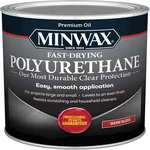 |
Minwax Fast-Drying Polyurethane, Clear Gloss – 1 Qt A fresh can of durable topcoat that won’t skin over or thicken on the shelf if you store it right — the exact problem this article covers.
|
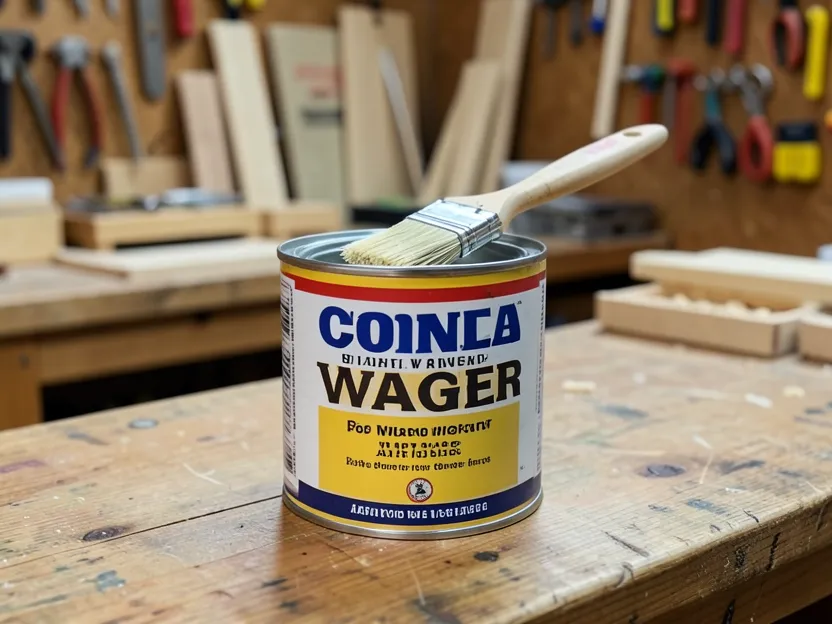
Varnish is a solution of resin (traditionally a natural resin like copal or damar, more often alkyd or polyurethane resin in modern cans) dissolved in a drying oil and thinned with a solvent — mineral spirits in most oil-based varnishes. It cures by oxidative polymerization: oxygen from the air reacts with the drying oil and links its molecules into a hard, cross-linked film, which is a fundamentally different process from a water-based finish, which cures mainly by the water and solvent simply evaporating away. That distinction matters for shelf life, because it means every can of oil-based varnish is chemically primed to start hardening the instant enough oxygen reaches it — sealed in the can, there’s very little oxygen to react with; the moment you crack the lid and pour some out, you’ve let in exactly what the varnish needs to start curing, right there in the can.
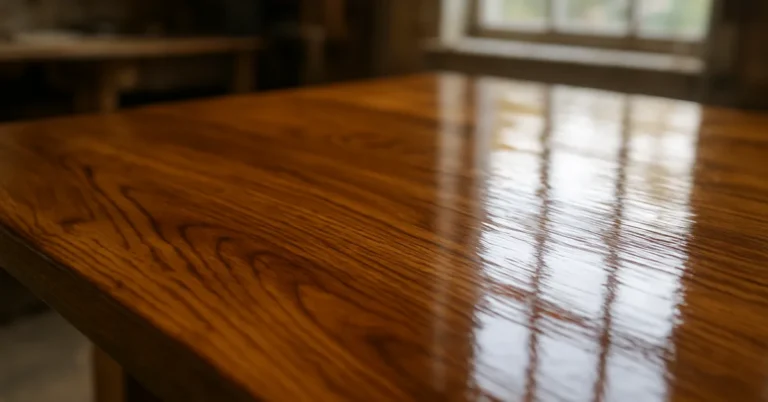
Varnish shows up wherever a hard, clear, protective film makes sense over exposed wood: furniture and cabinetry, wood flooring, boat brightwork (marine spar varnish, formulated with extra UV inhibitors and more flexible resin to handle a hull’s constant flexing and sun exposure), musical instrument bodies, and outdoor trim. The specific formulation shifts by use case — spar varnish trades some hardness for flexibility and UV resistance, while a floor-rated polyurethane varnish trades flexibility for abrasion resistance — but they all share the same oxidative cure chemistry and the same vulnerability to age once the can’s been opened.
Signs of Bad Varnish
Skinning is the most common failure and the easiest to spot: a rubbery film across the surface where oxygen has already cured a thin top layer while the liquid underneath is still fine. A thin, single skin that peels off cleanly with a stir stick doesn’t necessarily condemn the whole can — strain the remaining liquid through a paint strainer or old pantyhose to catch any small fragments and it’s often still usable. Repeated skinning after each opening, or a skin that’s thick and won’t come off cleanly, means the whole can is too far gone to save.
Thickening or gelling happens as solvent evaporates and oxidation slowly advances even below the visible skin — varnish that’s noticeably more viscous than fresh, pulls into strings off a stir stick instead of flowing smoothly, or has gone gelatinous throughout is past the point where thinning it with mineral spirits will reliably fix it, since you’re diluting partially-cured resin, not just adjusting viscosity. Separation — a layer of clear liquid on top with darker, heavier resin settled at the bottom that won’t fully re-incorporate after a thorough stir — signals the resin and oil have started to break their emulsion, which is a different failure mode than simple thickening and one that stirring alone rarely reverses.
Smell and color are the fastest field checks. Fresh oil-based varnish has a fairly mild, oily solvent smell; a can that’s gone rancid or sharply chemical-smelling (sometimes described as smelling like paint thinner gone sour) has degraded past useful life regardless of how it looks. Clear varnish yellowing or clouding over time is normal to some degree with oil-based formulas — that’s the drying oil itself aging — but a can that’s gone noticeably darker or opaque compared to when you bought it is worth test-brushing on scrap before committing it to a real project, since discoloration in the can telegraphs directly into discoloration on your finished piece.
Factors Affecting Varnish Shelf Life
Temperature swings do real, sometimes permanent damage. Heat above roughly 90°F accelerates the same oxidation reaction that cures the varnish on your project, quietly aging the can from the inside even with the lid sealed. Cold below about 50°F thickens the resin and can cause some formulations to separate — and for water-based varnishes specifically, a hard freeze can permanently break the emulsion, ruining the can even after it warms back up. A garage or shed that swings from summer heat to winter freezing is one of the worst places to store varnish long-term, which is worth knowing since it’s exactly where most people keep it.
Humidity affects the can less than it affects your application results, but it still matters for storage — high ambient moisture can work into a poorly sealed can over time and interfere with the cure once you finally use it, showing up as a cloudy or slow-drying finish on your project even though the varnish looked fine going on. Air exposure is the single biggest factor of all: every time a can is opened, a fresh layer of oxygen enters and starts the same curing reaction that’s supposed to happen on your workpiece, not in the can. That’s why a can that’s been opened and resealed a dozen times ages far faster than one opened once and used up quickly, even if both spent the same total time on the shelf.
Proper Storage Conditions
Aim for a stable spot between 50-77°F — a closet or interior storage room beats a garage or shed specifically because it doesn’t swing with the outdoor temperature. Before resealing, wipe the rim clean with a rag dampened in mineral spirits; dried varnish crusted in the seam is the most common reason a “sealed” lid still lets air in slowly over months.
For a can that’s more than half empty, transferring the remaining varnish to a smaller, cleaner container (a glass jar works well) cuts down the airspace above the liquid — less headspace means less oxygen available to react with the surface, which measurably slows skinning. Some woodworkers displace that headspace air entirely with a can of inert butane/propane preservation spray made for wine and paint, or float a layer of marbles in the container to physically raise the liquid level closer to the lid — both work by the same principle of minimizing the varnish’s contact with fresh oxygen. Store the can upright, never on its side, since varnish pooling into the lid seam is a reliable way to compromise the seal over time.
Extending Varnish Life
Some manufacturers add anti-skinning agents — methyl ethyl ketoxime (MEKO) is the most common — directly to the formulation specifically to delay surface curing in the can. You can’t add this yourself after the fact in any reliable way, so it’s worth checking the label before buying if long shelf life between uses matters for your situation; not every varnish includes it, and the ones that do generally hold up noticeably better through repeated opening and resealing.
Beyond that, the practical extension strategy is mostly about minimizing oxygen exposure and buying smaller cans sized to what you’ll actually use within a project or two, rather than one large can that sits mostly full and mostly open-to-air for years. Check a stored can every few months if you’re not using it regularly — catching early skinning or the first signs of thickening while the bulk of the can is still good lets you strain and use it, rather than discovering total failure the day you actually need it for a project.
Safe Disposal of Bad Varnish
Oil-based varnish is household hazardous waste in most municipalities — it should never go down a drain or into regular household trash, both because it can contaminate water treatment systems and because a landfilled can of partially-cured varnish is a genuine environmental hazard. Proper disposal means a local household hazardous waste collection site or a scheduled hazardous waste pickup day — most counties and municipalities run one or both, and a quick search of your local waste management department’s site will confirm which applies where you live.
One real safety note that often gets skipped: rags used to wipe out an old can or apply the last of a batch of oil-based varnish can spontaneously combust as the same oxidative cure reaction generates heat while the rag dries, and a pile of them in a closed trash can has caused real house fires. Lay used rags flat outdoors to dry completely before disposal, or submerge them in a sealed metal container of water — don’t just toss a balled-up, varnish-soaked rag straight into an indoor trash can.
Alternatives to Varnish
Polyurethane is the closest substitute and, in fact, most modern “varnish” cans on hardware store shelves are technically polyurethane-modified formulas rather than traditional resin varnish. Oil-based polyurethane gives a warm amber tint and strong abrasion resistance, ideal for floors and heavily-used furniture; water-based polyurethane dries faster, stays nearly clear rather than ambering over time, and has far less odor during application, at some cost in raw durability compared to the oil-based version.
Shellac — a natural resin secreted by the lac insect, dissolved in denatured alcohol — dries fast, is food-safe once fully cured (making it a common choice for wooden toys, bowls, and utensils), and produces a warm, glossy look, but it has real weaknesses: standing water and alcohol both can mark or dissolve a shellac finish, and heat from a hot mug or pan will leave a visible ring in a way polyurethane resists. Lacquer dries the fastest of the three, sprays on for an especially smooth, glass-like finish common on guitar bodies and fine furniture, and touches up more easily than polyurethane since a fresh coat melts into the old one — but it scratches more readily and isn’t as chemical- or heat-resistant as a good polyurethane topcoat.
Frequently Asked Questions
How can you tell if varnish has gone bad?
Look for a rubbery skin on the surface, a thickened or gelatinous consistency that pulls into strings off a stir stick, visible separation between clear liquid and settled resin, or a sharp, sour, off-chemical smell rather than the mild odor of fresh varnish. Any one of these means test it on scrap before trusting it on a real project.
What is the shelf life of varnish?
An unopened can of quality oil-based varnish typically lasts about 2-3 years. Once opened, expect roughly 6-12 months before skinning, thickening, or separation sets in, faster if the can is opened and resealed repeatedly or stored somewhere with big temperature swings.
Can old varnish still be used?
Often, yes, if it’s only lightly skinned on top and still flows smoothly underneath. Remove and discard the skin, strain the remaining liquid through a paint strainer to catch fragments, and test-brush it on scrap wood before using it on your actual project. Varnish that’s thickened throughout, separated, or smells sour is past saving.
Does unopened varnish expire?
Yes, though much more slowly than an opened can, since there’s minimal oxygen inside to trigger curing. Expect roughly 2-3 years of good shelf life unopened, and check for a manufacture or “best by” date on the can if one’s printed, since exact numbers vary by formulation.
Conclusion
Varnish goes bad because its whole cure mechanism is oxidation — the same reaction that hardens it on your project starts working on it slowly in the can the moment air gets in, which is why an unopened can lasts years and an opened one lasts months. Store it upright, sealed tight, somewhere temperature-stable, and check on it before committing it to a project rather than after you’ve already brushed it on. A light skin and a good strain often saves an older can; a sour smell, real separation, or a gelled consistency means it’s time to move on to a fresh can instead.
Sponsored / affiliate links. As an Amazon Associate I earn from qualifying purchases. I may earn additional commission from eligible campaigns.