Floor Lacquer vs Varnish: Which Finish Lasts?
Choosing the right finish for your wooden floors can feel tricky. Many folks wonder about Floor Lacquer vs Varnish: Which Finish Lasts?. It’s a common question because both can make your floors look great, but they behave differently over time.
Don’t worry! We’ll break it down simply. You’ll learn what makes each one special so you can pick the best for your home.
Let’s see which one truly stands the test of time.
Understanding Floor Lacquer And Varnish
This section helps you get a clear picture of what floor lacquer and floor varnish really are. We’ll talk about how they are made and what makes them different from each other. Knowing these basics is the first step to picking the right one for your floors.
This will guide you toward a finish that looks good and lasts long.
What Is Floor Lacquer
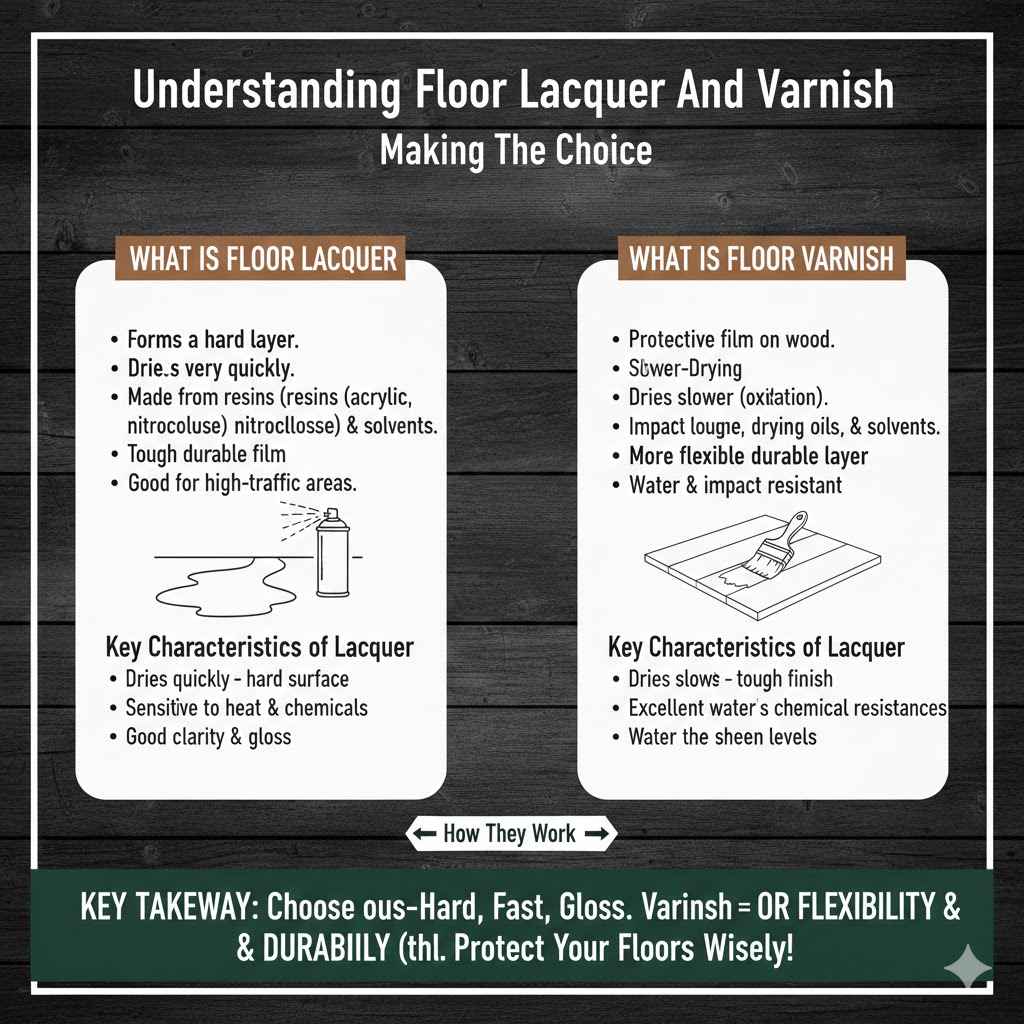
Floor lacquer is a type of wood finish. It forms a hard, protective layer on the surface of the wood. Lacquer is known for drying very quickly.
This is because it contains solvents that evaporate fast. When the solvents disappear, the lacquer hardens and creates a durable film.
The key ingredients in lacquers are typically nitrocellulose, acrylic, or polyurethane resins. These resins are dissolved in a solvent. Common solvents include acetone, esters, and alcohols.
The type of resin and solvent mix affects the lacquer’s properties, like its hardness, flexibility, and how long it takes to dry.
Lacquer is often used in commercial settings like dance floors or bowling alleys because of its toughness. It can also be applied in thin coats, which can build up a smooth and glossy appearance. However, it can sometimes be more prone to chipping or scratching than other finishes if not applied correctly or if the quality is low.
Key Characteristics of Lacquer
- Dries quickly
When you apply lacquer, the solvents in it evaporate very fast. This means the finish hardens in a short amount of time, often within minutes to a few hours. This quick drying allows for faster recoating if needed, and the room can be used again sooner. This is a big plus if you need to finish a job quickly. - Forms a hard surface
Lacquer creates a very tough and rigid film on top of the wood. This hardness makes it resistant to scuffs and general wear and tear, which is great for high-traffic areas. It’s like creating a shield for your floor that can take a lot of daily use. - Can be sensitive to heat and chemicals
While hard, some lacquers might not hold up as well to very hot items placed on them or to certain cleaning chemicals. Spills should be wiped up quickly. This is because the solvents in the lacquer can be reactivated by strong chemicals or intense heat, potentially damaging the finish. - Good clarity and gloss
Lacquer finishes can provide a very clear and often high-gloss appearance. This can make the wood grain stand out beautifully. It gives a sleek and polished look to wooden floors, enhancing their natural color and texture.
What Is Floor Varnish
Floor varnish is another common wood finish. It also protects the wood by forming a film on the surface. Varnish is typically made from resins, drying oils, and solvents.
The resins in varnish are usually alkyd, polyurethane, or phenolic types.
Unlike lacquer, varnish dries much slower. This is because it relies on oxidation, a chemical reaction with the air, to harden. This slower drying process allows the finish to penetrate the wood slightly and form a more flexible, yet still durable, protective layer.
Varnish is known for its excellent water resistance and flexibility. This makes it a good choice for areas where moisture might be an issue, like kitchens or bathrooms. It’s generally considered more forgiving than lacquer in terms of application and can withstand more impact without cracking.
Key Characteristics of Varnish
- Dries slowly
Varnish takes longer to dry and cure than lacquer. This is because it hardens through a process called oxidation, where it reacts with oxygen in the air. This slower drying time means you need to wait longer between coats and before using the floor again, but it can lead to a more flexible and durable finish. - Flexible and tough finish
Varnish forms a protective layer that is more flexible than lacquer. This flexibility allows it to expand and contract slightly with the wood. This makes it less likely to crack or peel when exposed to changes in humidity or temperature. It’s also very resistant to impacts. - Excellent water and chemical resistance
Varnish is generally more resistant to water and many common household chemicals than lacquer. This makes it a great choice for areas like kitchens or entryways where spills might happen. It provides a strong barrier against liquids. - Can offer various sheen levels
Varnish is available in a range of sheens, from matte to high gloss. This gives you more options to achieve the look you want for your floor. You can choose a finish that complements your home’s decor.
Floor Lacquer vs Varnish Which Finish Lasts
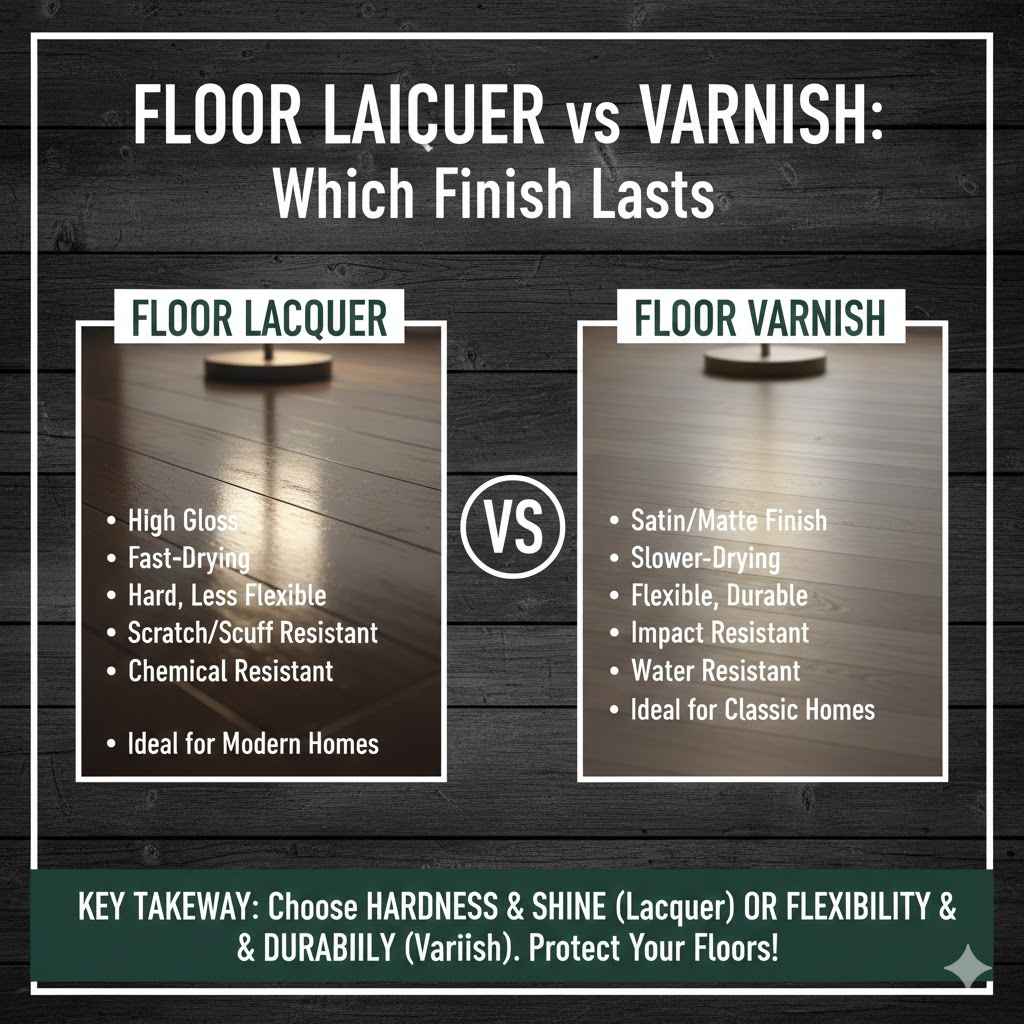
Now we get to the core of our question: Floor Lacquer vs Varnish: Which Finish Lasts?. When we talk about which finish lasts longer, we’re thinking about how well it holds up against daily wear and tear. This includes things like foot traffic, furniture moving, spills, and general abuse.
The durability of a finish depends on its composition and how it interacts with the wood and its environment.
Lacquer dries very hard, forming a protective shell. This shell is great at resisting scuffs and scratches from shoes or dropped items. However, because it’s so rigid, it can sometimes chip or crack if subjected to a strong impact or if the wood moves significantly due to moisture changes.
It’s like a very hard candy shell that can shatter.
Varnish, on the other hand, dries more flexibly. This flexibility is its strength. It can bend a bit with the wood as it expands and contracts.
This makes it less prone to cracking and peeling over time, especially in homes where humidity levels can change. Varnish also generally offers better protection against water damage.
So, when asking which finish lasts, it’s not a simple one-word answer. Both have strengths. Lacquer offers immediate hardness, while varnish provides long-term flexibility and resilience.
The “lasting” quality often depends on the specific type of lacquer or varnish used and the conditions the floor is exposed to.
Durability And Wear Resistance
When we talk about how long a finish lasts, durability is key. This means how well it stands up to everyday life. This includes things like people walking on it, furniture being moved, pets scratching it, and the general wear and tear that happens in a home.
The best finish will protect your floor for years without looking worn out.
Lacquer is known for its impressive hardness. When it dries, it creates a very tough, rigid surface. This makes it excellent at resisting scuff marks and minor scratches that can happen from shoes or general foot traffic.
It’s like putting a very hard shield on your floor that deflects a lot of daily abrasion.
However, this hardness can also be a weakness. Because lacquer is so rigid, it can sometimes chip or crack if it receives a sharp impact, like dropping something heavy on it. Also, if the wood expands or contracts a lot due to changes in humidity, the rigid lacquer film might not be able to move with it, leading to cracks.
Varnish, on the other hand, is typically more flexible. This flexibility is a major advantage for longevity. Wood naturally expands and contracts with changes in temperature and humidity.
A flexible varnish can move with the wood, reducing the risk of cracking or peeling over time. This makes it more resilient to environmental changes.
While varnish might not feel as rock-hard as lacquer to the touch, its flexibility often means it will last longer without showing signs of wear like cracks or peeling. This is especially true in homes where humidity fluctuates. Varnish also tends to be more resistant to abrasion from furniture being slid around, as it can absorb some of the pressure.
Scratch Resistance Comparison
| Characteristic | Floor Lacquer | Floor Varnish |
|---|---|---|
| Initial Hardness | Very High | High |
| Resistance to Scuffs | Excellent | Very Good |
| Resistance to Deep Scratches/Impacts | Moderate (can chip) | Good (more resistant to cracking) |
| Flexibility with Wood Movement | Low | High |
This table shows how lacquer and varnish compare when it comes to resisting scratches. Lacquer forms a very hard surface that’s great against light scuffs. But, it can be brittle.
Varnish is also hard, but it’s more flexible. This means it’s better at handling impacts without breaking. It also moves with the wood, which is important for long-term durability.
Moisture And Water Resistance
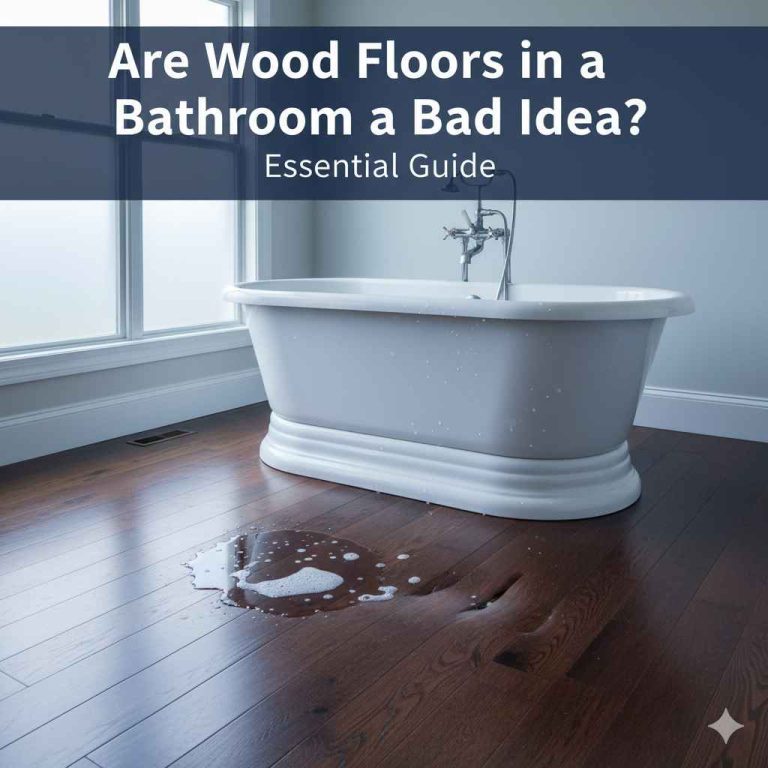
When it comes to protecting your floors from spills and moisture, the difference between lacquer and varnish can be quite significant. Water can cause wood to swell, warp, and even rot over time if it’s not properly protected. A good finish acts as a barrier, keeping liquids from soaking into the wood.
Varnish is generally known for its superior water resistance compared to most lacquers. The oils and resins used in varnish create a very tight, non-porous seal. This seal is excellent at repelling water and preventing it from penetrating the wood.
This makes varnish a favored choice for areas prone to moisture, like kitchens, bathrooms, and entryways.
Lacquer, especially traditional nitrocellulose lacquer, can be more susceptible to water damage. While it dries to a hard film, prolonged exposure to moisture can sometimes soften the finish or cause it to turn cloudy. Some modern polyurethane-based lacquers offer better water resistance, but as a general rule, varnish holds up better against water.
Imagine spilling a glass of water on your floor. With a good varnish, the water might bead up and can be easily wiped away without much concern. With some lacquers, that spill might sit for a bit longer, and you might worry about it seeping in and damaging the wood or the finish itself.
This resistance to moisture is a key factor in how long your floor finish will look good.
Scenario 1 Spill Test
- A small amount of water is spilled on a floor finished with lacquer.
The water sits on the surface for about five minutes.
When wiped up, a slight cloudy spot might be visible where the water was.
This indicates the lacquer may have absorbed some moisture or the surface integrity was temporarily affected. - The same amount of water is spilled on a floor finished with varnish.
The water beads up and sits on the surface for five minutes.
When wiped up, there is no visible mark or change in the finish.
This shows the varnish effectively repelled the water, keeping the wood protected.
This simple scenario highlights a key difference. Varnish’s natural resistance to water means it’s a safer bet in areas where spills are common. Lacquer, while offering a hard surface, might be less forgiving with prolonged water contact.
Application And Drying Times
How easily a finish can be applied and how quickly it dries are important practical considerations for homeowners. These factors directly impact the time and effort involved in refinishing or finishing a floor. They also influence how soon you can get back to using your room.
Lacquer is famous for its fast drying times. This is a major advantage for DIYers or professionals who need to complete a project quickly. You can often apply multiple coats of lacquer in a single day, with drying times ranging from as little as 15 minutes to a couple of hours between coats.
This means a floor can be finished and ready for light use much faster.
Varnish, on the other hand, dries much more slowly. It needs time to cure through oxidation. This usually means waiting at least 6 to 12 hours, and sometimes even 24 hours, between coats.
Full curing can take days or even weeks. While this longer drying time means you need to be more patient, it also allows the finish to bond more deeply with the wood.
The application process can also differ. Lacquer, due to its fast drying, can be more forgiving for some but can also be tricky if you’re not quick. If you stop and start too much, you can get lap marks.
Varnish, with its longer working time, allows for more careful application and easier correction of mistakes.
Drying Time Comparison
| Finish Type | Drying Time Between Coats | Ready for Light Use | Full Cure Time |
|---|---|---|---|
| Lacquer | 15 minutes – 2 hours | Few hours to 1 day | 1-7 days |
| Varnish | 6 – 24 hours | 1-3 days | 7-30 days |
Looking at the table, it’s clear why lacquer is often chosen when speed is essential. You can finish a floor much faster. Varnish requires more patience, with longer waits between coats and for the floor to be ready for normal use.
This longer curing time for varnish, however, contributes to its robust and flexible finish over the long haul.
Maintenance And Longevity
When you invest time and money into finishing your wooden floors, you want that finish to last. Maintenance and how long the finish remains in good condition are crucial to its overall value and appearance. A finish that is easy to maintain and lasts for many years is ideal.
Both lacquer and varnish require regular cleaning to maintain their appearance. This typically involves sweeping or vacuuming regularly and damp mopping with a pH-neutral cleaner. Avoiding harsh chemicals or abrasive scrubbers is important for both types of finishes.
In terms of longevity, varnish often has a slight edge for typical home use because of its flexibility and water resistance. It tends to wear down more evenly and is less prone to the cracking or chipping that can occur with lacquer, especially in fluctuating humidity. This means a varnished floor might look good for longer before needing a full refinish.
Lacquer can be very durable and last a long time in stable environments, particularly if it’s a high-quality polyurethane lacquer. However, in areas with high foot traffic, significant temperature changes, or humidity swings, it might show signs of wear like cracks or dull spots sooner than a well-maintained varnish finish.
A key point is that if a part of a lacquered floor gets damaged, it can sometimes be difficult to repair seamlessly without re-coating a larger area. Varnish repairs can sometimes be blended more easily. This ease of maintenance and repair contributes to the overall longevity of the floor’s appearance.
Maintenance Tips For Both Finishes
- Sweep or vacuum your floors regularly. This removes dust, dirt, and grit that can scratch the finish over time. Pay attention to corners and edges where dirt can accumulate. Use a soft brush attachment on your vacuum to avoid scratching.
- Clean spills immediately. Whether it’s water, juice, or something else, wipe it up quickly. This is especially important for lacquered floors that might be more susceptible to water damage. A quick wipe-down prevents stains and damage to the finish.
- Use mild cleaners. Avoid ammonia-based cleaners, abrasive scrubbers, or excessive water. A damp mop with a wood floor cleaner designed for your finish type is best. Always wring out the mop well so it’s just damp, not wet.
- Protect your floor from furniture. Use felt pads on the legs of chairs, tables, and sofas. This prevents scratches and dents when furniture is moved. Regularly check and replace worn-out pads to ensure continuous protection.
- Control humidity. Wood expands and contracts with changes in humidity. Maintaining a consistent humidity level in your home can help prolong the life of any wood floor finish, especially lacquer, by reducing stress on the finish film.
Choosing The Right Finish For Your Space
The best finish for your floor really depends on where it’s going and how it will be used. There isn’t a single “best” option; it’s about finding the right fit for your specific needs. Let’s think about some common areas in a home and what finish works well.
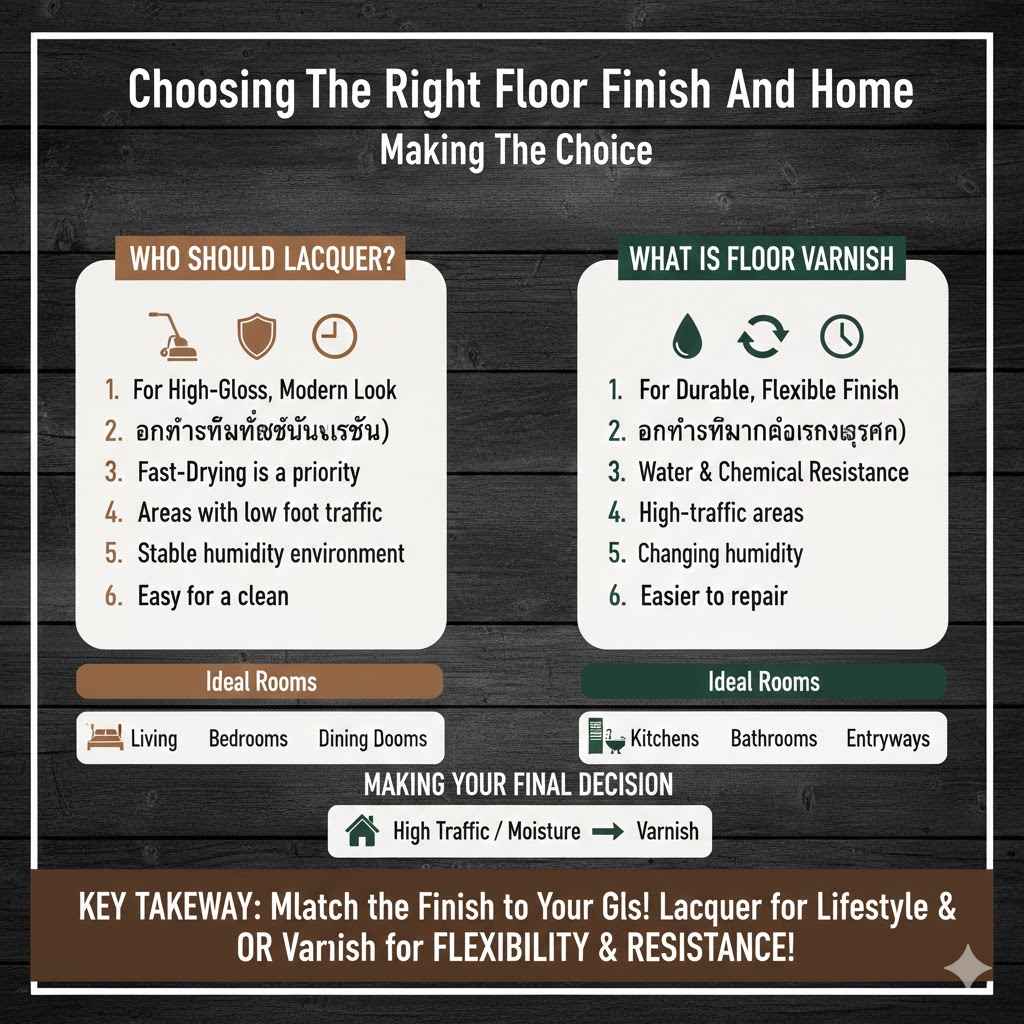
For high-traffic areas like hallways or living rooms, where a lot of people walk daily, you need something tough. Both lacquer and varnish can be durable, but the key is how they handle wear. Lacquer’s hardness is great for scuff resistance.
However, if you have kids or pets that might drop things or drag toys, the flexibility of varnish might be better to prevent chips.
In areas where moisture is a concern, such as kitchens, bathrooms, or entryways, varnish is generally the superior choice. Its excellent water resistance will protect your floor better from spills and dampness. Lacquer might work if you are extremely careful and clean up spills instantly, but varnish offers more peace of mind.
If you’re looking for a very glossy, smooth finish and are willing to be a bit more careful with maintenance, lacquer might appeal to you. It can give a very modern, sleek look. For a more natural, flexible finish that’s a bit more forgiving and generally easier to maintain over the long term, especially in homes with changing conditions, varnish is often preferred.
Room-Specific Recommendations
- Living Room and Hallways
These areas see the most foot traffic. Consider a durable finish. Polyurethane-based lacquers can offer excellent hardness. However, for homes with children or pets, the flexibility of a good quality varnish might be a safer bet to avoid chips from impacts. The key is consistent cleaning and protection with furniture pads. - Kitchens and Bathrooms
Moisture is a primary concern here. Varnish is highly recommended due to its superior water resistance. It creates a robust barrier against spills and humidity. While some modern lacquers have improved water resistance, varnish remains the more reliable choice for these damp environments. - Bedrooms
Bedrooms typically have less traffic and less risk of spills than other rooms. Either lacquer or varnish can work well here. The choice might come down to the desired aesthetic. If you prefer a very high gloss, lacquer might be your choice. If you prefer a slightly softer sheen and more flexibility, varnish is a good option. - Entryways
These areas are exposed to dirt, moisture, and wear from shoes. A highly durable and water-resistant finish is essential. Varnish is often the preferred choice for entryways because it can handle moisture and dirt better than many lacquers. Regular cleaning is crucial here.
Frequently Asked Questions
Question: What is the main difference between floor lacquer and varnish
Answer: Floor lacquer dries very quickly and forms a hard, rigid surface, while floor varnish dries slower and creates a more flexible, water-resistant protective layer.
Question: Which finish is better for high-traffic areas
Answer: Both can work, but varnish’s flexibility makes it more resistant to cracking from impacts, while lacquer’s hardness is great for scuff resistance. Choose based on your specific needs.
Question: Can I use lacquer in a kitchen
Answer: It’s generally not recommended for kitchens because lacquer is less resistant to water and spills than varnish. Varnish is a safer and more durable choice for kitchens.
Question: Which finish is easier to repair
Answer: Varnish repairs can sometimes be blended more easily into the existing finish compared to lacquer, which might require re-coating larger areas for seamless results.
Question: Does lacquer protect against scratches better than varnish
Answer: Lacquer is harder and offers excellent resistance to scuffs and light scratches. However, varnish’s flexibility makes it less prone to chipping or cracking from impacts than some lacquers.
Summary
When comparing Floor Lacquer vs Varnish: Which Finish Lasts?, varnish generally offers superior long-term durability due to its flexibility and water resistance, making it ideal for busy or damp areas. Lacquer provides a very hard, fast-drying finish great for scuffs but can be less forgiving with impacts and moisture. Both need care.
Choose varnish for resilience and peace of mind, especially in kitchens. Pick lacquer for speed and a very hard surface where moisture isn’t a major concern.