Hardwood Mulch Vs Cedar Mulch: Which One Is Right For You?
Many people stand in the garden center aisle. They look at bags of mulch. They see piles of dark, rich stuff.
They see reddish-brown, fragrant wood chips. It’s easy to feel a bit lost. Both hardwood mulch and cedar mulch are popular.
They both serve a purpose. But they aren’t the same. Understanding their differences helps you make a choice.
This choice makes your garden happier.
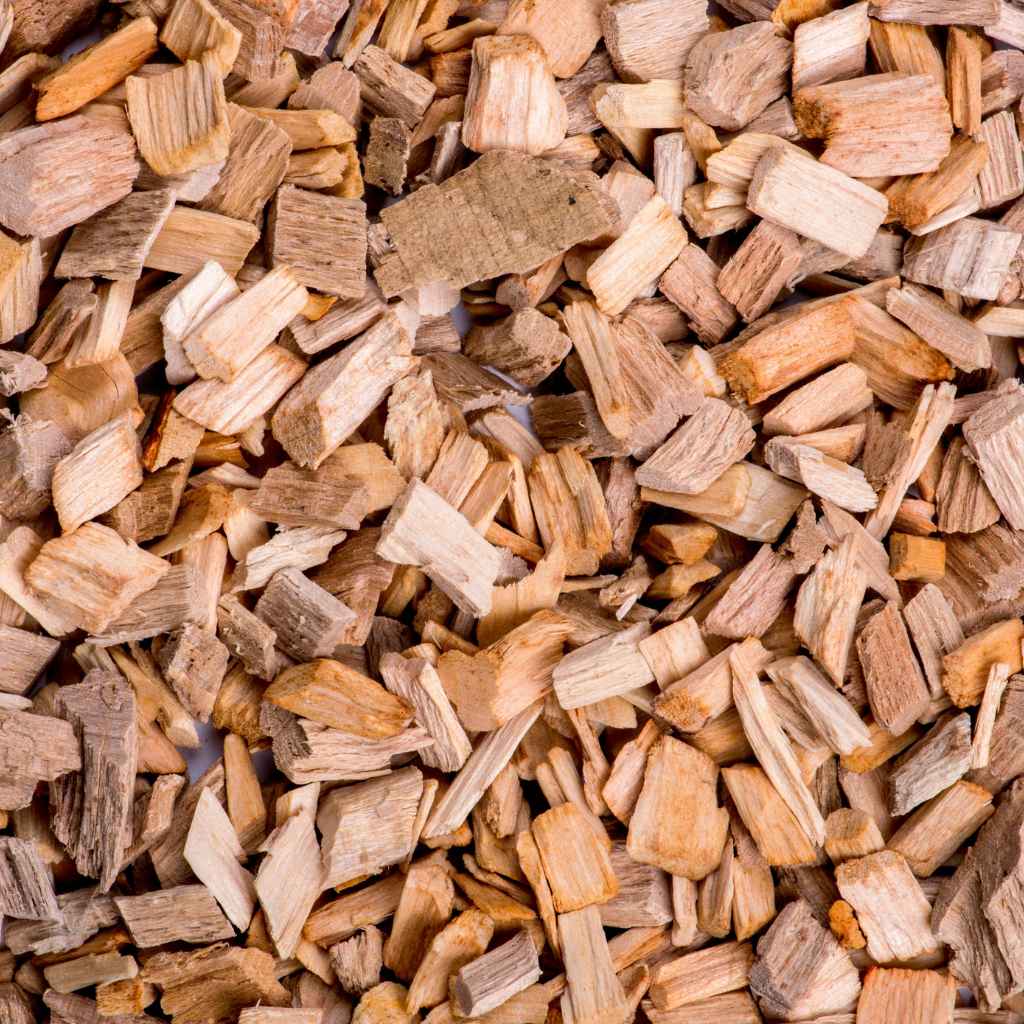
Hardwood mulch is made from many kinds of trees. Think oak, maple, and other deciduous trees. These trees lose their leaves each year.
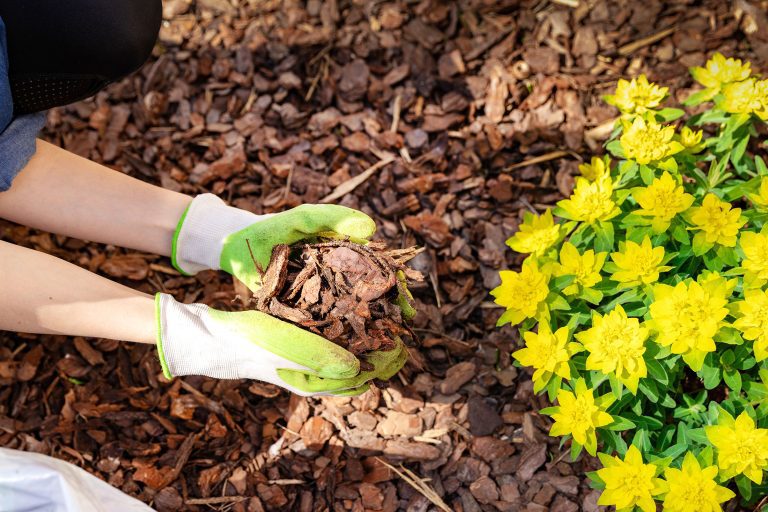
The mulch is often shredded or chipped. It usually has a dark brown color. This color blends well with many landscapes.
It gives a clean, finished look. It’s a common choice for flower beds and around trees.
Cedar mulch comes from cedar trees. These trees are known for their distinct, pleasant smell. They also have a natural resistance to insects and decay.
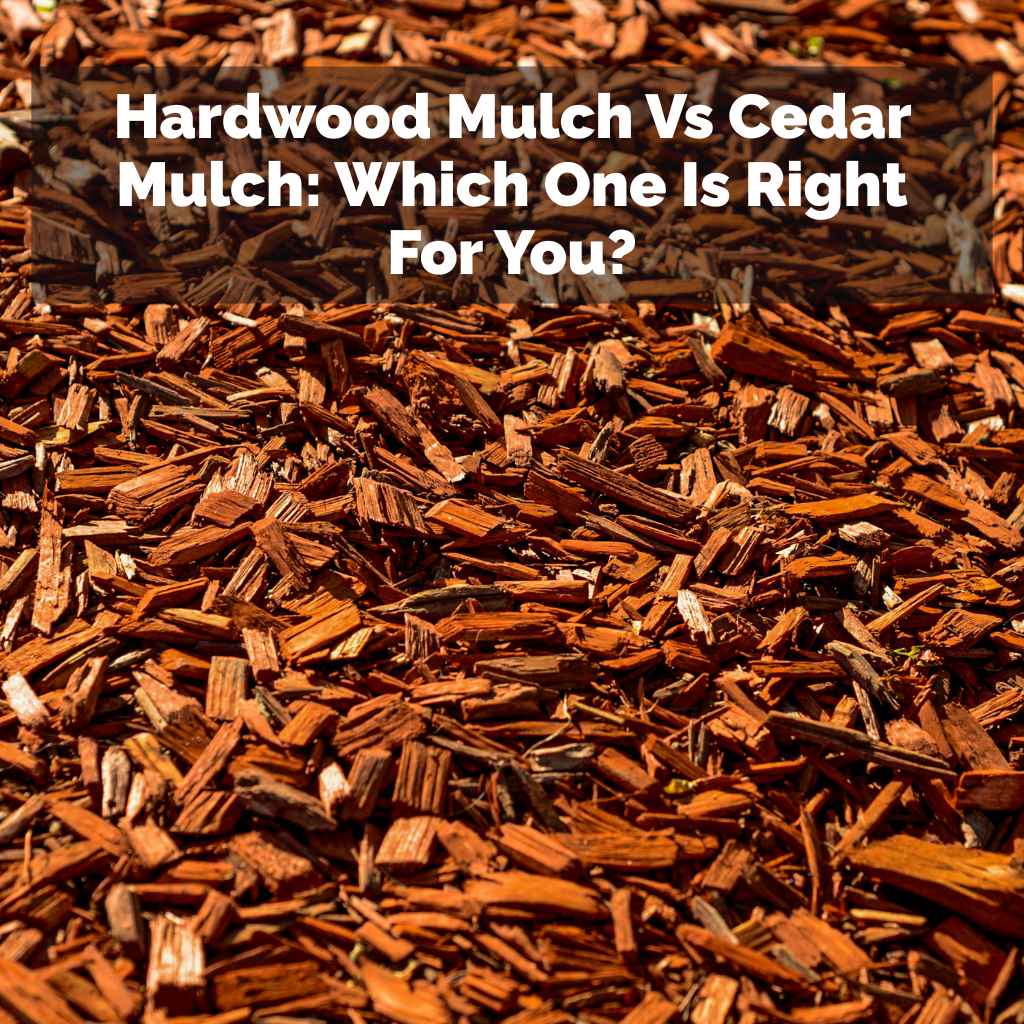
Cedar mulch often has a reddish-brown or tan color. It can be shredded or in larger bark pieces. Its unique qualities make it a bit more special.
Many people choose it for its aroma and looks.
We’ll break down what each mulch is best for. We’ll look at how they help your soil. We’ll also see how they affect your plants.
Cost is often a factor. We’ll touch on that too. By the end, you’ll know which one to grab.
The Making of Hardwood Mulch
Hardwood mulch starts with trees. These are trees like oak, maple, and sometimes walnut. They are not pine or fir.
Those are softwoods. The process usually involves chipping or grinding the wood. This makes it into small pieces.
Sometimes, it’s screened. This means the pieces are sorted by size. You can often find different textures of hardwood mulch.
There are common types. Double-shredded is popular. This means the wood is put through a grinder twice.
It makes for a finer, more uniform mulch. This looks really neat and tidy. Single-shredded is coarser.
It might have larger chunks. It breaks down slower.
The color of hardwood mulch is usually a deep brown. It can vary based on the specific wood used. Sometimes, it’s dyed.
Black or red dyes are common. These dyes make the mulch look richer. They can last for a season or two.
But natural hardwood mulch is a beautiful earthy brown.
Why do people choose hardwood mulch? It’s often quite affordable. It’s widely available.
It does a good job of keeping weeds down. It also helps soil hold moisture. This means you water less.
It breaks down over time. When it breaks down, it adds organic matter to your soil. This is great for plant health.
It’s a solid, reliable choice for many yards.
What Makes Cedar Mulch Special?
Cedar mulch comes from cedar trees. These trees are special. They have a natural defense.
They resist insects like termites and moths. They also don’t rot easily. This is because of natural oils in the wood.
These oils are called thujaplicins. They are what give cedar its lovely scent.
Cedar mulch can come in different forms. Shredded cedar is common. It looks like fine strands.
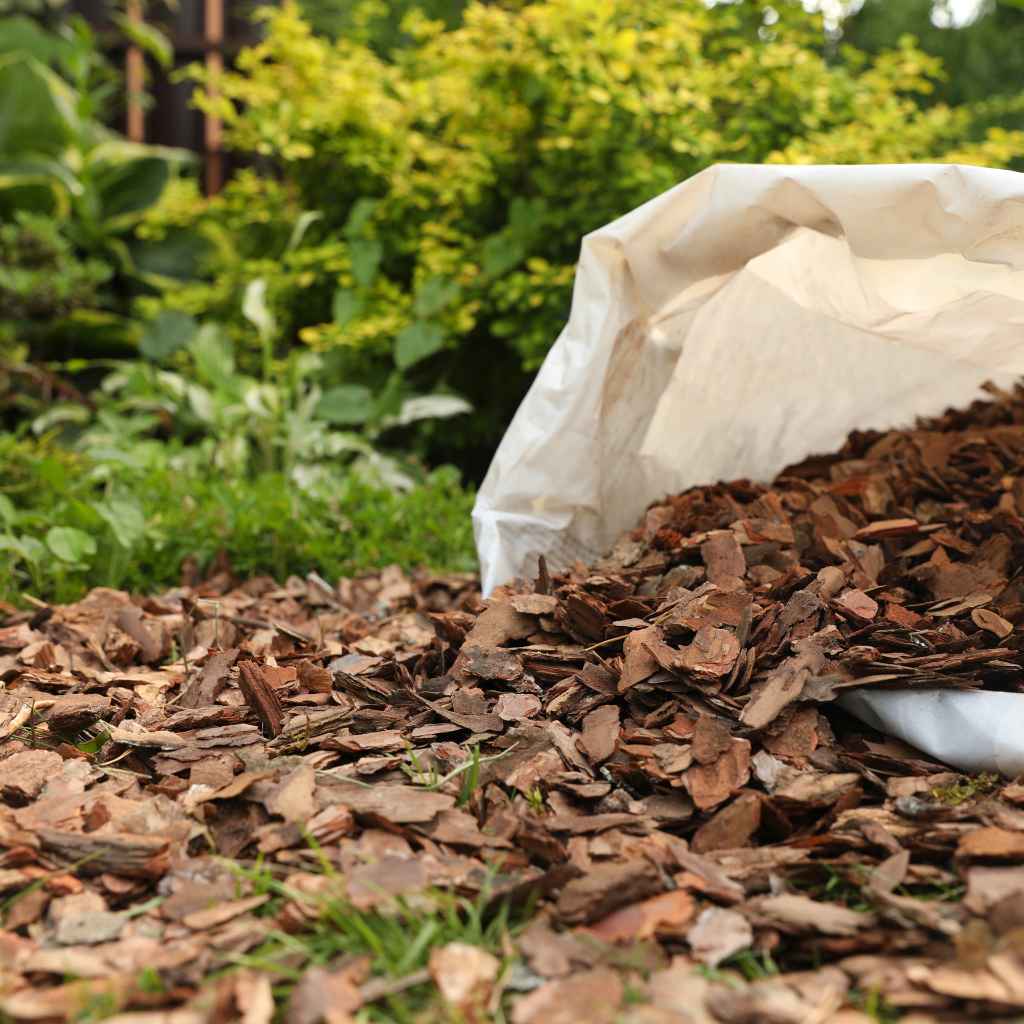
It can also come as bark chips. These are larger pieces. They have a more rustic look.
The color is often a pleasant reddish-brown or tan. It looks very attractive in garden beds.
One of the biggest draws of cedar mulch is its smell. It’s a fresh, clean scent. Many people find it very appealing.
It makes a garden smell wonderful. It can also help keep pests away from your plants. Some people say it deters deer, though this is not guaranteed.
Because cedar is more resistant to decay, it lasts longer than hardwood mulch. It doesn’t break down as quickly. This means you might not need to add as much each year.
This can save you money and effort in the long run. It’s a premium choice for many gardeners. It adds beauty and function.
Comparing the Benefits: Hardwood vs. Cedar
Let’s put them side-by-side. Both mulches help your garden. But they do it in slightly different ways.
It’s good to know these differences.
Moisture Retention
Both hardwood and cedar mulch are great at holding water. They create a barrier on the soil surface. This stops water from evaporating too fast.
This means your plants get to use more of the water you give them. You’ll find yourself watering less often. This is a big plus for busy gardeners.
It’s also good for the environment.
Weed Suppression
When you put down a thick layer of mulch, it blocks sunlight. Weeds need sunlight to grow. So, mulch is a natural weed killer.
Both hardwood and cedar mulch do a good job here. A layer of about 2 to 3 inches is usually enough. It makes it harder for weed seeds to sprout.
It also makes them easier to pull if they do.
Temperature Regulation
Mulch acts like a blanket for your soil. In summer, it keeps the soil cooler. This protects plant roots from getting too hot.
In winter, it helps keep the soil warmer. It shields roots from harsh freezes. This temperature stability is important for plant health.
Both types of mulch offer this benefit well.
Soil Improvement
Hardwood mulch breaks down over time. As it decomposes, it adds organic matter to the soil. This makes the soil richer and more fertile.
It improves soil structure. This helps with drainage and air flow. Cedar mulch breaks down much slower.
So, it doesn’t add as much organic matter as quickly. But it still provides some benefit as it ages.
Pest and Disease Resistance
This is where cedar mulch really shines. The natural oils in cedar help repel insects. It also discourages fungal growth.
Hardwood mulch doesn’t have these natural defenses. So, if you have persistent pest problems, cedar might be a better choice. For most general gardening, hardwood is fine.
Appearance and Aroma
Hardwood mulch often has a deep, natural brown color. It looks very clean and uniform, especially when double-shredded. If dyed, it can be black or red.
These colors can pop. Cedar mulch has a lovely reddish-brown or tan hue. It has a very pleasant, natural scent.
Many people love the smell of cedar in their yards.
Longevity
Cedar mulch generally lasts longer. Its natural oils slow down decomposition. It might stay looking good for two or three years.
Hardwood mulch breaks down faster, usually needing replacement every one to two years. This means cedar might cost more upfront, but you might buy it less often.
Real-World Scenarios: Where Each Mulch Shines
Imagine your garden. What are you trying to achieve? The answer guides your mulch choice.
Scenario 1: The Budget-Conscious Gardener
You have a large yard. You need to mulch many flower beds and tree rings. You want to keep costs down.
You also want a good result. Hardwood mulch is often the most economical choice. It’s widely available.
You can buy it in bulk easily. It does a great job of suppressing weeds and keeping soil moist. You’ll just need to plan to top it up a bit more often.
Scenario 2: The Pest-Prone Garden
You’ve had trouble with bugs in your garden. Maybe ants are a big issue. Or you want to protect your vegetable plants.
Cedar mulch has natural insect-repelling qualities. Its aromatic oils can help deter pests. It also resists rot and mold better.
This makes it a good choice for areas where dampness can cause problems.
Scenario 3: The Low-Maintenance Landscape
You want a beautiful yard. But you don’t have a lot of time for garden upkeep. You want something that looks good for a long time.
You don’t want to add mulch every year. Cedar mulch lasts longer. It breaks down slowly.
This means fewer trips to the garden store. It stays in place well and keeps its attractive color for a good while.
Scenario 4: The Soil-Building Enthusiast
You are focused on improving your soil’s health over time. You love seeing your garden beds get richer. You want your mulch to actively contribute to the soil.
Hardwood mulch is the winner here. As it decomposes, it feeds the soil with organic matter. This makes a big difference for your plants season after season.
The “Look” Factor: Aesthetics and Style
How your garden looks matters. Mulch plays a big role. Let’s talk about style.
Hardwood Mulch’s Visual Appeal
Hardwood mulch is a chameleon. Its natural dark brown color goes with almost anything. It provides a clean, finished look.
It makes the colors of flowers and plants pop. It creates a smooth backdrop. This is great for formal gardens.
It’s also good for casual gardens.
You can find different textures. Double-shredded is very uniform. It looks neat and manicured.
Single-shredded has a bit more variation. This can look more natural. Some hardwood mulches are dyed.
Black mulch looks very modern. Red mulch can add a touch of warmth. But be aware that dyes can fade over time.
They can also sometimes stain pathways or patios.
Cedar Mulch’s Distinctive Charm
Cedar mulch has its own special charm. The natural reddish-brown color is warm. It can complement plants with green leaves.
It also looks good with plants that have darker foliage. The shredded cedar looks like fine strands. It can have a fluffy appearance.
The bark chips are more rustic. They look great in more natural or woodland-style gardens.
The smell of cedar is a big part of its appeal. It adds a sensory element to your garden. It’s a fresh, clean scent.
Many people find it very relaxing. It makes spending time outdoors more enjoyable. It’s a bit more of a statement mulch.
It adds character to your landscape.
Understanding Mulch’s Role in Soil Health
Mulch does more than just look pretty. It’s an active helper for your soil. Think of it as a protective layer.
It shields the soil from harsh elements.
When the sun beats down, soil can dry out fast. Mulch stops this. It slows down evaporation.
This means your soil stays moist. Moist soil is happy soil for plants. Roots can grow better when they don’t dry out.
Rain can also be hard on soil. Heavy rain can wash away topsoil. This is called erosion.
Mulch breaks the impact of raindrops. It holds the soil in place. This protects your valuable topsoil.
It keeps your garden beds looking neat.
As mulch decomposes, it adds nutrients. Hardwood mulch breaks down into organic matter. This is like food for your soil.
It improves soil structure. It makes it easier for roots to get air and water. Cedar mulch breaks down much slower.
But it still contributes to the soil over a longer period.
The Cost Factor: What to Expect
Price is almost always a consideration. Mulch prices can vary. They depend on location, type, and how you buy it.
Hardwood Mulch Pricing
Generally, hardwood mulch is less expensive. You can often buy it by the cubic yard. This is ideal for larger areas.
Bagged hardwood mulch is also common. It’s easy to carry for smaller projects. The cost per bag or per yard is usually lower than for cedar.
This makes it a great choice for large landscaping jobs or if you’re on a budget.
Cedar Mulch Pricing
Cedar mulch tends to be more expensive. This is because cedar trees are not as common as hardwoods. Also, the process of harvesting and processing cedar wood might be different.
Its pest-repelling and long-lasting qualities add to its value. The price per bag or per cubic yard will be higher than for hardwood. However, because it lasts longer, the cost over several years might be comparable.
Buying in Bulk vs. Bags
If you have a large area to mulch, buying in bulk is often cheaper. You’ll need to check local garden centers or landscape suppliers. They can deliver it to your home.
Bags are convenient for smaller gardens. They are easier to handle for many people. But the cost per unit of mulch is usually higher in bags.
Potential Downsides to Consider
No mulch is perfect. It’s important to know the drawbacks too.
Hardwood Mulch Drawbacks
One main drawback is how fast it breaks down. You might need to replace it more often, perhaps every year. This adds to ongoing costs.
If it’s not processed well, it can sometimes contain unwanted seeds or small stones. Also, dyed hardwood mulch can fade. The dye can sometimes leach into the soil or stain surfaces.
I remember one time, I used black dyed mulch around my hydrangeas. It looked amazing. But after a very heavy rain, I noticed some black streaks on my white stone pathway.
It wasn’t a huge deal to wash off, but it was a little annoying. It made me think about the dye more.
Cedar Mulch Drawbacks
The biggest drawback for cedar mulch is its cost. It’s more expensive upfront than hardwood. It can also be lighter in color.
This means it might show dirt or debris more easily. Some people find the strong scent overpowering, especially when it’s first spread. While it repels some pests, it’s not a guaranteed bug-free solution for everything.
Also, if you have very fine-textured soil, the strands of shredded cedar can sometimes mat down. This might reduce air and water penetration. This is less common with the bark chip types.
Environmental Impact and Sustainability
Thinking about the environment is important for many gardeners. Both mulches have aspects to consider.
Sustainability of Hardwood Mulch
Hardwood mulch is often a byproduct of the lumber industry. Trees harvested for building materials or furniture are used. This means less waste.
It’s a good way to recycle wood. However, it’s important to know where your mulch comes from. Is it from sustainable forestry practices?
Reputable suppliers will have this information.
Sustainability of Cedar Mulch
Cedar is a renewable resource. However, harvesting cedar trees can have a greater impact if not managed well. Cedar trees can grow slower than some hardwoods.
It’s best to look for cedar mulch that is certified as sustainably harvested. Some companies focus on using trees from managed forests or from clearing that is necessary for other reasons.
I learned about this when I was landscaping my backyard. I wanted to be mindful. I found a local supplier who said they used wood from storm-damaged trees.
That felt like a win-win. It reduced waste and didn’t require cutting down healthy trees specifically for mulch.
When to Use Hardwood Mulch
You should consider hardwood mulch if:
- You are on a budget.
- You need to cover a large area.
- You want to improve your soil over time.
- You like a dark, uniform look.
- You don’t mind topping up your mulch annually.
- You want a mulch that is easy to find.
It’s the workhorse of mulches. It gets the job done well for most basic needs.
When to Choose Cedar Mulch
You should choose cedar mulch if:
- You want a natural, pleasant aroma.
- You are dealing with pest issues.
- You want a mulch that lasts longer.
- You like the reddish-brown or tan color.
- You prefer a more rustic or natural look.
- You are willing to spend a bit more upfront for durability.
It’s a premium choice for those who want extra benefits and a specific aesthetic.
Quick Fixes and Tips for Mulching
No matter which mulch you choose, here are some tips.
How Much Mulch Do You Need?
A general rule is to apply mulch 2 to 3 inches deep. This is enough to suppress weeds and retain moisture. Too thin, and it won’t work well.
Too thick, and it can harm plants by blocking air and water. For tree trunks, leave a small gap. This prevents rot near the bark.
To calculate how much you need, measure the area. Find the length and width. Multiply them to get the square footage.
Then, multiply by the desired depth in feet. (For 3 inches, use 0.25 feet). This gives you the cubic feet needed.
Divide by 27 to get cubic yards. Most bulk mulch is sold by the cubic yard.
When to Apply Mulch
Spring is a popular time to mulch. After the last frost, you can lay down a fresh layer. This helps retain moisture as the weather warms up.
Fall is also a good time. It protects plant roots over winter. It also makes your garden beds look tidy as seasons change.
You can mulch any time the ground is not frozen.
Common Mulching Mistakes to Avoid
Don’t pile mulch too high against tree trunks or plant stems. This is called “volcano mulching.” It can trap moisture. This can lead to rot and disease.
It can also give pests a place to hide. Keep mulch a few inches away from the base of plants.
Don’t use too little mulch. If it’s too thin, it won’t offer much benefit. You’ll still get weeds and dry soil.
Always aim for that 2-3 inch depth.
Avoid using fresh, undecomposed wood chips in large quantities. They can sometimes tie up nitrogen in the soil as they break down. This can make nitrogen unavailable to your plants.
It’s better to use aged mulch or compost mixed in. Most commercially sold mulches are processed enough to avoid this issue.
Frequently Asked Questions
Is cedar mulch better than hardwood mulch for vegetable gardens?
Both can work well. Cedar mulch’s pest-repelling qualities might be a bonus. Hardwood mulch breaks down faster, adding organic matter which is great for soil health.
For vegetable gardens, focusing on good soil and adequate watering is key. Either mulch will help with weed control and moisture.
Does cedar mulch really keep bugs away?
Cedar mulch has natural oils that can help deter some insects. It’s not a foolproof pest repellent for every bug, but many people find it helpful. It’s more effective against certain wood-boring insects and some garden pests.
It also discourages fungal growth, which pests can be attracted to.
How long does hardwood mulch last?
Hardwood mulch typically lasts about one to two years. This depends on the type of wood, the climate, and how thick you apply it. It breaks down faster than cedar mulch.
You’ll likely need to replenish it or add more each year to maintain the desired depth and benefits.
Can I mix hardwood and cedar mulch?
Yes, you can mix them. However, they break down at different rates. This might lead to an uneven look over time as one layer decomposes faster than the other.
It’s usually best to stick with one type for a uniform appearance and consistent benefits.
Does dyed mulch harm plants or soil?
Most dyed mulches use non-toxic dyes. They are generally safe for plants and soil. However, sometimes the dyes can fade.
They can also occasionally stain walkways or patios. If you’re concerned, opt for natural, undyed mulches like hardwood or cedar.
What is the best mulch for preventing soil erosion?
Both hardwood and cedar mulch are effective at preventing soil erosion. They create a protective layer over the soil surface. This layer absorbs the impact of rain and wind.
This stops valuable topsoil from being washed or blown away. A depth of 2-3 inches is ideal.
Final Thoughts on Your Mulch Decision
Choosing between hardwood and cedar mulch comes down to your garden’s needs and your personal preferences. Hardwood mulch offers a cost-effective, reliable option for general use. It improves soil over time.
Cedar mulch provides a more premium experience with its natural aroma and pest resistance. It also lasts longer.
Consider your budget. Think about how much time you want to spend on upkeep. Look at the aesthetic you want.
Both will help your plants thrive. They will make your yard look more polished. You can’t go wrong with either when used correctly.