Haywood Floor Covering Inc: Services & How to Vet a Flooring Pro
Haywood Floor Covering Inc. is a real, family-owned flooring contractor based in Hayes, Virginia — not a national chain. Below are the verified facts about the company (sourced from its own site and public business records, not guessed), plus a general checklist you can use to vet any flooring contractor, anywhere, before you sign a contract.
Haywood Floor Covering Inc.: Verified Company Facts
Haywood Floor Covering Inc. was established in 2005 by Lawrence Lee Haywood Jr., who serves as President; Shelly Haywood serves as Account Manager. The company is family-owned and based in Hayes, Virginia, in the Gloucester County area, and works with both residential and commercial customers on new construction and remodeling jobs. It has been a BBB-accredited business since August 15, 2013, and is a listed member of the National Tile Contractors Association (NTCA) — both of which are independently checkable, unlike a self-reported review summary.
BEFORE YOU HIRE: CHECK SUBFLOOR MOISTURE
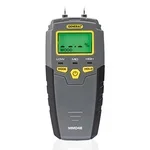 |
General Tools MMD4E Moisture Meter – $39.98 A reputable installer checks subfloor moisture before laying hardwood or tile — this pinless meter lets you verify that step yourself or double-check a quote.
|
Services Offered by Haywood Floor Covering Inc.
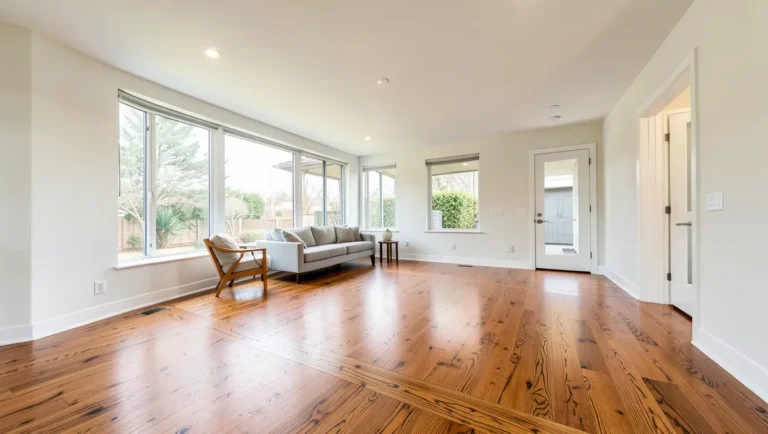
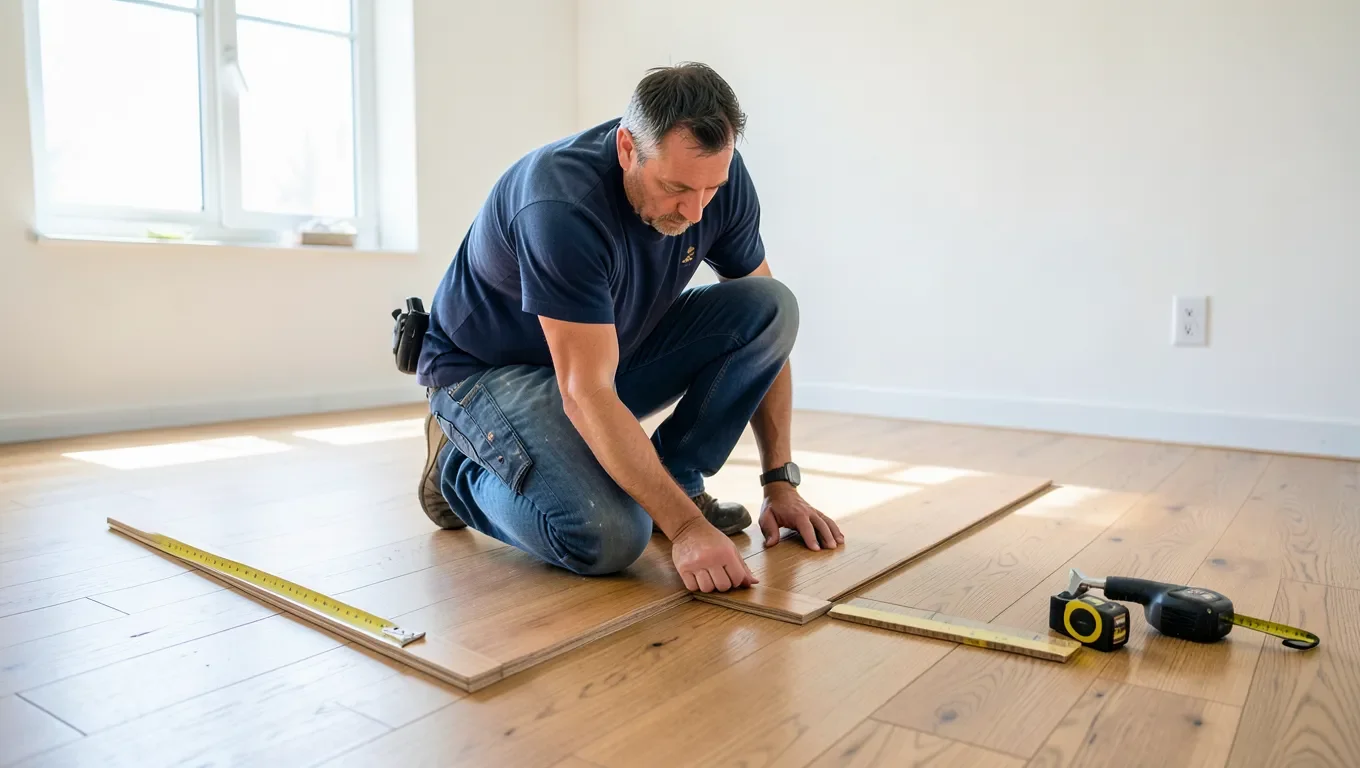
Per the company’s own service listings, Haywood Floor Covering Inc. offers: hardwood flooring installation and refinishing, carpet, vinyl (including LVT and sheet vinyl), tile — including custom tile shower designs — epoxy and other resinous flooring, concrete polishing and staining, and VCT (vinyl composition tile). Work covers both residential and commercial properties, spanning new construction and remodeling.
Contact Information
Publicly listed contact details for Haywood Floor Covering Inc.:
Mailing Address: PO Box 474, Hayes, VA 23072
Phone: (804) 824-9741
Website: haywoodfloorcovering.com
Business hours, showroom access, and current service area can change, so confirm those directly with the company before making plans around them — we’re not going to guess at details that aren’t independently verifiable.
How to Vet Any Flooring Contractor Before You Sign
Whether you’re talking to Haywood or any other flooring contractor, the same checklist applies. This is the part most “company profile” pages skip entirely.
1. Confirm license and insurance in writing
Ask for a current certificate of insurance showing general liability and workers’ compensation coverage, and confirm any required state contractor license number independently through your state’s licensing board site — don’t just take a contractor’s word for it. If a contractor hesitates to provide this, that’s a real red flag, not a formality.
2. Check BBB status and trade association membership
A BBB accreditation date and complaint history are public record and independently checkable. Membership in a trade group relevant to the work — the National Tile Contractors Association for tile, the National Wood Flooring Association for hardwood — is another real signal, since these groups typically require some level of ongoing training or standards compliance.
3. Get at least three written, itemized quotes
An itemized quote separates material cost from labor cost, and should specify exact product SKUs (brand, line, and color/finish) rather than a vague “hardwood flooring” line item. That makes quotes genuinely comparable instead of apples-to-oranges.
4. Ask how they handle subfloor prep and moisture testing
Before hardwood, laminate, or tile goes down, a subfloor needs to be flat, clean, and within an acceptable moisture range — skipping this step is one of the most common causes of cupping, buckling, or tile failure months later. Ask specifically whether moisture testing is part of their standard process, and expect a real answer, not just reassurance.
5. Get the warranty terms in writing — separately for labor and materials
Manufacturer material warranties (often 10–25 years for flooring products) are separate from a contractor’s own labor/installation warranty (commonly 1–5 years). Ask for both in writing, and ask what voids each one.
6. Clarify payment schedule and permits
A reasonable schedule ties payments to completed milestones rather than requesting full payment upfront. For larger remodels, ask who is responsible for pulling any required permits — that should be spelled out in the contract, not assumed.
Quick Vetting Checklist
- Current license verified independently (not just taken on their word)
- Proof of liability + workers’ comp insurance
- BBB accreditation / complaint history checked
- Relevant trade association membership (NTCA, NWFA, etc.)
- 3+ itemized written quotes, materials specified by SKU
- Subfloor moisture-testing process confirmed
- Labor warranty AND material warranty in writing
- Payment tied to milestones, not paid in full upfront
Matching Flooring Material to the Room
Whichever contractor you use, the right material still depends on the room. High-moisture rooms need water-resistant materials; high-traffic areas need scratch resistance; comfort-focused rooms can prioritize softness over durability.
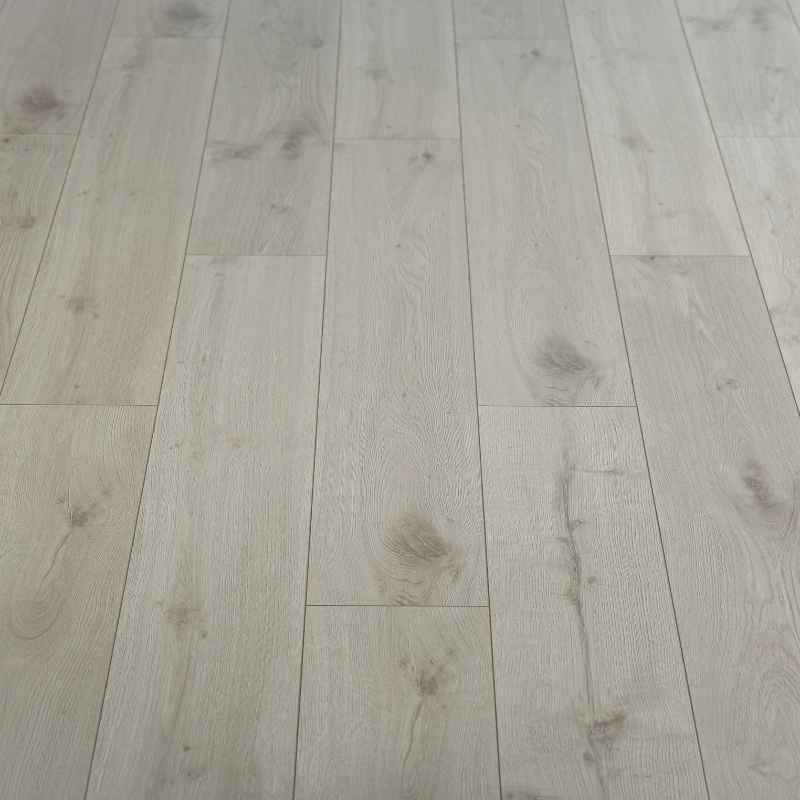
Choosing by Room
| Room Type | Recommended Materials | Why |
|---|---|---|
| Living Room | Hardwood, laminate, carpet | Style and comfort matter more than moisture resistance here. |
| Kitchen | Tile, LVT, sheet vinyl | Needs to shrug off spills and standing water. |
| Bathroom | Tile, LVT | Highest moisture exposure in the house. |
| Bedroom | Carpet, hardwood, laminate | Comfort and personal style, low moisture risk. |
| Entryway/Hallway | LVT, tile, laminate | Constant foot traffic and grit demand scratch resistance. |
Frequently Asked Questions
Is Haywood Floor Covering Inc. BBB accredited?
Yes. Per its BBB Business Profile, Haywood Floor Covering Inc. has been BBB-accredited since August 15, 2013.
What flooring services does Haywood Floor Covering Inc. offer?
Per the company’s own service listings: hardwood installation and refinishing, carpet, vinyl (LVT and sheet vinyl), tile including custom tile showers, epoxy/resinous flooring, concrete polishing and staining, and VCT, for both residential and commercial projects.
How do I check if a flooring contractor is properly licensed and insured?
Ask for a certificate of insurance directly and verify any state contractor license number through your state’s licensing board website rather than relying on what the contractor tells you.
Why does subfloor moisture testing matter before installing hardwood or tile?
Excess subfloor moisture is one of the most common causes of cupping, buckling, or tile failure after installation. A pinless meter like the one above lets you spot-check a subfloor yourself or confirm a contractor is actually testing before they install.
What’s a normal warranty for professional flooring installation?
Expect two separate warranties: a manufacturer material warranty (often 10–25 years depending on the product) and a contractor’s labor/installation warranty (commonly 1–5 years). Get both in writing.
How many quotes should I get before hiring a flooring contractor?
At least three written, itemized quotes that specify exact products by SKU, so you’re comparing the same materials and labor scope across contractors rather than vague line items.
Conclusion
Haywood Floor Covering Inc. is a real, BBB-accredited, family-owned flooring contractor based in Hayes, Virginia, offering hardwood, carpet, vinyl, tile, and resinous flooring services to residential and commercial customers. Whether you end up contacting them or another contractor, run the same vetting checklist above — verified license and insurance, checkable accreditation, multiple itemized quotes, a real subfloor-prep answer, and warranty terms in writing — before you sign anything.
Sponsored / affiliate links. As an Amazon Associate I earn from qualifying purchases. I may earn additional commission from eligible campaigns.