How Long for Wood Glue to Cure Full Strength Time
You’ve just finished a woodworking project, maybe building a birdhouse or a small shelf, and you’re eager to get it painted or used. But then you remember the glue. How long does that sticky stuff really need to set before it’s strong enough to handle?
It’s a common question for DIYers and seasoned woodworkers alike, and knowing the answer is key to ensuring your creations last. This post will clear up exactly how long for wood glue to cure full strength time you should expect, covering different glue types and factors that affect drying time. You’ll leave knowing precisely when you can move on to the next step of your project with confidence.
Understanding Wood Glue Curing Times
When you join two pieces of wood with glue, you’re not just sticking them together; you’re creating a chemical bond that needs time to fully develop its strength. The time it takes for wood glue to cure is not a single, fixed number. It depends on several things, including the type of glue you use, the humidity in your workshop, the temperature, and how much glue you applied.
Getting this right means the difference between a joint that holds strong for years and one that might separate under pressure. Let’s break down what influences this important curing process.
Different Types of Wood Glue
The most common wood glues fall into a few main categories, each with its own set of properties and curing characteristics. Understanding these differences is the first step to knowing how long to wait.
PVA Glues (Polyvinyl Acetate)
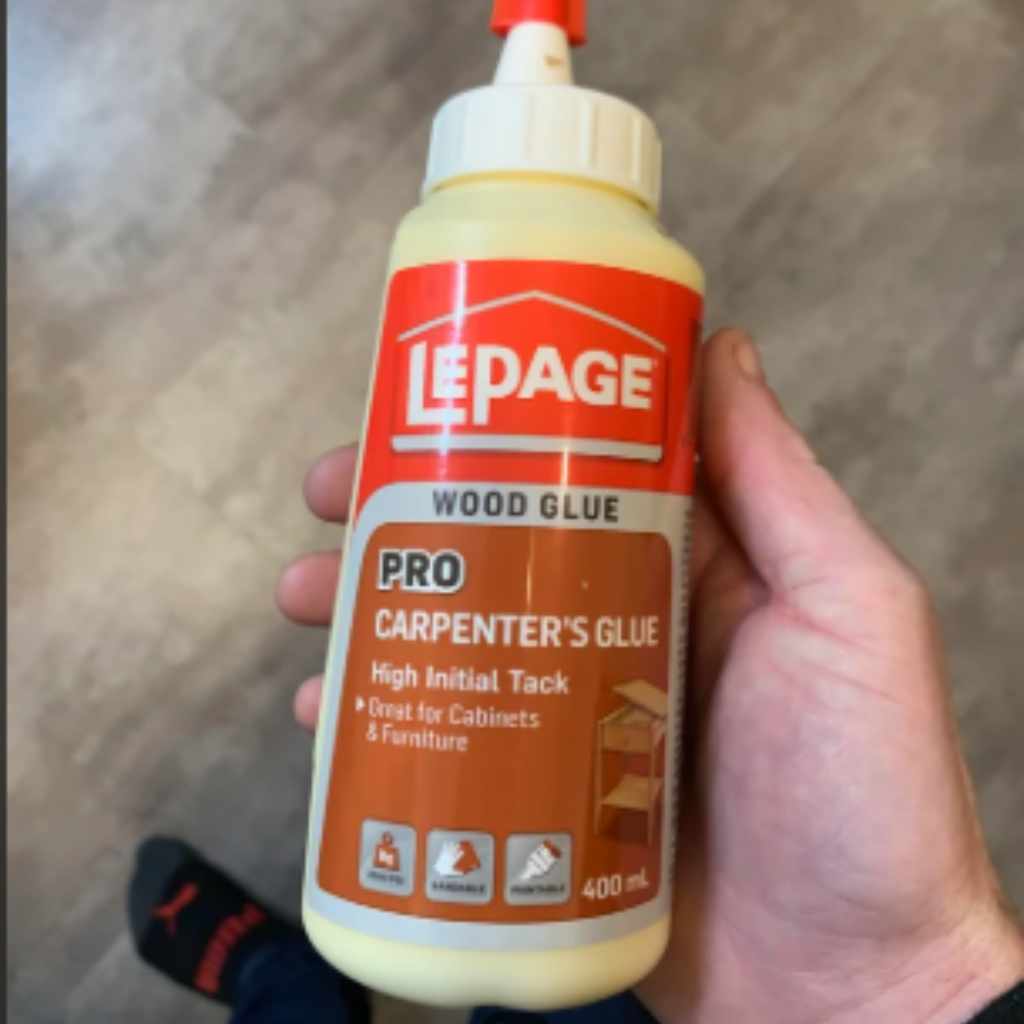
These are your everyday wood glues, often found in yellow bottles. They are water-based and generally considered safe and easy to use. PVA glues come in different formulations, like interior and exterior grades, and some dry faster than others.
- Standard White/Yellow PVA: These are the most common and are great for most indoor projects. They typically set within 30 minutes to an hour, with full cure taking 24 hours.
- Fast-Grab PVA: As the name suggests, these are formulated to grab more quickly, often allowing for repositioning to be done within just a few minutes. Full strength is still usually around 24 hours.
- Waterproof/Exterior PVA: These offer better resistance to moisture but may take a bit longer to reach full strength compared to standard interior glues.
Polyurethane Glues
Polyurethane glues are known for their incredible strength and ability to bond dissimilar materials, not just wood. They react with moisture to cure, making them suitable for outdoor projects. They often expand slightly as they cure, which can help fill small gaps.
- These glues start to foam and expand within an hour.
- They achieve handling strength within a few hours.
- Full cure and maximum strength can take up to 24 hours.
Cyanoacrylate (CA) Glue (Super Glue)
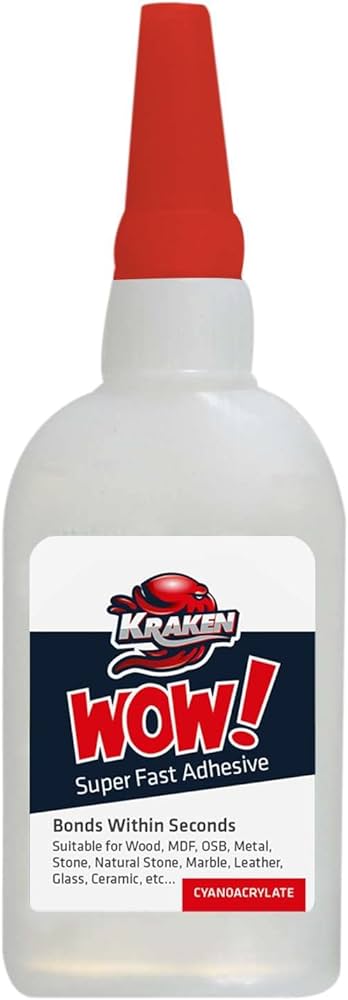
While not a traditional wood glue for large projects, CA glue is fantastic for quick fixes, small repairs, or bonding delicate pieces. It cures very rapidly, often within seconds to minutes, but it doesn’t fill gaps well and can be brittle.
- Sets in seconds, achieving handling strength almost immediately.
- Full strength is typically reached within a few hours, though this can vary.
Hide Glue
This is one of the oldest types of wood glue, made from animal hides. It’s reversible with heat and moisture, making it a favorite for antique repairs and instruments. It cures by drying out and forms a strong, brittle bond.
- Sets relatively quickly, often within 15-30 minutes.
- Full cure can take up to 24 hours.
Epoxy Resins
Epoxy is a two-part adhesive that creates an extremely strong and waterproof bond. It’s excellent for structural repairs, filling large voids, and situations where maximum durability is needed.
- Many epoxies are “workable” for 30-60 minutes after mixing.
- Handling strength is often achieved within 2-6 hours.
- Full cure and maximum strength typically take 24-72 hours.
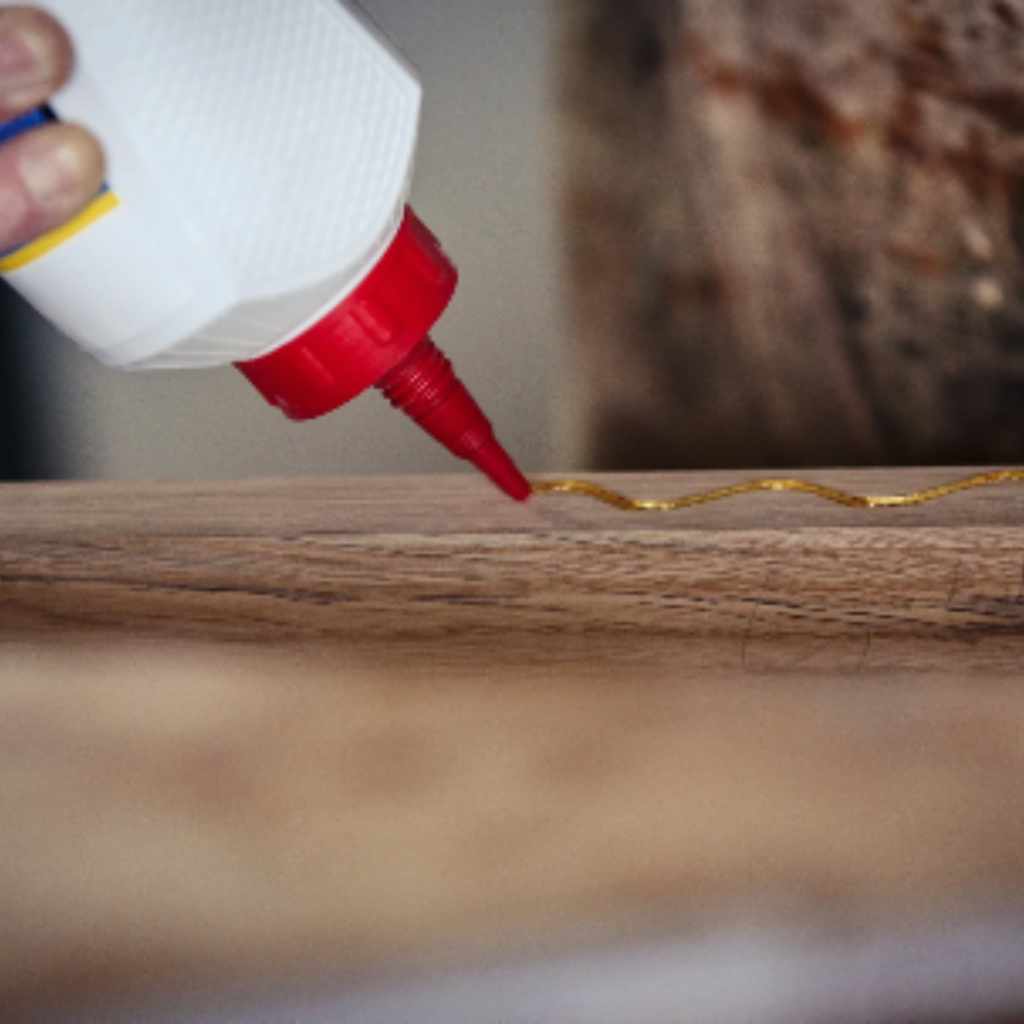
Factors Affecting Glue Curing Time
Beyond the glue itself, several environmental and application factors play a significant role in how quickly and effectively your wood glue cures.
Temperature
Glue cures faster in warmer temperatures. Cold can significantly slow down the chemical reactions that cause the glue to harden and strengthen. Aim for a workshop temperature between 60-80°F (15-27°C) for optimal results.
Humidity
Humidity also plays a part, especially with water-based glues like PVA. While some moisture is needed for certain glues to cure (like polyurethane), excessively high humidity can slow down the evaporation process for water-based glues. Very low humidity might cause some glues to dry too quickly on the surface before a good bond forms.
Wood Type and Porosity
Denser woods or woods with very tight grain can sometimes take slightly longer to bond effectively as the glue may not penetrate as deeply. Very porous woods can absorb glue quickly, potentially leading to a weaker bond if not enough glue is applied or if the glue dries out too fast.
Application Thickness
Applying too much glue can extend the curing time because there’s more moisture or solvent that needs to evaporate or react. Conversely, too little glue means you won’t achieve a strong bond, regardless of how long you wait. The ideal is a thin, even layer.
Clamping Pressure
Proper clamping is essential. It holds the pieces firmly together while the glue cures, ensuring maximum contact between the wood surfaces. Insufficient clamping can lead to gaps and a weaker bond, even after the expected cure time.
Determining When Glue is Fully Cured
So, how do you know for sure? Relying solely on time is often the easiest method, but there are other indicators.
- Handling Strength: This is the point where the joint is strong enough to be moved or worked on without falling apart. For most common PVA glues, this is typically after 30 minutes to an hour.
- Working Strength: This is a stronger bond, allowing for more vigorous work or assembly with other components. This is usually achieved after a few hours for PVA glues.
- Full Cure Strength: This is the maximum strength the glue will ever achieve. For most wood glues, this means waiting at least 24 hours. For epoxies, it can be 48-72 hours.
A good rule of thumb is to always aim for the full cure time before putting significant stress on the joint, especially if the item will be used in a demanding way or exposed to the elements.
How Long for Wood Glue to Cure Full Strength Time – A Practical Guide
Let’s get down to brass tacks. You want to know how long for wood glue to cure full strength time. While it varies, understanding the general timelines for the most common glues will help you plan your projects effectively.
| Glue Type | Handling Strength (approx.) | Working Strength (approx.) | Full Cure Strength (approx.) |
|---|---|---|---|
| Standard White/Yellow PVA | 30-60 minutes | 2-4 hours | 24 hours |
| Fast-Grab PVA | 5-15 minutes | 1-2 hours | 24 hours |
| Polyurethane Glue | 1-2 hours (foaming begins) | 4-6 hours | 24 hours |
| Cyanoacrylate (CA) Glue | Seconds to minutes | 1-2 hours | 4-24 hours |
| Epoxy Resin (general purpose) | 30-60 minutes (workable time) | 2-6 hours | 24-72 hours |
| Hide Glue | 15-30 minutes | 2-4 hours | 24 hours |
Remember, these are averages. Always check the manufacturer’s instructions on the glue bottle, as specific formulations can have slightly different recommendations.
Optimizing Your Glue-Up Process
To ensure you get the best results and the strongest bond, follow these tips:
- Prepare Your Surfaces: Make sure wood surfaces are clean, dry, and free of dust or old finishes. A good fit between pieces is also critical.
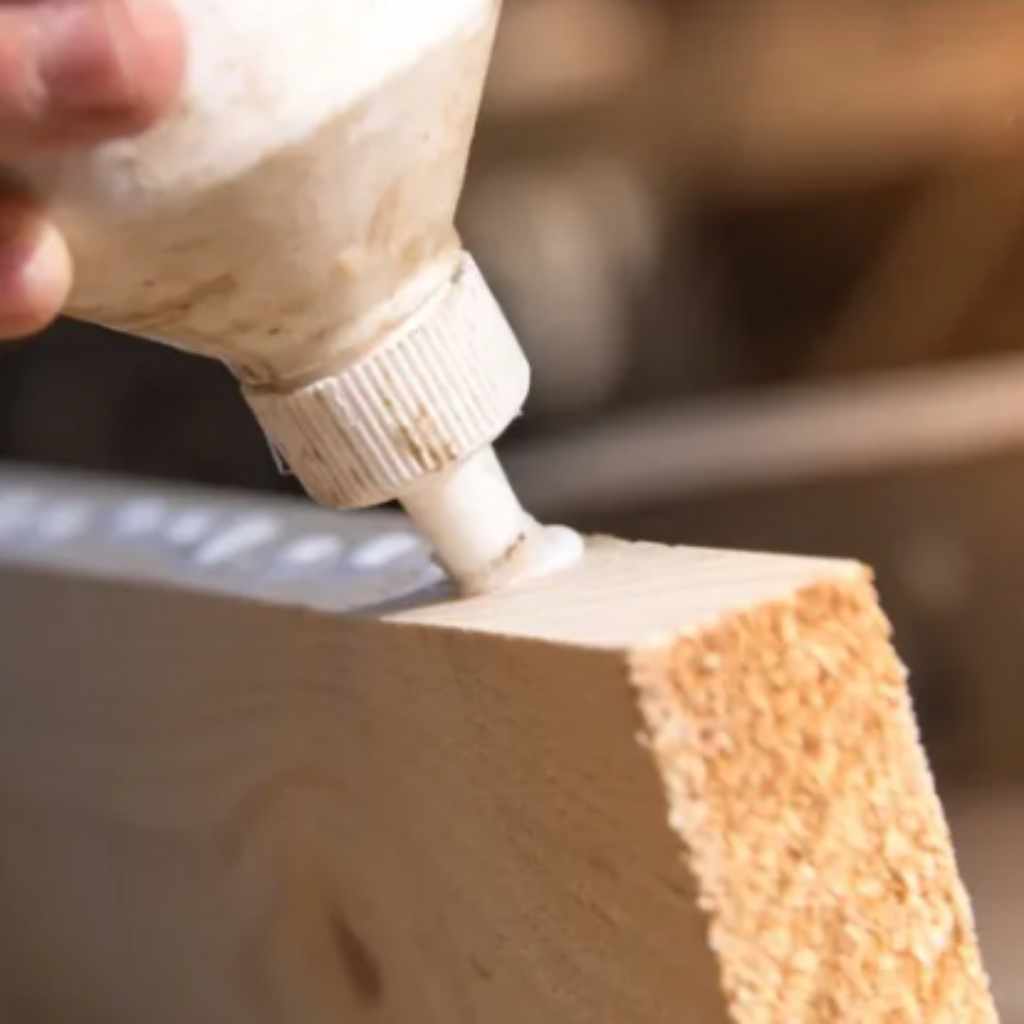
- Apply Glue Evenly: Use a brush, roller, or applicator to spread a thin, even layer of glue on one or both surfaces. Don’t go overboard.
- Clamp Appropriately: Apply enough clamping pressure to squeeze out a very thin bead of glue along the joint. This shows you have sufficient pressure.
- Wipe Away Excess: Clean up squeeze-out while the glue is still wet. For water-based glues, a damp cloth works well. For others, you might need a solvent.
- Allow Full Cure Time: Resist the urge to stress the joint before the glue has reached its full cure strength. This is the most common mistake leading to joint failure.
Frequently Asked Questions
Question: How long does wood glue take to dry enough to sand?
Answer: For most standard PVA wood glues, you can usually start sanding after about 2-4 hours, once the glue has reached a “working strength” and is firm. However, it’s best to wait the full 24 hours for complete cure to avoid damaging the bond.
Question: Can I speed up wood glue drying time with heat?
Answer: Yes, gently increasing the temperature can speed up the drying process. However, avoid excessive heat, which can damage the wood or weaken the glue bond. A warm, well-ventilated space is ideal.
Question: What happens if I don’t wait for wood glue to fully cure?
Answer: If you put stress on a joint before the glue has fully cured, you risk the joint failing. It might appear to hold initially but could come apart later, especially under load or environmental changes.
Question: Is there a wood glue that cures instantly?
Answer: Cyanoacrylate (super glue) cures very rapidly, often in seconds, and is suitable for small repairs or quick bonding. However, it’s not a good choice for structural joints in woodworking as it can be brittle.
Question: Does cold weather affect wood glue curing time?
Answer: Yes, cold temperatures significantly slow down the curing process for most wood glues. For optimal performance and curing, wood glue should be applied and allowed to cure in temperatures generally above 50°F (10°C), with warmer being better.
Final Thoughts
When you’re working on a project, anticipating the next steps is part of the fun, but patience with your wood glue is a virtue. Understanding how long for wood glue to cure full strength time means your projects will be more durable and reliable. The general rule of thumb is to wait a full 24 hours for most common PVA glues to reach maximum strength, even though they might feel solid much sooner.
For more demanding applications or specialty glues like epoxies, that waiting period can extend to 48 or even 72 hours. Pay attention to the environmental conditions in your workshop; temperature and humidity are key players. Warmer, drier conditions generally lead to faster curing, while cold and dampness will slow things down considerably.
Always check the manufacturer’s specific recommendations on the glue bottle, as formulations vary. By giving your glue the proper time to cure, you’re not just finishing a project; you’re ensuring it will stand the test of time and use. So, plan your project timeline accordingly, and don’t rush that drying period; a little extra waiting now leads to a much stronger, longer-lasting result later.