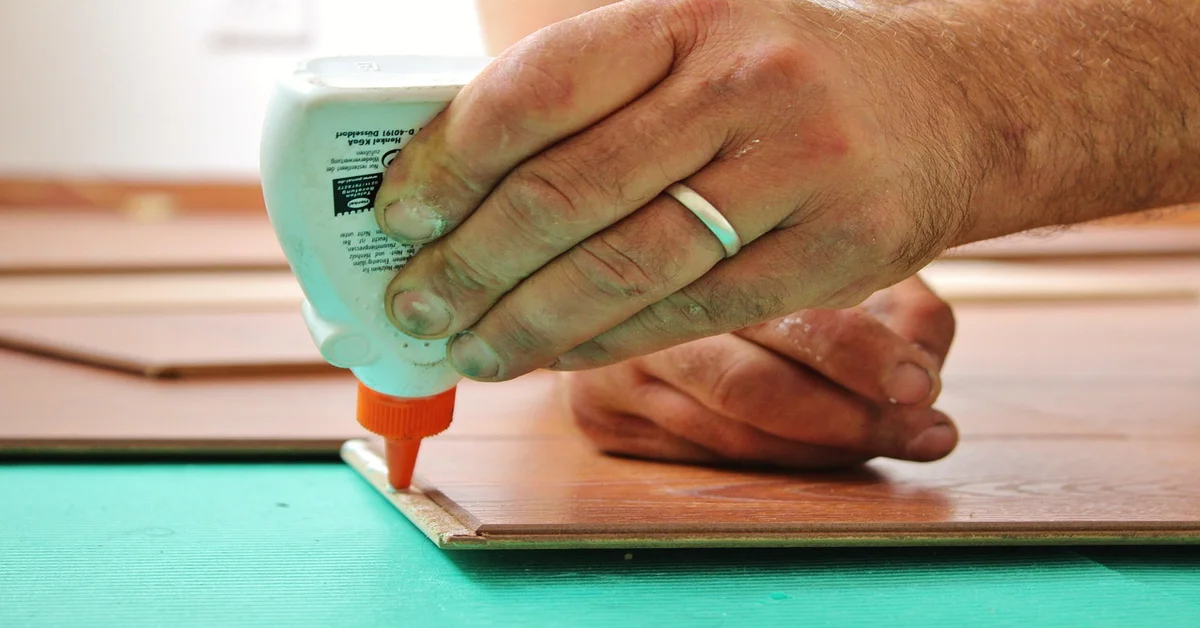
Can Loctite Be Used on Wood? Which Formulas Actually Work
Loctite can bond wood, but “Loctite” is not one product — it is a brand that covers cyanoacrylate super glue, polyurethane construction adhesive, and even a PVA wood glue, and only some of those formulas are actually a good fit for a wood joint. Grab the wrong one off the shelf and you get a bond that sets in seconds but snaps under the first real load, or one that foams out of the joint and stains the surrounding wood.
Below is which Loctite formulas actually hold up on wood, which ones are the wrong tool no matter how the label reads, and why most woodworkers reach for a dedicated wood glue like Titebond instead of anything in the Loctite lineup for anything load-bearing.
Which Loctite Products Actually Bond Wood
Better Choice Than Loctite For Wood Joints
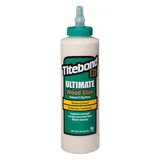 |
Titebond III Ultimate Wood Glue – $9.58 A true PVA wood glue instead of a repurposed super glue — the joint bonds stronger than the wood itself and can still be sanded flat.
|
Loctite’s own lineup breaks down into three families that behave very differently on wood:
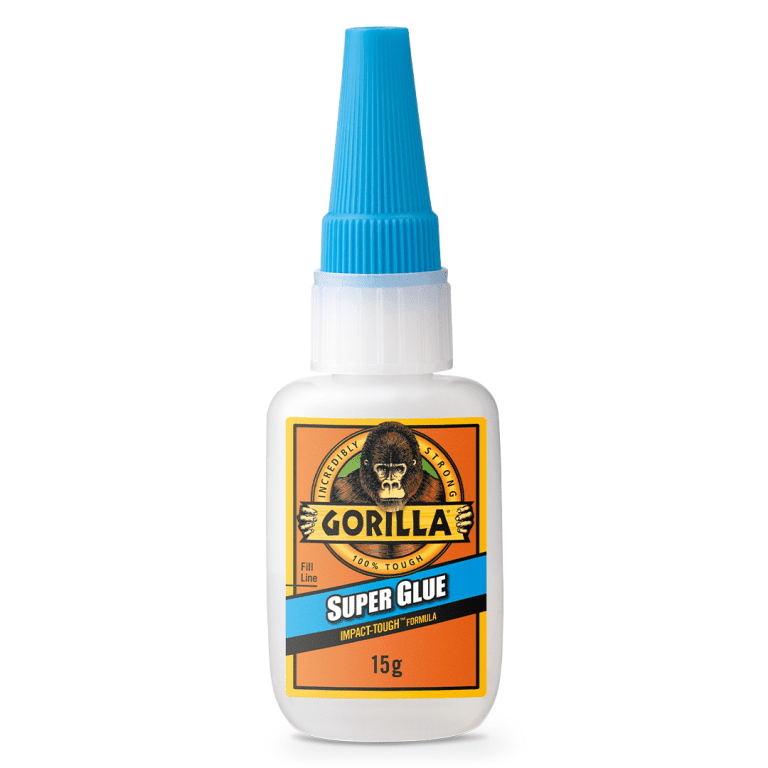
- Cyanoacrylate super glue (Loctite Super Glue Gel, Loctite Extra Time, Loctite 401) — bonds wood in seconds, but the joint is rigid and brittle.
- Polyurethane construction adhesive (Loctite PL Premium, PL Fast Grab) — a gap-filling, waterproof adhesive built for subfloors, panels, and trim, not fine joinery.
- Loctite Wood Glue — a PVA-based formula Henkel does sell under the Loctite name, but it is far less available on U.S. shelves than Titebond or Gorilla Wood Glue, so most woodworkers never actually see it in a hardware store.
Loctite Cyanoacrylate Super Glue On Wood: What It’s Actually Good For
Cyanoacrylate (CA) cures almost instantly by reacting with trace moisture in the wood itself, which is exactly why it works so fast and exactly why it isn’t a substitute for wood glue. The bond line is thin, rigid, and has essentially zero flex — wood expands and contracts with humidity, and a brittle CA joint doesn’t move with it. On a small, quick repair that isn’t under stress, that rigidity doesn’t matter. On a chair joint, a table leg, or anything that gets racked or flexed, it’s a liability.
CA also doesn’t gap-fill. It needs two surfaces pressed tightly together to bond at all, so it’s a poor choice for anything with an uneven or rough-cut joint. And once it’s dry, it doesn’t sand the way a PVA glue does — it tends to gum up sandpaper and leave a slightly glossy line that takes stain differently than the surrounding wood, which is why a CA glue line often shows through a finish even after careful sanding.
Where Loctite super glue genuinely earns a spot in a wood shop: tacking a small splinter back in place before finishing, fixing a chipped veneer edge, or holding a tiny piece in position for a few seconds while a stronger glue or a mechanical fastener does the real work. It’s a repair tool, not a joinery glue.
Loctite PL Premium: The Better Loctite Option For Big Wood Joints
If the job is bigger than a repair — installing subfloor over joists, gluing down plywood underlayment, or bonding a ledger board — Loctite PL Premium is the formula actually built for it. It’s a moisture-cured polyurethane construction adhesive: it expands slightly as it cures, which lets it fill small gaps and uneven surfaces that a PVA glue can’t bridge, and the cured bond is fully waterproof.
The trade-offs are real, though. PL Premium needs roughly 24 hours to fully cure, it can stain bare or light-colored wood a yellowish-tan if squeeze-out isn’t wiped away before it skins over, and the foaming action that makes it good at gap-filling also makes it messy in a joint that’s meant to be seen. It’s built for construction, not for a glue line on a piece of furniture.
Why Most Woodworkers Skip Loctite For A PVA Wood Glue Instead
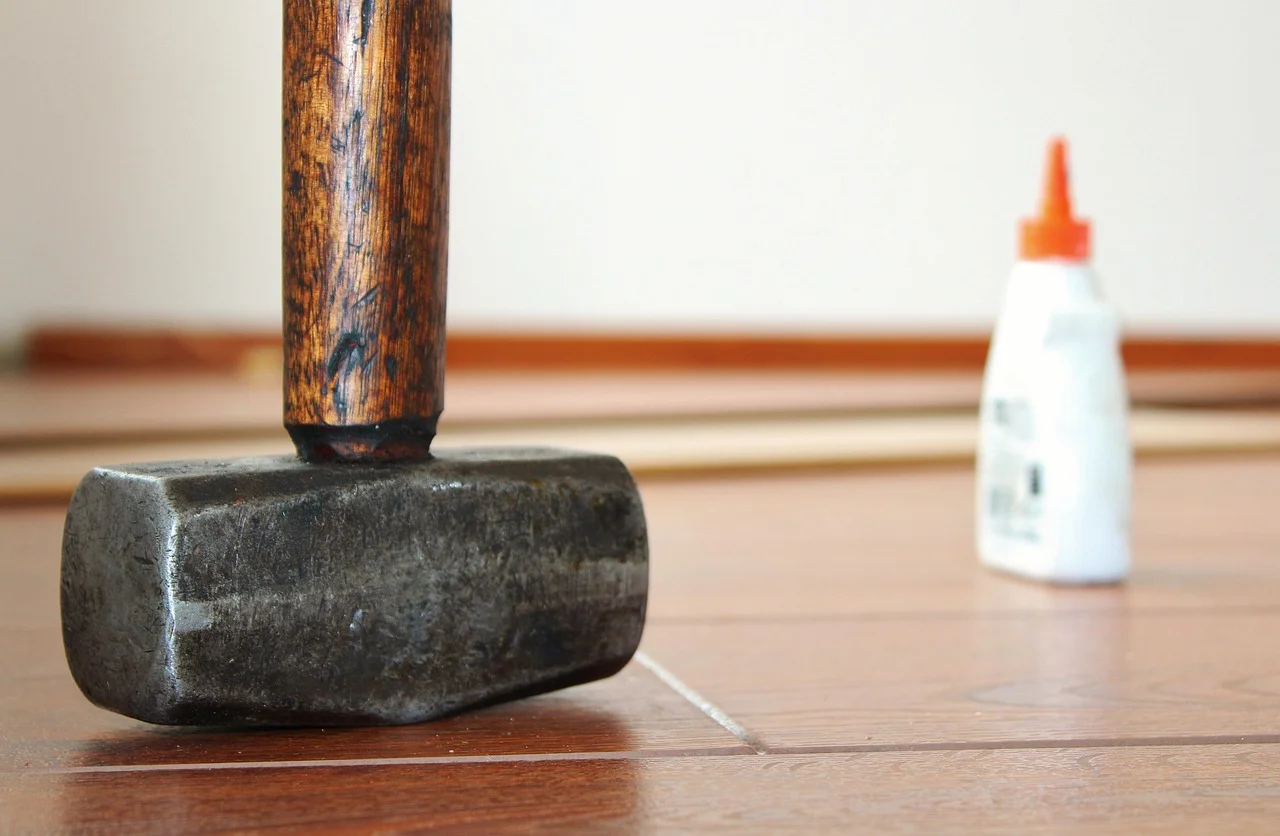
Neither Loctite’s cyanoacrylate nor its PL Premium construction adhesive is what most woodworking teachers, furniture makers, or cabinet shops actually reach for — they reach for a PVA (polyvinyl acetate) wood glue, and Titebond dominates that category for a reason. A PVA glue like Titebond III gives 8 to 10 minutes of open time to reposition a joint before it sets, which neither CA (seconds) nor PL Premium (immediate initial grab) allows. It also creates a bond that’s stronger than the surrounding wood fibers — the wood itself fails before a properly clamped PVA glue line does — and it sands flush and takes stain evenly, closing the two biggest weaknesses of a CA repair.
That’s not a knock on Loctite as a brand; anaerobic threadlockers and cyanoacrylate are genuinely excellent at what they’re formulated for. It’s simply that “bonds wood” and “is the right glue for a wood joint” are different questions, and for anything structural the second question usually points to a dedicated wood glue instead.
How To Bond Wood With Loctite Super Glue (Step By Step)
For the small repairs where CA is actually the right call, the technique matters more than the brand:
- Sand or wipe both surfaces clean of dust, oil, and old finish — CA bonds poorly to a sealed or waxed surface.
- Apply a thin, even line of glue to one surface only. A thick bead doesn’t cure faster or stronger; it just takes longer to fully harden all the way through.
- Press the pieces together immediately and hold firm pressure for 15–30 seconds — CA sets almost instantly, so there’s no time to reposition once contact is made.
- Let it cure fully for at least 10 minutes before sanding or applying any load, even though it will feel solid within a minute.
- Wipe any squeeze-out immediately with acetone before it cures; once it hardens, it has to be scraped or sanded off.
Mistakes That Make A Loctite Wood Bond Fail
Most Loctite-on-wood failures trace back to the same handful of causes, not a bad batch of glue:
- Using CA on a joint under real load — a chair rail, table apron, or anything that flexes needs a glue with some give, not a rigid CA line.
- Gluing over dust, oil, or old finish — none of Loctite’s wood-compatible formulas bond well to a contaminated or sealed surface.
- Skipping the clamp or hold time — CA feels set in seconds but hasn’t reached full strength; PL Premium needs a full 24 hours, not the “it’s dry to the touch” mark.
- Using PL Premium where appearance matters — the foaming action that helps it gap-fill will ooze out and discolor exposed wood if it isn’t wiped away in time.
- Expecting CA to gap-fill — it only bonds where two surfaces are already in tight contact.
Safety And Cleanup
Work in a ventilated area for any of these products — CA fumes can irritate eyes and sinuses in a closed room, and PL Premium’s cure releases stronger odors until it fully sets. Wear gloves; CA bonds skin almost as fast as it bonds wood, and it should never be forced apart — soaking the area in warm soapy water or acetone (for skin, not wood finishes) loosens it gradually. On the wood itself, wipe fresh CA squeeze-out with acetone before it cures, and clean fresh PL Premium residue with mineral spirits while it’s still wet; once either one hardens, it has to be scraped or sanded away without damaging the surrounding wood.
Frequently Asked Questions
Can I use regular Loctite super glue on furniture repairs?
For a small, non-structural repair — a chipped veneer edge or a loose splinter — yes, Loctite cyanoacrylate works well. For a joint that bears weight, such as a chair or table leg, a PVA wood glue like Titebond holds up better because it flexes slightly with the wood instead of staying rigid.
Is Loctite PL Premium the same as wood glue?
No. PL Premium is a polyurethane construction adhesive built for subfloors, panels, and structural bonding, not fine joinery. It gap-fills and is fully waterproof, but it foams during cure, needs about 24 hours to fully set, and can stain light-colored wood if squeeze-out isn’t cleaned up in time.
Does Loctite make an actual wood glue?
Yes — Loctite Wood Glue is a PVA-based formula sold under the Loctite name, but it’s far less common on U.S. hardware store shelves than Titebond or Gorilla Wood Glue, which is why most woodworkers default to one of those instead.
Can Loctite super glue be sanded and stained like wood glue?
Not well. Cured cyanoacrylate tends to gum up sandpaper instead of sanding flush, and it takes stain differently than the surrounding wood, so a CA glue line often shows through a finish even after sanding. A PVA glue like Titebond III sands flush and takes stain evenly.
Is Loctite safe to use on wooden toys or cutting boards?
Once fully cured, Loctite cyanoacrylate is generally considered safe, but it isn’t formulated or marketed as food-safe. For cutting boards, utensils, or children’s toys, a glue with an explicit food-contact rating — Titebond III is rated safe for indirect food contact once cured — is the safer, purpose-built choice.
Bottom Line
Loctite can bond wood, but which Loctite product you reach for matters more than the brand name on the label. Cyanoacrylate is fine for a fast, small, non-structural fix; PL Premium is the right call for construction-scale gap-filling; and for an actual furniture joint that has to sand, stain, and hold up under real load, a PVA wood glue like Titebond III is the tool most woodworkers reach for instead.
Sponsored / affiliate links. As an Amazon Associate I earn from qualifying purchases. I may earn additional commission from eligible campaigns.