Can You Use Wood Conditioner After Staining? (No, Here’s Why)
No — wood conditioner belongs before stain, never after. Minwax’s own instructions call for staining within about two hours of conditioning; conditioner applied once stain has already dried lifts pigment and leaves blotchy, uneven patches. This guide covers what actually happens if you condition after staining, how to fix a botched job, and what to use instead — wax, polyurethane, or a topcoat, never conditioner.
Why You Can’t Use Wood Conditioner After Staining
Best Pre-Stain Conditioner Pick
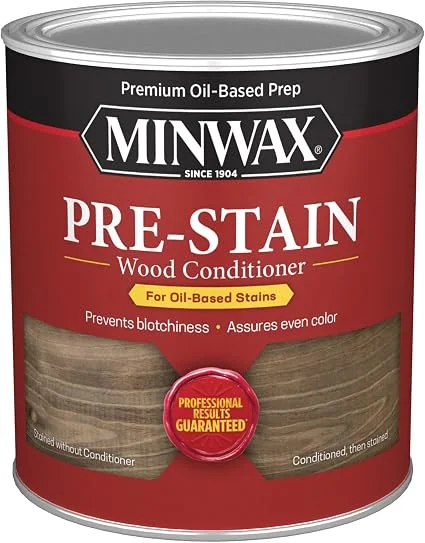 |
Minwax Pre-Stain Wood Conditioner (1 Quart) – $23.62 This is the conditioner to use BEFORE you stain, not after — apply it, wait 5–15 minutes, wipe the excess, then stain within the 2-hour window this guide covers below.
|
Pre-stain conditioner is a thinned oil or varnish designed to partially seal wood’s pores before stain goes on, so soft or porous spots don’t drink up more color than the rest of the board. Once stain has dried, that job is already done — the pores are full of pigment, not empty. Brushing conditioner over dried stain doesn’t seal anything; the mineral spirits in an oil-based conditioner re-wet the stain’s binder and pull pigment back out unevenly instead of locking it in.
What Actually Happens When You Condition Over Dried Stain
In practice this shows up as three problems at once. First, patches of the stain lighten unevenly where the conditioner has re-softened the pigment, so the board ends up blotchier than it was before you touched it. Second, the surface stays slightly tacky or hazy even after it dries, because conditioner isn’t formulated to cure into a hard film the way a topcoat is. Third, a polyurethane or wax finish applied on top of that residue often won’t bond evenly, leading to soft spots or a cloudy sheen months later.
The Right Order — And Minwax’s 2-Hour Window
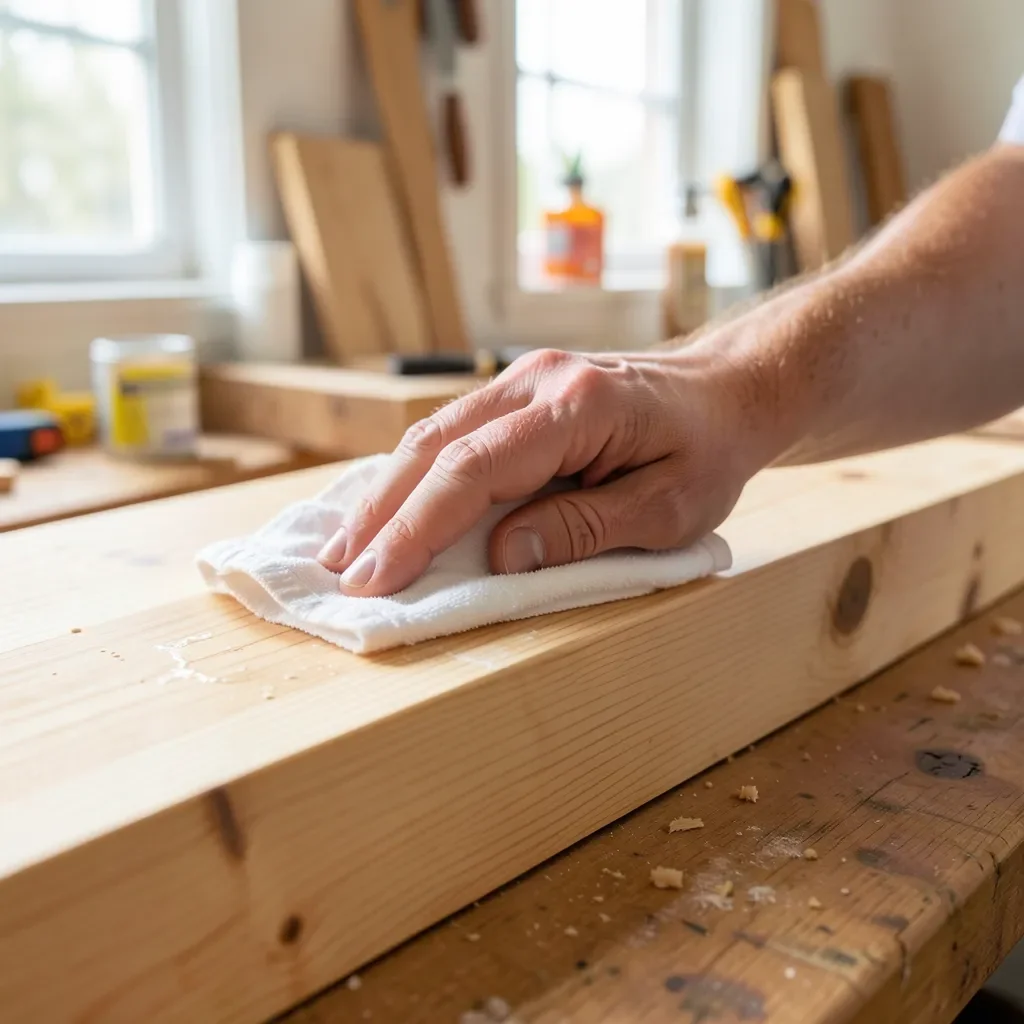
Conditioner always goes on raw, unstained wood, and the sequence has a real time limit most guides skip. Sand the bare wood, wipe off the dust, then brush or rag the conditioner on evenly with the grain. Let it penetrate for 5 to 15 minutes, then wipe off the excess with a clean, dry cloth — don’t let it puddle or dry to a film.
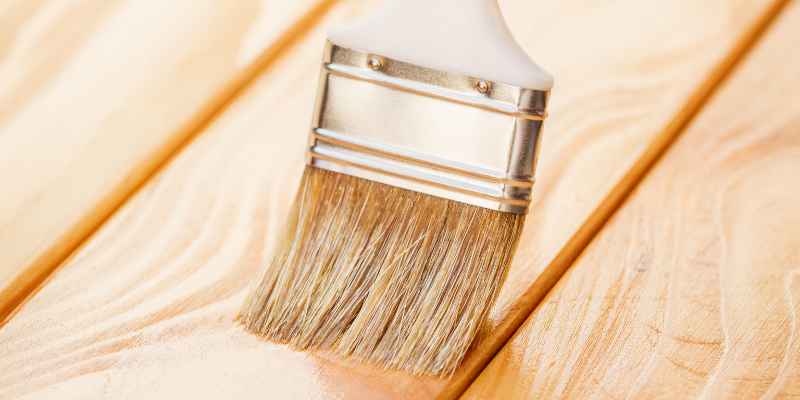
From there, apply your stain within about 2 hours. Wait longer than that and the conditioner finishes curing into a light seal coat, which stops the stain from penetrating deeply — the color comes out noticeably lighter than it should, not blotchy so much as just weak.
📊 Stain applied more than 2 hours after conditioning comes out visibly lighter, per Minwax’s own product instructions — Source: Minwax Pre-Stain Wood Conditioner product page, 2026.
“Apply stain within 2 hours of conditioning.”
— Minwax, Pre-Stain Wood Conditioner application instructions
Already Put Conditioner Over Your Stain? Here’s the Fix
What you do next depends on how far the conditioner has gotten. If it’s still wet or tacky, wipe it off immediately with a clean rag — dampened with mineral spirits for an oil-based conditioner, or plain water for a water-based one — before it has a chance to set. Caught early enough, the stain underneath is often still intact.
If the conditioner has already dried and the finish looks hazy or blotchy, there’s no clean partial fix: sand back to bare wood with 120 to 150-grit sandpaper and re-stain from scratch. Sanding through only part of the affected area tends to leave a visible two-tone patch, so treat the whole board or panel as one section rather than spot-sanding.
What to Use After Staining Instead
Once stain is fully dry — at least 24 hours for most oil-based stains — the next product is a topcoat, not a conditioner. Wipe-on or brushed polyurethane in two to three thin coats is the most durable everyday option; paste wax gives a softer sheen but needs reapplication every 6 to 12 months to keep protecting the wood. Neither one re-touches the color the way conditioner does — they seal the color that’s already there.
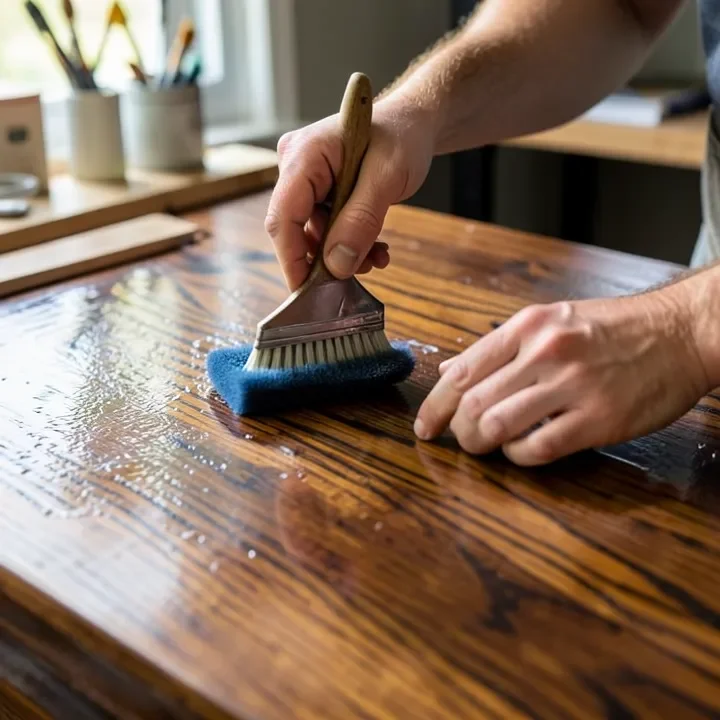
If you’re unsure which topcoat fits your project, this comparison of polyurethane options and this guide to wood sealers both cover durability and application differences in more depth.
Wood Conditioner After Staining vs. How Long It Needs to Dry Before Staining
This page covers a different mistake than how long wood conditioner needs to dry, which answers how long to wait before staining once conditioner is on the wood. Here, the question is what happens if you try to add conditioner after the stain is already down — a separate situation with its own fix, covered above.
Frequently Asked Questions
Can you apply wood conditioner after staining?
No. Wood conditioner is designed to be used before staining, not after. Applying it once the stain has dried lifts pigment unevenly and can leave the wood tacky or unable to accept a topcoat properly.
Should I stain or condition wood first?
Always condition first, then stain. The conditioner partially seals the wood’s pores so the stain absorbs evenly; applying it in the opposite order undoes that preparation instead of improving the finish.
What happens if you use wood conditioner after staining?
It can cause blotchy, uneven color, a tacky surface that stays slightly soft, and poor adhesion for any topcoat applied afterward. In most cases the fix is sanding back to bare wood and re-staining.
Is wood conditioner necessary before staining?
It’s not mandatory, but it’s strongly recommended for softwoods and uneven grain patterns like pine, alder, and birch, which blotch badly without it. Tighter-grained hardwoods need it less often.
What if I already put wood conditioner on top of dried stain by mistake?
If the conditioner is still wet, wipe it off right away with a rag dampened in mineral spirits or water before it sets. If it has already dried and looks hazy, sand the whole area back to bare wood and re-stain rather than spot-sanding.
Conclusion
Wood conditioner only does its job before stain goes on — applied afterward, it works against the finish instead of protecting it. Condition, wipe the excess, stain within about 2 hours, and once that stain is dry, reach for a topcoat or wax instead of conditioner to protect the color.
Sponsored / affiliate links. As an Amazon Associate I earn from qualifying purchases. I may earn additional commission from eligible campaigns.