Varnish vs Stain: The Real Difference (and Why Most Projects Need Both)
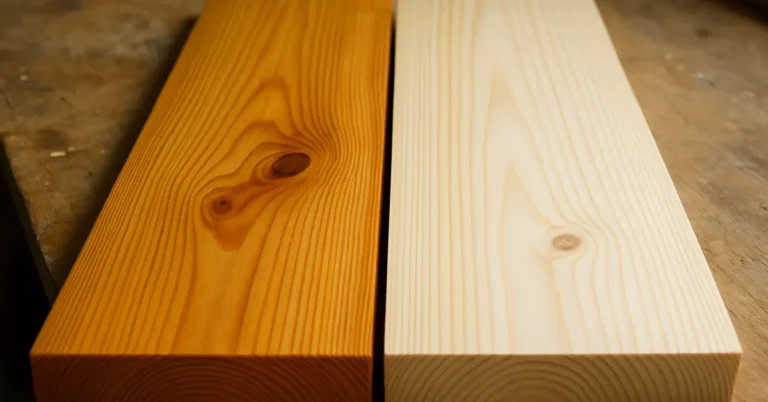
Stain and varnish get lumped together as “wood finish,” but they do fundamentally different jobs. Stain is a coloring agent – pigment or dye that soaks into the wood fiber and changes what color you see, with little to no physical protection of its own. Varnish is a film-forming topcoat – a liquid that cures into a hard, continuous layer sitting on top of the wood, and that film is what actually blocks moisture, UV, and scuffs. Confusing the two leads to two common mistakes: staining a deck and expecting it to survive rain the way a varnished handrail does, or varnishing bare wood and wondering why the color looks thin and flat. Below is what each one actually does, the real order to apply them in, how long to wait between coats, and when a single product genuinely does both jobs at once.
The Real Difference Between Varnish and Stain
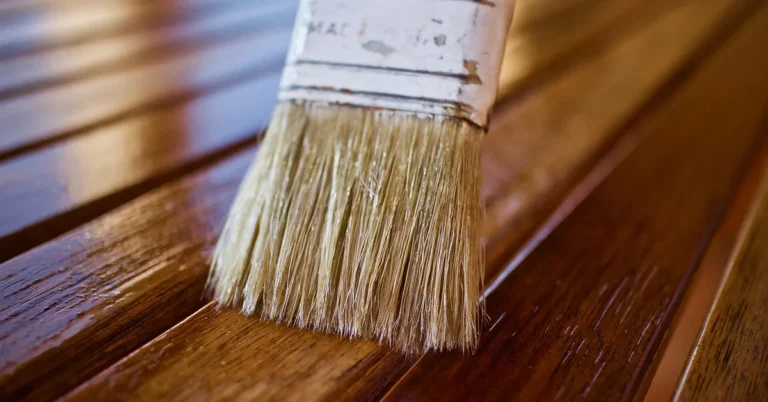
The short version: stain changes color, varnish adds protection. Stain molecules are small enough to penetrate into the open pores of the wood grain, so a stained board still feels and looks like bare wood – run a fingernail over it and there’s no edge to catch, because there’s no separate layer sitting on top. Varnish works the opposite way: it’s a resin (polyurethane, spar urethane, and alkyd varnishes all fall under the “varnish” umbrella) suspended in a carrier that evaporates or cures off, leaving behind a continuous film you can actually feel and, at a chipped edge, see as its own layer. That film is what resists water, sunlight, and abrasion. Stain alone has almost none of that ability, no matter how many coats are applied.
Best 2-in-1 Stain & Varnish Pick
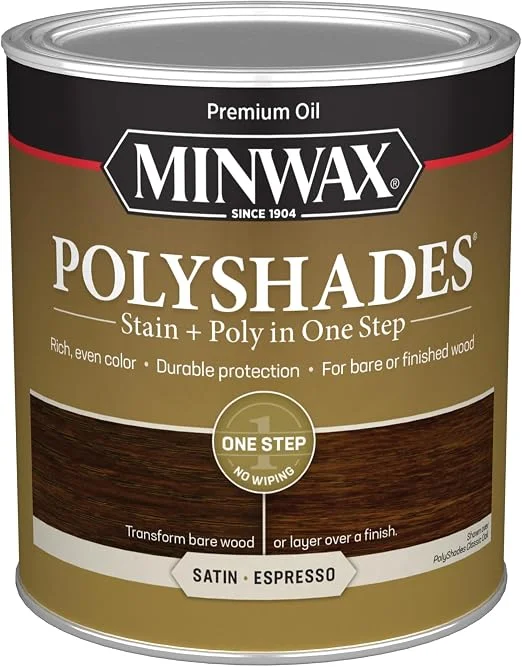 |
Minwax PolyShades Stain & Polyurethane in 1 Step, Espresso Satin – $17.62 A genuine hybrid: real pigment and real polyurethane resin in one can, for projects where you want color and a protective film without buying and layering two separate products.
|
What Wood Stain Actually Does
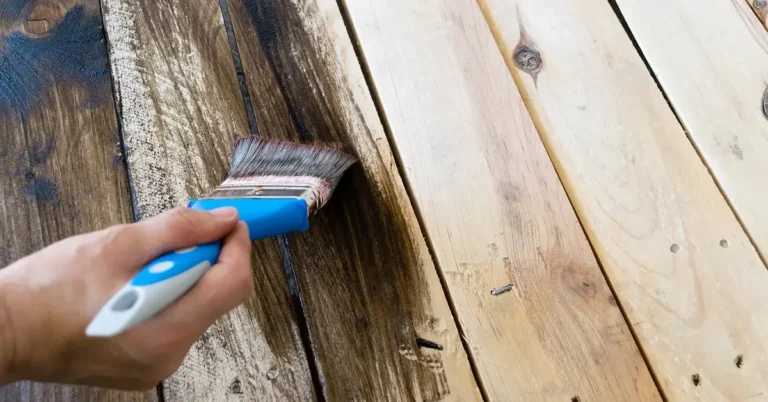
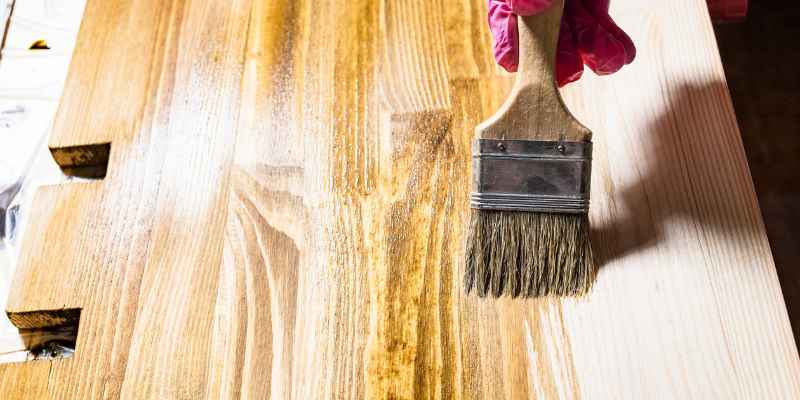
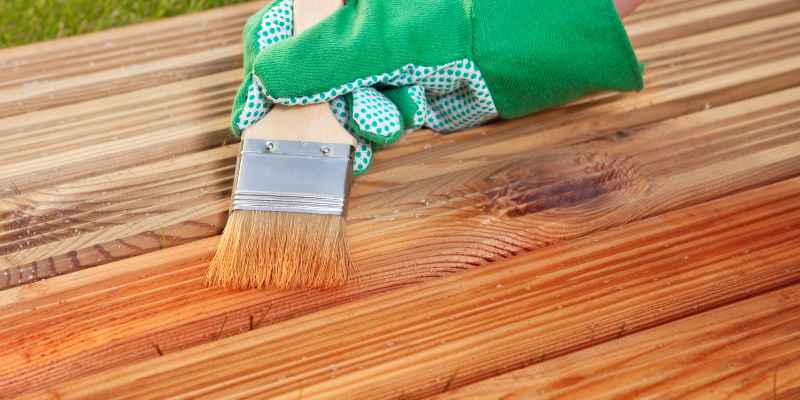
Stain, in the context of wood finishing, is a coloring product designed to change the wood’s appearance while leaving the grain and texture visible – unlike paint, which sits on top and hides the surface completely. Oil-based stains suspend pigment in oil and penetrate deeply, producing a rich, warm color that’s forgiving to apply and blend. Water-based stains use water as the carrier, dry faster, have far less odor, and clean up with soap and water, though they can raise the wood grain slightly and need light sanding afterward. Gel stains are thick enough to control on vertical surfaces like cabinet doors and work on non-porous materials such as fiberglass or metal, where a liquid stain would just run off. None of these formulas are designed to resist water or wear on their own – any protection an oil-based stain seems to provide is just residual oil sitting in the pores, not a real barrier.
What Varnish Actually Does
Varnish is a broad category, not one product: it covers polyurethane, spar (marine) urethane, and traditional alkyd varnish, all of which cure into a hard film rather than soaking into the wood. Interior polyurethane is the default choice for furniture, floors, and trim, and comes in oil-based (amber-toned, more durable, slower drying) and water-based (dries clear, faster recoat times, less odor) versions. Spar or marine varnish is formulated to stay more flexible than interior polyurethane, so it expands and contracts with outdoor wood instead of cracking, and it typically includes UV blockers that plain interior poly lacks – which is why a poly-finished porch railing will often yellow, chalk, and fail years before a properly maintained spar-varnished one does. Sheen (gloss, satin, matte) is purely cosmetic and doesn’t change how protective the film is; a satin poly protects exactly as well as a gloss poly with the same number of coats.
Why Most Real Projects Use Both, In This Order
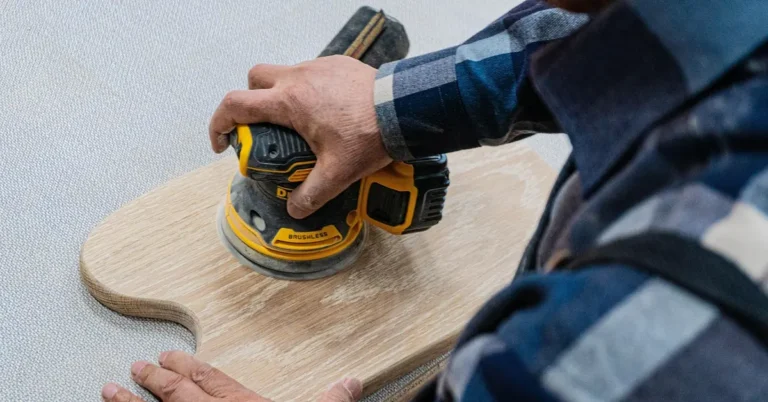
Stain first, then varnish on top, is the standard sequence for a reason: stain needs to fully penetrate and dry before it gets sealed under a film, or solvent gets trapped underneath and the topcoat stays soft and tacky instead of curing properly. As a rule of thumb, water-based stains need roughly 24 hours before the first coat of polyurethane, while oil-based stains need 48 to 72 hours, since oil-based formulas cure through slow oxidation rather than simple evaporation. Cooler rooms (below 70 degrees Fahrenheit) and higher humidity stretch both windows out further. Rather than watching a clock, the more reliable check is to lightly sand an inconspicuous spot with 220-grit paper: if it produces a fine, dry powder instead of gumming up the sandpaper, the stain is cured enough for a topcoat.
One detail that trips people up: match the chemistry between coats. A water-based stain should get a water-based polyurethane or varnish on top, and an oil-based stain should get an oil-based topcoat. Applying a water-based poly directly over a fresh oil-based stain before it’s fully cured is a common cause of fisheyeing, poor adhesion, or a topcoat that never fully hardens.
Stain-and-Varnish-in-One Products: What They Really Are
Products like Minwax PolyShades genuinely blend pigment and polyurethane resin into a single can, so one coat both colors the wood and leaves a protective film – it’s a real product category, not just marketing language layered over a plain stain. Functionally, though, it still behaves more like a tinted varnish than a traditional penetrating stain: it sits closer to the surface, so it won’t highlight figure and grain quite as dramatically as a dedicated stain would, and most colors need two coats to avoid a streaky, uneven look. Its best real use case is refinishing wood that’s already varnished or stained – changing the color of trim, doors, or a handrail without stripping the old finish first – rather than being the first choice for bare wood where deep grain definition is the goal. Even in a hybrid can, it’s still doing two distinct jobs at once; the product just packages them together instead of asking you to buy and layer two cans.
Choosing Between Varnish and Stain for Your Project
For indoor furniture where the wood itself won’t face much moisture or abrasion – a decorative shelf or picture frame, for example – stain alone with a wipe-on wax can be enough. For anything handled often or exposed to spills (tabletops, cutting boards used for display, cabinet doors), stain followed by a real polyurethane topcoat is worth the extra step. For outdoor wood – deck boards, exterior doors, porch railings – reach for a spar/marine-rated product specifically, since standard interior varnish will fail under UV exposure much faster. And for refinishing a piece that’s already stained or varnished without stripping it down to bare wood, a combined stain-and-poly product is the practical shortcut. None of these are competing options for the same job; they’re tools for different stages of the same finish.
Frequently Asked Questions On Varnish Vs Stain
What’s Better, Stain or Varnish?
Neither is “better” – they do different jobs. Stain changes the wood’s color by penetrating the surface; varnish forms a protective film on top. Most finishing plans use stain for color and varnish for protection rather than picking one over the other.
Do I Need to Varnish After Staining?
Not always, but it’s recommended for anything that will be touched, cleaned, or exposed to moisture. Stain alone provides little real protection, so a varnish or polyurethane topcoat is what actually guards against water, UV, and wear – skipping it is fine for low-contact decorative pieces, but risky for tabletops, floors, or outdoor wood.
What Are the Disadvantages of Varnish?
Varnish takes more time to apply correctly (multiple thin coats with drying and light sanding between each), can amber or yellow over years of UV exposure, and is harder to spot-repair than stain since a damaged film usually needs to be sanded back and recoated rather than just touched up.
Does Varnish Make Wood Look Better?
It can – a glossy or satin varnish film adds depth and richness to the wood’s existing color and grain, similar to how water makes grain “pop” when you wipe a damp cloth over bare wood. It doesn’t add color on its own the way stain does; it mainly deepens and protects whatever color is already there.
Conclusion
Stain and varnish aren’t competing products – they solve different problems. Stain changes the wood’s color by penetrating the surface; varnish forms a protective film on top that actually resists moisture, UV, and wear. Many finishing plans use both: stain first for color, full cure time (24 hours for water-based, 48 to 72 hours for oil-based), then a matched varnish or polyurethane topcoat for protection. Hybrid stain-and-poly products are a real shortcut for refinishing work, but they’re still doing both jobs inside one can, not inventing a third option. Match the finish to the project – indoor versus outdoor, decorative versus high-contact – and the choice between them gets a lot easier.
Sponsored / affiliate links. As an Amazon Associate I earn from qualifying purchases. I may earn additional commission from eligible campaigns.