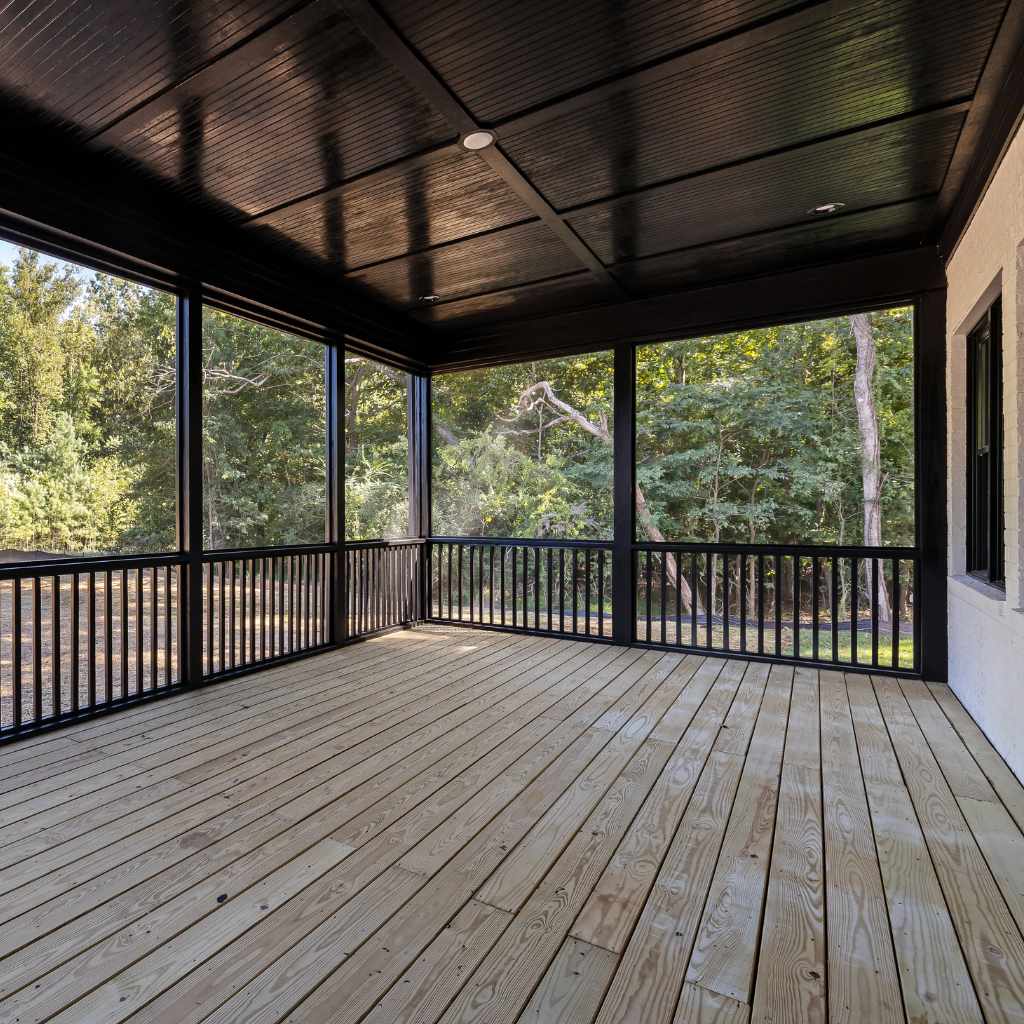
How Much Does a Wooden Deck Cost? Costs, Factors, and Estimates
Figuring out How Much Does a Wooden Deck Cost? is something many people wonder about when they dream of outdoor spaces. It can be tricky at first because there are so many things that affect the price. Don’t worry, though! This guide will break it down step-by-step to make it easy to see where your money goes. Get ready to explore everything you need to know to estimate deck costs.
What Influences Deck Expenses?
The total cost of building a wooden deck depends on various factors. Materials, labor, and the deck’s size are the main elements that determine the final price. Other considerations like permits, the style of the deck, and any special features also add to the overall expenses. Exploring each of these elements will help you get a clearer picture of what to expect when planning your deck project. Remember that prices can vary based on location. The type of wood and the complexity of the design can greatly affect the cost.
Material Selection and Prices
The type of wood you choose is a primary cost factor. Different wood types have varying prices and levels of durability. Pressure-treated lumber is often the most budget-friendly option. It resists rot and insects. However, it may require more maintenance than other choices. Cedar and redwood offer natural beauty and resistance to the elements. They usually cost more. Composite decking, made from recycled materials, is another option. It tends to be more expensive upfront, but it requires less maintenance and lasts a long time. The selection will drastically affect your total deck expenses.
- Pressure-Treated Lumber: This is a popular and budget-conscious choice for decking. Treated with chemicals, this type of wood resists rot, decay, and insect damage. It is an ideal option for areas with high moisture or insect problems.
- Cedar: Cedar decking provides a beautiful and natural look. Its natural oils make it resistant to decay and insects. It also offers a pleasant aroma and is a visually attractive option.
- Redwood: Similar to cedar, redwood offers natural beauty and resistance to decay and insects. It is a durable and stable choice for decks. It often comes with a premium price tag because of its high-quality construction.
- Composite Decking: Constructed from a mix of wood fibers and plastic, composite decking is a low-maintenance option. It does not require staining or sealing. It is also resistant to fading, scratches, and stains.
- Exotic Hardwoods: Woods like Ipe offer exceptional durability, hardness, and a unique look. They come with a higher price tag. They are an excellent investment if you want a long-lasting and luxurious deck.
The cost of materials will vary. For example, pressure-treated lumber might cost $2 to $5 per square foot. Cedar could be $4 to $8 per square foot. Composite decking ranges from $5 to $15 per square foot. Exotic hardwoods will be even more expensive. This shows how crucial material selection is to answering the question of How Much Does a Wooden Deck Cost?.
Deck Size and Design Considerations
The size and complexity of your deck design will have a big impact on the final cost. A larger deck requires more materials and labor, so it will be more expensive. A simple, rectangular deck is generally cheaper than a deck with multiple levels, curves, or built-in features like benches or planters. Design complexity also affects the time required to build the deck. More complex designs require more skilled labor. A simple design takes less time and resources. Consider the amount of space available. Consider what you plan to use the deck for. This will determine how large your deck needs to be.
- Deck Size: The overall area of your deck significantly influences the cost. Larger decks need more materials. More labor is required, which increases the total project expense.
- Shape and Complexity: Simple, rectangular decks are usually less expensive. Designs with curves, angles, or multiple levels require more cutting and fitting. This will increase the labor costs.
- Built-In Features: Adding benches, planters, or other built-in features can boost the cost. These features need extra materials. They require more construction time.
- Height and Elevation: Decks that are built higher off the ground need more structural support. This often means more materials and labor. This will influence the cost.
- Accessibility: Including features for accessibility, such as ramps, can change the design and the associated expenses. These will need specialized construction. They will increase the time and materials needed.
A small deck (100 square feet) might cost $2,000 to $4,000. A medium-sized deck (200-300 square feet) could cost $4,000 to $10,000. Large, complex decks can cost $10,000 or more. The cost of labor is usually a large part of the overall expenses. Your design choices will play a major role in what you end up spending.
Labor Costs and DIY vs. Professional Installation
Labor costs are a crucial part of the total project expense. Hiring a professional contractor means you are paying for their skills, experience, and time. DIY projects can save money on labor. They require you to invest your time and effort. The cost of labor depends on your location, the complexity of the project, and the contractor’s rates. Professional installation usually ensures the deck is built to code and done correctly. DIY projects can lead to errors. Errors can lead to costly repairs down the line. Deciding between DIY and professional installation impacts the answer to How Much Does a Wooden Deck Cost?.
- Professional Installation: Contractors provide expertise. They also handle permits. They provide a guarantee of quality workmanship. You will be paying for their team’s skills and their insurance.
- DIY Installation: This can save you money. You are responsible for all the work. You need to be comfortable with construction tasks. You must be willing to dedicate your time to building the deck.
- Labor Rates: These vary widely based on your area and the contractor’s experience. Get quotes from multiple contractors to compare prices.
- Time Investment: DIY projects will take up a lot of time. This will take time away from other activities. Hiring professionals saves you time.
- Permits and Codes: Professionals are familiar with building codes. They will make sure your deck meets the necessary standards. DIY projects require you to handle permits. You must ensure you follow local regulations.
Labor costs typically range from $15 to $50 per square foot. The labor expenses will greatly affect the final cost. The national average cost to hire a contractor is about $25 per square foot. Be sure to get multiple estimates before making a choice.
Calculating Deck Expenses
When you start calculating the costs, you can prepare a budget that includes all the key expenses. This means evaluating the size, the materials, and the labor involved. It’s essential to get detailed estimates from contractors. You must research the prices of different materials. This will help you get an accurate idea of what to expect. This helps you get a clearer answer to How Much Does a Wooden Deck Cost?
Estimating Material Needs
Accurately estimating the materials you need is a vital step in planning your deck project. This involves knowing the deck’s dimensions, the kind of materials you’re using, and understanding any special requirements for your design. Calculating the required materials includes framing, decking boards, railings, fasteners, and any decorative elements. By taking careful measurements and following a material list, you can plan your budget and reduce the risk of needing extra materials. This helps in controlling the cost and ensuring a well-planned project.
- Deck Size Calculation: Find the area in square feet. Multiply the deck’s length by its width to determine the total area. This provides the base amount of materials needed for the decking surface.
- Framing Materials: Estimate the amount of lumber needed for the deck’s support structure. Consider the size of the posts, beams, and joists. Refer to building codes for recommended spacing.
- Decking Boards: Calculate the amount of decking boards needed. Account for the board width and the spaces between boards. Figure out how many boards you need for the surface area.
- Railings and Posts: Figure out the length of railings needed. This includes the posts for support. Determine how many railings and posts you will need, and then get measurements.
- Fasteners and Hardware: Factor in the screws, nails, and other hardware required for assembly. Estimate how much you need for your framing. This will include decking, railings, and any other features.
Let’s say you’re building a deck that is 16 feet long by 12 feet wide. The total area is 192 square feet. You will need to calculate the lumber for the framing. You must measure the railings. You have to consider the fasteners. You would need to add 5-10% to the total material estimates to account for waste. Careful planning is essential to your budget.
Contractor Quotes and Price Comparisons
Getting estimates from multiple contractors is a smart way to find the best deal. Ask for detailed quotes that break down the costs for materials, labor, permits, and any other fees. Carefully review each estimate, comparing prices. Examine the contractor’s experience. Make sure that they are licensed and insured. Check reviews and references. This will help you choose a reliable contractor who will complete the project to your satisfaction. Asking the right questions and being well-informed helps in answering the question, How Much Does a Wooden Deck Cost?
- Request Multiple Quotes: Get quotes from at least three different contractors. This gives you a clear comparison of prices and services.
- Detailed Breakdown: The quotes should include a detailed breakdown of costs. This includes materials, labor, permits, and any other potential fees.
- Check References and Reviews: Ask for references from past customers. Check online reviews to assess the contractor’s reputation.
- Compare Materials and Quality: Ensure that the quotes are using similar materials and quality standards. This will allow for a fair comparison of prices.
- Ask Questions: Do not hesitate to ask questions about anything. Clarify any items on the estimates before making a choice.
Contractors should provide transparent quotes. The prices can differ significantly. For example, one contractor might estimate the project at $7,000, while another might quote $10,000. These differences could be because of different materials, labor rates, or design choices. Doing your research on all your choices is essential.
Hidden Expenses to Consider
When planning a deck, it’s wise to consider extra expenses that can add to the total cost. Permits, site preparation, and unforeseen issues can increase the overall project price. Having a contingency fund will help you manage any unexpected costs. Preparing for these potential expenses will ensure a more complete and realistic budget. This will avoid any surprises later on. Knowing this information helps us see How Much Does a Wooden Deck Cost?
- Permits: Obtaining the required permits can add to the expenses. The cost depends on your location. Permits ensure that your deck meets local building codes.
- Site Preparation: Expenses for site preparation can include clearing the land. This includes leveling the ground and removing any existing structures.
- Unexpected Issues: Plan for unexpected issues. This might be finding underground utilities, or needing to modify the design.
- Change Orders: If you change the design or scope of the project, it can lead to extra costs. Carefully plan your project from the start.
- Maintenance and Upkeep: Consider the long-term expenses. This includes staining, sealing, or other maintenance to protect the deck.
Permits can range from $50 to $500, depending on the area. Clearing the site might cost several hundred dollars. An extra 10% to 15% of your total budget should be saved for unexpected expenses.
Decking Projects: Real-Life Instances
Looking at real-life examples can help clarify how the different factors influence deck costs. Here are some examples of different deck projects. Each one has its own design, materials, and expenses. These case studies will show you how these elements can impact the budget and final outcomes. These examples help answer the question of How Much Does a Wooden Deck Cost?.
- Simple Pressure-Treated Deck: A family wanted a simple, basic deck in their backyard. They selected pressure-treated lumber for the deck boards and framing. The deck was a rectangular shape, measuring 12 feet by 16 feet. The project included professional installation. The total cost was around $5,500. This included materials, labor, and permits. This project was done to the local building codes.
- Cedar Deck with Railings: A homeowner wanted a more attractive and durable deck. They opted for a cedar deck, with a built-in bench. The deck measured 14 feet by 20 feet. It also had a detailed railing system. The total cost for this project came to approximately $9,000. This included the cost of materials, labor, and permits.
- Composite Deck with Multiple Levels: A couple desired a low-maintenance deck. They chose composite decking for their project. The deck featured multiple levels and stairs. The total cost of this project was approximately $15,000. The deck design was more complex. It required more materials and labor.
The first example is a straightforward, budget-friendly option. The second example offers a balance of looks and durability. The third option prioritizes low maintenance. These examples reveal that deck costs differ based on the design, materials, and other factors.
Scenario 1: Small Basic Deck
Let’s say a homeowner wants a small deck. It is designed to be a simple, rectangular space that is roughly 10 feet by 12 feet. They choose pressure-treated lumber, to keep the costs down. They plan to do the deck themselves. They only want a simple railing. The estimated costs would include materials, such as lumber, screws, and hardware. The estimated costs would also include permit fees. The materials cost around $1,500. Permit fees add another $100. The total project cost would be approximately $1,600. The cost is greatly influenced by the size, materials, and installation choices. This shows how to see How Much Does a Wooden Deck Cost?
Scenario 2: Medium-Sized Deck with Upgrades
A homeowner has a larger budget. They want a medium-sized deck. It will measure about 16 feet by 20 feet. They choose cedar decking for its beauty. They hire a professional contractor. This includes a detailed railing system and some built-in seating. The labor costs are estimated at $6,000. The materials, which include cedar decking, framing, and railing, cost about $7,000. Permit fees are $250. The total cost for this project is estimated at $13,250. This reveals how design choices and labor expenses can drive up the total cost.
Scenario 3: Large Deck with Composite Materials
A homeowner wants a large, low-maintenance deck. They plan a deck that is 20 feet by 24 feet. They select composite decking. The deck will include a multi-level design. It also includes built-in lighting and a pergola. The composite decking and framing materials are around $12,000. Labor is estimated at $8,000. The design is complex. The lighting and pergola add to the cost. The total project cost is around $20,000. This example shows that selecting materials and design will increase the total cost.
| Project | Size | Materials | Installation | Total Cost (Approximate) |
|---|---|---|---|---|
| Small Basic Deck | 120 sq ft | Pressure-treated lumber | DIY | $1,600 |
| Medium Deck with Upgrades | 320 sq ft | Cedar, detailed railings | Professional | $13,250 |
| Large Deck with Composite | 480 sq ft | Composite, multi-level | Professional | $20,000 |
Frequently Asked Questions
Question: What is the typical lifespan of a wooden deck?
Answer: The lifespan of a wooden deck depends on the materials used. It also depends on the maintenance that it gets. Pressure-treated lumber can last 15-20 years. Cedar and redwood decks typically last 20-30 years. Composite decking often lasts for 25-30 years or even longer.
Question: How often should I stain or seal my wooden deck?
Answer: You should stain or seal your wooden deck every 2-3 years. This helps to protect the wood from the weather. This will help to prevent fading, cracking, and water damage. The frequency depends on the type of wood and the climate in your area.
Question: What are some cost-saving tips for building a deck?
Answer: You can reduce costs by choosing pressure-treated lumber. Use a simple, straightforward design. Consider doing the work yourself (if you have the skills). Get several quotes from contractors. Compare prices on materials and search for any discounts.
Question: Do I need a permit to build a deck?
Answer: Yes, you usually need a permit to build a deck. Local regulations vary. Check with your city or county. This will ensure your deck meets all required building codes and safety standards.
Question: How can I maintain my deck to extend its lifespan?
Answer: Maintain your deck by cleaning it regularly to remove dirt and debris. Inspect the deck for any damage or loose boards. Keep the wood sealed to protect it from the elements. This will prolong the life of your deck.
Final Thoughts
Figuring out How Much Does a Wooden Deck Cost? involves exploring different aspects of the project. This can include the materials, the size of your design, and whether you’re hiring a professional or doing it yourself. Budgeting and comparing contractor prices are key to managing your expenses. Making informed choices helps you. It ensures your project is completed within your financial means. Carefully estimating materials, considering potential hidden costs, and exploring real-life examples will help you plan your ideal outdoor space. By gathering the right information, you can move forward with confidence and construct a deck you will enjoy for years to come!