How Much Does a Dust Collection System Cost for a Home Shop?
Expect to spend roughly $400 to $3,500 for a home-shop dust collection system, with the collector itself often costing about $250 to $1,800. Leave out ductwork, filters, blast gates, and electrical work, and the final bill can double. This guide breaks down costs by setup type and shows where the hidden expenses appear.
What drives dust collection prices


For a home shop, the real cost depends on whether you are buying cleanup equipment, a single-machine collector, or a whole-shop system. A shop vac setup can stay near the low end. A single-stage collector usually lands in the middle. A cyclone setup costs the most because the unit, ducting, and accessories add up fast.
Most price surprises come from the parts that turn a box into a usable system. Hose, clamps, blast gates, and duct runs can cost as much as the machine on a small install. Filters and bags also need replacement, so a low entry price does not always mean a low first-year cost.
Dust collection cost table
| Scenario | Equipment cost | Ductwork and accessories cost | Recurring filter or bag cost | Expected shop size fit | Common upgrade path |
|---|---|---|---|---|---|
| Budget shop vac setup | $150 to $450 | $75 to $250 | $20 to $80 per year | One-tool bench shop, saw bench, cleanup duty | Add a 2.5-inch hose kit, better filter, and a small ambient air cleaner |
| Midrange single-stage dust collector setup | $400 to $1,000 | $250 to $900 | $40 to $150 per year | Garage shop with one to three stationary machines | Add a cartridge filter, more blast gates, and longer 4-inch duct runs |
| Dedicated cyclone setup | $1,200 to $3,500+ | $500 to $1,500+ | $60 to $200 per year | Larger shop, heavy use, multiple machines | Add hard ducting to each machine, remote bin, and noise control enclosure |
Say your garage shop has a contractor saw, a benchtop planer, and a random-orbit sander. A shop vac can handle sanding dust and cleanup, but the planer will still push a lot of chips. In that case, moving up to a single-stage collector with 4-inch ducting usually makes more sense than spending more on vacuum attachments.
What drives the price?
Horsepower, airflow, and filtration shape the base price. Typical home-shop single-stage dust collectors fall around 1.5 to 2 horsepower, while larger units climb higher. More airflow and better filtration usually cost more, especially once the unit moves from a fabric bag to a cartridge filter.
Hose diameter changes both performance and accessory pricing. Two-and-a-half-inch hose fits many sanders and hand tools, but it restricts airflow for large stationary machines. Four-inch ducting is common for planers, jointers, and table saws. Larger duct can move more air, but fittings and transitions cost more.
Brand, build quality, and included accessories matter too. A bare collector may look inexpensive until you add a filter upgrade, hose, elbows, blast gates, floor sweep, and machine adapters. The quoted price can be only the starting point.
What size dust collector do I need for a garage workshop?
For a garage workshop, size should follow the machines you own, not the square footage alone. A small shop with benchtop tools and cleanup needs may do fine with a shop vac or dust extractor. A garage with a planer, jointer, or cabinet saw usually needs a single-stage collector with 4-inch ducting or a cyclone.
If you run only one stationary machine at a time, a single-stage collector is usually enough. It fits one-machine-at-a-time work, which matches most garage shops better than a large multi-branch system.
Shop vac or dust extractor: best uses and limits
A shop vac or dust extractor is best for small tools, sanding, and cleanup. It pairs well with sanders, track saws, biscuit joiners, and other tools that accept 2.5-inch hose or smaller ports. Many units offer fine filters and disposable bags, which helps with cleanup and finer dust control.
Where it falls short is airflow. Long hoses, large chip loads, and wide machine ports quickly expose the limits of a vacuum-based setup. It can keep a benchtop cleaner, but it is not a substitute for a real collector on larger woodworking machines.
Picture a 12-by-20-foot garage with a benchtop planer, a miter saw, and a sanding station. If the setup stays portable and the machines are used one at a time, a dust extractor can cover much of the work. Add a jointer or table saw with a 4-inch port, and the cost gap to a true collector starts to shrink.
What is the difference between a dust collector and a dust extractor?
A dust extractor is usually a high-filtration vacuum built for small tools and fine dust. A dust collector is built to move more air through larger ports and ducting. The difference matters because a tool that needs volume, such as a planer, will not perform well on a vacuum-style system.
For budgeting, dust extractors often have a lower entry price than full collectors, but their accessories can still add up. Hepa-style or fine filters, antistatic hoses, and tool-specific adapters are common costs in that category.
Do you need a single-stage or cyclone collector?
If your shop is modest and your machines run one at a time, a single-stage collector is usually enough. If your shop is larger, your machines are heavier duty, or you want better separation before the filter, a cyclone makes more sense. Cyclones cost more up front, but they reduce how fast filters load up with chips.
Single-stage collector basics
Single-stage dust collectors are the most common home-shop step up from a shop vac. Typical home-shop horsepower ranges are about 1.5 to 2 horsepower, with many units priced from roughly $300 to $800 before upgrades. They usually use a filter bag or cartridge filter and work best for one machine at a time.
The main tradeoff is filtration versus convenience. A basic bag system is cheaper, but a cartridge filter usually captures finer dust and is easier to clean. Cleaning method matters because a clogged filter raises resistance and can cut performance.
Cyclone collector basics
Cyclone dust collectors cost more than single-stage units because they separate chips before the filter. That keeps the filter cleaner for longer and helps in larger shops or heavier-use setups. Many cyclones are paired with a metal drum or bin, which adds to the total cost but makes chip disposal cleaner.
The price jump is not just the collector itself. Cyclones often need more rigid ducting, more branches, and more attention to layout because they are usually installed as part of a full system rather than a single hose at one machine.
Choosing by shop size and machine mix
For a one-tool shop, a shop vac or compact extractor is often enough. For a hybrid garage shop with one saw and one planer, a single-stage collector is usually the best value. For a dedicated basement or outbuilding shop with multiple stationary machines, a cyclone starts to make financial and practical sense.
- List every machine you plan to connect.
- Check the port size on each tool.
- Choose 2.5-inch hose for small tools and 4-inch ducting for larger machines.
- Match the collector to the worst-case machine, not the easiest one.
- Budget for gates, fittings, and filter replacement before you buy the collector.
How much does ductwork add to a dust collection setup?
Ductwork often adds roughly $250 to $1,500 or more, depending on shop size, duct material, and how many machines you need to serve. Short hose runs cost less. A system with hard ducting, multiple branches, and several blast gates adds cost quickly. That is where a collector becomes a whole-shop project.
Blast gates, hoses, and clamps
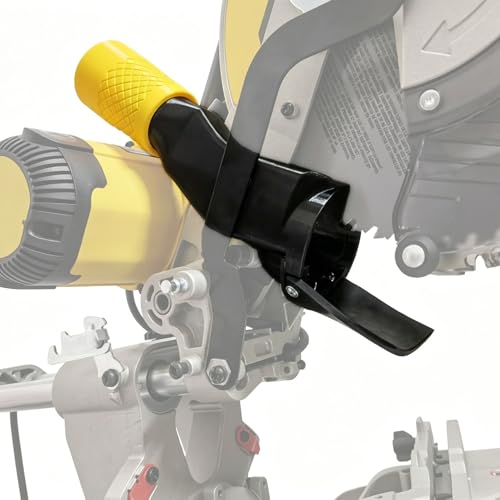
Blast gates isolate branches and help hold suction where you need it. Manual gates cost less; automated versions add convenience and more expense. Multi-machine systems need them because open branches waste airflow. Add hose clamps, reducers, elbows, and adapters, and the accessory line can grow fast.
A common first-timer mistake is buying a collector, then discovering the machine ports do not match the hose. A 4-inch duct system may still need 2.5-inch adapters for sanders or a flexible lead-in for a benchtop machine. Compatibility often costs more than the unit itself.
Can I use 4-inch ducting in a small shop?
Yes, if the tools justify it. Four-inch ducting is common for stationary woodworking machines because it supports better airflow than 2.5-inch hose. In a small shop, the key question is layout. Short runs, fewer bends, and one-machine-at-a-time use make 4-inch ducting more practical than trying to feed every tool through a narrow hose.
Filters, bags, and bin upkeep
Filter cartridge upgrades often have a micron rating that is better than basic bags, which can improve fine dust control. The cost is not only the cartridge purchase. Cleaning method, replacement interval, and how much dust reaches the filter all affect the total system cost. On cyclones, drum liners or bin emptying supplies add another recurring line.
Hidden costs show up in the details that keep the system usable. Filters, bags, hoses, clamps, blast gates, and adapters all add to the first invoice. Electrical work, noise control, and an ambient air cleaner can raise the total again. Small shops feel these costs most because every extra piece matters.
Electrical work and noise control
Many small collectors run on 120V, while larger single-stage units and most cyclones may need 240V. Amperage and breaker size matter, and some installs need a dedicated circuit or an electrician. That cost is easy to miss when comparing only tool prices.
Noise also affects the budget in garage and residential shops. Collector location, duct placement, and an enclosure can reduce how much sound reaches the rest of the house. If the collector sits near living space, it may be worth paying more for a quieter setup or remote placement.
Ambient air cleaner costs
Ambient air cleaners are supplemental dust control, not source capture. They help with fine dust left in the air after the machine stops, which matters in small shops with limited ventilation. They add cost, but they do not replace a collector at the tool.
Suppose a basement shop uses a planer only once a week, but sanding happens daily. The planer needs a collector with enough airflow and a 4-inch connection. The sander may still benefit from a vacuum extractor, and the room may justify an ambient air cleaner to catch leftover fine dust.
Frequently asked questions
How much does a dust collection system cost for a home shop?
Most home shops land in the roughly $400 to $3,500 range for a usable system. The collector alone may cost $250 to $1,800, but ductwork, blast gates, filters, hoses, and electrical work can double the bill if you are building a full setup instead of buying a single machine.
Is a shop vac enough for woodworking dust collection?
A shop vac is enough for small tools, sanding, and cleanup, especially in a one-tool shop. It is not enough for large stationary machines that need more airflow. If your planer or table saw leaves chips behind, you need a dust collector, not just a vacuum and a better filter.
Is cyclone dust collection worth the extra cost?
It can be, if you have a larger shop, heavy chip-producing machines, or enough use to justify the higher upfront cost. Cyclones separate chips before the filter, so maintenance is easier and filter loading is slower. For a small one-machine shop, a single-stage collector is usually better value.
Sponsored / affiliate links. As an Amazon Associate I earn from qualifying purchases. I may earn additional commission from eligible campaigns.