Can I Severely Prune A Cherry Tree Without Killing It?
It’s a common worry. You look at your cherry tree, maybe it’s gotten too big, or perhaps it’s not producing as much fruit as you’d hoped. You think about giving it a really good trim, a severe pruning.
But then that nagging question pops up: “Can I actually do this without killing my tree?” It’s a big step, and the fear of causing permanent damage can be quite stressful. Many home gardeners have been in your shoes, staring at their fruit trees, feeling both the urge to improve them and the anxiety of making a fatal mistake. This guide is here to walk you through it, with empathy and clear, simple steps.
While it’s possible to prune a cherry tree severely, it’s not always recommended and carries significant risks. The best approach depends on the tree’s age, health, and the specific reasons for pruning. Extreme pruning can shock the tree, making it vulnerable to disease and pests, and can reduce fruit production for years. Understanding the right way to prune, and when to do it, is key to a healthy tree.
Understanding Cherry Tree Pruning
Cherry trees, like most fruit trees, benefit from pruning. Pruning helps shape the tree, improves air circulation, removes dead or diseased branches, and encourages better fruit production. However, the term “severely prune” can mean different things to different people.
It often implies cutting back a significant portion of the tree’s canopy.
The goal of pruning is usually to manage the tree’s size and health. For young trees, this means establishing a strong structure. For mature trees, it’s about maintaining that structure, removing unproductive wood, and ensuring sunlight can reach the fruit.
Severe pruning, if done incorrectly, can overwhelm the tree’s ability to heal and recover. This can lead to a weakened state.
Think of it like this: a minor haircut makes you look refreshed. A drastic chop might take a while to get used to and could even leave you feeling a bit exposed. Trees are similar.
They have a natural capacity to heal, but pushing them too hard can exceed that capacity.
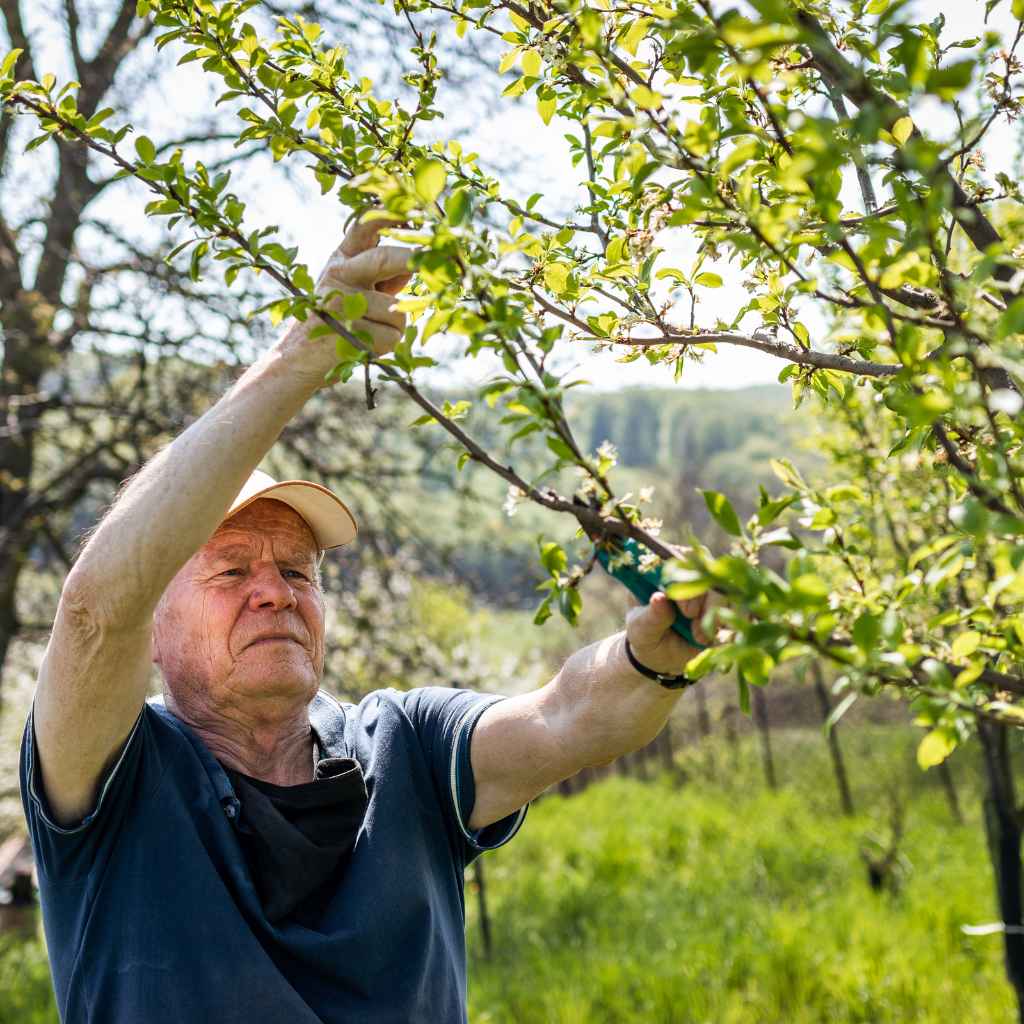
Why You Might Think About Severe Pruning
Several reasons might lead you to consider a drastic pruning for your cherry tree. We’ve seen these scenarios play out in many gardens, and they are all understandable motivations.
Overgrown Trees
One of the most common reasons is an overgrown tree. Over many years, a cherry tree can become too large for its space. Branches might be growing into walkways, power lines, or other trees.
The canopy can become so dense that light and air can’t get through. This leads to poor fruit quality and increased disease risk.
Poor Fruit Production
Sometimes, a tree just stops producing fruit like it used to. You might see lots of leaves but very few cherries. This can happen if the tree is too old, has been stressed, or if pruning hasn’t been done properly over the years.
You might think a severe cut will shock it back into fruit-bearing mode.
Disease or Damage
A tree that has suffered significant damage from storms, pests, or diseases might have a large amount of dead or broken wood. In such cases, a heavy prune might seem like the only way to salvage the tree. You want to remove the bad parts to save the rest.
Shape and Aesthetics
Occasionally, a tree might have grown into an awkward shape. Branches might cross over each other, or the tree might be lopsided. You want it to look balanced and pleasing in your yard.
The Risks of Severe Pruning
While the desire to fix these issues is valid, severe pruning comes with substantial risks. It’s crucial to understand these before you grab your pruning saw.
Tree Shock
Cutting off a large portion of a tree’s branches at once is a major stressor. The tree loses a lot of its food-producing surface area (leaves). This can shock the system, leading to reduced vigor and a slower recovery.
It’s like taking away half your energy source in an instant.
Increased Disease and Pest Vulnerability
Large pruning cuts create open wounds. These wounds are entry points for diseases and pests. If the tree is already stressed from the pruning, its defenses are weakened.
This makes it much more susceptible to infections like bacterial canker, fungal diseases, or insect infestations. These can spread quickly through the large cuts.
I remember a time when a neighbor decided to “renovate” their huge apple tree in late spring. They cut off nearly two-thirds of the branches. Within weeks, the cuts oozed sticky sap, and we saw borers drilling into the fresh wood.
The tree never really recovered and sadly died the following year. It was a hard lesson in respecting a tree’s limits.
Reduced Fruit Yield
Severe pruning often means removing a lot of the fruiting wood. Even if the tree survives, it can take several years for it to regrow enough fruiting spurs to produce a good crop of cherries again. You might end up with a beautiful, smaller tree that yields very little for a long time.
Water Sprouts and Suckers
Stressed trees often respond by producing vigorous, upright shoots called water sprouts. These grow rapidly from dormant buds on the trunk or major branches. They are usually weak, do not produce fruit, and can make the tree overgrown again very quickly.
The tree is trying to regain its leaf surface, but in an unhelpful way.
Suckers can also emerge from the base of the tree or roots. These are equally unwanted and can divert energy from the main tree. Dealing with these new, unwanted growths can become a constant battle.
Root System Imbalance
A tree’s root system is designed to support its canopy. When you drastically reduce the canopy size, the roots may be more than the remaining branches can support. While the roots don’t shrink, the reduced demand for water and nutrients can lead to an imbalance.
This can weaken the tree over time.
When Severe Pruning Might Be Considered (and How to Do It Safely)
There are very specific, often extreme, situations where a severe pruning might be the least bad option. These are usually for salvaging a tree that is otherwise likely to be removed.
Drastic Size Reduction for Very Old, Unmanaged Trees
If you have a very old cherry tree that has never been pruned and has become a towering, unmanageable giant, a drastic reduction might be considered. This is often done over multiple years, not all at once. The goal is to bring it down to a manageable size, creating a new, smaller scaffold of branches.
How to approach it:
- Timing is Critical: The best time is usually late winter or early spring, during the dormant season. Avoid pruning in fall, as new growth can be damaged by frost.
- Phased Reduction: Never cut off more than 25-30% of the tree’s total canopy in one year. If a severe reduction is needed, it should be spread over 2-3 years.
- Cut to a Lateral Branch: When reducing a large branch, make the cut back to a smaller, healthy lateral branch that is growing in the direction you want the tree to grow. This helps the tree heal the wound.
- Remove Dead and Diseased Wood First: Always start by removing any dead, damaged, or diseased branches.
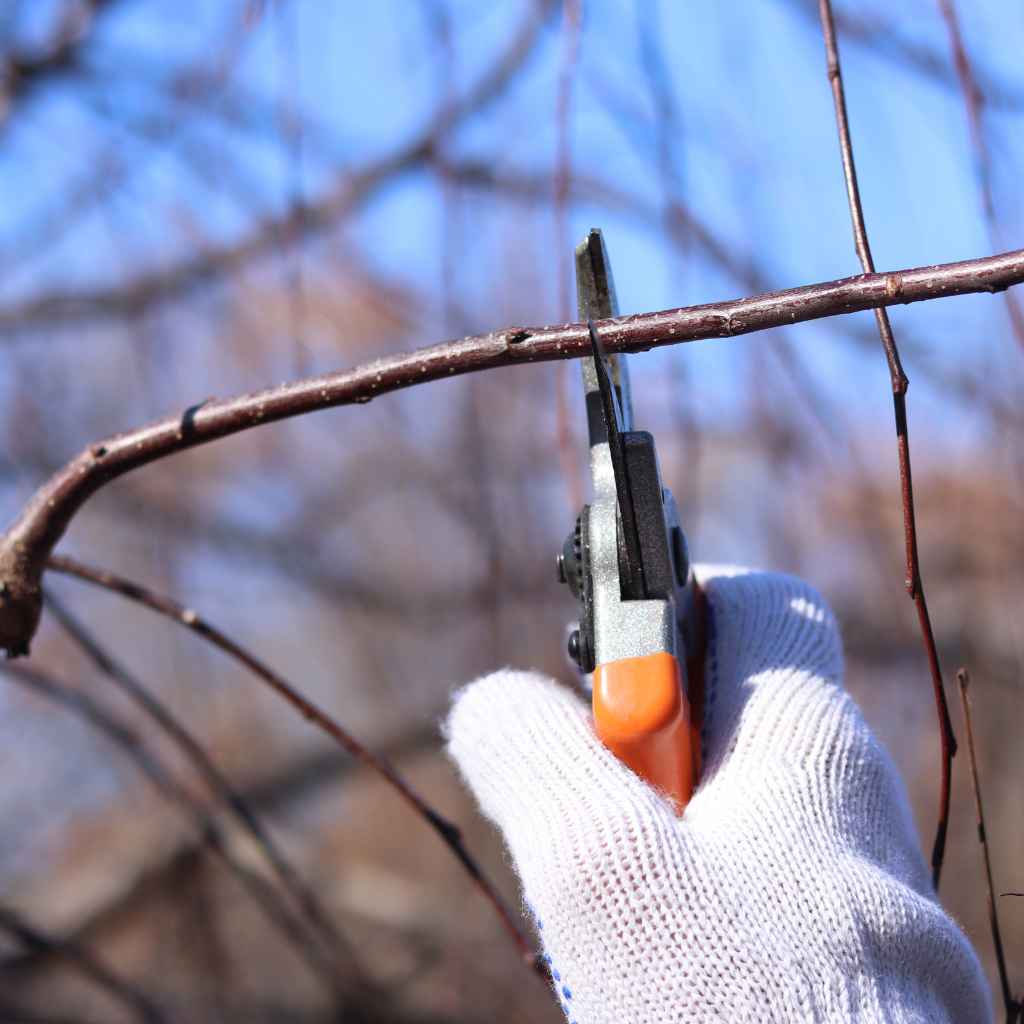
- Use Proper Tools: Use sharp, clean pruning saws and bypass pruners. For large branches, use a three-cut method to prevent tearing the bark.
- Seal Large Wounds (Debatable): Some experts recommend sealing very large cuts (over 2 inches) with a pruning sealant to help prevent disease entry. Others believe trees heal best naturally.
Salvaging a Damaged Tree
If a tree has suffered significant storm damage, with many large branches broken, a severe prune might be necessary to remove the damaged parts. This is more about survival and reshaping for future recovery.
How to approach it:
- Assess Thoroughly: Identify all broken, cracked, or hanging branches.
- Prioritize Safety: If branches are a hazard, address them immediately, even if it means a severe prune.
- Cut Back to Healthy Wood: Make cuts back to healthy wood, preferably at a point where a smaller lateral branch can take over.
- Remove all Rubbing Branches: Branches rubbing against each other can cause wounds and allow disease entry.
- Support the Tree: After heavy pruning, consider staking or bracing to support the remaining structure.
The Better Way: Proper, Regular Pruning
For most situations, severe pruning is not the answer. The best way to maintain a healthy, productive cherry tree is through regular, proper pruning. This involves making smaller, strategic cuts over time.
Key Principles of Regular Cherry Tree Pruning:
- Timing: The best time to prune most cherry trees is in late winter or early spring, before new growth begins. This allows the tree to heal quickly. Some light pruning can be done in summer to manage growth, but avoid heavy summer pruning.
- The 3 Ds: Always start by removing dead, damaged, or diseased branches. These are obvious targets and should be pruned first.
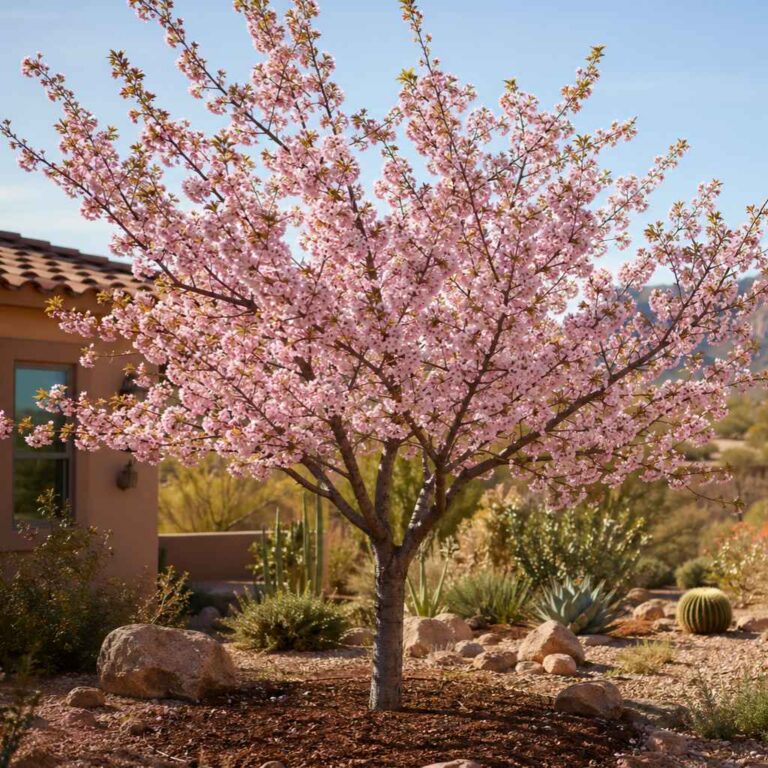
- Open Center Pruning: Cherry trees are often trained to an open-center (vase) shape. This means encouraging 3-4 main scaffold branches that grow outwards and upwards from the trunk, creating an open space in the middle. This allows sunlight and air to penetrate.
- Remove Crossing or Rubbing Branches: Any branches that are growing into each other or rubbing should be removed.
- Thinning Cuts: Instead of cutting a branch back to a stub (heading cut), make thinning cuts. This means cutting a branch back to its point of origin, or to a smaller lateral branch. This encourages new growth in desired directions without creating weak points.
- Manage Vigorous Growth: Remove water sprouts (fast-growing vertical shoots) and suckers.
- Don’t Remove Too Much: Aim to remove no more than 20-25% of the tree’s canopy in a single pruning session.
This consistent approach prevents the need for drastic measures later on.
Pruning Tools Checklist
Having the right tools makes pruning easier and safer for both you and the tree.
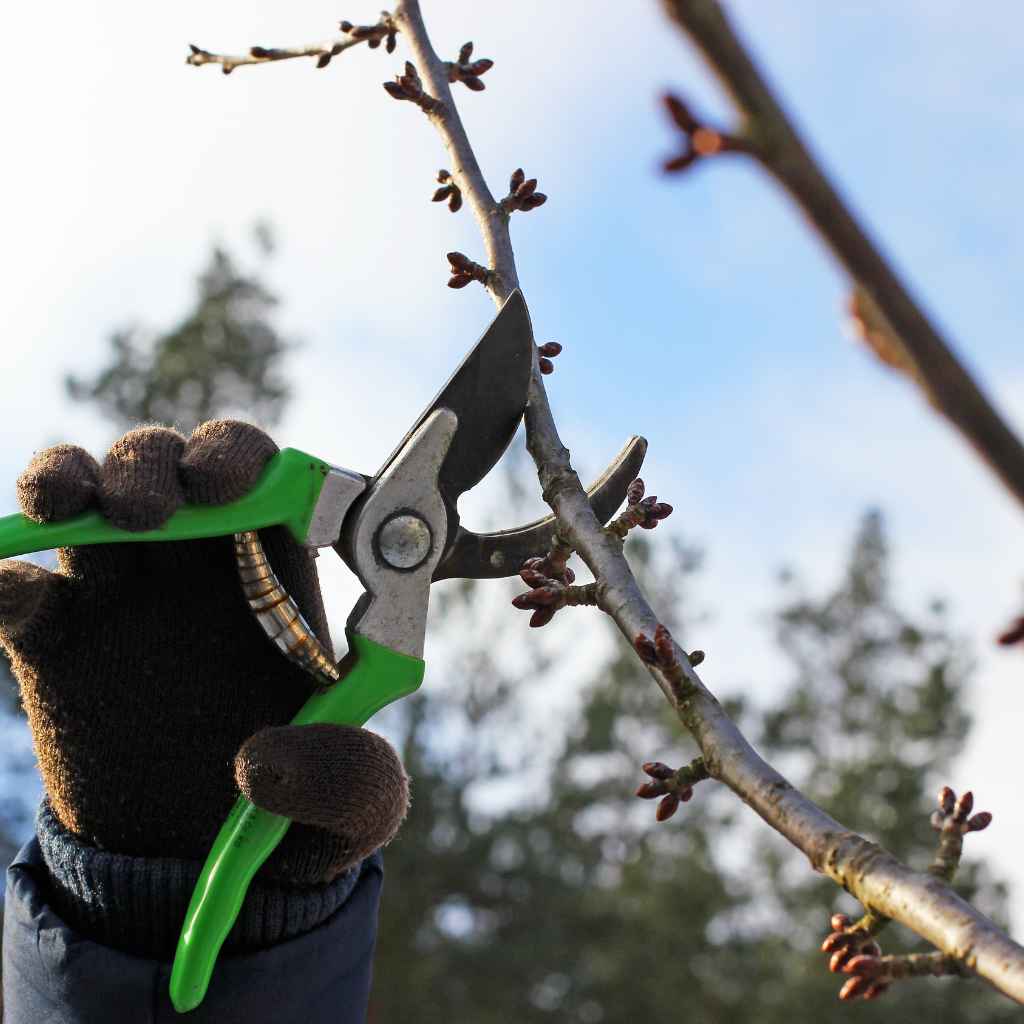
- Bypass Pruners: For small branches up to 1/2 inch thick.
- Loppers: For branches from 1/2 inch to 1.5 inches thick.
- Pruning Saw: For branches thicker than 1.5 inches.
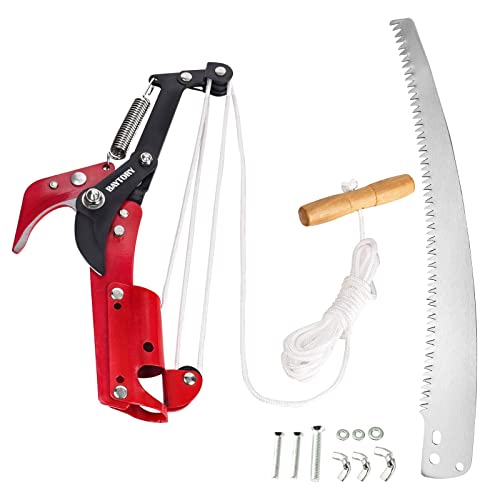
- Pole Saw/Pruner: For reaching higher branches.
- Gloves: To protect your hands.
- Safety Glasses: To protect your eyes.
Tip: Always clean your tools between cuts if you’re dealing with diseased wood. This prevents spreading the infection.
What to Do Before You Prune Severely
Before you even think about making big cuts, take a deep breath and do some homework. This is where experience really matters.
Assess the Tree’s Health
Is the tree generally healthy, or is it already struggling? Look for signs of disease, pest infestation, or previous damage. A healthy tree has a better chance of recovering from stress.
Checklist for Tree Health:
- Bark: Is it smooth and free of cracks, blisters, or oozy spots?
- Leaves: Are they a healthy green color? Are there signs of spots, wilting, or yellowing?
- Branches: Are they strong and sturdy? Are there dead tips or entire dead branches?
- Trunk: Is it free of large cavities or signs of rot?
Consider the Tree’s Age
Young trees (under 5 years) are still developing their structure. Severe pruning can stunt their growth or permanently damage their shape. Older trees might be less resilient to harsh treatment.
Identify Your Goal
What do you hope to achieve with severe pruning? Is it to reduce size, improve fruit yield, or remove damage? Sometimes, your goal might be better achieved through other methods.
Consult an Expert
If you’re unsure, it’s always best to consult a certified arborist. They have the expertise to assess your tree and recommend the best course of action. They can tell you if severe pruning is truly necessary and how to do it, or if a less drastic approach is better.
I once had a client who was convinced their old plum tree needed a severe chop. It was overgrown and not producing much. An arborist came out, took a look, and suggested a series of lighter prunings over three years, along with better fertilizing and pest control.
That plum tree bounced back beautifully and produced more fruit than anyone expected. It saved the tree and the owner a lot of worry.
Contrast: Severe Pruning vs. Regular Pruning
It’s like the difference between a major surgery and regular wellness check-ups.
| Feature | Severe Pruning | Regular Pruning |
|---|---|---|
| Amount Removed | Large portion of canopy (30%+) | Small portion (up to 25%) |
| Frequency | Rarely, if ever | Annually or biennially |
| Stress Level | High | Low to Moderate |
| Risk of Disease/Pests | High | Low |
| Fruit Production Impact | Significant delay, potential long-term reduction | Maintained or improved |
| Common Use Case | Tree rescue, drastic size reduction | Tree health, shape, and fruit production management |
When It’s Normal for a Cherry Tree to Have Reduced Growth
Sometimes, a tree might appear to be growing slowly or not producing much, and it’s completely normal. Understanding these natural cycles can save you from unnecessary worry and drastic pruning.
Factors Affecting Normal Growth:
- Age: Very young trees focus on root development and establishing structure. Very old trees naturally slow down their growth.
- Weather: A harsh winter, a late frost, or a very dry summer can significantly impact a tree’s growth and fruit production for that year.
- Chilling Hours: Cherry trees need a certain number of cold hours during winter to properly set fruit. If a winter is too mild, fruit production can be low.
- Pollination: Many cherry varieties are not self-pollinating. If there aren’t enough pollinator trees nearby or if pollinators are scarce during bloom, fruit set will be poor.
When to Worry About Your Cherry Tree
While normal fluctuations happen, there are definite signs that your cherry tree is in trouble and might require intervention beyond simple pruning.
Signs of Serious Problems:
- Rapid Decline: If a healthy-looking tree suddenly starts dropping leaves, wilting, or showing widespread dieback, it’s a serious concern.
- Unusual Sap Flow: Excessive, sticky sap oozing from many parts of the trunk or branches can indicate borer activity or bacterial canker.
- Wilting Leaves on Healthy Branches: If leaves on a seemingly healthy branch suddenly wilt and die, especially during a moderate climate, it could be a vascular disease.
- Extensive Root Damage: If construction work has been done nearby, or if the tree is in a waterlogged area, root damage or rot can be a major issue.
- Persistent Pests or Diseases: If common problems like aphids, spider mites, or fungal spots are overwhelming the tree and not responding to treatments, it might be too stressed to recover from severe pruning.
In these cases, consult a local extension office or an arborist immediately. They can diagnose the problem and offer specific treatment plans, which may or may not involve pruning.
Quick Scan: Cherry Tree Health Indicators
A simple way to check your tree’s well-being.
- Green and Healthy Leaves: Good sign.
- Firm, Flexible Twigs: Good sign.
- Clear Bark: Good sign.
- Wilted or Yellowing Leaves: Check for watering issues or disease.
- Cracked or Peeling Bark: Could be disease or damage.
- Dead Branches: Remove these promptly.
- Sticky Sap or Strange Fungi: Watch out for pests and diseases.
Quick Fixes and Tips for Cherry Tree Care
Instead of drastic pruning, focus on consistent, good care. This is the best way to ensure your tree thrives and produces well for years to come.
Watering: Ensure the tree gets consistent water, especially during dry periods and when fruit is developing. Avoid waterlogged soil, as this can lead to root rot.
Fertilizing: Use a balanced fertilizer in early spring, following package directions. Over-fertilizing, especially with nitrogen, can lead to excessive leafy growth and less fruit.
Mulching: Apply a layer of organic mulch around the base of the tree (but not touching the trunk). This helps retain soil moisture, suppress weeds, and regulate soil temperature.
Pest and Disease Management: Regularly inspect your tree for signs of pests or diseases. Address problems early with appropriate organic or chemical treatments. Good air circulation from proper pruning is your first line of defense.
Weed Control: Keep the area around the base of the tree free of weeds, which compete for water and nutrients.
Observational Flow: Spring to Fall Cherry Tree Care
Follow your tree’s rhythm for best results.
- Late Winter/Early Spring: Prune for structure and health. Fertilize if needed.
- Spring Bloom: Watch for pollinators. Protect from late frosts if possible.
- Late Spring/Early Summer: Water consistently. Monitor for early pests/diseases.
- Fruit Development: Continue watering. Protect fruit from birds and insects.
- Late Summer/Fall: Allow the tree to go dormant. Water if dry.
- Late Fall/Winter: Clean up fallen debris.
Frequently Asked Questions About Cherry Tree Pruning
Can I cut a cherry tree branch that is as thick as my arm?
Yes, you can cut branches as thick as your arm, but only if they are dead, diseased, or absolutely necessary for tree structure or safety. For branches over 1.5 inches thick, use a sharp pruning saw and make clean cuts. If you need to remove a large, live branch, consider doing it over two seasons to reduce stress on the tree.
What happens if I prune my cherry tree too late in the season?
Pruning too late, especially in summer or fall, can stimulate new growth that won’t have time to harden off before winter. This new growth is very susceptible to frost damage. It can also cause the tree to lose sap, weakening it.
Late winter or early spring is generally best.
How do I deal with suckers growing from the base of my cherry tree?
Suckers are shoots that grow from the roots or base of the trunk. They divert energy from the main tree and can form a bushy mess. You should cut them off as close to the ground or trunk as possible, ideally in late winter or early spring.
Regular removal is key.
Will pruning my cherry tree make it produce more fruit?
Proper pruning can improve fruit production by allowing more sunlight and air into the canopy, removing unproductive wood, and shaping the tree for optimal fruit development. However, severe pruning will likely reduce fruit yield for several years as the tree regains its vigor and fruiting wood. Regular, moderate pruning is best for fruit production.
Is it okay to prune a cherry tree when it is flowering?
It is generally best to avoid pruning a cherry tree when it is flowering or fruiting, as this can remove potential fruit and stress the tree. The ideal time is during dormancy, in late winter or early spring, before new growth starts. Light summer pruning can be done to manage growth, but avoid heavy cuts then.
What does it mean to “head back” a branch when pruning?
“Heading back” means cutting a branch back to a stub or a bud that is not a lateral branch. This method often stimulates dense, bushy growth below the cut. For fruit trees, thinning cuts (cutting back to a lateral branch) are usually preferred because they encourage better growth direction and structure without creating weak, overgrown shoots.
Conclusion: Prune Wisely, Not Severely
So, can you severely prune a cherry tree without killing it? The answer is complex. While it’s not impossible, it carries significant risks and is rarely the best approach.
For the long-term health and productivity of your tree, focus on regular, proper pruning. This means understanding your tree, using the right tools, and making strategic cuts during the dormant season. Your tree will thank you with years of healthy growth and delicious fruit.
Sponsored / affiliate links. As an Amazon Associate I earn from qualifying purchases. I may earn additional commission from eligible campaigns.