How Much To Do Oak Stairs To Basement For 10 Steps?
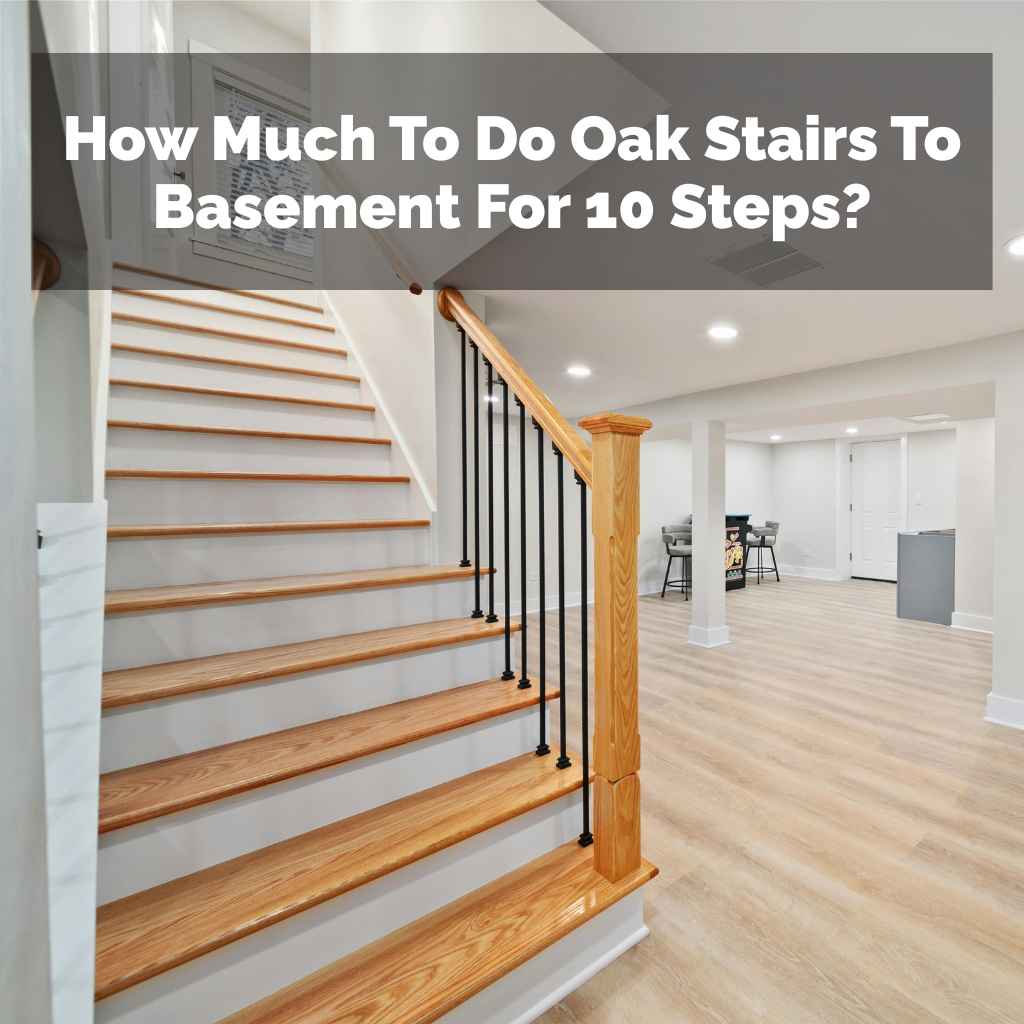
The typical cost to build 10 oak stairs to a basement can range from $3,000 to $7,000. This price includes materials, labor, and basic finishing. However, several factors can significantly shift this number higher or lower.
Understanding the Cost of Oak Basement Stairs
Building stairs is more than just wood. It’s about safety, style, and fitting the space. When you choose oak, you pick a strong, beautiful wood.
This choice adds to the overall price. For ten steps, you’re looking at a substantial structure. The total cost isn’t just the wood itself.
It involves skilled labor. It also includes things like the design and how complicated the installation is. We need to think about every part of the build.
Oak is a hardwood. This makes it durable and look good. But hardwoods cost more than softwoods.
The number of steps is a big clue. Ten steps mean a certain length and height. This dictates how much material is needed.
It also means more work for the builders. Getting to your basement should feel safe and look nice. So, the cost reflects these important needs.
Most people want a good price. But they also want quality work. Oak stairs offer both.
The price can vary a lot. It depends on where you live too. Labor costs differ by region.
Some areas have more demand for carpenters. This can drive prices up. It’s good to get a few quotes from local pros.
Factors That Affect the Price of 10 Oak Stairs
Many things play a part in the final bill for your oak basement stairs. It’s not just a single number. Let’s explore the main reasons why the price can change.
This will help you prepare your budget. It also helps you understand why one quote might be higher than another.
1. Type of Oak and Quality
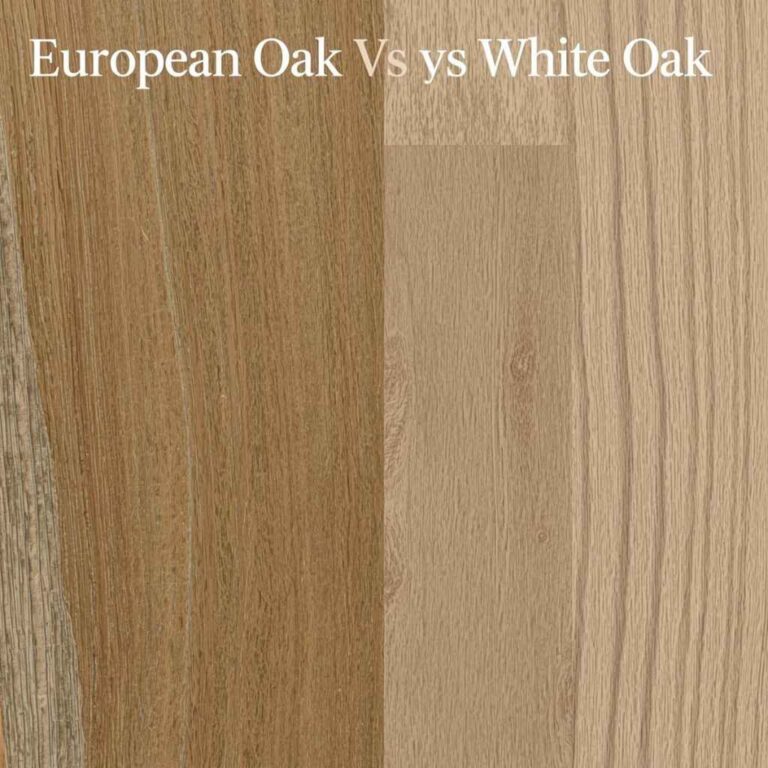
Not all oak is the same. There are different grades and species of oak. Red oak and white oak are common.
White oak is often a bit more expensive. It’s also harder and more resistant to moisture. This is a plus for basements.
The grade of the wood matters too. Clear, knot-free oak will cost more. Wood with a few knots can be cheaper.
But it might not have the sleek look some people want.
The finish also adds to the cost. Do you want a natural look? Or a stained finish?
Different stains and sealants have different prices. The number of coats needed affects labor time. High-quality finishes protect the wood better.
They also make the stairs look richer. Think about how you want the stairs to feel and look.
2. Stair Design and Complexity
A straight run of stairs is usually the cheapest. If you need a landing or turns, the cost goes up. Landing areas add more materials and labor.
Complex turns, like winder steps (steps that turn without a landing), are trickier. They require more skill to build safely. These designs take more time.
They also use more wood.
The style of the treads and risers matters. Treads are the part you step on. Risers are the vertical pieces between treads.
Simple, flat treads are standard. Some people want thicker treads. Others might want curved or profiled edges.
Risers can be solid or open. Open risers create a more airy look. But they can be more expensive to build.
3. Railing and Baluster Choices
Most basements stairs need a railing for safety. The material for the railing makes a big difference. A simple wooden handrail is common.
Oak handrails match the stairs. But metal or custom-designed railings can cost much more. The balusters (the vertical posts that support the handrail) also add cost.
Standard wooden balusters are affordable. Turned or carved balusters cost more. Wrought iron or custom metal balusters are the priciest.
The number of balusters needed depends on the length of the stairs. Each one needs to be installed securely. This all adds up.
Think about the overall look you want for your staircase. This includes the railing system.
4. Installation Labor and Expertise
The cost of labor is a huge part of stair building. Experienced carpenters charge more. But their skill ensures the stairs are safe and look great.
They know how to measure and cut precisely. They also understand building codes. This is very important for basement stairs.
A poorly built staircase can be dangerous. It can also cause structural issues.
The location of your home affects labor rates. Major cities often have higher costs. The complexity of the installation site matters too.
Is there enough space to work? Are there existing structures to work around? These things can increase the time and effort needed.
This leads to a higher labor cost. Getting multiple quotes helps you compare.
5. Finishing and Additional Features
Beyond the basic build, there are finishing touches. This includes sanding, staining, and sealing the wood. If you want a complex stain color, it might cost extra.
Some homeowners want under-stair storage. Building custom cabinets or doors there adds significant cost.
Lighting is another feature. Recessed lighting along the stairs or in the ceiling above can add to the budget. Some people want carpet runners on their oak stairs.
This is an extra cost for the carpet and its installation. Think about all the details you envision for your finished basement stairs.
Cost Breakdown: What’s Included?
When you get a quote, it usually covers several things. Here’s a general idea:
- Materials: All the lumber for treads, risers, stringers (the side supports), and railing components.
- Labor: The carpenter’s time for measuring, cutting, fitting, and assembling the stairs.
- Basic Finishing: Sanding and applying a standard sealant or stain.
- Hardware: Nails, screws, glue, and any necessary brackets.
Things like complex finishes, custom railings, or site prep are often extra.
My Own Experience with Basement Stairs
I remember when we first bought our house. The basement was unfinished. It had a rickety old pull-down ladder.
My husband, bless his heart, wanted to just build a basic wooden ladder. But I knew we planned to use that basement space for a home office. I really wanted proper stairs.
Something safe and that looked nice.
We got quotes for a simple pine staircase. They seemed okay, but I kept picturing something warmer, more inviting. My mind was set on oak.
I called a few carpenters who specialized in custom work. One guy, named Frank, came out. He had this friendly smile and really listened.
He looked at the tight space where the stairs would go.
He explained that because of the angle and the need for a small landing, it would be more involved. He showed me samples of different oak. He explained why white oak might be better for a basement.
It’s a little more resistant to dampness. The quote he gave me was higher than the pine. I felt a pang of sticker shock.
But then he talked about the durability. He showed me pictures of his past work. The stairs looked like they belonged in a magazine.
I took a deep breath and decided to go with Frank. It was one of the best decisions we made for our home. That little bit of extra cost really paid off in the end.
Material Spotlight: Oak Grades
Clear Grade Oak: Almost no knots or imperfections. Looks very uniform. Most expensive.
Select Grade Oak: Few small knots allowed. Still looks very clean.
Common Grade Oak: More knots and color variations. Usually cheaper but can look rustic.
Rustic or Knotty Oak: Intentionally has many knots and character marks. Cheaper and has a distinct look.
Real-World Context and Scenarios
Where you put your basement stairs matters. The layout of your house plays a big role. Often, stairs go down from a hallway or a main living area.
This means they need to look good. They should match the rest of your home’s style. If the stairs are hidden away in a utility room, you might not need as fancy a design.
But safety is always key.
Homeowners often decide to build basement stairs when they finish the basement. This is a common renovation. The goal is to make the basement feel like another floor.
Not just a dark, hard-to-reach space. The habits of the household also matter. If you have young children or elderly parents, sturdy handrails and non-slip treads are essential.
You might also consider stair gates.
The existing structure of your home is important. Is there enough headroom for the stairs? Do the stairs interfere with plumbing or wiring?
A good contractor will assess this. They will design the stairs to fit safely and legally. Building codes have specific rules for stair height, width, and slope.
Your installer must follow these rules. This ensures safety and avoids future problems.
Basement Stair Placement Ideas
Hallway Entry: Most common. Creates a natural transition. Requires good aesthetics.
Living Area Nook: Can save space. Might require more decorative design.
Utility Room Access: More functional. Aesthetics may be less critical.
Under Existing Stairs: Creative use of space. Often complex to design.
What This Means for You: Normal vs. Concerning
For 10 oak steps to your basement, a price range of $3,000 to $7,000 is common. This covers most standard installations. Anything much lower might mean cut corners on materials or labor quality.
Anything significantly higher could be for very high-end custom designs or difficult site conditions.
When it’s normal:
- The quote includes oak treads, risers, and basic railings.
- The installer is licensed and insured.
- They follow local building codes.
- The estimate is detailed, showing materials and labor costs.
- The warranty for the work is clear.
When to worry:
- Quotes are extremely low.
- The installer cannot provide references or proof of insurance.
- They avoid discussing building codes or permits.
- The estimate is vague with no breakdown of costs.
- Pressure to pay a large deposit upfront without a contract.
Simple checks can give you peace of mind. Ask for detailed proposals. Read reviews of contractors.
Check their licenses. Make sure the contract is clear before you sign. A well-built oak staircase is a great investment.
But it’s important to ensure you’re working with reputable professionals.
DIY vs. Professional: A Quick Look
DIY: Might save money on labor. Requires significant carpentry skill, tools, and time. High risk of errors that could be costly to fix.
Building codes must still be met.
Professional: Higher upfront cost. Ensures safety, code compliance, and a polished finish. Saves you time and stress.
Offers a warranty on work.
Quick Tips for Budgeting Your Oak Stairs
If you’re planning for 10 oak basement stairs, here are some tips to help you budget wisely. It’s all about being prepared and making smart choices. Don’t let the numbers scare you.
Planning is your best tool.
- Get Multiple Quotes: Aim for at least three written estimates from different contractors. Compare them carefully. Don’t just pick the lowest one. Look at what each quote includes.
- Be Specific About Your Needs: Know what kind of oak you want. Have a design in mind for the railing. Are you okay with a basic finish? The more details you provide, the more accurate your quotes will be.
- Factor in Hidden Costs: Consider permits, potential electrical work for lighting, and flooring at the top and bottom of the stairs. Sometimes, minor structural adjustments are needed.
- Ask About Payment Schedules: Reputable contractors often ask for a deposit. They might also have progress payments. Understand this schedule upfront.
- Consider Financing: If the cost is a stretch, explore home equity loans or personal loans. Get pre-approved so you know your budget.
Having clear expectations helps. You can then focus on finding the best value for your money. It’s about getting a safe, beautiful staircase that lasts for years.
Oak is a great choice for that goal.
Quick Scan Table: Estimated Cost Range
Here’s a simplified look at potential costs for 10 oak basement steps:
| Item | Basic Oak Stairs (10 Steps) | Mid-Range Oak Stairs (10 Steps) | High-End/Custom Oak Stairs (10 Steps) |
| Materials (Oak, basic railing) | $1,200 – $2,500 | $2,000 – $3,500 | $3,500 – $6,000+ |
| Labor (Installation, basic finish) | $1,500 – $3,000 | $2,500 – $4,000 | $4,000 – $7,000+ |
| Total Estimated Range | $2,700 – $5,500 | $4,500 – $7,500 | $7,500 – $13,000+ |
Note: These are estimates. Actual costs will vary based on location, specific choices, and contractor.
Frequently Asked Questions About Oak Basement Stairs
Is oak a good wood for basement stairs?
Yes, oak is a very good choice. It’s a hardwood, meaning it’s strong and durable. It holds up well to frequent use.
White oak is especially good for basements because it’s more resistant to moisture and rot than red oak. This is a key benefit in potentially damp environments.
Can I install oak basement stairs myself?
It’s possible, but very challenging. Building safe and code-compliant stairs requires significant carpentry skill, specialized tools, and a deep understanding of structural principles and local building codes. Most homeowners find it’s best to hire a professional to ensure safety and quality.
How much longer does oak cost than pine for stairs?
Oak is typically more expensive than pine. You can expect oak to cost anywhere from 30% to 70% more than pine for the same staircase. This is due to oak being a denser, harder, and more premium wood.
What are the essential building codes for basement stairs?
Building codes vary by location. Common requirements include minimum tread depth, maximum riser height, minimum headroom clearance (usually 6 feet 8 inches), and railing height. Stair width also has minimums.
It is crucial to check with your local building department.
How long does it take to build 10 oak basement stairs?
For a professional, installing 10 oak steps can take anywhere from 2 to 5 days. This includes site preparation, building the stairs, and initial finishing. Complex designs or difficult site conditions can extend this time.
Should I use carpet or leave oak treads bare?
Both have pros and cons. Bare oak looks beautiful and shows off the wood grain. However, it can be slippery and prone to scratches.
Carpet runners add warmth, cushioning, and traction. They can also protect the oak from wear. The choice depends on your preference for style, comfort, and maintenance.
Final Thoughts on Your Oak Basement Stair Project
Adding 10 oak stairs to your basement is a significant home improvement. It can transform how you use your lower level. While the cost can seem high, remember it’s an investment in safety, function, and beauty.
Oak is a classic choice that adds value to your home.
By understanding the factors influencing the price and planning carefully, you can achieve your goal. Focus on quality and safety. You’ll end up with stairs you’ll be proud of for years to come.
Sponsored / affiliate links. As an Amazon Associate I earn from qualifying purchases. I may earn additional commission from eligible campaigns.