Average Cost to Refinish Wood Floors (2026 Price Breakdown)
Refinishing wood floors costs $3 to $8 per square foot for a full sand-stain-finish job, or $1,101 to $2,681 for an average whole-room project — but a screen-and-recoat refresh runs just $1.50 to $3.50 per square foot if the wood itself isn’t damaged. Skipping that distinction is the #1 way homeowners overpay. This guide breaks down real 2026 pricing by method, what drives the cost up or down, and when refinishing beats replacing.
Quick Answer
A full sand-and-refinish costs $3–$8 per square foot ($1,101–$2,681 average per HomeAdvisor project data), while a screen-and-recoat refresh costs $1.50–$3.50 per square foot when the finish is worn but the wood underneath is intact. DIY sanding equipment rental runs $150–$250 for a one-day job, roughly 60–70% less than hiring a pro.
Average Cost to Refinish Wood Floors by Method
Best Floor Finish Pick
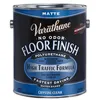
Rust-Oleum Varathane Water-Based Interior Floor Polyurethane (1 Gal)
Low-odor, fast-drying topcoat that covers roughly 400–500 sq ft per gallon at two coats — the standard choice for DIY refinishing jobs.
- Best for: DIY refinishers wanting a clear, non-yellowing topcoat
- Why we picked it: 2-hour recoat time lets you finish a room in a weekend instead of a week
- Main drawback: water-based coats show lap marks more easily than oil if you rush the application
Compare more finish options
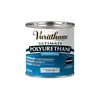 Budget Pick Varathane Water-Based Satin Polyurethane (Quart)
|
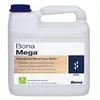 Pro-Grade Pick Bona Mega Wood Floor Finish, Satin (1 Gal)
|
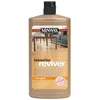 Recoat Pick Minwax Hardwood Floor Reviver, Low Gloss (Quart)
|
As an Amazon Associate we earn from qualifying purchases.
Not every worn floor needs full sanding. The method you actually need — not the one a contractor upsells you into — is what determines your real cost.
| Method | Cost Per Sq Ft | What It Involves | Best For |
|---|---|---|---|
| Screen & recoat | $1.50 – $3.50 | Light buffing of the existing finish, 1–2 fresh polyurethane coats — no sanding to bare wood | Worn finish, sound wood, no deep scratches |
| Light sand & refinish | $4.00 – $4.75 | Minor surface wear, single fine-grit sanding pass | Light traffic wear, small scratches |
| Standard sand & refinish | $4.75 – $6.00 | Full sand to bare wood, stain (optional), 2–3 finish coats | Moderate wear, color change |
| Heavy sand + repairs | $6.00 – $8.50+ | Deep sanding, board replacement, gap filling before finishing | Water damage, deep gouges, structural repairs |
| Dustless refinishing | $5.00 – $8.00 | Same sanding process with a containment/vacuum system | Occupied homes, allergy concerns |
For a typical 200–300 sq ft room, that works out to roughly $600–$2,000 depending on method and condition. A full 1,000 sq ft home can run $3,000–$8,000 at standard sand-and-refinish pricing — which is why most homeowners refinish room by room rather than the whole house at once.
Signs Your Floors Need Full Refinishing (Not Just a Recoat)
A screen-and-recoat only refreshes the topcoat — it will not fix anything that has broken through to bare wood. Before you pay for either service, check which category your floor is actually in.
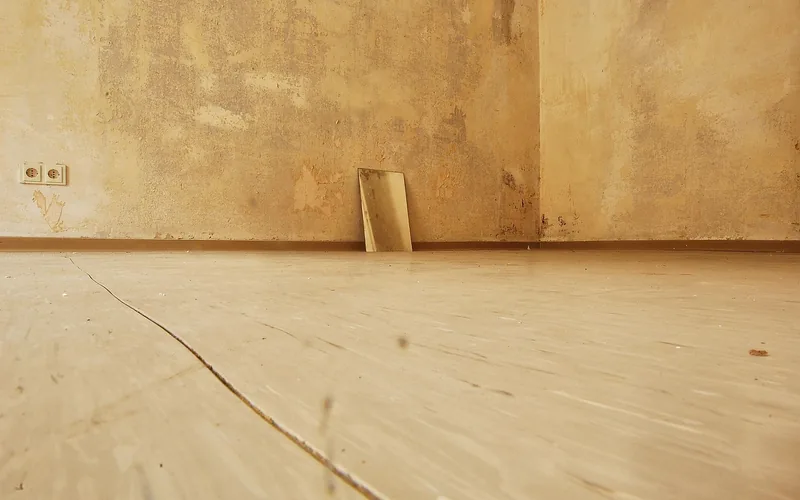
- Water-drop test fails: if a few drops of water soak in and darken the wood within 10 minutes instead of beading up, the protective finish is gone and you need at least a recoat.
- Gray or bare wood patches: high-traffic paths (hallways, in front of the sink) that have worn through to raw wood need sanding — a recoat will just seal in the discoloration.
- Deep scratches you can catch a fingernail on: these go past the finish into the wood fibers and won’t buff out.
- Cupping, crowning, or gaps between boards: signals a moisture issue that needs to be resolved before any refinishing, or the new finish will fail within a year.
- Uneven color from old repairs or pet stains: only sanding removes stained wood fibers; a recoat locks the stain in permanently.
If none of these apply and the floor just looks dull, a screen-and-recoat refresh is the cheaper, correct call.
What Actually Drives Your Refinishing Cost Up or Down
Two rooms of the same square footage can come back with quotes that differ by hundreds of dollars. These are the variables that explain why.
Wood Species and Existing Finish
Denser woods like maple, hickory, and mahogany take longer to sand evenly and dull sandpaper faster, pushing labor toward the top of the per-square-foot range. Floors with a previous oil-based finish or multiple recoat layers also need more sanding passes to get to bare wood than a floor with a single water-based coat.
Finish Type: Oil-Based vs. Water-Based Polyurethane
Oil-based polyurethane costs less per gallon but needs longer dry time between coats (8–24 hours) and off-gasses strong fumes, which can add labor days if you need the house occupied sooner. Water-based polyurethane dries in 2–4 hours, has almost no odor, and stays clearer over time instead of yellowing — but it typically costs 20–30% more per gallon and requires a slightly more careful application to avoid lap marks.
Room Size and Floor Layout
Per-square-foot pricing drops slightly on larger, open rooms since setup and equipment costs spread across more area. Cutting the job into multiple small rooms, closets, and closets-within-closets raises the effective per-square-foot cost because each room needs its own edging, taping, and drying time.
Repairs Needed Before Finishing
Board replacement, gap filling, and squeak repair are usually billed separately from the per-square-foot refinishing rate — expect $3 to $10 per linear foot for board replacement, on top of the base sanding cost. If you’re also dealing with loose boards, fix those first; see our guide on fixing squeaky wood floors before you schedule sanding.
DIY vs. Professional Refinishing: Real Cost Comparison
Doing it yourself doesn’t just save the labor markup — it changes which costs you’re paying for entirely. Here’s what each route actually costs for a typical 250 sq ft room.
| Cost Item | DIY | Professional |
|---|---|---|
| Drum sander rental (1 day) | $60 – $100 | Included in labor |
| Edger rental (1 day) | $35 – $55 | Included in labor |
| Sandpaper, stain, finish, supplies | $150 – $250 total | Included in labor |
| Labor | $0 (your time — typically 2–3 full days) | $3 – $7 per sq ft |
| Total for 250 sq ft room | roughly $250 – $450 | roughly $1,000 – $1,750 |
The DIY math looks attractive, but a drum sander removes wood fast and unevenly in inexperienced hands — a gouge that goes too deep can mean replacing an entire board. If this is your first time, practice technique on our full step-by-step wood floor refinishing guide before renting equipment, and consider hiring a pro for any room with hardwood you can’t afford to damage.
Cost to Refinish Stairs
Stairs cost more per square foot than flat flooring because each step, riser, and nosing has to be sanded and finished individually by hand in tight corners — a drum sander can’t reach most of a staircase. Budget $25 to $85 per step, which typically pushes a 13-step staircase to $325–$1,105 on top of any adjoining room’s refinishing cost.
Is It Cheaper to Refinish or Replace Wood Floors?
Replacing hardwood flooring costs $2,500 to $6,800 on average — roughly two to three times what refinishing costs for the same square footage. Refinishing only makes sense if the existing wood is at least 3/4-inch solid hardwood with enough wear layer left; engineered flooring with a thin veneer often can’t be sanded more than once or twice. Check our guide on how many times you can refinish wood floors to confirm your floor has enough material left before you pay for another sanding pass.
How to Lower Your Refinishing Cost
- Get a recoat instead of a full sand if your floor passes the fingernail-scratch and water-drop tests above — this alone can cut your cost by 60–70%.
- Move furniture yourself. Furniture moving and storage is a common add-on fee that can run $200–$500 for a full house; most contractors will waive it if the rooms are already cleared.
- Bundle multiple rooms into one visit to spread the contractor’s setup and equipment transport cost across more square footage.
- Ask for water-based finish pricing separately. Some contractors quote oil-based by default because it’s cheaper for them to buy — ask for both prices before deciding.
- Schedule in the contractor’s slow season (typically late fall and winter in most regions) when pricing has more room to negotiate.
Frequently Asked Questions
How much does it cost to refinish 1,000 square feet of hardwood floors?
At standard sand-and-refinish pricing of $4.75 to $6.00 per square foot, 1,000 square feet runs roughly $4,750 to $6,000. Choosing screen-and-recoat instead, if your finish qualifies, drops that to $1,500–$3,500.
Does refinishing wood floors increase home value?
Yes. Refinished hardwood is consistently cited by real estate agents as one of the higher-return renovations because most buyers view worn or dated floors as an immediate red flag during a walkthrough, while restored hardwood reads as move-in ready.
How long does refinishing 1,000 square feet take?
Plan on 3 to 5 days for sanding, staining, and 2–3 finish coats with proper dry time between each, plus 24–72 hours before furniture goes back and up to 2 weeks before rugs are placed, since the finish continues curing after it feels dry to the touch.
Can you refinish wood floors without sanding?
Yes, if the wood itself is undamaged and only the topcoat is worn — a screen-and-recoat lightly abrades the existing finish and applies 1–2 fresh polyurethane coats without removing wood. It will not fix deep scratches, stains that have soaked into the wood, or bare patches.
What is the price per square foot to refinish hardwood floors?
$3 to $8 per square foot for a full sand-and-refinish, with the exact number depending on wood species, existing finish type, and how much repair work is needed before sanding. Screen-and-recoat runs $1.50 to $3.50 per square foot.
Getting a quote in writing that specifies the method (screen-and-recoat vs. full sand), finish type, and number of coats is the single best way to avoid a surprise bill — and to make sure you’re not paying full-refinish pricing for a job that only needed a recoat.
Sponsored / affiliate links. As an Amazon Associate I earn from qualifying purchases. I may earn additional commission from eligible campaigns.