Best Woods for a Pellet Smoker in 2026: we compared
The best wood for a pellet smoker is 100% hardwood pellets matched to your cook: oak or hickory for most foods, fruitwood for mild smoke, and mesquite only for short, bold cooks. Pick by smoke strength and burn consistency, not by bag claims. Wrong pellets can leave bitter flavor, weak bark, excessive ash, and uneven heat. This guide shows how to pick pellets by wood type, smoke level, and cook style.
This guide is part of our Wood burning guide: tools, techniques, and safety series.

Quick picks
Start with the pellet that fits the job. The right bag depends more on smoke strength, base wood, and cook length than on a logo on the label.
- Best all-around pick: Lumber Jack Competition Blend, for balanced smoke on mixed cooks.
- Best pick for brisket and long cooks: Oak-leaning or post oak-style pellets with a clean burn and steady heat.
- Best budget daily-driver option: Pit Boss Competition Blend, especially if you buy at mass retail.
- Best pick for stronger fruitwood flavor: CookinPellets Perfect Mix, for a fruit-leaning profile with more depth than a single mild wood.
| Pellet type | Cooking goal | Smoke intensity | Burn cleanliness | Ash tendency | Best meat pairings | When to avoid this pellet |
|---|---|---|---|---|---|---|
| Oak or post oak-heavy blend | Brisket, pork shoulder, all-day smoke | Medium to strong | Usually very steady | Low to moderate | Brisket, beef ribs, pork butt | Avoid for delicate fish if you want very light smoke |
| Fruitwood blend | Mixed cooks, ribs, chicken, salmon | Mild to medium | Usually steady if the bag is dry | Low to moderate | Ribs, pork loin, salmon, chicken | Avoid when you need a more aggressive brisket profile |
| Single-species hickory | Bold barbecue flavor | Medium to strong | Can be clean, but varies by brand | Moderate | Ribs, pork shoulder, beef | Avoid on short cooks if you do not want a heavy smoke note |
| Single-species cherry | Color and sweet smoke | Mild to medium | Usually clean | Low | Chicken, pork, salmon | Avoid if you want deep smoke for brisket |
| Budget competition blend | Daily grilling and weeknight smoke | Mild to medium | Can be good, but bag-to-bag variation matters | Moderate | Chicken, ribs, burgers, chops | Avoid for long brisket cooks if consistency is your top priority |
How we chose the best pellets
The best pellets are not the loudest on the bag. They are the ones that fit the cook, hold temperature, and leave ash you can manage without constant cleanup.
Smoke intensity and flavor profile
Pellets should give enough smoke for the meat, but not so much that the flavor turns harsh. Hickory and oak sit in the middle to stronger range, fruitwoods run milder, and mesquite works best when you want a fast, bold smoke note.
Burn cleanliness and ash output
Smoke flavor and burn quality are different things. A pellet can taste strong and still burn dirty, or taste mild and burn clean; for long cooks, that difference affects firepot maintenance and temperature stability.
Base wood and blend structure
Oak and alder often appear as base woods because they help stabilize burn rate. That matters when you need even heat for a long brisket cook or a busy weekend of mixed foods.
Bag size, value, and availability
Bag size affects how often you buy, how many pellets you store, and whether you can keep the same blend on hand. The Pit Boss option is useful because it is sold in 20- and 40-pound bags and is commonly found at mass retail.
Warranty and fuel compatibility
Most pellet grills are designed for food-grade hardwood pellets, not stove or heating pellets. Third-party pellets are generally allowed, but damage caused by bad fuel can still be excluded by the grill maker’s warranty terms.
What do pellet labels actually tell you?
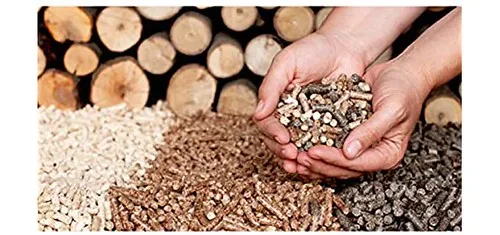
Pellet labels tell you the broad wood family, not always the exact mix. A bag marked “100% hardwood” suggests the pellets are made from hardwood feedstock, but it does not confirm a single species or an exact wood mix inside the blend.
What “100% hardwood” does and does not mean
“100% hardwood” generally means no artificial flavors and no petrochemicals, but the pellet may still use an oak or alder base wood. It may also include a smaller amount of a named flavor wood, so the label does not guarantee a pure single-species pellet.
Why oak and alder often appear as base woods
Oak and alder are common because they burn evenly and help pellet grills hold temperature. Pelletly notes that base wood is often oak or alder depending on region, while the named flavor wood may be the minority fraction.
Why label wording does not reveal the exact blend ratio
Two bags can both say hardwood and still smoke differently because makers usually do not publish blend ratios. That is why one “fruitwood” pellet can taste mild while another tastes more assertive, even when the front of the bag sounds similar.
A common first-timer mistake is buying any bag labeled hardwood and expecting the same result every time. Suppose you cook a 12-pound brisket at 250°F with a pellet that uses more alder than oak; the burn may stay steady, but the smoke can read softer than you wanted, especially in the first hours.
Lumber Jack Competition Blend: best all-around smoke
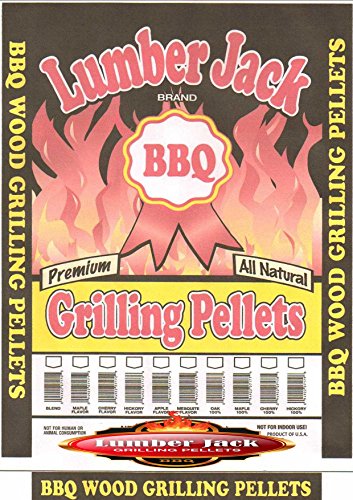
Lumber Jack Competition Blend is a strong all-around option for cooks who want balance. It is described as red oak and apple wood, and that mix fits mixed cooks where you want more smoke than a mild fruit pellet without pushing into heavy, bitter territory.
This blend makes sense for ribs, chicken, pork shoulder, and other foods that benefit from a readable but controlled smoke profile. Lumber Jack pellets are also known for using bark in manufacturing to increase smoke flavor, which helps explain why the blend can read more assertive than a plain fruitwood pellet.
The drawback is that more smoke is not always better. If you are cooking salmon or a very short hot-and-fast meal, this blend may be more smoke than you need, and the red oak side can overshadow delicate seasoning.
CookinPellets Perfect Mix: best for flavor variety

CookinPellets Perfect Mix is for buyers who want a wider flavor blend with a clear spec. The blend is described as including hickory, cherry, hard maple, and apple, and as containing no bark, filler woods, or added flavor oils.
That structure suits cooks who want a fuller smoke profile without relying on oak fillers. It can work well for mixed barbecue, especially when you want one bag to cover pork, poultry, vegetables, and moderate beef cooks.
The drawback is that a mixed fruit-and-hardwood blend is not the same as a brisket-first pellet. If you want a strict oak or post oak profile for an all-day brisket session, this is more of a versatile flavor blend than a pure beef pellet.
Pit Boss Competition Blend: best budget daily driver

Pit Boss Competition Blend fits buyers who want a budget daily-driver pellet and easy access at mass retail. It is sold in more than one bag size, which can help you choose one that matches how often you cook.
This type of pellet makes sense for weeknight grilling, general smoking, and backup fuel storage. The value comes from practicality: if you need a pellet that is easy to find and good enough for routine cooks, the Pit Boss route often fits that role.
The drawback is that budget blends can be less predictable from bag to bag than tighter, more focused blends. For a long brisket cook, that inconsistency matters more than it would on burgers or chicken thighs.
What is the best wood for a pellet smoker?
The best wood for a pellet smoker depends on the cook, but oak is the safest all-around answer and hickory is the strongest common step up. Fruitwoods such as cherry and apple are better for lighter smoke, while mesquite suits short, bold cooks and can overpower delicate food quickly.
For everyday use, oak and oak-based blends are the most forgiving because they burn consistently and pair with a wide range of meats. If you want one bag that covers many recipes, start there.
What are the best pellets for a pellet smoker?
The best pellets for a pellet smoker are food-grade hardwood pellets that match your target smoke level and cook time. For most buyers, that means a balanced blend for mixed cooks, an oak-heavy pellet for long barbecue, and a fruitwood pellet for salmon, pork, and lighter poultry.
Do not shop by “smoke” claims alone. A pellet’s base wood, ash output, and bag consistency matter just as much as flavor wording.
What wood pellets make the most smoke?
Pellets that make the most noticeable smoke are usually stronger woods such as hickory, mesquite, and some bark-containing blends. Even then, pellet grills generally smoke less aggressively than stick burners, so “more smoke” still means moderate smoke rather than heavy white smoke.
If you want stronger smoke, look for oak-plus-hickory or oak-plus-cherry blends before jumping straight to mesquite. That keeps the smoke readable without turning the food harsh.
What is the best wood pellets for smoking brisket?
The best pellets for brisket usually emphasize oak or post oak because brisket needs a steady, clean burn and a smoke flavor that can carry through a long cook. Hickory can work too, but the cleanest brisket profiles are usually oak-forward rather than fruitwood-heavy.
For brisket, choose a pellet that stays stable at low-and-slow temperatures and does not collapse into excess ash. That matters more over a long cook than a slightly sweeter flavor note.
Say your brisket goes on at 250°F with a pellet that burns inconsistently. The firepot fills faster, temp swings increase, and the bark can suffer before the flat reaches tenderness.
What is the best wood pellets for smoking ribs?
The best pellets for ribs are usually fruitwood blends or balanced competition blends. Cherry, apple, or a cherry-forward mix gives ribs a sweeter smoke profile that fits pork well without overpowering rub or sauce.
If you like a stronger barbecue edge, hickory or a mixed blend with hickory and fruitwood works well. For baby backs, a milder fruitwood is often the safer choice.
What is the best wood pellets for smoking salmon?
The best pellets for salmon are mild fruitwoods such as apple or cherry, or a light fruit blend. Salmon absorbs smoke quickly, so a softer pellet helps protect the fish from becoming bitter or overly woody.
Skip strong oak-heavy or mesquite-heavy pellets unless you are cooking a very small amount and want a bolder result. For most salmon cooks, mild wins.
Can you use wood in a pellet smoker?
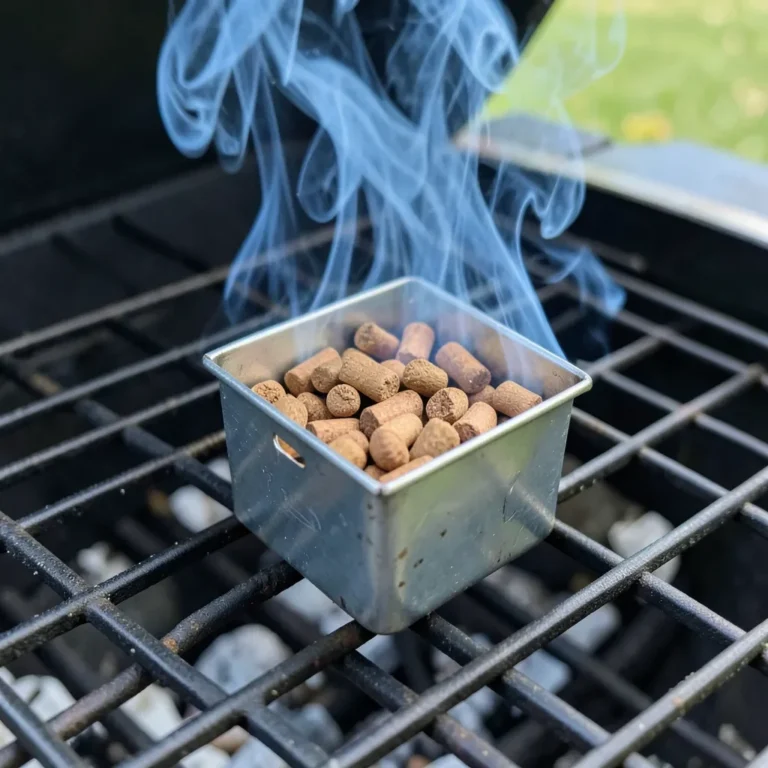
You can use wood in a pellet smoker only in pellet form, as food-grade hardwood pellets designed for that appliance. Do not use stove or heating pellets, and do not use loose chunks or splits in a hopper made for compressed pellets.
That is also where warranty language matters. Third-party food-grade pellets are generally allowed, but damage from unsuitable fuel can still be excluded if the grill maker says the fuel caused the problem.
Which pellet should you buy for your cook?
Choose brisket pellets by burn consistency first, then by smoke intensity. Choose ribs and pork by flavor balance. Choose salmon by mildness. Choose your weeknight pellet by availability and ash control, because a bag that is easy to replace often beats a bag with slightly better marketing.
- For brisket: Buy oak-forward pellets or a brisket-friendly competition blend with a clean burn.
- For ribs and pork shoulder: Choose cherry, apple, or a balanced blend such as Lumber Jack Competition Blend.
- For salmon: Use a mild fruitwood pellet, especially apple or cherry.
- For regular weeknight grilling: Pick a budget-friendly, easy-to-find blend such as Pit Boss Competition Blend.
- For the cleanest burn and least ash: Look for no-bark, low-moisture pellets with a tighter ingredient list.
Another common first-timer mistake is buying the heaviest smoke pellet for every cook. Suppose you are grilling salmon at 325°F for 20 minutes; a strong hickory bag can leave the fish tasting sharp, while a milder cherry or apple pellet gives you more control.
Frequently asked questions
what is the best wood pellets for smoking
The best wood pellets for smoking are 100% hardwood pellets matched to the cook. Oak is the safest all-around choice, hickory gives stronger smoke, and fruitwoods such as apple and cherry fit lighter foods. The best bag is the one that balances flavor, ash, and temperature stability.
Sponsored / affiliate links. As an Amazon Associate I earn from qualifying purchases. I may earn additional commission from eligible campaigns.