Can Spray Paint Dry In Cold Weather? Tips That Work
Spray paint’s ability to dry in cold weather is limited. Colder temperatures slow down the evaporation of solvents. This makes the paint take much longer to cure. In some cases, it may never cure properly. Extreme cold can cause paint to crack or become brittle. It’s generally best to paint when temperatures are between 50°F and 85°F.
Understanding How Spray Paint Dries
Spray paint seems simple. You shake the can. You press the nozzle.
A fine mist comes out. It lands on your surface. Then it dries.
But there’s a little more to it. The paint itself is a mix. It has pigment for color.
It has binders to hold it together. It also has solvents. These are liquids that keep the paint thin.
This lets it spray from the can. It also helps it spread smoothly.
When you spray paint, these solvents start to evaporate. They turn into a gas. This happens quickly at first.
As the solvents leave, the binders and pigments get closer. They form a solid film. This film is your paint coat.
The air around the paint needs to be warm enough. It also needs to be dry enough. This helps the solvents leave.
It helps the paint film form.
What Cold Weather Does to Spray Paint
Cold weather is like a brake for this drying process. The colder it is, the slower the solvents evaporate. Think of it like trying to boil water.
It takes longer when it’s cold outside. The same idea applies to paint. The solvents just don’t want to turn into gas as fast.
This means the paint stays wet for much longer.
This long drying time can cause problems. The paint can run or sag. This happens if it stays wet too long.
It might not stick well. It can also pick up dust or debris. This ruins the smooth finish you want.
In really cold conditions, the paint itself can freeze. This can damage the paint. It can make it unusable.
Or it might dry in a strange way. You could see cracks.
Humidity plays a big role too. Even if it’s not freezing, if it’s damp, drying slows. This is because water vapor is in the air.
It gets in the way of the solvents. This is called “blushing.” The paint can look cloudy or white. This is more common in humid, cool conditions.
Personal Experience: The Day I Ignored the Forecast
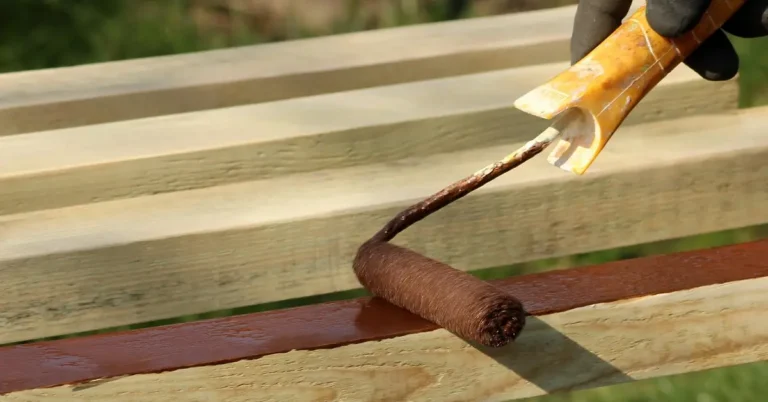
I remember this one time distinctly. It was late fall. I had a small wooden bench I wanted to paint.
It was a deep blue color. I was excited to finish it. The forecast said it would be chilly.
But it wasn’t freezing. It was maybe in the low 40s. I thought, “Ah, it’ll be fine.
I’ll just do it quickly.” Famous last words, right?
I set up the bench outside. I gave the can a good shake. I started spraying.
The paint went on okay. It didn’t look too bad at first. But as I worked, I noticed something.
The paint seemed to be settling strangely. It wasn’t the smooth, even coat I expected. It looked a bit dull.
I pushed through, thinking it would all even out.
The next morning, I went to check on it. Oh, the horror. The paint was still tacky.
Not just a little sticky. It was actually wet in places. And it looked terrible.
There were drips. There were areas that looked dull and uneven. Some spots had collected leaves and dirt.
It was a mess. I had to scrape it all off. Then I had to start over.
That day taught me a valuable lesson. Always check the weather. And respect its power over paint.
Cold Weather Paint Myths vs. Reality
Myth:
Spray paint will dry eventually, no matter the temperature.
Reality:
Extreme cold prevents proper curing. It can lead to paint failure.
Myth:
A little bit of wind helps paint dry faster in the cold.
Reality:
Wind can help evaporation, but if it’s too cold, the effect is minimal. It can also blow dust onto wet paint.
Factors Affecting Drying Time
It’s not just the temperature outside. Several things affect how fast your spray paint dries. Knowing these helps you plan better.
You can make smarter choices. You can avoid surprises. Here are the main factors:
Temperature is the biggest one. We’ve talked about this. Warmer air speeds things up.
Colder air slows them down. Different paints have different ideal ranges. Always check the can.
Humidity is the next big player. High humidity means more water vapor in the air. This slows solvent evaporation.
It can also cause blushing. Low humidity helps paint dry faster. But very dry air can sometimes cause other issues.
Like static cling of dust.
Airflow matters a lot. Good airflow helps the solvents escape. It carries them away from the painted surface.
This is why painting in a breezy spot can help. But too much wind can be bad. Especially if it’s cold and blows dust.
Paint Thickness is key. If you put on a very thick coat, it takes longer to dry. This is because there are more solvents.
They have further to travel to escape. Thin, even coats are best. They dry faster and look smoother.
Surface Type can have an effect. Some surfaces absorb solvents. This can help paint dry faster.
Others are non-porous. They don’t absorb much. Paint on these might take longer to cure fully.
Think about wood versus metal.
Type of Spray Paint itself makes a difference. Some paints use faster-evaporating solvents. Others use slower ones.
For example, lacquer-based paints dry faster than oil-based ones. Always read the label.
The Ideal Painting Conditions
If you want the best results, aim for ideal conditions. This is where paint behaves as the manufacturer expects. The perfect day for spray painting often includes:
Moderate Temperature: Most spray paints do best between 50°F and 85°F (10°C to 29°C). Some specialized paints might have slightly different ranges. Always check the can’s instructions.
Never paint if temperatures are near freezing or are too hot.
Low Humidity: Aim for humidity levels below 60%. High humidity makes paint dry slowly. It can also lead to blushing.
A dry day is much better than a damp one.
Good Airflow: A gentle breeze is good. It helps move evaporated solvents away. It brings fresh air to the surface.
Avoid strong winds. They can blow debris onto your wet paint. They can also make the paint dry too fast on the surface.
Indirect Sunlight: Direct sun can make the surface very hot. This can cause the paint to dry too quickly on top. This traps solvents underneath.
It can cause cracking or peeling later. A shaded area is often better.
Temperature Ranges for Spray Paint
General Rule: 50°F to 85°F (10°C to 29°C)
Below 50°F: Drying significantly slows. Risk of paint failure increases.
Below 32°F (0°C): Painting is generally not recommended. Risk of freezing and damage is high.
Above 85°F: Paint can dry too fast on the surface. Risk of cracking or poor adhesion.
Tips for Spray Painting in Cold Weather
So, what if you have to paint when it’s cold? Or if the weather turns unexpectedly? Don’t despair.
You can still get a decent finish. It just takes a bit more care. And some smart tricks.
These tips are based on what works in real homes.
1. Check the Can: This is the most important first step. Look for any temperature recommendations.
Some paints are formulated for cooler temps. Others are not. If the can says “Do not use below 50°F,” listen to it.
2. Bring the Cans Inside: Paint cans should be stored in a warm place. Like your house or a heated garage.
Never leave them out in the cold. Cold cans don’t spray well. The paint inside is too thick.
3. Warm the Cans Safely: Never use a direct heat source. No open flames!
A warm water bath is the safest way. Fill a bucket with warm, not hot, water. Submerge the cans for about 10-15 minutes.
Test the temperature. It should feel warm to the touch, not hot.
4. Choose the Right Paint: Some paint types handle cold better. Lacquer-based paints often dry faster.
This can be a plus in cooler weather. Look for “all-weather” or “cold-weather” spray paints. These are designed to work in a wider temperature range.
5. Pick Your Location Wisely: Find the warmest, most sheltered spot possible. An attached garage with the door open might work.
Or a covered porch that gets some sun. Avoid windy spots. Wind can chill the surface and the paint.
6. Prepare the Surface Properly: Make sure the surface is completely clean and dry. Cold, damp surfaces are bad for adhesion.
Even a thin film of moisture can cause problems. Use a clean cloth to wipe it down.
7. Apply Thin Coats: This is crucial in cooler temps. Apply very light, thin coats.
This allows the solvents to evaporate more easily. It prevents the paint from staying wet for too long. You’ll need more coats.
But each coat will dry faster.
8. Increase Drying Time Between Coats: Be patient. The recoat time will be much longer than usual.
The can might say “recoat in 10 minutes.” In the cold, it could be an hour or more. Wait until the coat is dry to the touch before applying the next. Test a small, inconspicuous area if you’re unsure.
9. Consider a Paint Heater (for larger projects): If you’re doing a big job, like painting furniture, look into portable paint heaters. These can create a small warm zone.
They help the paint dry properly. This is more advanced and usually for professionals.
10. Protect Your Work: Once painted, try to protect the item from the cold and moisture. Move it indoors if possible.
Or cover it loosely with a breathable drop cloth. Avoid plastic sheeting. It traps moisture.
Quick Scan: Cold Weather Spray Painting Checklist
| Step | Action |
|---|---|
| Check Can | Read temperature limits. |
| Warm Cans | Use warm water bath. |
| Choose Paint | Opt for faster-drying types if possible. |
| Location | Find warmest, sheltered spot. |
| Surface Prep | Ensure it’s clean and dry. |
| Apply Coats | Apply thin, even coats. |
| Wait Between Coats | Be patient. Allow ample drying time. |
| Protect Work | Move indoors or cover loosely. |
What Happens If Paint Doesn’t Dry Properly?
If spray paint doesn’t dry like it should, you’ll see signs. These are usually pretty obvious. But sometimes they’re subtle at first.
It’s good to know what to look for.
Tackiness: The paint stays sticky. It feels like tape residue. You can press your finger into it.
This is the most common sign. It means solvents are still trapped.
Sagging or Runs: If the paint is too wet, gravity pulls it down. You’ll see drips or lines where the paint has slid. This often happens on vertical surfaces.
Cracking or Peeling: This can happen as the paint film forms unevenly. The outer layer dries too fast. It shrinks.
This pulls on the wet layer underneath. It causes cracks. Eventually, it can peel away.
Blushing: The paint looks cloudy or milky. This is usually due to high humidity. Moisture gets trapped in the wet paint.
It scatters light.
Poor Adhesion: The paint might look dry. But it’s not bonded well to the surface. If you try to scratch it, it can come off easily.
This is a long-term problem.
Loss of Gloss: Even if the paint cures okay, cold weather can affect the final look. It might not be as shiny as it should be. The surface might look dull.
If you see these issues, don’t panic. Sometimes, you can fix them. If the paint is just slightly tacky, give it more time.
Move it to a warmer spot. If it’s badly sagged or cracked, you might need to scrape it off. Then repaint when the weather is better.
Real-World Context: Painting Different Surfaces in the Cold
The material you’re painting matters. Different surfaces react differently to cold and paint. This can impact your success.
Metal: Metal gets cold very quickly. It also loses heat fast. This means metal surfaces can be much colder than the air.
They need more time to warm up. Make sure metal is completely dry. Condensation can form on cold metal.
Wood: Wood is a bit more forgiving. It doesn’t get as bitterly cold as metal. However, wood can absorb moisture.
If it’s damp outside, the wood will be too. This will hinder paint drying. Always let wood dry out if it’s been exposed to rain or dew.
Plastic: Plastic is similar to metal. It can get very cold. Some plastics are also very smooth.
This can make paint adhesion tricky. Always use a primer for plastic. And ensure it’s completely dry before painting.
Ceramics/Glass: These are non-porous. They don’t absorb solvents. Paint on these surfaces relies solely on evaporation.
Cold weather will significantly slow this down. Make sure these items are at room temperature before painting.
Observation: My Garage Project Woes
I once tried painting some metal shelving units in my garage. It was late November. The garage itself wasn’t heated.
It was maybe 45°F in there. I warmed the cans. I thought I was doing everything right.
I put on a couple of thin coats. But the paint took days to feel truly dry. It was still a bit soft.
I ended up waiting another week before I could stack things on them. Lesson learned: unheated garages are still cold!
When Is It Too Cold to Spray Paint?
There’s a line. A point where trying to paint is just a waste of time and effort. When is that line?
It’s generally when the temperature drops below 50°F (10°C).
Below 50°F: You’re pushing it. Drying times will be very long. The finish might suffer.
You might see tackiness or poor adhesion later.
Below 40°F: It’s getting risky. The solvents evaporate very slowly. The paint film may not form correctly.
You’ll likely get a poor finish. And potential long-term issues.
Below 32°F (Freezing): This is a definite no-go. The liquid in the paint can freeze. This can ruin the paint.
It can damage the can itself. And the frozen paint will not apply or dry properly. It will likely be unusable.
Always err on the side of caution. If you’re unsure, it’s probably too cold. Waiting for warmer weather is the best strategy.
Patience pays off with a good paint job.
What This Means For You: Planning Your Projects
Knowing all this changes how you approach spray painting. Especially if you live somewhere with cool seasons.
Normal Conditions: If it’s warm and dry, you can paint with confidence. Follow the can’s instructions. You’ll get a good result.
Your paint will dry as expected.
Slightly Cool Conditions: If it’s cool but above 50°F, you can still paint. Just be prepared for longer drying times. Apply thin coats.
Be patient between them. Protect the item from frost overnight. It will likely turn out fine.
Cold or Damp Conditions: If it’s below 50°F or very humid, think twice. Can you wait? Is there a warmer, indoor space?
If you must paint, use the tips we discussed. Warm the cans. Use thin coats.
Be ready for it to take much longer. You might need to touch it up later.
Freezing Conditions: Absolutely do not paint. Store your cans indoors. Wait for a warmer day.
It’s not worth the risk.
The key is planning. Look at the forecast. Consider the materials.
And decide if it’s the right day. Most of the time, waiting is the best solution for a perfect finish.
Quick Fixes & Tips Summary
When you find yourself in a tricky weather situation, here’s a quick reminder of what to do:
- Always check the paint can for temperature limits.
- Warm your spray cans in warm water.
- Choose a sheltered location.
- Apply multiple thin coats instead of one thick one.
- Be patient. Recoat times will be much longer.
- Protect your painted item from frost and dew.
- If in doubt, wait for better weather.
Frequent Questions About Spray Painting in Cold
Can I spray paint when it’s below 40 degrees Fahrenheit?
It’s not recommended. While some paints might technically “dry,” the curing process will be very slow. You risk poor adhesion, tackiness, and a weak finish.
It’s best to wait for temperatures above 50°F.
How long does spray paint take to dry in 40°F weather?
It’s hard to give an exact time. It could take many hours, or even days, to become touch-dry. Full curing will take even longer.
This is much longer than the typical 10-20 minutes stated on the can for ideal conditions.
What happens if spray paint freezes?
If spray paint freezes, the liquid components can separate. The can might even burst. Once thawed, the paint may be clumpy, gritty, or fail to apply evenly.
It’s often best to discard frozen paint.
Can I use a heater to speed up drying in cold weather?
Yes, in controlled environments like a garage or workshop, a heater can help. You can warm the space to ideal painting temperatures. For smaller items, a heat gun on a low setting from a distance can help the surface.
But be careful not to overheat the paint.
Does humidity affect spray paint drying in the cold?
Yes, humidity is a big factor. High humidity, even in cold weather, will slow down drying significantly. It can also cause the paint to “blush” or turn cloudy.
Aim for lower humidity levels for best results.
What is the best paint type for cold weather application?
Generally, lacquer-based spray paints dry faster due to their solvent composition. Some brands also offer “all-weather” or “cold-weather” formulations specifically designed to work in a wider temperature range. Always check the product label.
Conclusion
Spray painting in cold weather is challenging. But it’s not always impossible. By understanding how cold affects paint.
And by using smart techniques, you can still achieve good results. Always prioritize warmer, drier conditions. When you must paint in the cold, be patient.
Apply thin coats. And protect your work. Your projects will thank you for it.
Sponsored / affiliate links. As an Amazon Associate I earn from qualifying purchases. I may earn additional commission from eligible campaigns.