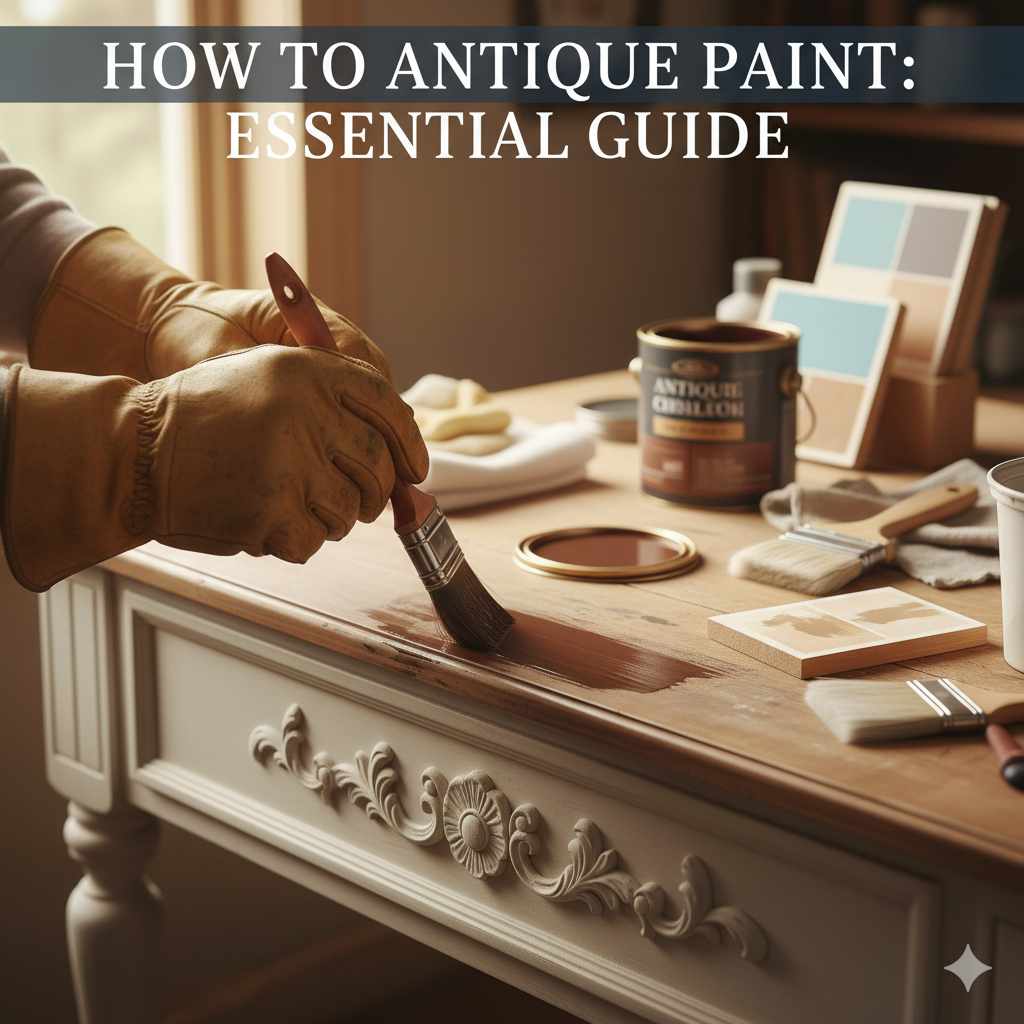
How to Antique Paint: Essential Guide
How to antique paint involves applying a distressed or aged finish to furniture or decor. This guide provides simple, step-by-step instructions for beginners using common household materials, ensuring beautiful, vintage results with confidence, even for a first-time DIYer.
Have you ever admired a piece of furniture with that charming, old-world look and wondered how it got that special finish? Maybe you have a plain wooden item that you’d love to give a bit of character. Getting that antique, distressed look might seem tricky, but it’s actually a very achievable DIY project! Many beginners find it intimidating, thinking they’ll mess it up. But with a few easy techniques and the right approach, you can transform ordinary items into beautiful, vintage-inspired treasures. This guide will walk you through everything you need to know, step-by-step, so you can antique paint like a pro.
We’ll cover the tools you’ll need, how to prepare your item, the actual painting process with a couple of popular aging techniques, and how to seal your work for a lasting finish. Get ready to add some timeless charm to your home décor!
Why Antique Paint? Adds Character and Depth
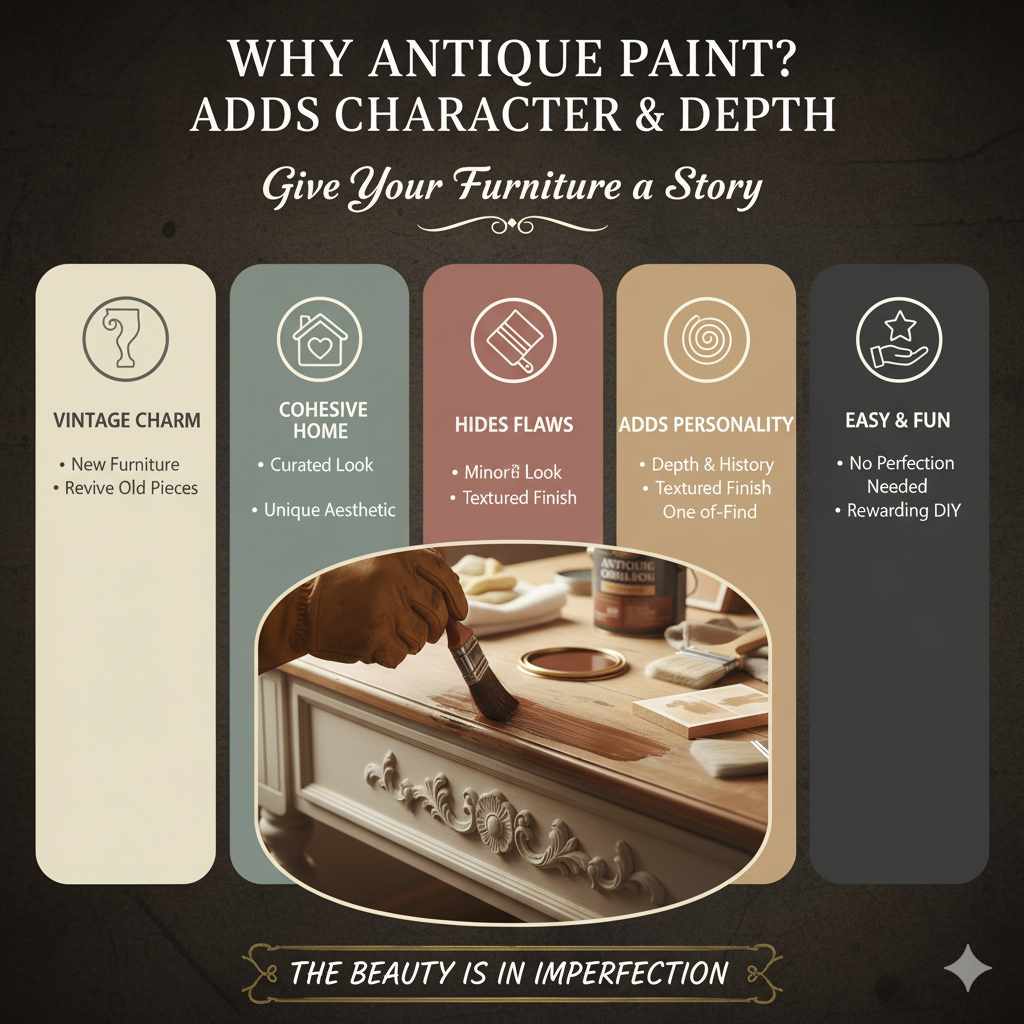
Antique painting techniques are popular for a reason. They bring a sense of history, warmth, and personality to furniture and decorative items. Instead of a flat, new look, an antique finish adds depth, texture, and a story. It’s a fantastic way to:
- Give new furniture a charming, vintage feel.
- Revive old or tired-looking pieces.
- Create a cohesive, curated look in your home.
- Hide minor imperfections in wood.
- Achieve a unique, personalized aesthetic that store-bought items can’t match.
The beauty of antique painting is that it doesn’t require perfection. In fact, a little bit of perceived “flaw” is what makes it look so authentic. This guide is designed to make the process easy and fun, no matter your skill level. You’ll be creating stunning, aged pieces in no time.
Essential Materials for Your Antique Painting Project
Gathering the right supplies is the first step to a successful antique paint job. Don’t worry, most of these are readily available at your local hardware or craft store, and many you might already have around the house. For beginners, keeping the material list simple is key. Here’s what you’ll need:
Basic Supplies:
- The Item: This could be a wooden table, chair, picture frame, cabinet door, or even a craft item.
- Sandpaper: Medium-grit (like 120-150) for rougher sanding and fine-grit (like 220) for smoothing.
- Primer: A good quality primer designed for wood.
- Paint: Your base coat color and your accent/top coat color. Latex or acrylic paints are excellent choices for DIY projects.
- Top Coat/Sealer: Polyurethane, varnish, or wax to protect your finish.
- Brushes: A good quality paintbrush for applying paint and a chippy brush or rag for distressing.
- Rags: Clean, lint-free cloths for wiping and distressing.
- Gloves: To keep your hands clean.
- Drop Cloths or Newspaper: To protect your work area.
For Specific Techniques (Optional but Recommended):
- Glaze: A transparent medium to create an aged, layered look.
- Dark Wax: For adding depth and enhancing the distressed areas.
- Stir Sticks: For mixing paint and glaze.
Getting Started: Preparation is Key
Before you even think about picking up a brush, proper preparation will ensure your antique paint job looks professional and lasts. Rushing this step is a common mistake, but it’s the foundation for a smooth and durable finish. Let’s get your item ready:
Step 1: Clean Your Surface
Start by thoroughly cleaning the item you plan to paint. Dust, dirt, and grease can prevent paint from adhering properly. Use a damp cloth with a little mild soap if needed, and then wipe it down with a clean, dry rag. For stubborn grime, a degreaser might be necessary. Ensure the surface is completely dry before moving on. A clean surface is crucial for paint adhesion. For more information on surface preparation for painting, you can refer to resources like the Family Handyman’s guide to prepping wood for painting.
Step 2: Light Sanding
For new or smoothly finished pieces, a light sanding is necessary to give the paint something to grip. You don’t need to strip off old paint or varnish unless it’s peeling or damaged. Use medium-grit sandpaper (around 120-150 grit) to scuff up the entire surface. If the item has a glossy finish, this step is vital. After sanding, wipe away all the dust with a tack cloth or a slightly damp rag. This creates a surface where primer and paint can bond effectively.
Step 3: Apply Primer
Primer acts as a base coat, ensuring your paint adheres well and your colors appear true. It also helps block any stains from the wood showing through your paint. Apply one or two thin, even coats of primer. Allow each coat to dry completely according to the manufacturer’s instructions. Lightly sand with fine-grit sandpaper (220 grit) after the primer is dry for an extra smooth finish. Wipe away dust again.
How to Antique Paint: Popular Beginner Techniques
Now for the fun part! There are several ways to achieve an antique look. We’ll cover two of the most popular and beginner-friendly methods: the two-tone distress and the glaze technique. You can choose the one that best suits the look you’re going for.
Technique 1: The Two-Tone Distress Method
This is perhaps the simplest antique painting technique, perfect for creating a worn, chippy look that suggests layers of paint have peeled away over time. It’s ideal for furniture where you want to see the natural wood or a contrasting color showing through.
Steps for Two-Tone Distress:
- Apply the Base Coat: Paint your item with your chosen base color. This will be the color that shows through when you distress. Let it dry completely.
- Apply a Resist Layer (Optional but effective): For a more authentic “chippy” look, you can apply a resist. A popular method uses furniture wax or even petroleum jelly. Lightly rub these substances in areas where you want the top coat to chip or wear away easily (edges, corners, raised details). Don’t apply it too thickly; a light rub is enough.
- Apply the Top Coat: Paint your item with your second color. This is the visible color of your piece. Apply one or two coats as needed for full coverage. Let this coat dry until it’s almost, but not completely, dry. You want it somewhat tacky, but not wet.
- Distress the Surface: While the top coat is still slightly tacky or fully dry (depending on your chosen resist), use a rag, fine-grit sandpaper, or a chippy brush (a stiff brush with the bristles cut short) to gently rub away the top layer of paint. Focus on areas that would naturally show wear: edges, corners, around hardware, and raised details. You’ll see the base color peeking through. If you used wax or jelly, the paint should lift off easily in those spots. If you didn’t use a resist, you’ll just be sanding through the paint. Start gently; you can always add more distressing, but you can’t take it away.
- Clean Up: Wipe away all the dust created from distressing with a clean, dry cloth. Once you’re happy with the look, you can leave it as is if you used furniture wax, or proceed to sealing. If you used petroleum jelly, wipe it off with a damp cloth.
Technique 2: The Glaze Method
Glazing adds a translucent layer of color over your base coat, making the piece look older and highlighting details, stains, or wood grain. It can create a more subtle aged effect than heavy distressing.
Steps for Glazing:
- Paint and Seal Base Coat: Paint your item with your chosen base color and let it dry completely. Then, apply a top coat of clear polyurethane or varnish and let it dry thoroughly. This creates a barrier so the glaze only sticks to the high points and doesn’t strip off your base color.
- Prepare the Glaze Mixture: Mix your glaze. You can buy pre-made glaze or mix your own. A common DIY mix is one part latex paint (a dark color like brown, gray, or black works well for aging) to two parts glaze medium, or one part latex paint to one part clear water-based polycrylic. Stir well. A ratio of 1 part paint to 2 parts glaze medium is a good starting point. The more medium, the more translucent your glaze will be.
- Apply the Glaze: Working in small sections, apply the glaze mixture evenly over the painted surface using a brush or rag. Don’t glob it on!
- Wipe Back the Glaze: Immediately after applying, use a clean, lint-free rag to wipe off the excess glaze. Wipe in the direction of the wood grain if applicable. The glaze will settle into crevices, along the wood grain, and around details, creating that aged look. The more you wipe, the lighter the glaze effect.
- Allow to Dry: Let the glaze dry completely. This can take several hours or even overnight, depending on humidity and how heavily you applied it.
- Repeat if Desired: For a deeper aged look, you can apply a second coat of glaze after the first one is dry.
- Seal: Once the glaze is completely dry, apply a protective top coat.
Advanced Touches and Enhancements
Once you master the basic techniques, you can add even more depth and authenticity to your antique painted pieces. These steps can elevate your project from looking “painted to look old” to truly “looking old.”
Chipping with a Hair Dryer or Heat Gun
For a more pronounced, authentic-looking chip effect, especially when using the two-tone method with chalk paint or milk paint, you can manipulate the drying process. After applying your top coat, use a hair dryer or a heat gun (on a low setting and kept moving!) to partially dry the paint. As you heat it, you can gently scrape or distress areas to create cracks and chips. Be cautious not to scorch the wood or over-dry the paint, which can prevent it from being distressed. This technique mimics the natural cracking that happens as paint ages.
Using Dark Wax for Depth
After you’ve applied your base and top coats and have distressed the piece to your liking, applying a layer of dark wax can work wonders. Brush or rub the dark wax over the entire piece. Then, use a clean, soft rag to buff the wax off the raised surfaces. The dark wax will settle into all the nooks, crannies, and distressed areas, adding instant depth, highlighting texture, and enhancing the aged appearance. It’s a fantastic way to give a piece a richer, lived-in feel. Many DIYers find this an indispensable step for that authentic vintage finish.
Adding Wood Grain Effect
If you’re painting over laminate or a smooth surface where there’s no natural wood grain, you can fake it! After applying your base coat and letting it dry, you can use a specialized wood grain tool or even the end of a paintbrush to drag through a contrasting wet glaze or paint. This creates subtle lines that mimic real wood grain, adding a layer of realism to your antique finish.
Sealing and Protecting Your Antique Finish
This is a crucial step to ensure your beautiful antique paint job lasts and can withstand daily use. Without proper sealing, your paint could scratch, chip further unintentionally, or get damaged by moisture.
Choosing Your Sealer
The best sealer depends on the type of paint you used and the finish you desire:
- Water-Based Polyurethane/Polycrylic: These are excellent, durable, and clear sealers. Polycrylic is generally preferred over polyurethane for light-colored paints as it has less of a yellowish tint. They offer great protection against scratches and moisture. Apply in thin, even coats.
- Furniture Wax: Often used over chalk paint or milk paint, wax provides a soft, low-sheen finish and also protects the paint. It’s less durable than poly but offers a beautiful, velvety feel. For added durability with wax, some people apply a layer of clear wax first, then a layer of dark wax, and finally buff the whole piece.
- Lacquer/Spray Sealers: These can offer a very smooth finish but require good ventilation and a spray setup for best results. They are generally more durable but can be trickier for beginners.
Application Tips
Always ensure your paint and glaze layers are completely dry before applying a sealer. Read the manufacturer’s instructions on your chosen sealer for drying times and application methods. For brush-on sealers like polyurethane, apply thin coats with a good quality synthetic brush. Allow each coat to dry thoroughly and lightly sand with very fine-grit sandpaper (320 or higher) between coats for maximum smoothness, then wipe away dust. Two to three thin coats are usually sufficient for good protection.
Table: Comparing Antique Painting Techniques
Choosing the right technique depends on the look you want to achieve. Here’s a quick comparison to help you decide:
| Technique | Best For | Difficulty | Look Achieved | Key Materials |
|---|---|---|---|---|
| Two-Tone Distress | Farmhouse, Rustic, Shabby Chic | Beginner-Friendly | Worn, chipped paint exposing a base color or wood | Two paint colors, sandpaper/chippy brush, wax (optional) |
| Glaze Method | Elegant, Traditional, Subtle Aging | Beginner- to Intermediate | Deepened color, highlighted details, subtle wear | Base paint, glaze medium, dark finishing paint, rags |
Safety First in Your Workshop
As with any DIY project, safety is paramount. Woodworking and painting involve potential hazards, but with a little common sense and preparation, you can ensure a safe and enjoyable experience.
- Ventilation: Always work in a well-ventilated area, especially when using primers, paints, or sealers that release fumes. Open windows and doors, or work outdoors if possible.
- Dust Protection: Sanding creates fine dust. Wear a dust mask (N95 recommended) to protect your lungs.
- Eye Protection: Safety glasses are essential when sanding or if there’s any risk of splashing paint or debris.
- Gloves: Keep your hands clean and protected from paint and chemicals by wearing disposable gloves.
- Electrical Safety: If using power tools like a sander or heat gun, ensure cords are in good condition and never use them in wet conditions. Ensure you understand how to operate any tools safely; resources such as OSHA’s guidance on tool safety can be very helpful.
- Fire Safety: Keep flammable materials away from heat sources. Have a fire extinguisher handy if you are using a heat gun.
Enjoying your woodworking and DIY projects means staying safe. Always read product labels for specific safety warnings and instructions.

Frequently Asked Questions About Antique Painting
Q1: Can I antique paint over existing varnish?
A1: Yes, you can. The key is proper preparation. Lightly sand the varnished surface to create some “tooth” for the primer and paint to adhere to. Then apply a good quality primer before your base coat of paint.
Q2: What’s the difference between antique paint, chalk paint, and milk paint?
A2: “Antique paint” is a broad term referring to a finish that looks aged. Chalk paint and milk paint are types of paint specifically formulated to have a matte, chalky finish that’s easy to distress and antique. They require minimal prep and adhere well to most surfaces, making them popular for DIY antique finishes.
Q3: How do I distress for a really authentic look?
A3: Focus on areas where wear would naturally occur: edges, corners, around handles, and where people’s hands or feet would rub against it (like chair legs or table edges). Use a light touch with sandpaper or a rag. If you’re aiming for a chipped look, consider using furniture wax as a resist between paint layers.