How to Buff Out Scratches on Hardwood Floors: Easy Fixes
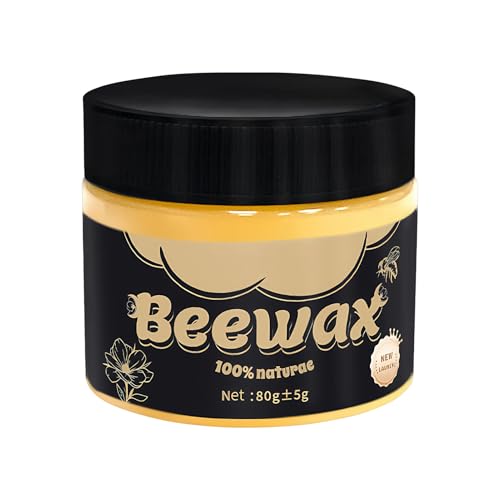
Light surface scratches buff out with a soft cloth and a bit of wax, restoring shine without any product beyond what’s already on the shelf. Deeper gouges that catch a fingernail need an actual fill — a color-matched wax stick or a wood filler — not just buffing, since buffing alone can’t rebuild missing material.
Identify The Type Of Scratch First
Best For Deeper Scratches And Gouges
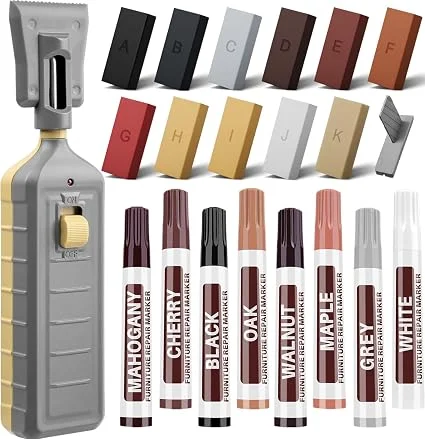 |
Hardwood Floor Repair Kit with Heat Pen, 11 Colors – $24.29 The heat pen melts a color-matched wax stick directly into a deep scratch or gouge — the fill that plain buffing or a kitchen-cabinet remedy can’t provide.
|
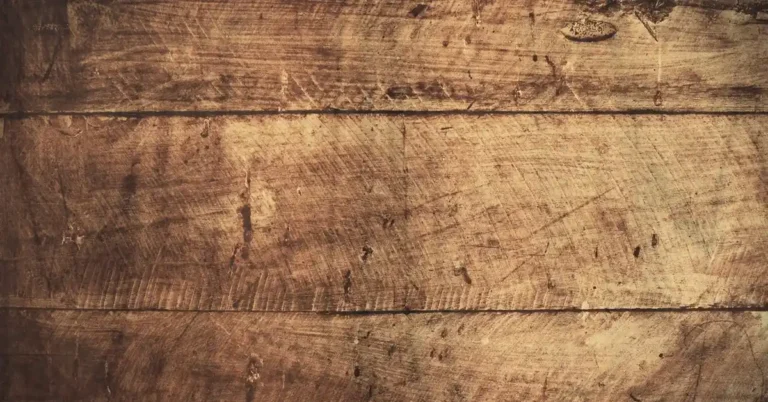
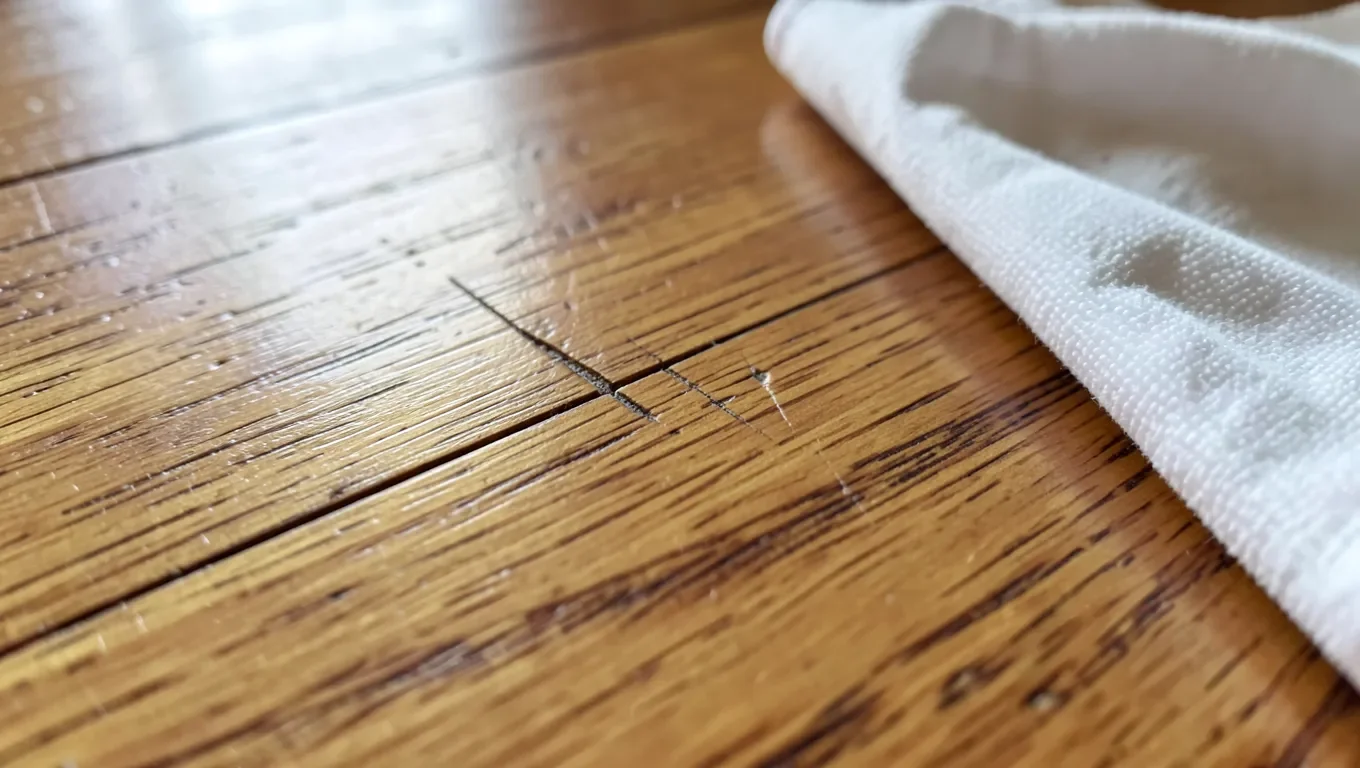
Run a fingernail across the mark before doing anything else. If your nail glides over it, it’s a surface scratch in the finish layer only — buffing and a wax touch-up handle it. If your nail catches or dips into the mark, it’s gone through the finish into the wood itself, and it needs an actual fill, not just polish. Pet-claw scratches tend to run in short, parallel lines near doorways and pet resting spots — if that’s what you’re seeing, our dog scratch repair guide covers the pattern-specific prevention steps too.
Fixing Light Surface Scratches
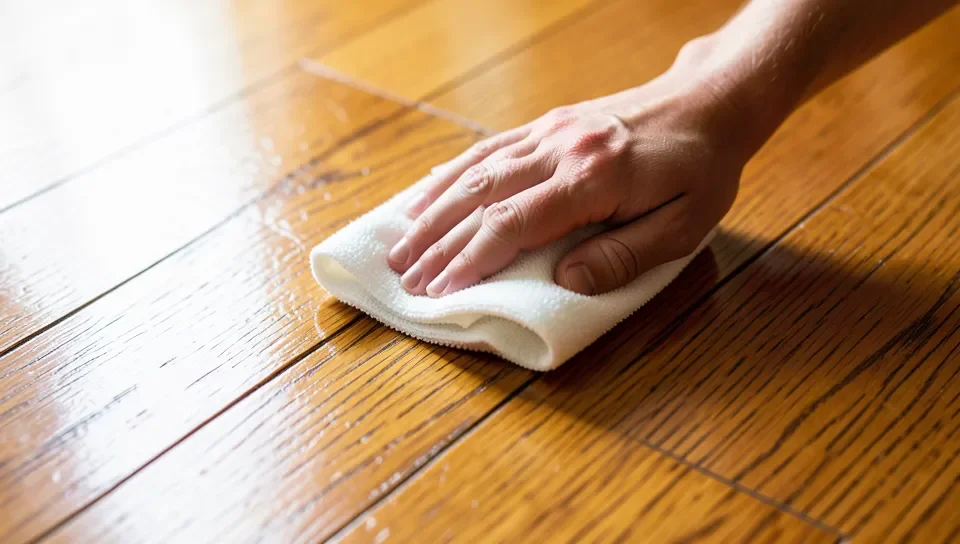
Clear the area and clean it with a barely damp microfiber cloth first — grit left in the scratch will just grind deeper if you skip this. Once it’s dry, rub a hardwood floor wax or a matching-tone finish restorer into the scratch with a soft cloth, working in small circles, then buff along the grain until the sheen blends into the surrounding floor. This works because a light scratch has only dulled or thinned the finish layer, not removed wood — the wax fills that thin gap and reflects light the same way the intact finish does.
A walnut, rubbed directly over a light scratch, is a genuinely useful trick worth knowing — the natural oils in the nut meat temporarily darken and fill the scratch line, and buffing afterward blends it in. It’s a real fix for how the floor looks, not a permanent repair (the fill wears out with foot traffic and cleaning), but it’s a legitimate quick save before guests arrive, not just an internet myth.
Repairing Deeper Scratches And Gouges
- Clean the scratch and surrounding area with a hardwood-safe cleaner and let it dry completely.
- Pick a wax fill stick or wood filler close to your floor’s color — test on a hidden spot like inside a closet first.
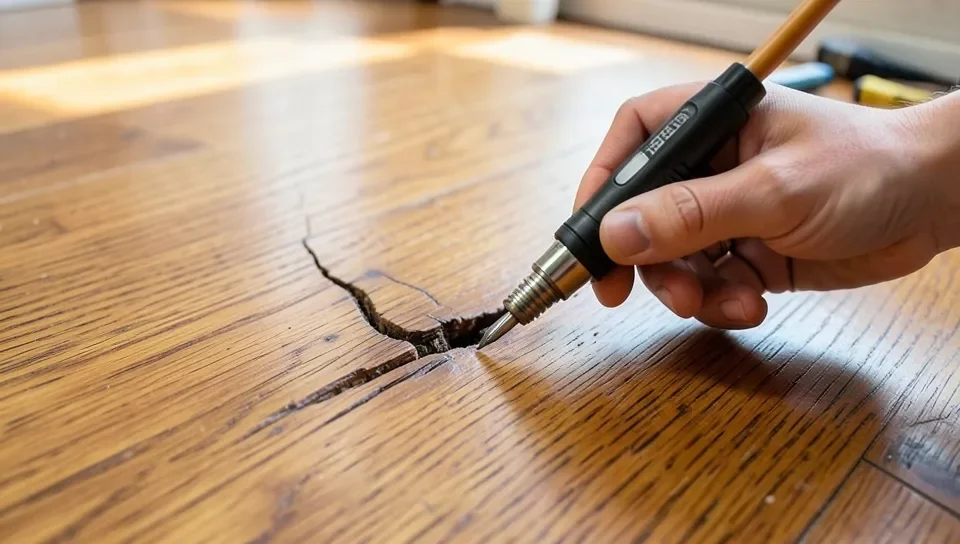
- Melt the wax into the scratch with a heat pen (or work a putty-style filler in with a putty knife), overfilling slightly since it settles as it cools.
- Once set, scrape the excess level with a plastic scraper or credit card, then buff with a soft cloth.
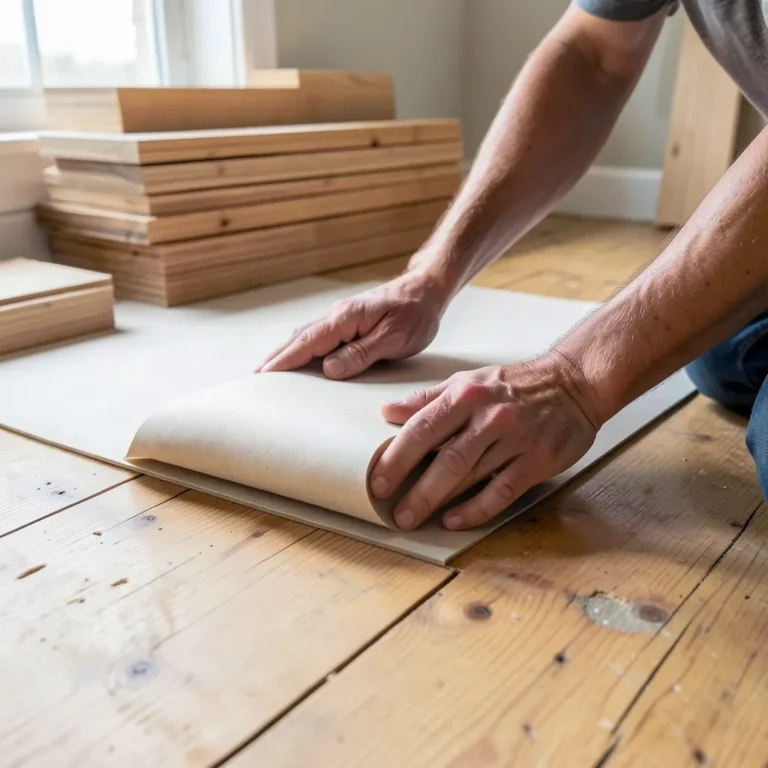
- For a filler that needs it, sand lightly with fine-grit paper once fully cured, then apply a matching topcoat (polyurethane or the floor’s existing finish type) over just the repaired spot to blend it in.
Scuffs Vs. Scratches: Different Fixes
A scuff is a mark left on top of the finish, not a cut into it — usually rubber or shoe-sole residue — and it responds to a much gentler approach than an actual scratch. A baking soda and water paste, worked in with a soft cloth, is genuinely mild enough for this because it’s only lifting surface residue, not trying to fill a physical gap. Be cautious using baking soda on a scratch itself rather than a scuff, though — it’s a mild abrasive, and repeated scrubbing on a matte or satin finish can dull the sheen in that spot faster than it fixes the mark.
Murphy’s Oil Soap is a real, useful cleaner for waxed floors, but it’s a cleaner, not a scratch repair product — it lifts grime and old wax buildup, which can make existing scratches look less obvious simply because the floor around them is cleaner. Don’t expect it to fill or fix a scratch on its own.
Preventing The Next Scratch
- Felt pads under every chair and table leg, replaced when they get thin or gritty.
- Rugs or runners in high-traffic paths and pivot points (doorways, in front of the sink).
- No high heels or cleats on the finished floor.
- Pet nails trimmed regularly — this is the single biggest scratch source in homes with dogs.
- Sweep or vacuum before mopping so grit doesn’t get dragged across the finish.
When To Call A Professional Instead
A wax fill or filler works for isolated scratches and gouges, but if scratches cover a large area or the finish itself has worn through in patches, spot repairs will look like patches — a full sand-and-refinish is what actually restores an even surface at that point. A professional refinisher can also tell you whether your floor has enough wear layer left to sand again at all, which matters more on engineered flooring with a thin veneer than on solid hardwood.
Frequently Asked Questions
Can Scratches Be Buffed Out Of Hardwood Floors?
Yes, but only light surface scratches that haven’t cut into the wood — run a fingernail over the mark first. Buff with a soft cloth and a matching wax to blend it in. A deeper scratch that catches your nail needs an actual fill, not just buffing.
How Do You Get Scratches Out Of Hardwood Floors Without Sanding?
For light scratches, buff with a hardwood wax or rub a walnut over the mark and buff it in — both work by filling the thin gap in the finish, not by removing wood. For deeper gouges, a color-matched wax fill stick applied with a heat pen fills the scratch without any sanding.
Does Murphy’s Oil Soap Remove Scratches?
No — it’s a cleaner, not a repair product. It can make scratches look less obvious by removing grime and old wax buildup around them, but it won’t fill or fix an actual scratch. Use a wax stick or filler for the scratch itself.
How Do You Get Scuffs Out Of Hardwood Floors?
Scuffs sit on top of the finish rather than cutting into it, so a gentle baking soda and water paste worked in with a soft cloth usually lifts them. Wipe with a damp cloth afterward and dry. This is gentler than what a real scratch needs, since there’s no gap to fill.
Conclusion
Match the fix to the damage: a light surface scratch buffs out with wax or even a walnut, while a real gouge needs an actual fill — a color-matched wax stick and heat pen, or a filler and topcoat for anything deeper. Scuffs are a different, gentler problem entirely. Get the diagnosis right first and the rest of the repair is quick.
Sponsored / affiliate links. As an Amazon Associate I earn from qualifying purchases. I may earn additional commission from eligible campaigns.