Best Vacuums for Hardwood Floors: based on specs and reviews
The best vacuum for hardwood and laminate floors is a lightweight stick or canister with a soft roller, sealed suction, and brushroll control. For small homes, a cordless model is often the practical pick. For large homes, a corded canister usually handles more floor with less battery worry, and a pet tool helps when grit and hair show up often. Wrong airflow or a hard brush can scatter dust, scratch finishes, and leave fine grit that wears floors faster. This guide compares vacuum options by floor type, home size, and mess profile so you can match the machine to hardwood, laminate, rugs, stairs, and pets.
Quick comparison
| Product | Badge | Best for | Price | ||
|---|---|---|---|---|---|
 |
Dyson V15 Detect Cordless VacuumDyson | Our pick | Intelligent cordless cleaning with illuminated dust detection. | $649.99
Price as of 11 Oct 2026
|
View |
 |
Shark Cordless Vertex Pro Lightweight Cordless StickShark | Also great | Lightweight cordless stick with self-cleaning brushroll. | $449.99
Price as of 11 Oct 2026
|
View |
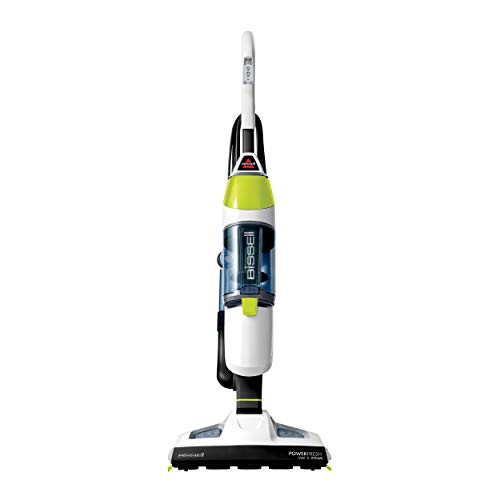 |
Bissell PowerFresh Vac & Steam All-in-One Vacuum and SteamBissell | Upgrade pick | All-in-one vacuum and natural steam sanitization. | $199.99
Price as of 11 Oct 2026
|
View |
 |
Miele Classic C1 Turbo Team Vacuum for Hard Floors &Miele | Also great | German-engineered bagged canister for hard floors and carpets. | $369.00
Price as of 11 Oct 2026
|
View |
 |
Eureka Whirlwind Bagless Canister Cleaner NEN110AEureka | Budget pick | Lightweight bagless canister cleaner with automatic cord rewind. | $79.99
Price as of 11 Oct 2026
|
View |
Hardwood and laminate need similar tools, but laminate seams and beveled edges put more weight on nozzle control and debris capture. The table below compares the main vacuum types by the features that matter most on bare floors, not by brand hype.
Consumer Reports says canister vacuums do a better job on bare floors than uprights or stick vacuums, while stick vacuums may be enough if you clean only hardwood floors. That difference matters when you choose between fast cleanup and deeper whole-home cleaning. (consumerreports.org)
📊 RTINGS has a dedicated laminate floor vacuum ranking for 2026. Source: The 6 Best Laminate Floor Vacuums of 2026.
How we chose
The ranking below weighs bare-floor suction performance, brushroll shutoff, pet hair cleanup, edge cleaning, runtime or reach, and long-run ownership cost. Consumer Reports includes a large number of vacuums in its ratings, and RTINGS has a dedicated laminate floor vacuum ranking, so the feature set here seems to track current buying priorities.
For hardwood finish protection, the main filter is simple: avoid stiff brush heads and turn the brushroll off or use a true hard-floor mode. Popular Mechanics warns that a stiff brush head may cause small scratches on hardwood floors, and Consumer Reports recommends a brush on/off switch to minimize dirt dispersal on hardwood.
Consumer Reports also advises against steam mops on hardwood floors. That matters because steam is often sold as an easy fix, but hardwood-friendly cleaning is about gentle pickup, not heat.
Canister vacuum: best for bare floors
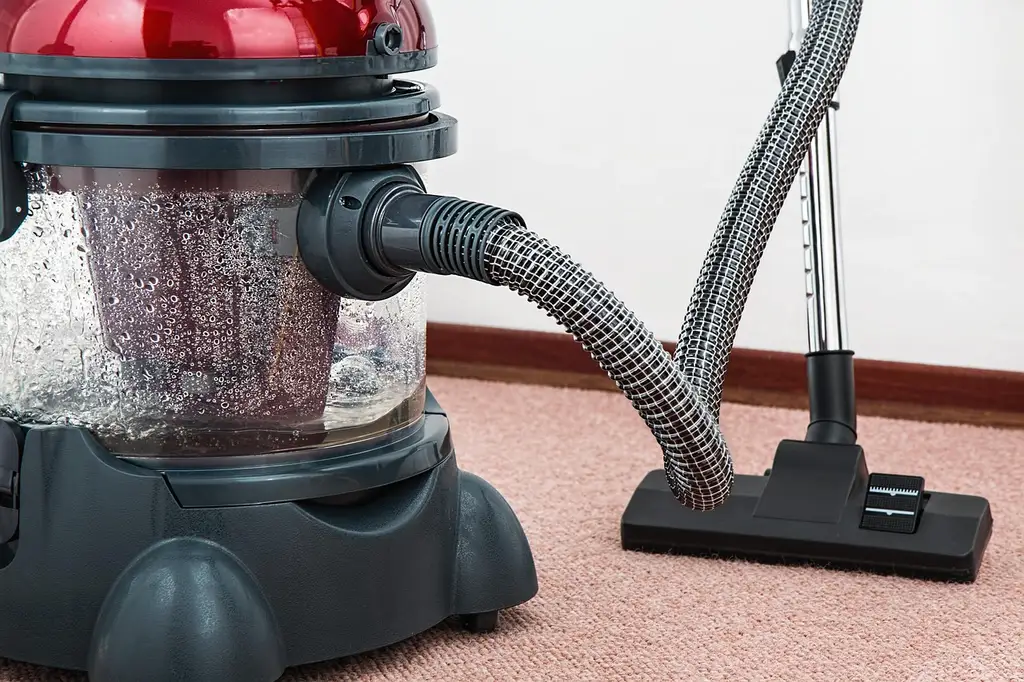
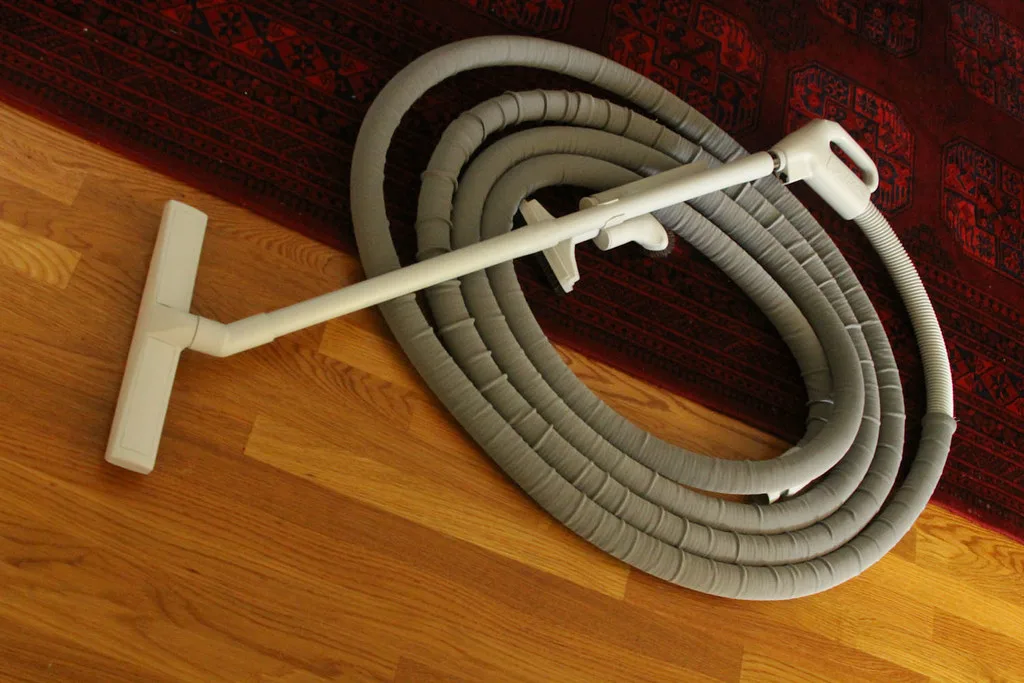
A canister vacuum is the strongest all-around choice for most hardwood and laminate homes, especially if you deal with sand, grit, crumbs, or dust along baseboards. Its hose and attachment flexibility make it easier to clean edges, under furniture, vents, and stairs without dragging a heavy body across the floor.
The Miele Classic C1 Turbo Team is the safest default pick here based on its bagged canister design, six suction settings, and hard-floor-friendly format. Bagged canisters usually contain fine dust better than bagless designs, which helps when you clean dry grit that can get kicked back into the room during emptying.
The tradeoff is cost and upkeep. Bags add recurring expense, and the canister format takes more storage space than a stick vacuum. Still, for larger homes or mixed debris, a canister often wins on cleanup quality and dust containment.
Common fit: open-plan hardwood with thresholds, a few area rugs, and frequent edge dust. A common first-timer mistake is choosing a flashy upright with a stiff brush and then wondering why rice-sized debris scatters at every pass.
Stick vacuum or upright vacuum?
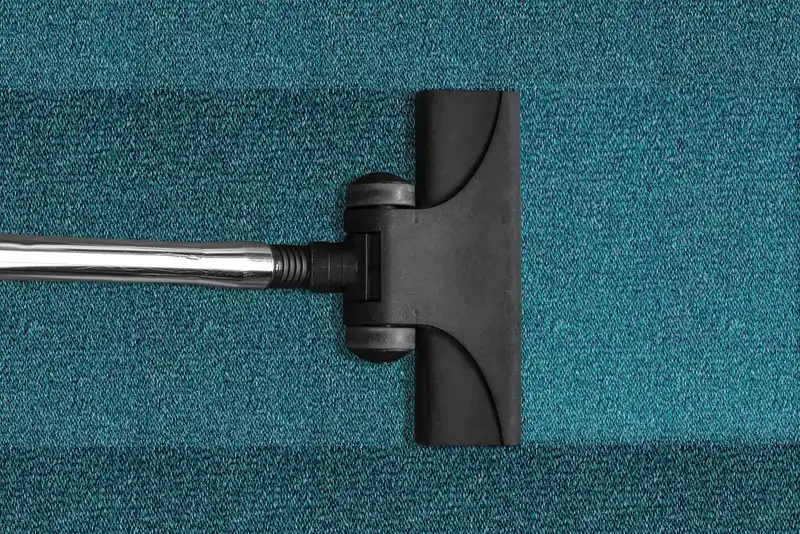
Stick vacuums are best when you want quick cleanup, light handling, and easy storage. Uprights are better when you need whole-house versatility and more power, but only if the model has brushroll shutoff or a truly safe hard-floor mode. Consumer Reports says uprights or canisters are better when you need more power.
Stick vacuum: best for quick cleanup and smaller homes
The Shark Cordless Vertex Pro fits smaller homes, apartments, and touch-up cleaning where speed matters more than deep reach. Cordless sticks are easy to grab for crumbs, pet hair, and dust after daily traffic, and this one adds a self-cleaning brushroll that helps reduce hair wrap.
That said, cordless sticks still trade runtime for portability, and most will not match a full-size canister on sand pickup or long sessions. Battery age also becomes a cost factor, because replacement packs can be expensive compared with a simple cord or bag change.
Best use case: you have mostly hard floors, a few rugs, and want a vacuum that gets out of the closet fast. If your home is large or you clean heavy grit often, a stick alone can feel underpowered.
Upright vacuum: best for whole-house versatility if brushroll shutoff is available
The Dyson V15 Detect is the strongest cordless upright-style choice in this group for mixed homes that still need bare-floor safety. Its intelligent power adjustment and illuminated dust detection help on hard floors, and the LCD readout adds useful runtime awareness.
The drawback is the same one that affects nearly every cordless premium vacuum: runtime is finite, and battery performance changes over time. It is a better fit for moderate-sized homes than for long, whole-floor cleaning days in a large house.
If you need a cordless model that can move from wood to rugs to upholstery, this is the category to watch. It is not the best long-run ownership-cost option, but it is one of the most convenient.
Which vacuum type is best for laminate floors?
Laminate usually follows the same vacuum logic as hardwood: gentle pickup, brushroll control, and good edge cleaning. The difference is that seams, beveled edges, and textured wear layers can trap fine grit, so nozzle design and debris capture matter more than brand alone.
RTINGS’ separate laminate ranking is a useful reminder that laminate is not identical to hardwood in daily cleaning. You want a vacuum that gathers dust instead of pushing it into seams, especially near thresholds and room edges where grime accumulates.
Best match for laminate seams and edges
Canisters are usually the best answer because the hose and wand let you reach along seams and trim without repeatedly bumping the floorhead. If your laminate has pronounced bevels or texture, favor a soft roller or a hard-floor nozzle that does not fling fine grit forward.
Avoid stiff brush heads on laminate the same way you would on hardwood. The floor may be tougher than solid wood in some ways, but the seams can hold debris that gets spread around by the wrong brush pattern.
Are vacuums good for wood floors?
Yes, vacuums are good for wood floors when they are set up for bare-floor cleaning and not carpet agitation. The safest approach is brushroll off, soft contact at the floor, and strong pickup of dust and grit before it can abrade the finish. Consumer Reports says most vacuums they tested earn excellent ratings for hardwood floors.
Hardwood-friendly vacuums should protect the finish, not scrub it. That means no stiff rotating brush on the surface, no steam mop on the wood, and enough suction to collect debris in one pass rather than pushing it around.
What features matter most for finish protection?
- Brushroll shutoff or a true hard-floor mode.
- A soft roller or non-marring nozzle.
- Good dust containment, especially if you have dry fine grit.
- Edge control that does not fling debris forward.
- Manageable weight so you do not slam the head into furniture legs or thresholds.
Can a vacuum scratch hardwood floors?
Yes, a vacuum can scratch hardwood floors if the nozzle is abrasive, the brushroll stays on, or the head catches grit and drags it across the finish. The risk rises with stiff bristles, worn wheels, and debris that gets ground forward instead of lifted.
Choose soft contact surfaces, avoid stiff brush heads, and keep the floor clear of larger particles before vacuuming if possible. Popular Mechanics says hardwood-friendly vacuums should gently capture dust and dirt without harming floors, which is the standard to use.
Should I use a cordless vacuum on hardwood floors?
You can use a cordless vacuum on hardwood floors, and it is often the most convenient choice for smaller homes or daily touch-ups. The limit is runtime and long-term battery cost, so cordless is best when you clean in short sessions rather than doing one long whole-house pass.
If your home has heavy sand, pets, or several rooms of hard flooring, a corded canister or corded upright with brushroll control is usually more dependable. Corded models offer unlimited runtime and steadier suction, while cordless models trade that consistency for portability.
Do I need brush roll off for hardwood floors?
Yes, brushroll off matters for hardwood floors because it reduces the chance of scattering debris and lowers the risk of scratching the finish. Consumer Reports specifically recommends using a brush on/off switch to minimize dirt dispersal on hardwood.
That feature becomes even more important when you vacuum rice-sized crumbs, dry pet litter, or grit from entryways. With the brushroll engaged, some vacuums throw debris forward or wrap hair around the roller, which slows cleaning and can leave particles behind.
Corded or cordless for hardwood floors?
Corded vacuums are better for unlimited runtime and consistent suction, while cordless vacuums are better for maneuverability and quick grab-and-go cleaning. The right choice depends on home size, how often you clean, and whether you need to cover stairs or multiple levels.
If you clean a large open floor plan or want the strongest sand pickup without thinking about battery life, corded wins. If your home is smaller and you value easy storage, cordless may be the more practical answer.
Corded: best for larger homes and heavier debris
A corded canister is the most dependable setup for whole-home hardwood and laminate cleaning. The cord does limit reach, but the tradeoff is steady suction, better dust pickup, and lower long-run cost than a battery-driven model that eventually needs replacement cells.
Cordless: best for smaller homes and faster sessions
Cordless suits apartments, townhomes, and households that clean often in short bursts. The ownership cost is higher over time if the battery ages out, but the handling is easier on stairs, thresholds, and quick pet-hair pickups.
Decision matrix: choose by home profile

This matrix scores vacuum types from 1 to 5, with 5 being best for that criterion. Use it to match your floor type, cleaning pattern, and maintenance tolerance instead of choosing by category name alone.
| Vacuum type | Scratch risk | Sand pickup | Pet hair | Edge cleaning | Stairs | Long-run ownership cost | Best household profile |
|---|---|---|---|---|---|---|---|
| Canister | 5 | 5 | 4 | 5 | 4 | 4 | Large homes, mixed debris, lots of baseboards, sand near entries |
| Stick | 4 | 3 | 4 | 3 | 5 | 3 | Small homes, fast cleanup, frequent touch-ups, light storage needs |
| Upright | 3 | 4 | 4 | 3 | 2 | 4 | Whole-house versatility, rugs plus hard floors, users who want one main machine |
| Cordless | 4 | 3 | 4 | 3 | 5 | 2 | Smaller homes, stairs, quick crumbs, daily maintenance cleaning |
| Corded | 4 | 5 | 4 | 4 | 2 | 4 | Large open layouts, heavy grit, longer sessions, fewer battery concerns |
For pet hair and upholstery, favor a vacuum with a dedicated pet tool and a brushroll that resists wrap. For stairs and quick touch-ups, lighter cordless sticks are easiest to live with. For sand, grit, and larger open areas, canisters and corded models usually do better over time.
Maintenance-cost lens
Think beyond the purchase price. Bagged canisters add ongoing bag cost, bagless vacuums need filter washing and dust-bin emptying, cordless models may eventually need a battery replacement, and all rotating brushrolls need hair removal and occasional cleaning.
That cost difference matters more than many shoppers expect. A cheaper vacuum can become the more expensive one if it needs frequent filter service, loses suction through poor sealing, or forces a battery swap before the rest of the machine is worn out.
Which one should you buy
Choose a canister if your home is mostly hardwood or laminate, especially if sand, grit, and baseboard dust are the main problems. Choose a cordless stick if your space is small, your cleanups are quick, and you want the lightest option for stairs and daily crumbs. Choose an upright only if it has brushroll shutoff and you also need carpet or rug performance.
If you want the best bare-floor cleaning and do not mind a cord, start with the Miele Classic C1 Turbo Team. If hair wrap is your biggest complaint and you need cordless convenience, the Shark Cordless Vertex Pro is easier to live with. If you want premium cordless dust detection and a stronger whole-home feel, the Dyson V15 Detect is the most advanced pick here, but it costs more and depends on battery life.
For the lowest upfront cost, the Eureka Whirlwind is the budget canister to watch, though bagless upkeep and sealing matter more in that class. The Bissell PowerFresh Vac & Steam should be excluded for hardwood care; Consumer Reports advises against steam mops on hardwood floors, so the steam feature is the wrong fit for finish protection.
Canister vacuum: best for bare floors

The Eureka Whirlwind is the value canister in this list for homeowners who want corded reach and easier handling without paying premium prices. Its 8.15-pound body and 2.5L dust container make it practical for frequent hard-floor cleanup, and the hose-mounted crevice tool helps with edges.
The tradeoff is that a bagless budget canister usually asks more of its filters and dust bin than a bagged premium model does. If you clean very fine dust or want the best possible dust containment, the Miele canister above is the stronger long-term buy.
Stick vacuum: best for quick cleanup
The Shark Cordless Vertex Pro is the right call when easy handling matters as much as cleaning power. Its self-cleaning brushroll is useful in homes with long hair or pet hair, and the display helps you track battery use while moving from room to room.
Its weakness is not performance in short bursts; it is endurance. If your cleaning routine often turns into a 40-minute session across several rooms, a cordless stick may need a recharge before the job is done.
Upright vacuum: best for whole-house versatility
The Dyson V15 Detect is the premium all-around cordless option if you want strong pickup and a more informative interface. The illuminated dust detection can help you see residue on dark hardwood, and adaptive power is useful when flooring changes from wood to rugs.
The drawback is price and battery dependence. It is a good fit for smaller to mid-sized homes that value convenience, but it is not the best answer for the lowest long-run ownership cost.
Frequently asked questions
what is the best vacuum for hardwood floor
The best vacuum for hardwood floor use is usually a canister with brushroll control and a soft-floor nozzle. That setup tends to lift fine dust, sand, and pet hair without scattering debris or scratching the finish. Consumer Reports says canisters do a better job on bare floors than uprights or stick vacuums.
what is the best vacuum for wood laminate floors
The best vacuum for wood laminate floors is usually the same kind you would choose for hardwood: a canister or a careful stick with brushroll control. Laminate seams and edges can trap dust, so nozzle design and debris capture matter more than brand alone.
Sponsored / affiliate links. As an Amazon Associate I earn from qualifying purchases. I may earn additional commission from eligible campaigns.