How to Build Wood Deck Handrails Safely: A Step-by-Step Guide
Building deck handrails can seem tricky at first, especially if you’re just starting out. You might worry about getting it wrong, but don’t sweat it! The process of How to Build Wood Deck Handrails Safely is easier than you think. This guide breaks down each step in simple terms. We’ll walk you through everything, so you can build safe and sturdy handrails. We’re starting with the basics.
Planning Your Deck Handrail Construction
Before you even think about picking up a saw, careful planning is important. This means figuring out exactly what you want your handrails to look like, how long they need to be, and what materials you’ll use. It’s also about making sure your deck meets safety codes in your area. Proper planning saves time, money, and headaches down the road. It helps ensure your project is successful and meets all the necessary safety regulations. By taking the time to plan, you can avoid costly mistakes and build handrails that are both attractive and safe.
Assessing Your Deck’s Needs
Begin by measuring the areas where you’ll install the handrails. Consider the overall length of the railing needed and any changes in elevation. Decide on the height and design of the rails. Most building codes require handrails to be between 34 and 38 inches high, measured from the deck surface to the top of the rail. Also, think about the spacing of your posts, which will affect the overall stability. A well-designed handrail not only looks good but also provides a vital safety feature for anyone using your deck. It also prevents falls, especially on elevated decks.
- Measure the length of the railing needed: Accurately measure the distance where you want to install the handrails. Take measurements to account for any turns or changes in direction. This helps in estimating the amount of materials needed.
- Determine the height requirements: Research local building codes to ensure the handrail height meets the necessary safety standards. This commonly falls between 34 and 38 inches. This will protect anyone using the deck.
- Choose your railing style: Consider the aesthetic of your deck and home. Handrail styles can range from simple, classic designs to more ornate options. Choose a style that matches your existing décor.
- Check for local building codes: Each locality has its own set of rules regarding deck construction. Make sure you know these before starting your project. This is important for safety and to avoid penalties.
Selecting the Right Materials
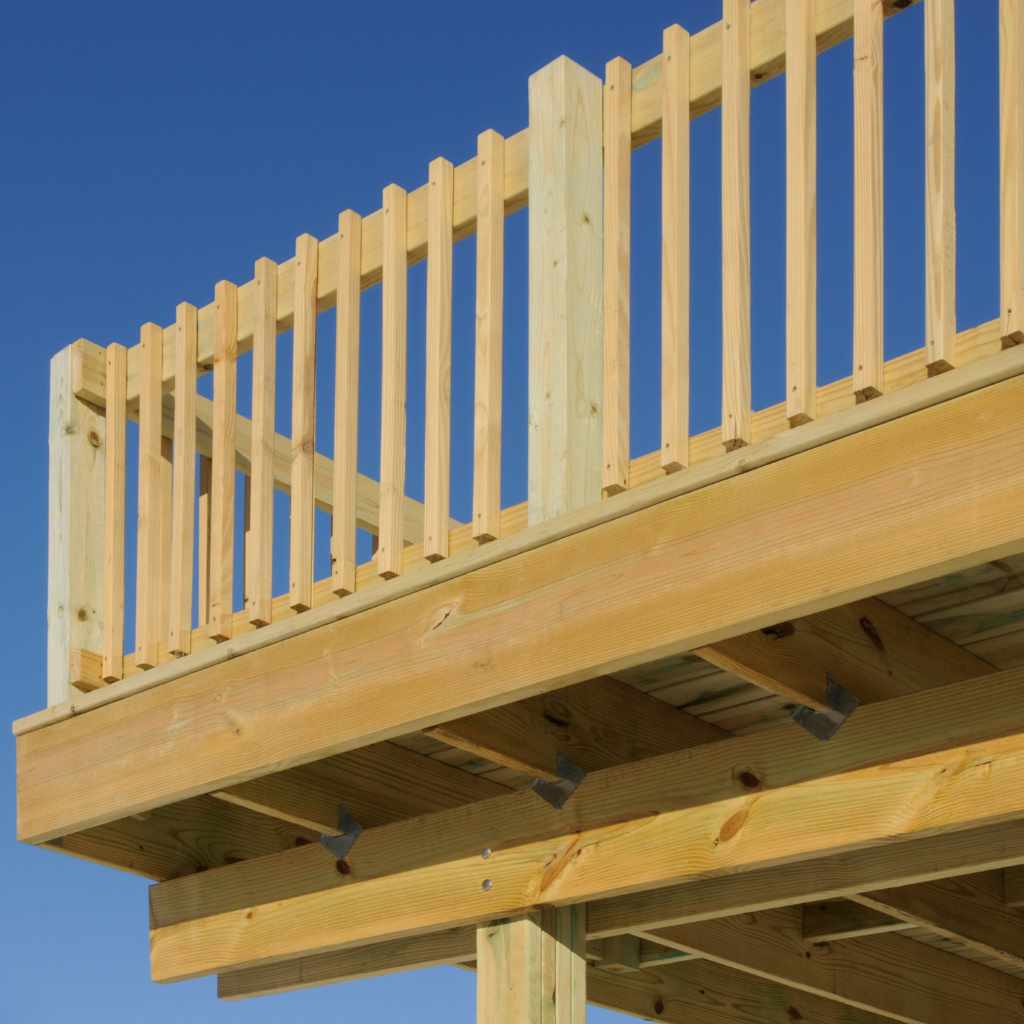
Choosing the right materials is important for the durability and appearance of your handrails. Wood is a popular choice for decks, but consider the type of wood and its resistance to the elements. Pressure-treated lumber is commonly used for posts and framing because it resists rot, decay, and insect damage. For the handrail itself, consider using a wood that weathers well and has a smooth texture. Also think about the look and finish you want to achieve.
- Pressure-treated lumber: This is ideal for posts and framing due to its resistance to moisture and decay. It’s a reliable choice for any outdoor project.
- Wood species for rails: Consider hardwoods like cedar or redwood for their natural beauty and weather resistance. These offer a great aesthetic appeal.
- Fasteners: Use corrosion-resistant screws and nails designed for outdoor use. Stainless steel or hot-dipped galvanized fasteners will ensure longevity.
- Finishes and sealants: Apply a high-quality wood stain or sealant to protect the wood from the elements. This is important for maintaining the appearance.
Gathering Essential Tools
Having the right tools will make your handrail project much easier and safer. A circular saw or miter saw is great for making precise cuts. A drill is needed for attaching the components. A level, measuring tape, and square are crucial for ensuring the rails are straight and plumb. Safety gear, like safety glasses and gloves, is necessary to protect yourself while you work. Having everything you need ready to go will streamline your building and save time.
- Circular Saw or Miter Saw: For making accurate cuts on your wood.
- Drill and Drill Bits: To drill holes for screws and bolts.
- Level, Measuring Tape, and Square: These are important for accurate measurements and ensuring the rails are straight.
- Safety Gear: Safety glasses, work gloves, and a dust mask.
Constructing the Deck Handrail Frame
The frame is the skeleton of your handrail, providing the structural support. This frame usually consists of posts, which are the vertical supports, and the top and bottom rails. The frame needs to be sturdy and stable to withstand the forces it will encounter. Correctly building the frame is important for the overall safety of the handrail. It provides the necessary foundation for the entire structure. Taking the time to build a strong frame ensures longevity and safety.
Installing the Posts
Posts are the anchors of your handrail system. They need to be securely attached to the deck structure. You can attach them to the deck’s rim joist. If you are building a new deck, you can build the posts into the deck’s frame. Ensure the posts are plumb, meaning perfectly vertical, using a level. The spacing between posts is often determined by local building codes. Securely installed posts will ensure your handrail will last and maintain safety standards.
- Post Attachment Options: Posts can be attached directly to the deck’s framing. You can also use post bases or brackets for mounting.
- Spacing and Alignment: Proper spacing is important. Make sure the posts are aligned correctly using a level.
- Post Height: Make sure the posts are tall enough to support the handrails.
- Secure Fastening: Use screws or bolts that are designed for outdoor use and are resistant to corrosion.
Attaching Top and Bottom Rails
Once the posts are in place, the top and bottom rails will connect them. Measure and cut the rails to the needed length. Attach the rails to the posts using screws or nails, making sure they are level and straight. The alignment of these rails is very important for the overall appearance and function of the handrail. Ensure the attachment points are secure and that the rails are firmly fixed in place. Secure connections provide support.
- Cutting and Fitting: Carefully measure and cut the rails to fit the space between the posts.
- Leveling the Rails: Use a level to ensure the top and bottom rails are straight and aligned horizontally.
- Secure Fasteners: Use screws or nails that are suitable for outdoor use.
Ensuring Frame Stability and Safety
After the frame is constructed, it’s vital to check its stability and safety. Give the frame a shake to make sure it doesn’t wobble or shift. Check all the fasteners to see if they are tight and secure. Address any instability right away. This frame is the foundation for your handrail, and any weaknesses need to be fixed before adding other components. A stable frame ensures that the handrail will be sturdy and safe to use.
- Visual Inspection: Check for any gaps or misalignments in the frame.
- Shake Test: Test the stability of the frame by applying pressure.
- Reinforcement: Consider adding diagonal braces.
Adding the Infill: Picketing, Spindles, or Panels
Infill refers to the material used between the top and bottom rails to provide safety and prevent people from falling through the railing. There are many options, including pickets, spindles, and panels. The style of infill is very important for the look and feel of your deck. It also contributes to the safety of the railing. Whatever you choose, follow the building codes to ensure safety.
Installing Pickets
Pickets are vertical pieces of wood installed between the top and bottom rails. Space the pickets so that a 4-inch sphere cannot pass through the openings. The spacing helps prevent accidents. The pickets need to be evenly spaced for a balanced look. Use screws to secure the pickets to the top and bottom rails, and make sure they are plumb, or perfectly vertical. A well-installed picket system gives the handrail a classic look.
- Picket Spacing: Local building codes specify the maximum spacing allowed. This is usually 4 inches.
- Attaching Pickets: Attach pickets with screws.
- Leveling and Alignment: Use a level to ensure the pickets are vertical and aligned.
Working with Spindles
Spindles are similar to pickets. They are often thinner and can have decorative designs. Spindles give a more refined look to the handrail. Install them following the same spacing rules as pickets. Use fasteners made for exterior use, such as screws, to secure the spindles to the top and bottom rails. Make sure the spindles are aligned evenly for a clean, professional finish. They add a touch of elegance.
- Spindle Selection: Choose spindles made from durable, weather-resistant materials.
- Spacing: Follow local codes. The same guidelines as pickets apply.
- Securing Spindles: Use screws to attach spindles securely.
Incorporating Panels
Panels offer a solid barrier. This is a good option for decks, especially where privacy or safety from young children is a concern. Panels can be made from wood, composite materials, or even metal. Make sure the panels are securely attached to the top and bottom rails, using screws or appropriate fasteners. This creates a sturdy barrier. This is a good option for protecting people from the hazards of a deck.
- Panel Materials: Choose weather-resistant and durable panels.
- Panel Attachment: Use screws.
- Safety and Compliance: Panels must meet local building code requirements.
Finishing Touches and Safety Checks
Once the frame and infill are complete, the finishing touches add a polished look. Applying a finish, such as stain or paint, protects the wood and enhances the appearance. Safety checks are important at this stage. Make sure the handrails meet all the necessary code requirements and are safe. Final inspections ensure that your hard work results in a secure and attractive deck handrail system.
Applying Finish and Sealant
Applying a finish protects the wood from the elements and improves the handrail’s look. First, clean the wood surface. Then, apply a stain or paint. Follow the manufacturer’s instructions for application. Consider applying a sealant to further protect the wood from moisture and UV damage. This will help your handrails last longer and keep their appearance. Using a sealant after staining will provide extra protection.
- Surface Preparation: Before applying finish, sand the wood surface smooth and clean it thoroughly.
- Choosing a Finish: Select a finish appropriate for outdoor use.
- Applying the Finish: Follow the manufacturer’s instructions for applying stain or paint.
Final Safety Inspection
A final inspection is an important step. Make sure that all screws and connections are secure. Check for any sharp edges or splinters that could cause injury. Confirm that the handrail height meets local building codes. Test the railing by applying pressure to see if it is stable. Fix any problems right away. This inspection guarantees that the handrail is safe. It gives you peace of mind.
- Check all fasteners: Make sure all screws and bolts are tight.
- Inspect for sharp edges: Remove any potential hazards.
- Verify compliance: Ensure the handrail meets local building codes.
Ongoing Maintenance for Deck Handrails
Regular maintenance ensures that your handrails remain safe and attractive over time. Inspect the handrails regularly for signs of wear and tear, such as loose screws, cracks, or rot. Re-stain or repaint the handrails as needed to protect them from the elements. This proactive maintenance will extend the life of your handrails. It keeps them safe and looking great for many years to come.
- Regular Inspections: Inspect the handrails at least twice a year.
- Cleaning: Keep the handrails clean to prevent the buildup of dirt and debris.
- Re-staining or Repainting: Re-stain or repaint the handrails every few years.
Case Study 1: A homeowner in Colorado built a deck with a new handrail. They properly prepared the surface before applying the finish. This extended the life of their handrail by several years, compared to previous work. The homeowner also chose weather-resistant materials. The handrail has remained structurally sound in harsh weather conditions.
Case Study 2: In Florida, a homeowner decided to install a handrail on their deck. They followed all local building codes. The deck passed the necessary inspections. This gave the homeowner confidence that the railing would withstand wear and tear. This is a very important step for safety.
Scenario 1: Imagine you are preparing to build a deck handrail, and you discover that some of the wood is already damaged. You will need to
Scenario 2: You are at the final stage of building. You have finished building the handrail frame and attaching the infill. You conduct a final inspection to confirm that all of your screws and bolts are tight. You are also certain that there are no sharp edges or splinters. After this, you are confident that your work is complete.
Statistic: According to the National Association of Home Builders, approximately 60% of homeowners undertake DIY home improvement projects each year, highlighting the popularity of projects like deck handrail construction.
Statistic: Research indicates that the average cost to
Statistic: Compliance with building codes, including those pertaining to handrail safety, has been shown to reduce fall-related injuries on decks by up to 35% according to studies by the Consumer Product Safety Commission.
| Feature | Picket Railing | Spindle Railing | Panel Railing |
|---|---|---|---|
| Appearance | Classic, traditional | Elegant, refined | Solid, private |
| Installation | Simple, straightforward | Moderate, requires spacing | Can be more involved |
| Maintenance | Generally low | Moderate, potential for spindle damage | Can be low, depending on material |

Frequently Asked Questions
Question: What is the required height for a deck handrail?
Answer: Building codes usually require handrails to be between 34 and 38 inches high, measured from the deck surface to the top of the rail.
Question: What type of wood is best for deck handrails?
Answer: Pressure-treated lumber is commonly used for posts and framing, while cedar or redwood are popular choices for rails due to their weather resistance and beauty.
Question: How far apart should pickets or spindles be spaced?
Answer: Building codes usually specify a maximum spacing of 4 inches to prevent a 4-inch sphere from passing through.
Question: What kind of fasteners should I use for outdoor handrails?
Answer: Use corrosion-resistant screws and nails designed for outdoor use, such as stainless steel or hot-dipped galvanized fasteners.
Question: How often should I inspect my deck handrails?
Answer: It’s a good idea to inspect your deck handrails at least twice a year. This allows you to catch any possible problems.
Final Thoughts
Building deck handrails might seem like a lot of work, but following these steps makes the process manageable. By starting with a plan and choosing the right materials, you can create strong, safe, and great-looking handrails. Building the frame with care ensures that your handrails are stable and sturdy. Next, adding the infill (pickets, spindles, or panels) provides safety and style. Don’t forget the finishing touches and safety checks. Regular inspections and maintenance will ensure that your handrails last. Building handrails is something you can do. You will provide a secure and welcoming space for your family and guests. So, gather your tools, follow the steps, and get started today. Build with confidence, and enjoy the satisfaction of a job well done!