How To Buy Wall Paint: Genius Essential Guide
Buying wall paint involves choosing the right finish (sheen) for durability and look, selecting a quality paint with good coverage, and knowing how much you need. Always test colors in your space, considering lighting before making your final purchase.
Choosing wall paint might seem simple, but with so many options, it can feel overwhelming. Different finishes, endless colors, and varying quality can leave anyone scratching their head. Don’t worry! This guide will walk you through the process step-by-step, making buying paint as easy as painting itself. You’ll gain the confidence to pick the perfect paint for your project, transforming your space with a color you’ll love.
Understanding Paint Finishes (Sheens): The Look and Durability Factor
The first big decision is the paint’s finish, often called sheen. This isn’t just about how shiny your walls look; it also impacts how durable and easy to clean they are. Think of it like choosing the right tool for a job – the wrong sheen can make long-term maintenance a headache.
1. Flat/Matte Paint
This is the least reflective finish. It’s great for hiding minor wall imperfections like small bumps or cracks because it doesn’t bounce light back at you. Matte paint provides a soft, velvety look that’s perfect for ceilings and low-traffic areas like adult bedrooms or formal living rooms.
- Pros: Hides imperfections well, rich color depth, non-reflective.
- Cons: Least durable, difficult to clean, can show scuff marks easily.
2. Eggshell Paint
Slightly more reflective than flat, eggshell has a subtle sheen, like the surface of an eggshell. It offers a good balance between a soft look and better durability than flat paint. It’s a popular choice for living rooms, dining rooms, and hallways.
- Pros: Washable, more durable than flat, subtle sheen.
- Cons: May not hide severe imperfections as well as flat.
3. Satin Paint
Satin offers a bit more shine and noticeably better washability. It’s a versatile finish that works well in high-traffic areas like kitchens, bathrooms, and kids’ rooms where you might need to wipe away smudges or stains more frequently. The slight sheen can make colors appear a little brighter.
- Pros: Good durability, easy to clean, mildew-resistant (especially in higher-quality formulas).
- Cons: Can show imperfections more than flat or eggshell.
4. Semi-Gloss Paint
This finish is much shinier and very durable. Semi-gloss paint is ideal for trim, doors, and cabinets that get a lot of handling or where you want a bold contrast. It’s also highly resistant to moisture, making it a strong contender for bathrooms and kitchens.
- Pros: Very durable, excellent moisture and stain resistance, easy to clean.
- Cons: Highlights wall imperfections significantly, can look too shiny on large wall expanses.
5. High-Gloss Paint
The shiniest option, high-gloss paint is exceptionally durable and easy to clean. It reflects a lot of light, creating a dramatic, polished look. This finish is typically reserved for trim, doors, and furniture where you want a statement piece. It requires a very smooth surface as it will highlight every flaw.
- Pros: Most durable, easiest to clean, striking modern look.
- Cons: Shows every imperfection, can be too much for large areas.
Here’s a quick way to remember:
| Finish | Sheen Level | Best For | Durability | Hides Imperfections? |
|---|---|---|---|---|
| Flat/Matte | None | Ceilings, low-traffic adult rooms | Low | Excellent |
| Eggshell | Low | Living rooms, adult bedrooms, hallways | Moderate | Good |
| Satin | Medium | Kitchens, bathrooms, kids’ rooms, high-traffic areas | High | Fair |
| Semi-Gloss | High | Trim, doors, cabinets, bathrooms | Very High | Poor |
| High-Gloss | Very High | Doors, trim, furniture (accent pieces) | Highest | Very Poor |
Understanding Paint Types: Latex vs. Oil-Based
When you look at paint cans, you’ll notice they’re usually labeled as either latex or oil-based. This refers to the binder, the part of the paint that holds the pigment together and helps it stick to the surface.
Latex Paint (Water-Based)
Latex paint is the most popular choice for homeowners due to its ease of use and cleanup. It’s water-reducible, meaning you can clean brushes, rollers, and spills with soap and water. It dries faster than oil-based paint, has less odor, and is flexible, so it’s less likely to crack over time.
- Pros: Easy cleanup with water, low odor, fast drying, flexible, durable.
- Cons: Can sometimes show brush strokes more than oil (though modern formulas have improved greatly).
Oil-Based Paint (Alkyd)
Oil-based paints use mineral spirits or other petroleum-based solvents for thinning and cleanup. They create a very hard, durable finish that’s resistant to chipping and scuffing. They are often used for trim, doors, and cabinets where a super-tough surface is needed. However, they have a strong odor, take longer to dry, and require special solvents for cleanup.
- Pros: Very hard and durable finish, excellent flow and leveling (few brush marks).
- Cons: Strong odor, requires solvents for cleanup, longer drying time, can yellow over time, less flexible than latex.
Which is Right for You?
For most interior walls, latex paint is the way to go. Modern latex paints offer fantastic durability and beautiful finishes. Oil-based paints are still excellent for high-wear trim and doors, but their strong fumes and cleanup complexity often make them less ideal for a beginner tackling a whole room.
Quality Matters: Why Splurge on Better Paint?
You’ll see a range of prices for paint, and it’s tempting to go for the cheapest option. However, investing in a higher-quality paint is one of the smartest decisions you can make. Think of it as buying a well-made tool – it works better, lasts longer, and makes your job easier and the final result more beautiful.
Benefits of Higher-Quality Paint:
- Better Coverage: High-quality paints often require fewer coats to achieve full, even color. This saves you time and paint.
- Durability: They are formulated with better binders and pigments that resist fading, scrubbing, and general wear and tear.
- Ease of Application: These paints often have a smoother consistency, allowing for easier application with fewer drips and better leveling.
- Color Retention: The colors stay truer and fade less over time, especially important for lighter and bolder hues.
Look for terms like “premium,” “ultra,” or “scrubbable” on the label. While a basic gallon might cost $20-$30, a premium option could be $50-$80. The time and effort saved, plus the longevity of the finish, usually make it well worth the extra cost. For more information on paint properties, the Building Science Corporation offers in-depth, technical details that underpin why quality makes a difference.
Calculating How Much Paint You Need: The Goldilocks Rule
Running out of paint mid-project is frustrating. Buying too much means wasted money and paint. Here’s how to get it just right:
Step 1: Measure Your Walls
Carefully measure the length of all the walls you plan to paint. Add these lengths together to get the total linear footage of your room.
Example: A room with four walls, each 10 feet long, has a total length of 40 feet (10 + 10 + 10 + 10 = 40).
Step 2: Measure the Height
Measure the height of your walls from the floor to the ceiling. This is your wall height.
Example: If your walls are 8 feet high.
Step 3: Calculate Square Footage
Multiply your total linear footage by your wall height. This gives you the total square footage of your walls.
Calculation: Total Linear Footage × Wall Height = Total Wall Square Footage
Example: 40 feet × 8 feet = 320 square feet.
Step 4: Subtract Windows and Doors
You don’t need to paint windows or doors. Measure the approximate square footage of each window and door. A standard door is about 20 sq ft, and a standard window is about 15 sq ft.
Subtract the total square footage of your windows and doors from your total wall square footage.
Example: If you have two standard doors (2 x 20 sq ft = 40 sq ft) and two standard windows (2 x 15 sq ft = 30 sq ft), your total reduction is 70 sq ft.
Example Calculation: 320 sq ft (walls) – 70 sq ft (windows/doors) = 250 sq ft (paintable area).
Step 5: Check Paint Coverage
Most paint cans will state the estimated coverage area, usually per gallon. This is typically between 300 and 400 square feet.
Pro Tip: Always use the lower end of the coverage estimate, especially if you’re painting a dark color over a light one, or using a lower-quality paint, as you may need more.
Step 6: Determine Gallons Needed
Divide your total paintable square footage by the coverage per gallon. Remember you’ll likely need two coats for best results.
Calculation for One Coat: Paintable Square Footage ÷ Coverage Per Gallon = Gallons Needed
Example: If your paint covers 350 sq ft per gallon and your room needs 250 sq ft of coverage:
250 sq ft ÷ 350 sq ft/gallon = 0.71 gallons. You’ll need at least one gallon for one coat.
For Two Coats: Multiply your initial gallon calculation by two.
Example (Two Coats): 0.71 gallons/coat 2 coats = 1.42 gallons. You will need to buy 2 gallons to be safe.
It’s always better to have a little extra paint left over for touch-ups later than to run out! A general rule of thumb is that one gallon of paint covers about 350-400 square feet with one coat.
Choosing the Right Color: Beyond the Swatch
Picking a color can be the most fun, but also the most daunting part! A tiny swatch in the store can look completely different on your wall.
1. Consider Lighting
Light is a huge factor in how a color appears. Natural light changes throughout the day, and artificial light (warm incandescent vs. cool LED) can significantly alter a shade.
- North-facing rooms: Receive cooler, bluer light, which can make colors appear muted or even a bit gray. Warmer undertones in paint can help balance this.
- South-facing rooms: Get plenty of warm, bright light, making colors appear truer.
- East-facing rooms: Get warm light in the morning, which turns cooler later in the day.
- West-facing rooms: Start with cooler light and get warmer, brighter light in the afternoon.
2. Understand Undertones
Most colors have subtle undertones. A gray might have blue, green, or purple undertones. A white might have yellow or pink notes. Looking at the side of the paint chip often reveals these subtle hues.
3. Get Samples and Test!
This is the most critical step. Never buy a large can of paint without testing it first. Buy sample pots of your top 2-3 color choices. Paint large swatches (at least 1ft x 1ft) on different walls in the room you plan to paint. Observe them at different times of day and under different lighting conditions (natural light, lamps on/off). This is the best way to be sure you love the color in your specific space.
4. Think About the Mood
Colors evoke feelings. Light, airy colors can make a space feel larger and more serene. Bold colors can add energy and personality. Dark colors can create a cozy, dramatic ambiance.
5. Consider the Existing Elements
Think about your furniture, flooring, and any artwork. The paint color should complement these elements, not clash with them. You can pull colors from textiles or artwork for inspiration.
Essential Tools and Supplies for Buying and Painting
While this guide is about buying paint, a quick mention of essential supplies will help you buy the right quantities* and be ready to go:
- Quality Paint Brushes: Angled brushes are great for cutting in edges.
- Roller Covers: Different naps (thickness) for different surfaces (smoother walls need shorter naps).
- Roller Frame and Extension Pole: For reaching high areas easily.
- Paint Tray and Liners: For holding paint.
- Painter’s Tape: For clean lines along trim and edges.
- Drop Cloths: To protect floors and furniture.
- Screwdriver or Putty Knife: To open paint cans.
- Stir Sticks: To thoroughly mix the paint.
- Rags or Paper Towels: For wiping up spills.
Common Paint Buying Mistakes to Avoid
Even with the best intentions, a few common pitfalls can trip up beginners:
- Not Testing Colors: The #1 mistake! A tiny swatch can look nothing like the painted wall.
- Buying the Wrong Finish: Using flat paint in a high-moisture bathroom is a recipe for mold and difficult cleaning.
- Underestimating Quantity: Running out of paint and having to match a shade later is nearly impossible.
- Ignoring Lighting: Picking a color in a well-lit paint store and expecting it to look the same in a dimly lit room.
- Not Stirring Properly: Paint separation can lead to uneven color and finish on your walls. Always stir thoroughly, or even use a paint mixer attachment for your drill.
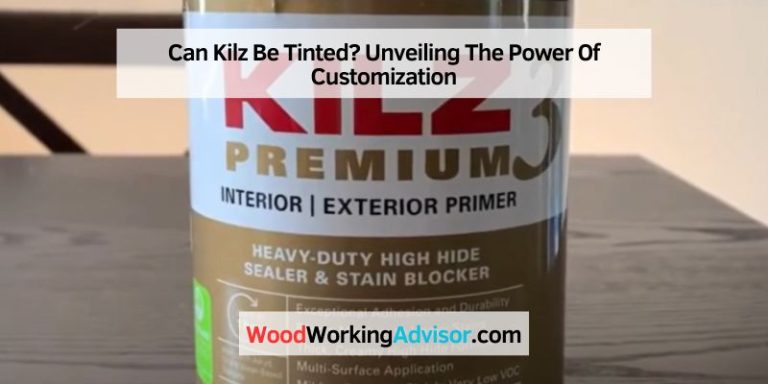
- Skipping Primer: For significant color changes or painting over glossy surfaces, primer is your friend. It ensures better adhesion and truer color.
Frequently Asked Questions (FAQ)
Q1: What is the most popular interior paint finish for walls?
A1: Eggshell and satin finishes are the most popular for interior walls. They offer a good balance of durability, washability, and a pleasant, low-sheen appearance, making them suitable for most rooms.
Q2: How do I know if I need primer?
A2: You should use primer for several reasons: when painting over a dark color with a light color, when painting over stained or heavily marked walls, on new drywall, or when painting glossy surfaces. Primer helps ensure even color and better paint adhesion.
Q3: Can I mix different brands of paint in the same color?
A3: It’s best not to mix different brands, even if they are the same color. Each brand uses slightly different pigment and binder formulas, which can result in subtle color variations or an inconsistent finish.
Q4: How long does paint typically last on walls?
A4: With proper application and a quality paint, interior paint can last anywhere from 5 to 10 years, sometimes longer. High-traffic areas and surfaces prone to scuffs or moisture might need touching up or repainting sooner.
Q5: What’s the difference between interior and exterior paint?
A5: Exterior paint is formulated to withstand harsh weather conditions like UV rays, rain, temperature fluctuations, and mildew growth.