How To Clean Oak Furniture And Keep It Looking Like New
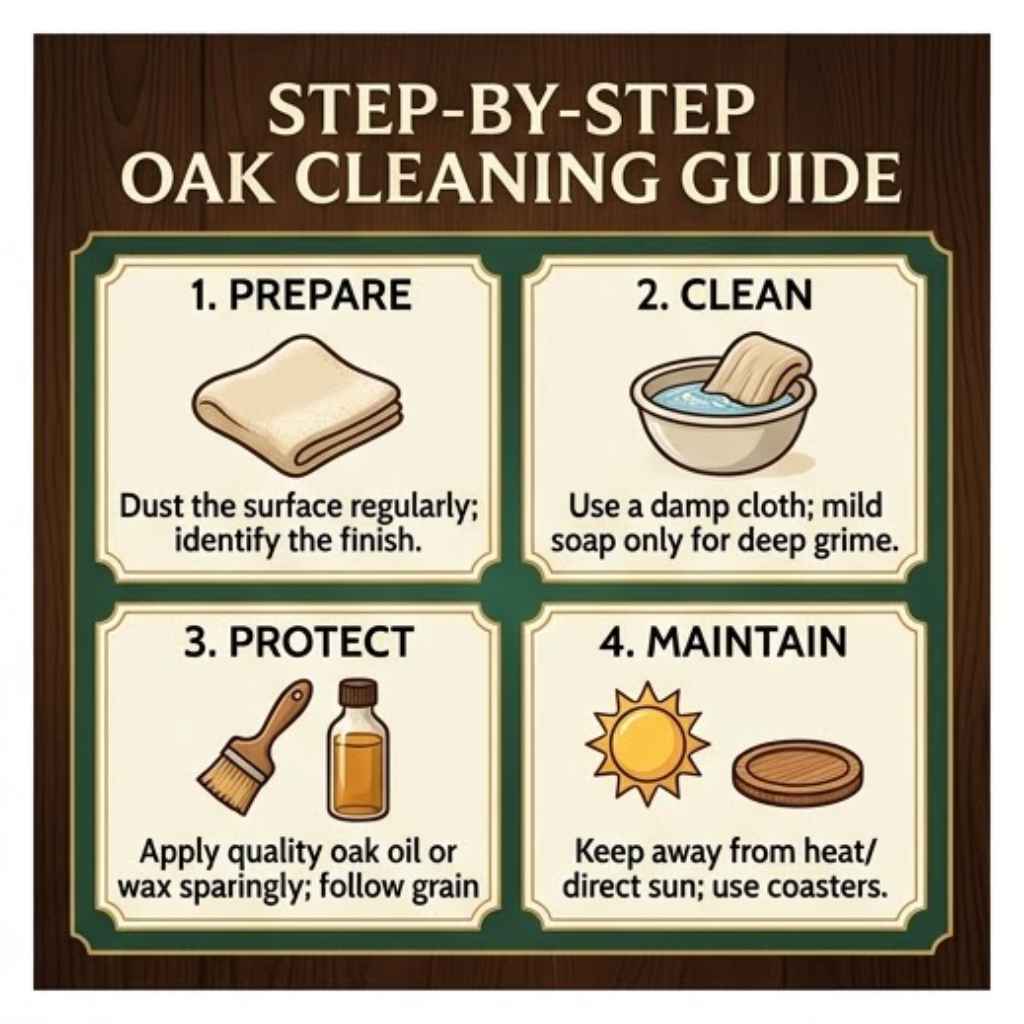
Oak furniture cleaning involves gentle methods to remove dirt and grime. Regular dusting with a soft cloth is key. For deeper cleaning, use a mild soap solution or a specialized wood cleaner. Always wipe with the wood grain and dry thoroughly. Avoid harsh chemicals and excessive water to protect the finish.
Understanding Oak Furniture
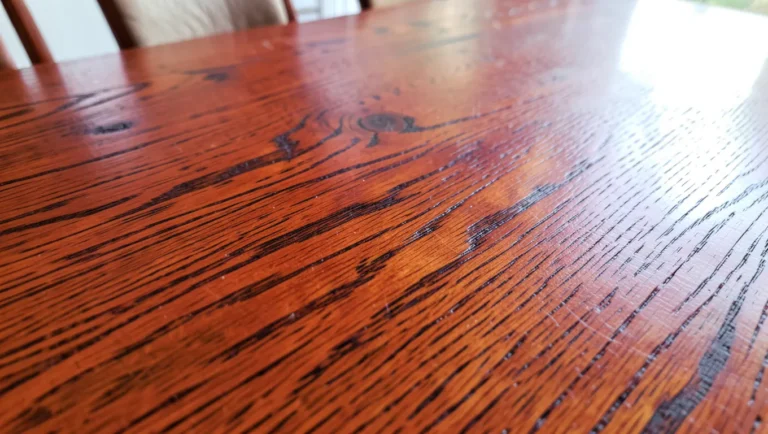
Oak wood is strong. It has a nice grain pattern. This makes it popular for furniture.
Oak is a hardwood. It is durable. It resists dents and scratches well.
This is why it lasts so long.
Oak furniture can have different finishes. Some are sealed. Others are waxed or oiled.
The finish protects the wood. It also gives it its look. Knowing your furniture’s finish is important.
It tells you how to clean it best.
Common oak finishes include:
- Polyurethane: A tough, plastic-like coating. It’s very common.
- Varnish: Similar to polyurethane but often less durable.
- Shellac: An older finish. It’s sensitive to heat and alcohol.
- Oil finishes: These soak into the wood. They give a more natural look.
- Wax: Often used over other finishes for extra shine.
Each finish needs slightly different care. But the basics of cleaning are the same. Gentle is always best.
One less common finish worth knowing is ceruse (or limed) oak — a wirebrushed, whitewashed look used on pieces like the Homage round white oak and marble coffee table. It needs its own care routine, since ordinary furniture polish or oil soap can streak the limed grain instead of cleaning it.
Harsh cleaners can strip the finish. They can damage the wood itself.
The Dangers of Wrong Cleaning
It’s easy to make mistakes when cleaning. People often grab what’s handy. A kitchen cleaner or a wet rag might seem fine.
But they can cause real harm.
Using too much water is a big problem. Wood soaks up water. This can cause it to swell.
It can also warp the wood. If water gets into cracks, it’s worse. It can lead to mold.
It can also ruin the finish.
Harsh chemicals are another danger. Things like ammonia or bleach are too strong. They can fade the color of the oak.
They can also break down the protective finish. This leaves the wood exposed. It then becomes more prone to damage.
Abrasive cleaners or scrubbers are also bad. They can scratch the surface. Even if the scratch isn’t deep, it shows.
It dulls the shine. It can be hard to fix these marks.
My own dining table is a good example. I once used a cleaner that was too strong. I didn’t know better.
It left a dull spot. It took a lot of careful work to fix it. I learned my lesson then.
Always check what you’re using.
My First Oak Furniture Cleaning Scare
I remember it clearly. It was a vintage oak dresser. It had been in my family for years.
It was beautiful. It had a lovely, deep shine. I wanted to dust it.
I thought a damp cloth would be fine.
I grabbed a regular dish towel. I wet it. I started wiping.
But the towel was a bit rough. I also used more pressure than I should have. When I finished, I saw it.
A faint, dull scratch. It was right on the top surface. My heart sank.
I felt so stupid. And upset. I had damaged something precious.
I spent the next hour trying to rub it out. It didn’t work. That’s when I realized I needed to learn proper care.
I needed to know how to clean oak furniture without causing damage. It led me down a rabbit hole of learning about wood care. And I’m so glad it did.
Now I can keep my furniture looking great.
Essential Cleaning Tools and Supplies
You don’t need much for good oak furniture care. The key is having the right, gentle items. Think soft and mild.
Here’s what I keep on hand:
- Soft microfiber cloths: These are a must. They pick up dust well. They don’t scratch. Have a few of them.
- A soft-bristled brush: For getting into nooks and crannies. Like carved details.
- Mild soap: Like a gentle dish soap. Just a tiny amount.
- Distilled water: Tap water can have minerals. These can leave spots.
- Wood cleaner: A good quality, pH-neutral wood cleaner is great.
- Wood polish: For adding shine after cleaning.
- A clean, dry cloth: For buffing and drying.
Avoid anything abrasive. No paper towels. They can be rough.
No harsh chemicals. Keep it simple and soft. This makes a big difference.
Quick Supply Checklist
- Soft Microfiber Cloths: For dusting and wiping.
- Soft Brush: For details and corners.
- Mild Soap: Like gentle dish soap.
- Distilled Water: To avoid mineral spots.
- Wood Cleaner: pH-neutral is best.
- Wood Polish: For shine.
- Dry Cloth: For buffing.
The Gentle Art of Dusting
Dust is the enemy of shine. It dulls the wood. It can scratch over time.
Regular dusting is the first step. It’s also the most important step.
Use a dry microfiber cloth. Gently wipe the surfaces. Always follow the direction of the wood grain.
You can see the lines in the wood. Wipe along those lines. This prevents scratches.
It also helps lift dust better.
For carved areas or legs, use a soft-bristled brush. A clean paintbrush works well too. Gently sweep away dust.
Then, wipe the smooth surfaces with your cloth. Don’t press too hard. You’re just removing loose dust.
How often should you dust? Depends on your home. If you have pets or allergies, dust more often.
Maybe every few days. For most homes, once a week is good. This simple step keeps your oak looking nice.
Deep Cleaning Oak Furniture
Dusting is for maintenance. But sometimes oak furniture needs more. It might have sticky spots.
Or a layer of grime. This is when deep cleaning is needed.
First, dust the piece thoroughly. Get all the loose dirt off. Then, prepare your cleaning solution.
I like to use a very mild soap. Mix a tiny drop of gentle dish soap. Use it with distilled water.
You want the water to be barely soapy.
Get a clean microfiber cloth. Dip it in the solution. Wring it out really well.
It should be damp, not wet. You don’t want water to drip. Wipe the surface gently.
Again, go with the wood grain. Work in small sections.
As soon as you wipe a section, dry it. Use a separate, clean, dry microfiber cloth. Buff the area slightly.
This removes any moisture. It also helps restore shine. Never let water sit on the wood.
Another great option is a good wood cleaner. Look for one that is pH-neutral. These are made for wood.
They clean without stripping the finish. Follow the product instructions carefully. Most of them involve spraying onto a cloth, not directly on the wood.
Always test any cleaner in an inconspicuous spot first. This might be the underside of a table. Or the back of a leg.
Wait for it to dry. See how the finish looks. If it’s good, proceed.
Dealing with Stubborn Stains and Marks
Life happens. Spills and marks are common. Especially on dining tables or coffee tables.
Don’t panic. Many marks can be fixed.
For fresh spills, act fast. Blot them up immediately with a soft cloth. Don’t rub.
Rubbing can spread the spill. It can also push it into the wood grain.
For sticky residue, like from tape or labels:
You can use a bit of mineral oil. Apply a small amount to a cloth. Rub the residue gently.
It should start to lift. Then, clean the area with your mild soap solution. Dry it well.
For water rings: These are tricky. They happen when moisture gets trapped in the finish. Try buffing the ring with a soft cloth.
Sometimes that’s enough. If not, you can try a bit of non-gel toothpaste. Use a tiny amount.
Rub it gently into the ring with a soft cloth. Then wipe clean with a damp cloth. Dry and buff.
For white marks (heat marks): These are similar to water rings. They mean heat has damaged the finish. Try the toothpaste method.
Or try a fine steel wool (#0000 grade) with a bit of lemon oil. Rub very gently. Always follow with a cleaner and dry buffing.
For dark marks (ink, pet stains): These can be tougher. They might have penetrated the wood. For light ink marks, try a pencil eraser.
For darker stains, you might need a specialized wood stain remover. Always test these first.
If a stain is deep into the wood, it might need professional help. Or refinishing. But most common marks can be handled with care.
Tackling Tough Spots
Sticky Residue: Use mineral oil on a cloth. Gently rub. Clean with mild soap.
Dry well.
Water Rings: Try buffing. If needed, use non-gel toothpaste. Rub gently.
Clean and dry.
White Marks: Similar to water rings. Try toothpaste or #0000 steel wool with lemon oil. Very gentle.
Clean and buff.
Dark Stains: For light ink, use an eraser. Deeper stains may need special removers. Always test first.
Polishing Oak Furniture for Shine
Cleaning takes away dirt. Polishing brings back the glow. A good polish can also add a layer of protection.
Choose a quality wood polish. Look for one that doesn’t leave a waxy buildup. Some polishes can make wood sticky over time.
Others can attract dust.
Apply a small amount of polish to a clean, soft cloth. Not directly to the furniture. Rub the polish onto the oak surface.
Work with the wood grain. Don’t use too much. A little goes a long way.
Let the polish sit for a few minutes. This allows it to penetrate the finish. Then, take another clean, dry cloth.
Buff the surface. Use firm, circular motions. This brings out the shine.
It also removes any excess polish.
How often should you polish? This depends on your home. And the finish on your furniture.
For most homes, once every few months is enough. Some people do it seasonally. Over-polishing can also cause problems.
It can make the finish too soft or sticky.
Pay attention to how the furniture looks and feels. If it seems dull, it’s time for a polish. If it feels slightly greasy, you may have used too much.
Restoring Old or Damaged Oak
Sometimes oak furniture is old. Or it has seen better days. Scratches can be deep.
The finish might be worn. You might want to restore it.
Minor scratches can sometimes be improved. You can use a wood crayon or marker. Match the color to your oak.
Gently fill the scratch. Then buff with a soft cloth. This hides light damage.
For deeper scratches or worn areas, you might need to refinish. This is a bigger job. It involves sanding.
Then applying a new finish. It can make old furniture look new again.
If the finish is completely gone, you’ll need to seal the wood. You can use a clear coat of polyurethane. Or you can use an oil finish.
This depends on the look you want.
Before you start refinishing, do your research. Understand the type of wood and its existing finish. You don’t want to mix incompatible products.
For very valuable antique pieces, it’s often best to consult a professional restorer.
I once restored an old oak desk. It was covered in nicks and old paint drips. It took days of careful sanding.
But when I applied a new coat of oil and wax, it was breathtaking. It looked like a new piece.
Protecting Your Oak Furniture Long-Term
Cleaning is reactive. Protection is proactive. Keeping your oak furniture looking good means protecting it every day.
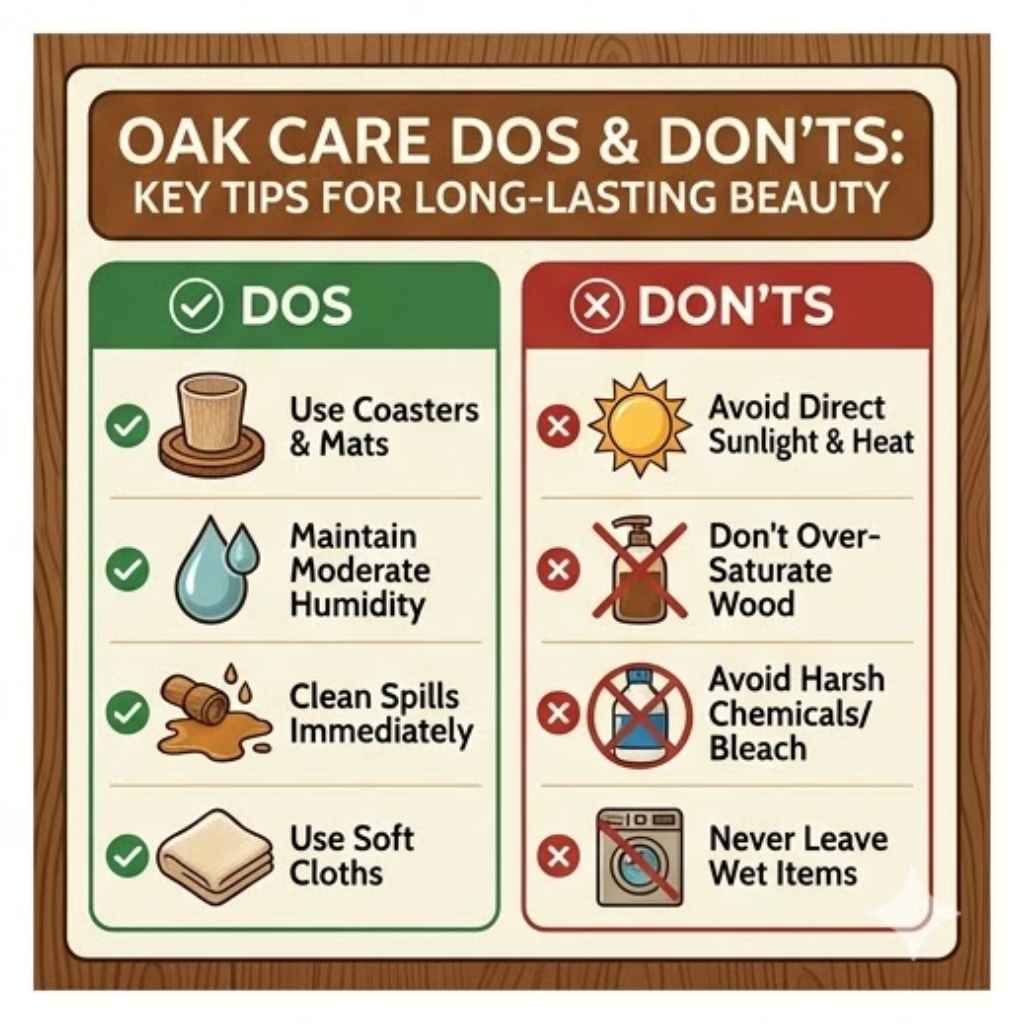
Use coasters: This is crucial for tables. Prevent water rings from drinks. Protect from heat too.
Use placemats: For dining tables. Protect from food spills. And scratches from plates.
Avoid direct sunlight: Sunlight can fade the wood. It can also dry out the finish. Move furniture if possible.
Or use blinds or curtains. Control humidity: Very dry air can cause wood to shrink. Very humid air can cause it to swell.
Try to keep humidity levels steady. A humidifier or dehumidifier can help. Clean up spills quickly: As we talked about.
Speed is your friend here. Avoid placing hot items directly: Use trivets or hot pads for pots and pans. Lift, don’t drag: When moving furniture, always lift it.
Dragging can scratch floors and damage the furniture legs.
These steps are simple. But they make a huge difference. They prevent damage.
They extend the life of your oak furniture.
Long-Term Protection Tips
- Use Coasters & Placemats: Always protect surfaces.
- Block Direct Sun: Prevent fading and drying.
- Maintain Humidity: Keep air levels steady.
- Wipe Spills Fast: Don’t let them set.
- Use Trivets: For hot dishes.
- Lift Furniture: Never drag it.
When to Call a Professional
Most oak furniture cleaning is DIY. You can handle dust, spills, and light marks. But sometimes, you need expert help.
If you have a very valuable antique piece, consider a pro. They have special knowledge. They know how to restore without causing damage.
They can identify old finishes. They know the best ways to treat them.
If you have deep scratches or gouges. If the finish is severely damaged. Or if you’re dealing with water damage from a flood.
These are jobs for professionals.
Also, if you’re just not comfortable. If you’re afraid of making it worse. It’s okay to get help.
A good furniture restorer can do wonders. They can save pieces you thought were ruined.
The cost of a professional might seem high. But it can be worth it. Especially for cherished items.
They can bring back beauty. They can preserve history.
What to Avoid When Cleaning Oak
Let’s recap the no-nos. This is just as important as knowing what to do.
- Harsh chemicals: Bleach, ammonia, window cleaner, all-purpose sprays. They strip finishes. They fade wood.
- Abrasive cleaners: Powders, scrub pads, steel wool (unless #0000 for specific issues). They scratch.
- Excessive water: Never soak the wood. Damp cloths are key. Dry immediately.
- Steam cleaners: The moisture and heat are terrible for wood.
- Silicone-based polishes: These can build up. They can make future refinishing hard.
- Paper towels: Often too rough. Use microfiber cloths.
- Rubbing vigorously: Always wipe gently.
Think of your oak furniture like a gentle friend. Treat it with care. Use soft things.
Clean it with mild solutions. Protect it from harm. It will thank you with years of beauty.
Don’t Do These Things!
Avoid: Harsh chemicals, abrasive cleaners, soaking wet cloths, steam, silicone polishes, paper towels, and rubbing hard.
Real-World Scenarios
Let’s look at common spots where oak furniture lives.
The Dining Room Table: This is often the hardest working piece. It sees spills, crumbs, and sometimes heat. Regular dusting is a must.
Use placemats and coasters religiously. Clean spills immediately. A mild soap solution is good for dinner messes.
Polish a few times a year.
The Oak Coffee Table: This can also get a lot of use. Drinks, books, maybe even feet. Use coasters for glasses.
Be careful with TV remotes or sharp objects that could scratch. Dust often. Clean gently if needed.
Polish for shine.
Oak Bedroom Dresser/Chest: These usually see less direct action. Dusting is the main task. Keep perfumes or lotions off the wood.
If they spill, clean fast. A mild cleaner is fine for general dirt. Polish to keep it looking good.
Oak Desk: Desks can get ink stains, pen marks, or heat marks from laptops. Use a desk pad. Be mindful of where you place hot items.
Dust regularly. For minor marks, try gentle methods. For tough stains, research specific wood cleaners.
Each piece might need slightly different care. But the core principles remain. Gentle cleaning, prompt spill cleanup, and regular protection.
When is it Normal for Oak to Look a Certain Way?
Oak has natural variations. And its appearance changes with age. It’s good to know what’s normal.
Grain patterns: Oak has a strong, distinct grain. This is natural. It can vary from straight to wavy.
This is part of its beauty. It’s not a defect.
Color changes: Over time, oak can darken. This is called oxidation. It’s a natural aging process.
Sunlight can also cause fading. Neither is usually a sign of damage. Unless it’s a sudden, uneven change.
Minor imperfections: Small knots or pinholes can be present. These are part of the wood. They usually don’t affect the strength.
They are common in natural wood products.
Wear and tear: A slight sheen reduction from use is normal. Small nicks on edges can happen. These show the furniture is used and loved.
It’s when you see significant issues that you worry. Like large cracks. Peeling finish.
Swollen wood. Or dark, widespread water stains. These need attention.
Simple Checks You Can Do
Doing a quick check now and then can prevent big problems.
The Finger Test: Run your hand over the surface. Feel for any roughness. Are there new scratches?
Is the finish sticky or uneven?
The Visual Check: Look at the piece from different angles. Is the color even? Are there any suspicious spots or marks?
Check legs and undersides too.
The Wobble Test: Gently try to move the furniture. Does it feel solid? Are any joints loose?
This is especially important for tables and chairs.
The Moisture Check: Look for any signs of water damage. Especially around the base or near windows. Check for swelling or warping.
These simple checks take seconds. They can alert you to issues early. This makes them easier to fix.
Quick Fixes and Tips
Here are some easy things you can do.
For a dull spot: Try buffing with a clean, dry cloth. Sometimes just friction brings back shine.
For a slight smudge: Use a slightly damp microfiber cloth. Wipe and then dry immediately.
For a faint scratch: A wood crayon or even a walnut can sometimes help. Rub the walnut in the scratch. The oils can disguise it.
For a sticky drawer: Clean the runners with a damp cloth. Dry well. A tiny bit of wax can help it slide smoother.
For a loose screw: Tighten it gently. Don’t overtighten. It can strip the wood.
These are small things. But they help keep your furniture in good shape.
Frequently Asked Questions about Cleaning Oak Furniture
Can I use Murphy Oil Soap on my oak furniture?
Murphy Oil Soap is generally considered safe for many wood finishes. However, it can leave a residue if not used sparingly and rinsed properly. Always test in an inconspicuous area first.
For deep cleaning, a mild dish soap is often preferred due to its gentler nature and less potential for buildup.
How do I remove white rings from oak tables?
White rings are usually moisture trapped in the finish. You can try buffing with a dry cloth first. If that doesn’t work, a tiny amount of non-gel toothpaste rubbed gently with a soft cloth can often lift the ring.
Wipe clean with a damp cloth and dry thoroughly.
Is it okay to use furniture polish regularly?
Regular use of furniture polish is not always necessary. Over-polishing can lead to buildup, making the finish sticky or dull. Dusting is more important for daily care.
Polish about once every few months or when the furniture starts to look dull. Choose a quality polish that doesn’t leave a waxy residue.
Can I use a wet cloth to clean oak furniture?
No, you should never use a wet cloth. Always use a damp cloth that has been wrung out thoroughly. Excess water can damage the wood finish, causing swelling or discoloration.
Dry the surface immediately after wiping with a damp cloth.
What is the best way to clean oak cabinets?
Cleaning oak cabinets is similar to cleaning oak furniture. Dust them regularly. For daily cleaning, use a soft cloth slightly dampened with water.
For tougher grime, use a mild soap solution or a dedicated wood cleaner. Wipe with the grain and dry immediately. Avoid harsh cleaners and too much moisture.
How often should I dust my oak furniture?
You should dust your oak furniture at least once a week. If you have pets, allergies, or live in a dusty area, you may want to dust more frequently, perhaps every few days. Regular dusting prevents grime buildup and helps maintain the finish’s shine.
Conclusion
Caring for oak furniture doesn’t have to be scary. With gentle methods and the right tools, you can keep it beautiful. Remember to dust often.
Use mild cleaners when needed. Always dry thoroughly. Protect it from sun and moisture.
Your oak pieces are an investment. Treat them with care. They will bring you joy for many years.
Sponsored / affiliate links. As an Amazon Associate I earn from qualifying purchases. I may earn additional commission from eligible campaigns.