How to Finish Black Walnut: Achieve a Lustrous Glow
To finish black walnut, start by sanding the surface with progressively finer grits. Then apply a suitable finish, such as oil or varnish, to enhance the wood’s natural beauty.
Black walnut is prized for its rich color and unique grain patterns, making it a favorite in furniture and cabinetry. Proper finishing enhances its natural beauty while providing protection against wear and moisture. The finishing process involves careful preparation, including sanding and choosing the right finish type.
Options like oil, lacquer, or polyurethane can significantly impact the final appearance. Each finish brings out different characteristics in the wood, so understanding their effects is essential. With the right techniques, you can achieve a stunning, durable surface that showcases the elegance of black walnut.
Introduction To Black Walnut
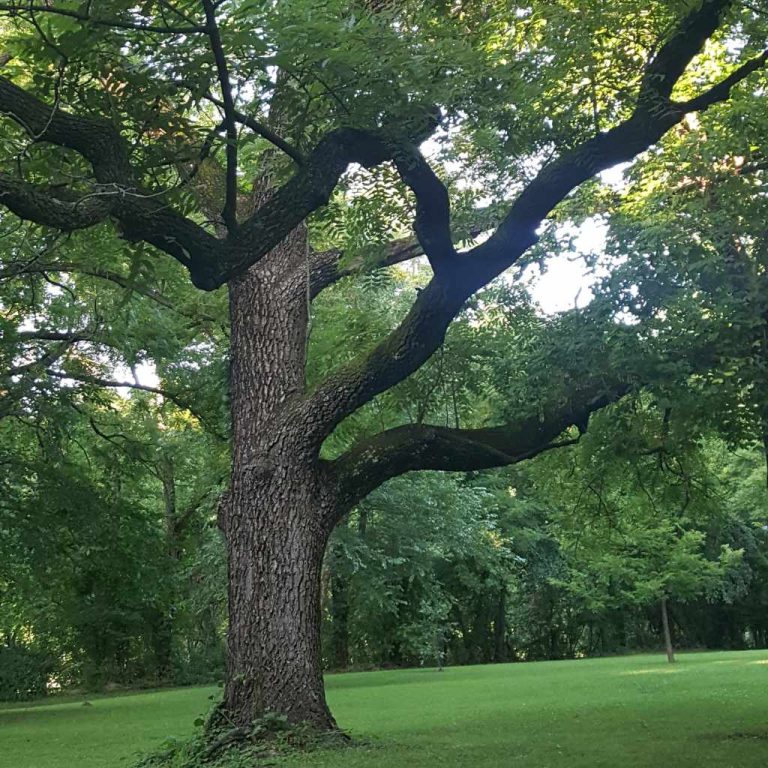
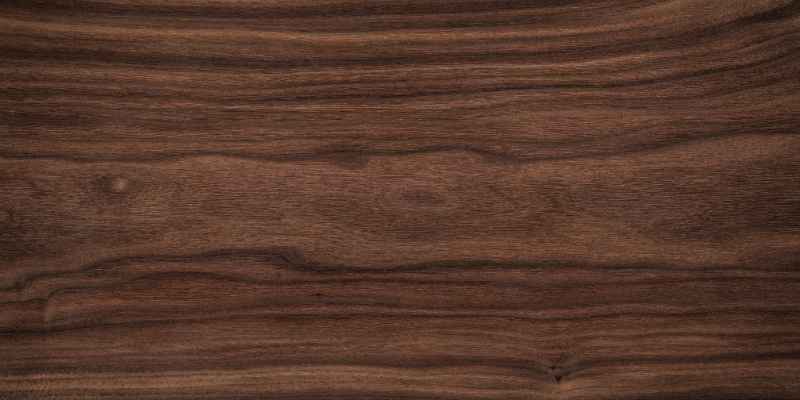
Black walnut is a prized hardwood known for its beauty and strength. It features a rich, dark color that can enhance any project. This wood is popular among woodworkers and furniture makers. Understanding its characteristics helps in finishing and maintaining its appearance.
Characteristics Of Black Walnut Wood
Black walnut wood has unique features that set it apart:
- Color: Deep brown with purplish hues.
- Grain: Straight grain with occasional waves and curls.
- Durability: Highly resistant to wear and decay.
- Workability: Easy to cut, sand, and finish.
The wood’s natural luster adds to its appeal. It can age beautifully, developing a rich patina over time.
Reasons For Its Popularity In Woodworking
Black walnut is favored for various reasons:
- Aesthetic Appeal: Its dark color is visually striking.
- Versatility: Suitable for furniture, cabinetry, and flooring.
- Stability: Resists warping and shrinking.
- Value: Retains value over time, making it a good investment.
These qualities make black walnut a top choice for many woodworkers. It combines beauty with functionality, ensuring lasting satisfaction.
Preparation Steps Before Finishing
Proper preparation is key for finishing black walnut wood. It ensures a smooth surface and a beautiful finish. Follow these steps to achieve great results.
Cleaning And Sanding The Wood
Start with a clean surface. Dirt and dust can ruin your finish. Follow these steps for effective cleaning and sanding:
- Remove Dust: Use a soft cloth to wipe the wood.
- Inspect the Surface: Look for any imperfections or scratches.
- Sanding: Use sandpaper in the following grits:
| Grit Size | Purpose |
|---|---|
| 80 | Remove large imperfections |
| 120 | Smooth the surface |
| 220 | Prepare for finishing |
Always sand in the direction of the wood grain. This helps avoid scratches. After sanding, clean the surface again to remove dust.
Choosing The Right Environment For Work
The workspace affects the finish quality. Select an area that meets these criteria:
- Temperature: Keep the area between 60°F to 80°F.
- Humidity: Aim for low humidity levels, ideally below 50%.
- Lighting: Use bright, natural light to see imperfections.
- Ventilation: Ensure good airflow to avoid fumes.
A clean and controlled environment leads to better finishing results. Prepare your space carefully before starting the project.
Selecting The Perfect Finish
Choosing the right finish for black walnut enhances its beauty. Different finishes provide unique looks and protection. Understanding each type helps in making an informed choice.
Oil Vs. Polyurethane: Pros And Cons
Both oil and polyurethane offer benefits and drawbacks. Here’s a quick comparison:
| Finish Type | Pros | Cons |
|---|---|---|
| Oil Finish |
|
|
| Polyurethane |
|
|
Why Tung Oil Is A Preferred Choice For Many
Tung oil stands out among finishes. It offers a natural look with excellent protection.
Here are key reasons to choose tung oil:
- Natural Finish: Enhances wood grain.
- Water Resistant: Protects against spills.
- Easy to Apply: Requires minimal tools.
- Quick Drying: Saves time in finishing.
Many woodworkers trust tung oil for its versatility and beauty. It’s a top choice for black walnut finishing.
Application Techniques For A Smooth Finish
Achieving a smooth finish on black walnut requires careful application techniques. The method you choose can greatly affect the final look. Two popular methods are brushing and wiping. Each method has its own advantages.
Brushing Vs. Wiping: What Works Best
Brushing and wiping are two effective ways to apply finish. Each method offers unique benefits.
- Brushing:
- Provides even coverage.
- Ideal for larger surfaces.
- Less risk of pooling.
- Wiping:
- Great for detailed areas.
- Allows for quick touch-ups.
- Prevents excess finish from building up.
Choose the method based on your project size and detail needs.
The Importance Of Thin Coats
Applying thin coats is essential for a smooth finish. Thick layers can cause problems.
- Thick coats may lead to drips.
- They can dry unevenly.
- Thin coats allow for better adhesion.
Follow these tips for applying thin coats:
- Use a clean brush or cloth.
- Apply in long, even strokes.
- Let each coat dry completely before adding the next.
Thin coats create a professional, durable finish. Always prioritize quality over quantity.
Achieving A Lustrous Glow
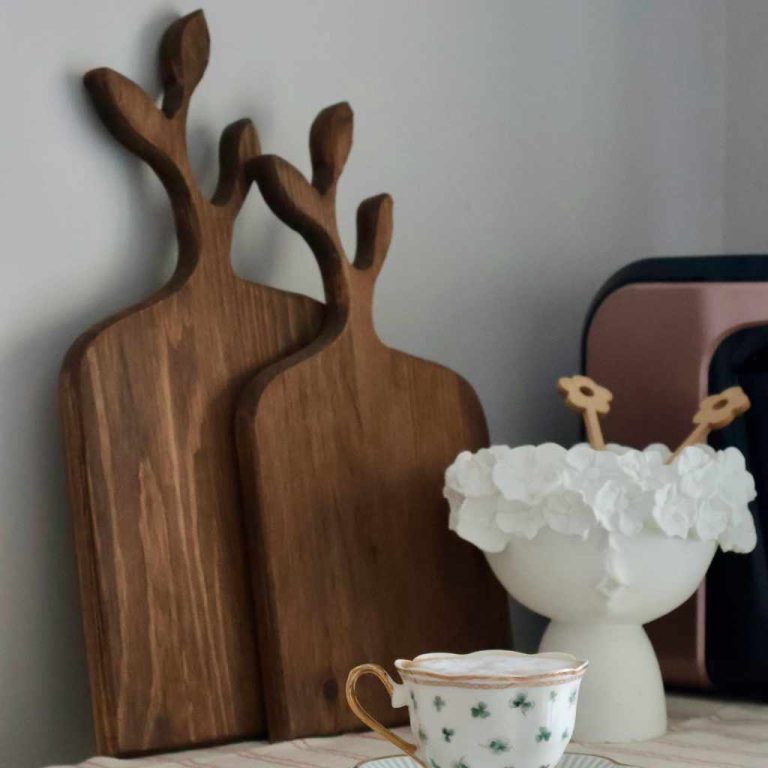
Finishing black walnut brings out its natural beauty. The rich, dark tones shine with a glossy finish. A lustrous glow enhances the wood’s grain and texture. Follow these steps to achieve that stunning look.
Buffing And Polishing: The Final Touches
Buffing and polishing are vital for a glowing finish. Use these tools and materials:
- Soft cloths
- Buffing pads
- Wood polish or wax
Here’s how to buff and polish:
- Allow the finish to cure fully.
- Use a soft cloth to apply wood polish.
- Buff the surface in circular motions.
- Switch to a buffing pad for extra shine.
- Repeat until achieving the desired gloss.
This process reveals the depth of black walnut’s color.
Tips For Maintaining The Shine Over Time
Maintaining the shine of black walnut is simple. Follow these tips for long-lasting beauty:
- Clean with a damp cloth regularly.
- Avoid harsh chemicals that can dull the finish.
- Reapply wood polish every few months.
- Keep the wood away from direct sunlight.
- Use coasters to prevent scratches.
Proper care ensures your black walnut stays radiant.
Common Mistakes To Avoid
Finishing black walnut can be rewarding. Avoiding common mistakes helps achieve a smooth, beautiful finish. Below are key pitfalls to watch out for during the process.
Over-application Of Finish
Applying too much finish can ruin your project. It leads to:
- Drips and runs on the surface
- Longer drying times
- A sticky finish that won’t cure
To prevent over-application:
- Use a clean, high-quality brush or cloth.
- Apply thin, even coats.
- Allow each coat to dry fully before adding another.
Follow the manufacturer’s instructions on drying times. This helps in achieving a professional look.
Neglecting Dust Control
Dust is a major enemy in wood finishing. It can settle on wet finish and create imperfections. To control dust:
- Work in a clean, dust-free environment.
- Use a tack cloth to remove dust before finishing.
- Close windows and doors to minimize airborne particles.
Consider using a vacuum with a HEPA filter. This captures fine dust effectively. Always check your workspace before applying the finish.
A clean work area ensures a smooth, flawless finish on your black walnut projects.
Advanced Finishing Techniques
Mastering advanced finishing techniques can elevate your black walnut projects. These methods enhance the beauty and durability of the wood. Two key techniques include using grain fillers and experimenting with dyes and stains.
Using Grain Fillers For An Even Surface
Grain fillers help achieve a smooth, even surface. Black walnut has natural pores that can trap dust and debris. Filling these pores creates a flawless finish.
- Choose a grain filler that matches the wood color.
- Apply the filler with a putty knife.
- Wipe off excess filler before it dries.
- Sand the surface lightly after drying.
This process ensures a uniform appearance. It also prepares the surface for stains or finishes.
Experimenting With Dyes And Stains
Dyes and stains can transform black walnut. They enhance the wood’s natural beauty. Experimenting with different colors can yield stunning results.
- Select a dye or stain that complements the walnut.
- Test it on a scrap piece first.
- Apply with a clean cloth or brush.
- Allow it to dry completely before applying a topcoat.
Mixing dyes can create unique shades. Consider using water-based or oil-based products depending on your project.
| Type | Finish Quality | Drying Time |
|---|---|---|
| Water-Based Dye | Bright colors, less odor | 1-2 hours |
| Oil-Based Stain | Rich colors, more durable | 4-6 hours |
With these advanced techniques, black walnut can truly shine. Master them for stunning finishes on your woodworking projects.
Case Studies: Success Stories
Discover inspiring examples of successful black walnut finishing projects. These case studies highlight restoration efforts and custom woodworking achievements. Each story showcases creativity and skill in using black walnut.
Restoration Of Antique Furniture
Restoring antique furniture brings old pieces back to life. Black walnut is a popular choice for these projects. Here are some successful restoration stories:
- Victorian Side Table: Restored to its original glory with a rich finish.
- Grandmother’s Dining Set: Sanded and refinished to enhance its natural beauty.
- Mid-Century Modern Chair: Updated with a sleek, contemporary stain.
Each project involved careful techniques:
- Stripping old finishes.
- Sanding to a smooth surface.
- Applying a high-quality stain.
- Sealing with a protective finish.
These steps ensure durability and enhance the wood’s natural grain. Many antique pieces deserve this kind of care.
Custom Woodworking Projects With Black Walnut
Custom woodworking projects showcase the beauty of black walnut. Craftsmen create stunning pieces tailored to individual needs. Here are some standout examples:
- Unique Coffee Tables: Crafted with live edges for a rustic look.
- Elegant Bookcases: Designed for functionality and style.
- Stylish Benches: Built for both indoor and outdoor use.
Custom projects require specific techniques:
- Choosing the right black walnut boards.
- Measuring and cutting accurately.
- Finishing with attention to detail.
- Testing durability through real-life use.
Each project reflects the client’s personality and enhances their space. Black walnut adds warmth and sophistication to any design.
Frequently Asked Questions
How Do I Prepare Black Walnut For Finishing?
To prepare black walnut for finishing, start by sanding the surface with progressively finer grits. Begin with 80-grit sandpaper, then move to 120 and finally 220 grit. This process helps to remove imperfections and opens the wood grain for better absorption of the finish.
What Finish Is Best For Black Walnut?
Oil finishes, such as tung or Danish oil, are ideal for black walnut. They enhance the wood’s natural beauty and provide excellent protection. Polyurethane is another option for a durable, water-resistant finish, but it can alter the wood’s appearance. Choose based on desired aesthetics and usage.
Can I Stain Black Walnut Before Finishing?
Yes, you can stain black walnut before applying a finish. Staining enhances the wood’s color and grain. Ensure the wood is clean and sanded properly to achieve an even stain. Allow the stain to dry completely before applying any finishing product for best results.
How Long Does Black Walnut Take To Dry After Finishing?
Drying time for black walnut after finishing depends on the type of finish used. Oil finishes typically take 24-48 hours to dry. Water-based finishes can dry faster, often in 2-4 hours. Always follow the manufacturer’s guidelines for drying times to ensure optimal results.
Conclusion
Finishing black walnut enhances its natural beauty and durability. By following the right steps, you can achieve stunning results. Remember to choose quality products and apply them carefully. Proper maintenance will keep your piece looking its best for years. Enjoy the process and appreciate the unique character of black walnut wood.