How to Identify Mahogany Wood: Color, Grain, and the Ripple Test
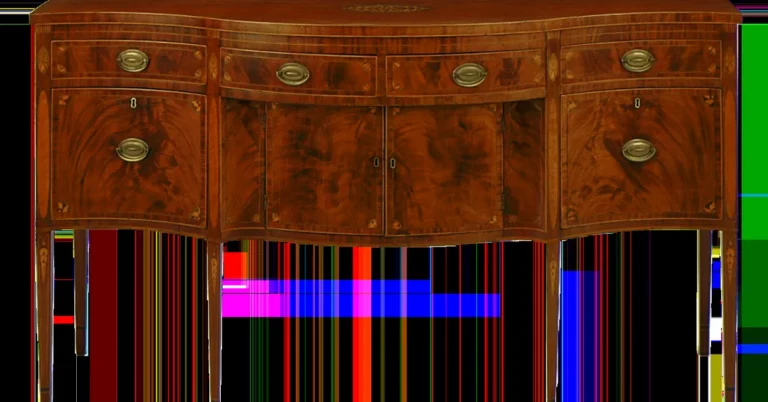
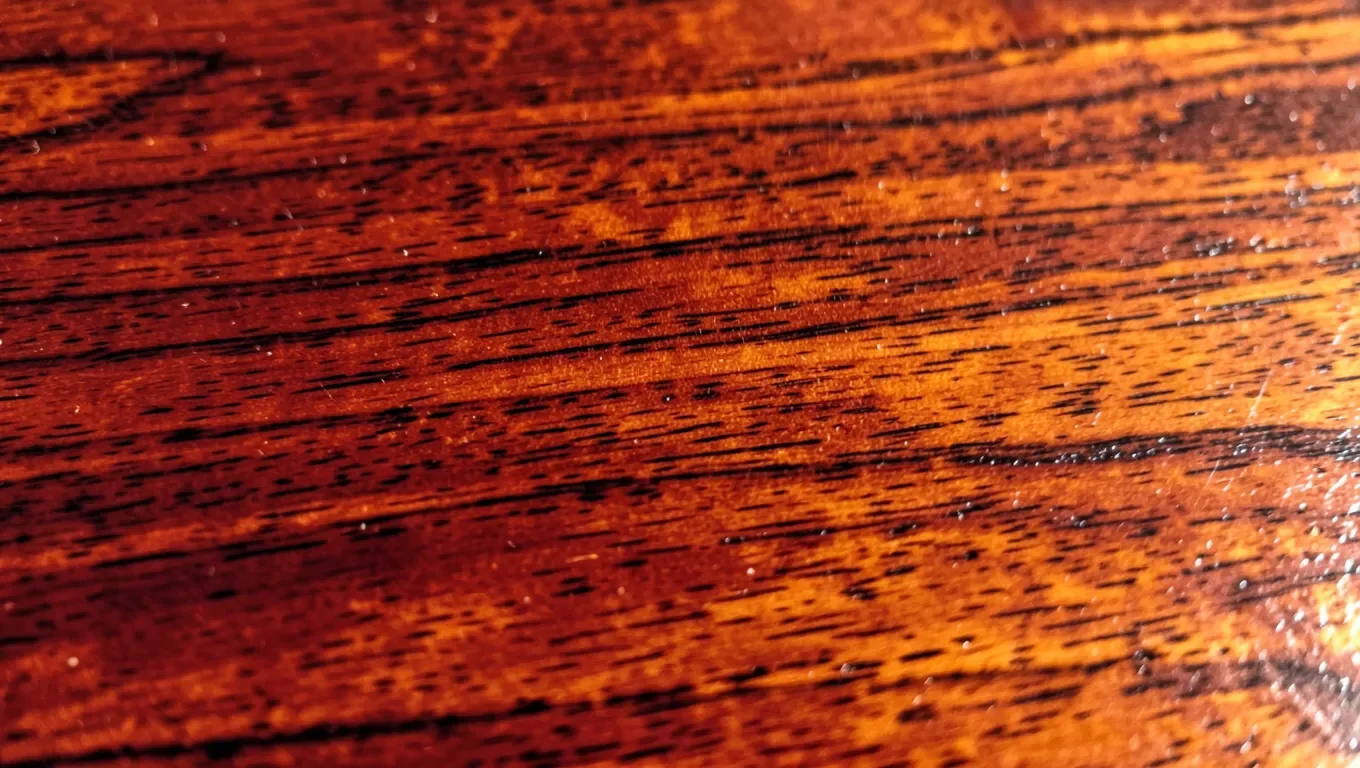
Genuine mahogany has a warm reddish-brown color that deepens with age and light exposure, a straight-to-slightly-interlocked fine grain, and a distinctive feature most identification guides skip: storied rays, visible as fine ripple marks when the wood is viewed under raking (angled) light. That ripple pattern is the single most reliable visual tell that separates genuine and African mahogany from stained substitutes like oak or poplar.
Color and Grain: The Basics, But Not Definitive Alone
Actually See What You’re Buying
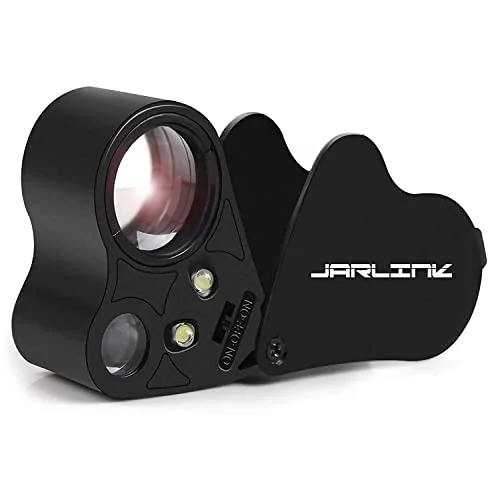 |
JARLINK 30X 60X Illuminated Jewelers Loupe – $11.59 Cheap insurance before buying — a real loupe reveals pore structure and grain detail a phone camera zoom can’t.
|
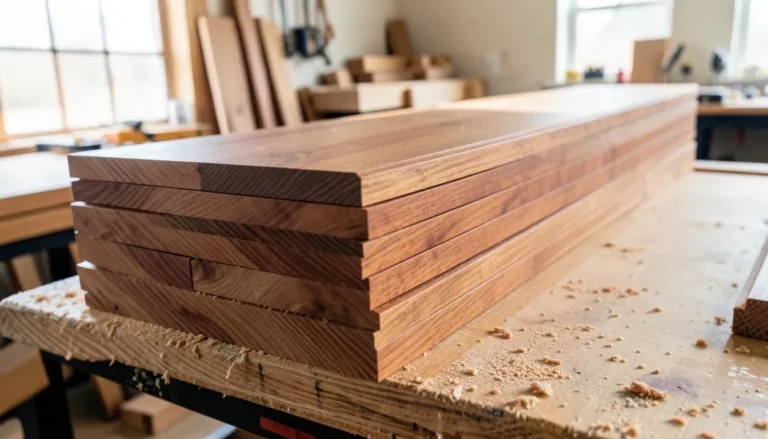
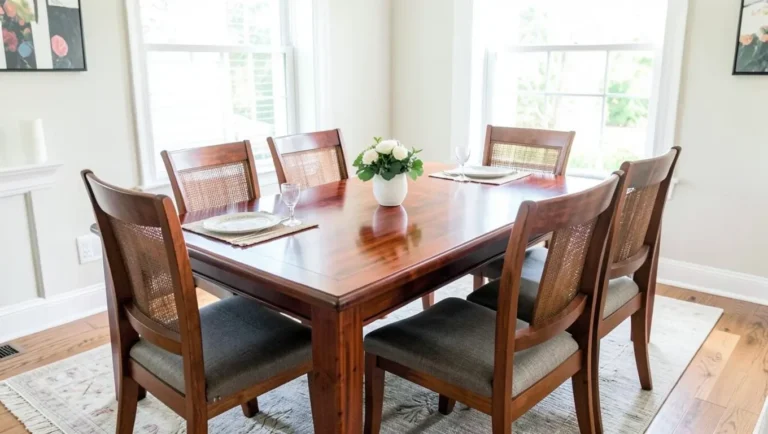
Fresh-cut mahogany is often a lighter pinkish-brown that darkens to a deeper reddish-brown over weeks of light exposure — this oxidation process is a real, well-documented characteristic, not a myth, and it’s why an older mahogany piece often looks noticeably richer than a freshly milled board. Grain is typically straight to slightly interlocked and fine-pored, but color and grain alone aren’t conclusive, since a well-stained cherry, oak, or poplar can visually mimic mahogany’s color at a glance. For a broader look at mahogany’s color, grain, and species differences beyond authentication, see our full guide to what mahogany wood looks like.
The Ripple Test: What Actually Separates Real Mahogany
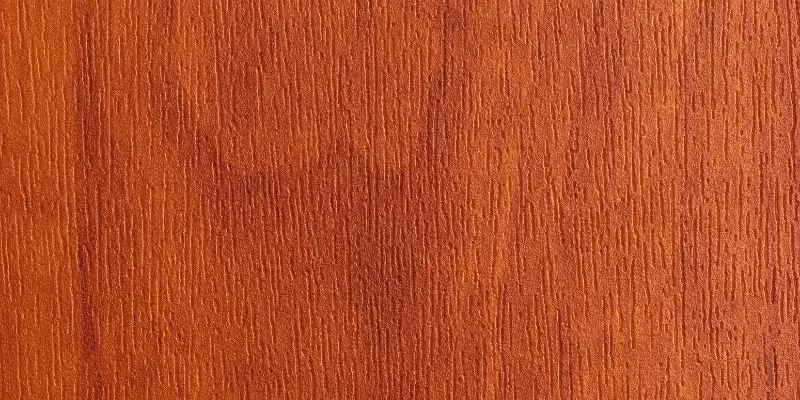
Genuine (Honduran) mahogany’s storied rays create a subtle ripple or cross-banded shimmer visible on flatsawn surfaces when tilted under a raking light source — this comes from the wood’s actual cellular ray structure and can’t be faked by staining. African mahogany, from a related but distinct genus, generally lacks this same ripple effect as clearly, which is one of the real physical differences between the two beyond just price and CITES status. A loupe or strong raking light makes this feature far easier to spot than the naked eye alone under normal room lighting.
Weight and Density as a Secondary Check
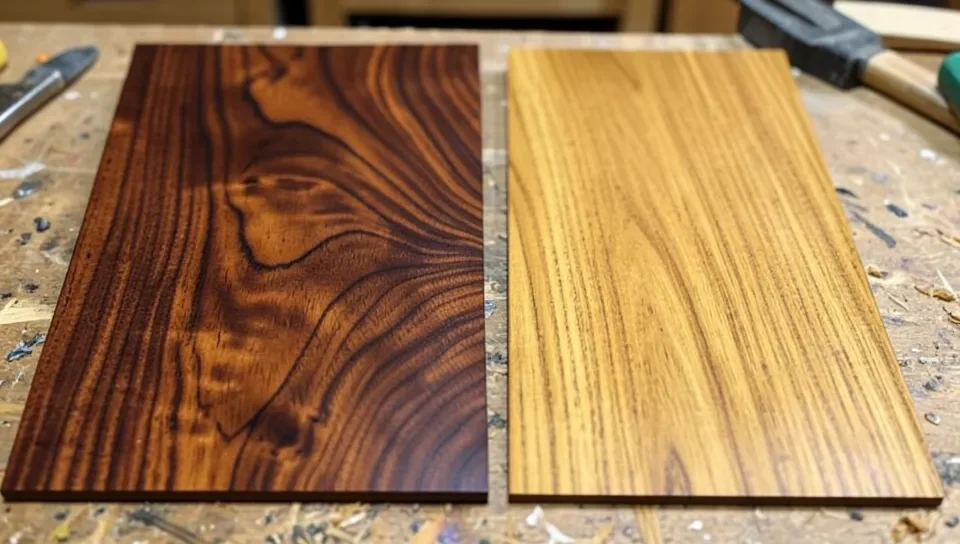
Mahogany’s Janka hardness (roughly 800-900 lbf) makes it moderately dense — noticeably heavier than pine or poplar of the same dimensions, but lighter than oak or maple. This is a useful secondary check (a “mahogany” piece that feels suspiciously light is worth questioning) but not conclusive on its own, since several woods fall in a similar weight range.
When DIY Identification Isn’t Enough
For a high-value purchase (antique furniture, a significant lumber order) where the species genuinely needs to be confirmed, professional wood identification via microscopic xylotomy (examining actual cell structure under magnification by a wood anatomist) is the only truly definitive method — visual and weight checks are good practical screening tools, not lab-grade proof. It’s honest to say that home identification methods narrow the possibilities significantly but don’t reach 100% certainty the way a lab identification does.
Frequently Asked Questions
What color is genuine mahogany wood?
A warm reddish-brown that starts lighter and pinkish when freshly cut, then deepens with age and light exposure. Color alone isn’t conclusive since it can be mimicked with stain.
What’s the most reliable way to identify real mahogany?
Look for storied rays — a subtle ripple effect visible under raking light on flatsawn surfaces. This comes from real cellular structure and can’t be faked by staining another wood.
Can I be 100% certain a piece is mahogany without a lab test?
Not with full certainty. Visual and weight checks narrow the possibilities significantly, but only microscopic xylotomy by a wood anatomist provides definitive species identification.
Conclusion
Color and grain are a starting point, but the ripple effect from genuine mahogany’s storied rays under raking light is the real, hard-to-fake identifier worth learning to spot. For anything high-value, treat DIY identification as a strong screening step, not a substitute for professional confirmation.
Sponsored / affiliate links. As an Amazon Associate I earn from qualifying purchases. I may earn additional commission from eligible campaigns.