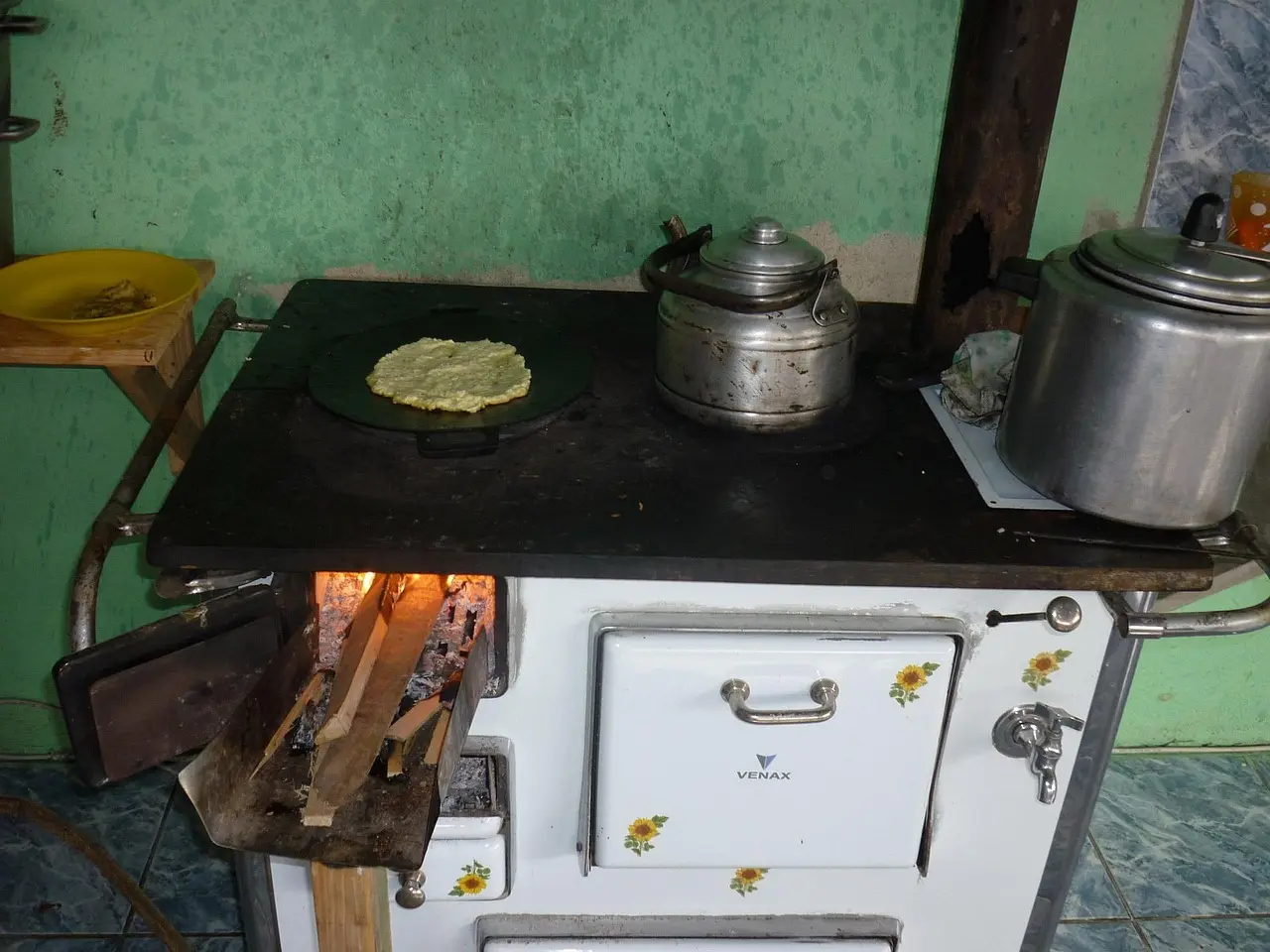
How to Keep a Wood Stove Burning All Night
Keep a wood stove burning all night by building a deep coal bed, using two to three medium hardwood splits, and reducing air only after flames are active. Do not push the stove beyond the overnight-burn procedure or minimum-safe operating guidance for your exact model. Skip the coal bed or close the air too soon, and you get smoke, creosote, and a cold reload before morning. This guide shows a repeatable overnight-burn method, from evening loading to morning recovery.
What you’ll need
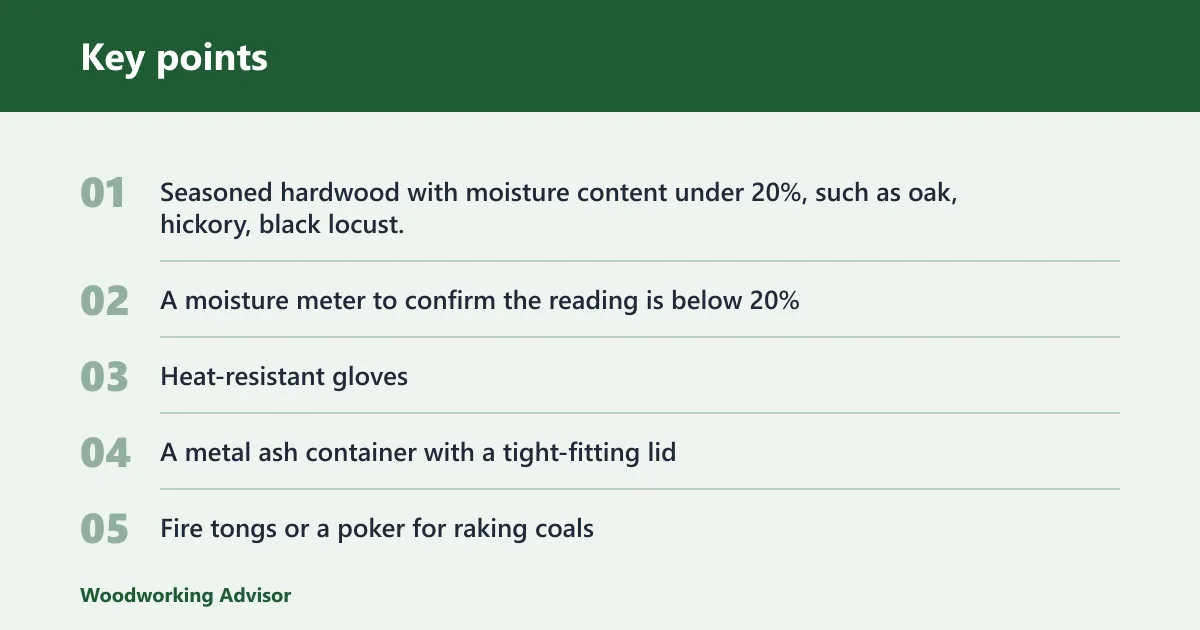


- Seasoned hardwood with moisture content under 20%, such as oak, hickory, black locust, or sugar maple
- A moisture meter to confirm the reading is below 20%
- Heat-resistant gloves
- A metal ash container with a tight-fitting lid
- Fire tongs or a poker for raking coals
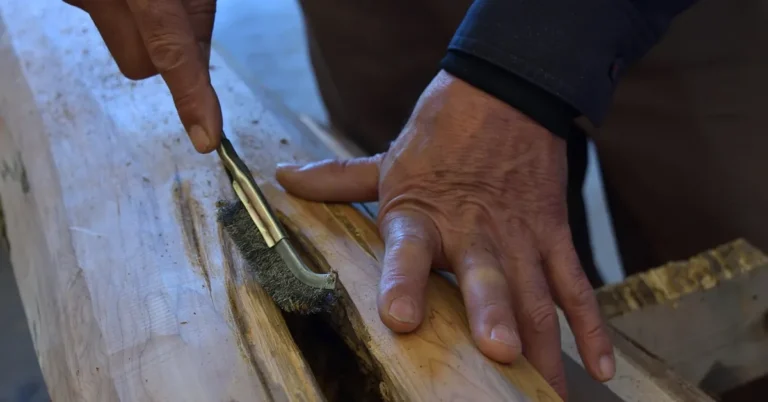
- Stove brush and chimney-cleaning supplies
- Matches or a fire starter for the evening light-off
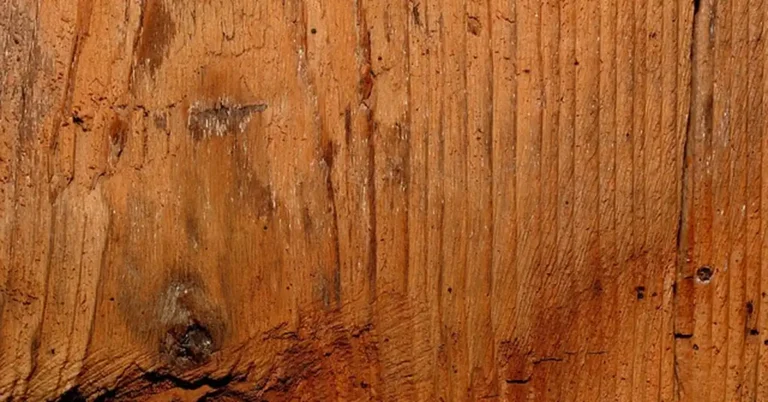
📊 Keep firewood dry and confirm the reading with a moisture meter before loading. Source: Wikihow.
Why overnight burns fail
Three problems usually stop an overnight burn: a thin coal bed, wood above 20% moisture, or air cut back before the load is burning cleanly. Strong draft and oversized splits can pull heat out of the firebox fast, so the stove cools before morning instead of holding a steady coal bed.
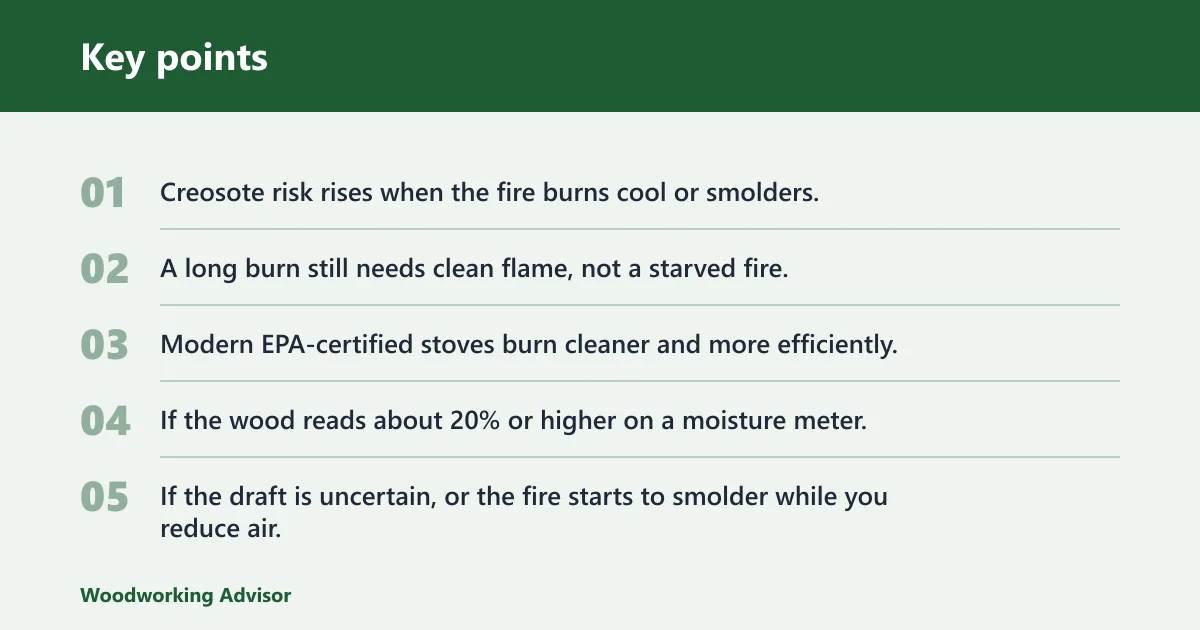
Creosote risk rises when the fire burns cool or smolders. A long burn still needs clean flame, not a starved fire. Modern EPA-certified stoves burn cleaner and more efficiently, but they still need the right fuel, the right load size, and steady airflow.
What counts as too risky
If the wood reads about 20% or higher on a moisture meter, or if the stove cannot hold a lively coal bed after the evening load, skip the overnight attempt. If the draft is uncertain, or the fire starts to smolder while you reduce air, stop there and bring the stove back to active flame before trying again.
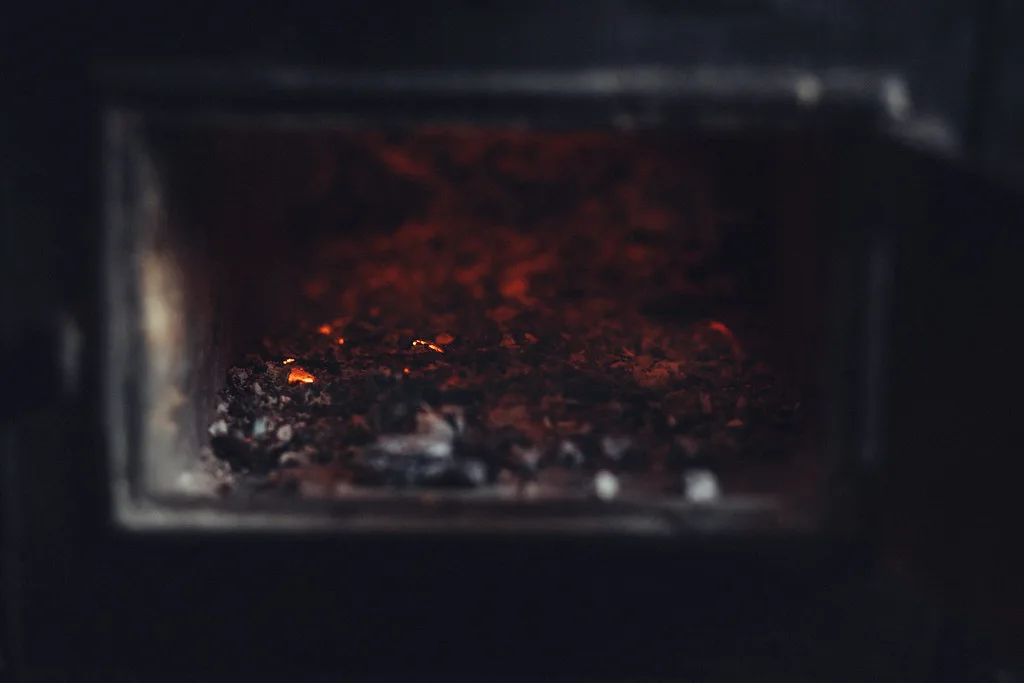
How do you build a strong coal bed?
Rake the live coals together and place them where the stove gets the best air. Leave a thin ash layer under them, because a little ash can insulate the coal bed and help it stay hot. Too much ash blocks airflow and makes the next load harder to light.
- Open the air control fully and let the current fire burn down to bright coals.
- Rake the coals into one compact mound instead of spreading them thinly across the firebox.
- Clear excess ash only if it is enough to restrict airflow; otherwise leave enough to protect the coal bed.
- Wait until the coals glow red and throw heat before adding the night load.
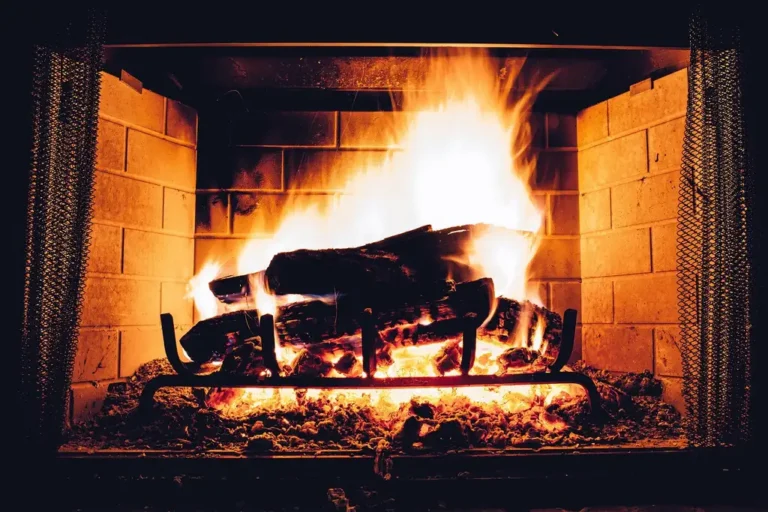
Picture a medium stove with only a shallow scatter of coals. It may light a fresh split, but it often will not hold enough heat for a long burn. A compact coal bed gives the new wood a hot base from the start.
How should you load the stove for the night?
Use larger logs for duration and smaller splits for ignition support. A tightly packed load can extend burn time, but only if it still leaves a path for air to move through the firebox. For overnight burns, seasoned hardwood under 20% moisture is the best starting point.
- Place the largest splits toward the back or sides if your stove design allows it.
- Set one or two smaller splits on top or near the front to help the load catch.
- Keep the pieces snug, not crushed together.
- Reload only after the coal bed is strong enough to light new wood within minutes.
Say your medium stove normally runs hot with 16-inch oak splits. For the night, you would still use dry oak, but you would pack the pieces a little tighter and keep one smaller split where the flame can reach it first. The goal is steady heat, not a rushed burn.
Overnight burn setup table
| Stove size band | Recommended log diameter | Load pattern | Starting coal-bed size | Approximate air-setting range | Common failure mode |
|---|---|---|---|---|---|
| Small | 3 to 4 inches | Two medium splits with one smaller split on top | One hand-sized mound of bright coals | About 25% to 40% open after flames establish | Too much wood for the firebox, which smothers the load |
| Medium | 4 to 5 inches | Three tightly packed splits, with one smaller split for ignition support | Several inches of concentrated coals across the active area | About 20% to 35% open after flames are clean | Air reduced too fast, which leaves smoke and weak heat |
| Large | 5 to 6 inches | Four to five splits packed closely, with larger logs for duration | A wide, hot coal bed that covers much of the grate area | About 15% to 30% open, adjusted for draft and stove design | Oversized splits that char slowly and leave too little heat |
How much air should you leave open on a wood stove overnight?
Reduce air in stages, not all at once. The primary air feeds the base of the fire, while secondary air supports cleaner combustion above it. Start with active flames, then cut the air back gradually until the stove holds a steady, clean burn without rolling smoke out of the firebox.
- Light the load with the air fully open.
- After the new wood is flaming well, reduce the primary air partway.
- Wait about 5 to 10 minutes, then trim it again if the flames stay clean.
- Stop reducing air if the fire begins to smoke, stall, or lose flame.
A flue damper can help slow chimney draft, but only where the stove and venting design allow it, and it is separate from the stove’s air control. Do not close it so far that the fire smolders. Strong draft may need a slightly more open setting than a calm, short chimney run.
What changes with catalytic stoves?
Catalytic stoves can hold low, steady heat longer because the catalyst helps burn smoke gases more completely. That means they often tolerate lower air settings than non-catalytic stoves, but only after the stove is hot enough to light off the catalyst. Non-catalytic stoves usually need a bit more flame to stay clean.
Draft changes the setting too. A tall or strong chimney can pull harder on the fire, so one stove may need the air left open more than another stove of the same size. Reload timing changes as well: wait for a strong coal bed and active flame before tightening the air on either stove type.
Suppose a catalytic stove is burning oak at a low setting but the stove top cools and the flames vanish. That is a sign to open the air slightly and recover clean combustion, not to keep choking it down further.
Common mistakes
Closing the stove too far is the fastest way to lose an overnight burn. It raises creosote risk and often leaves only a weak coal bed by morning. Burning wood that is still too wet does the same thing, because part of the fire’s energy goes into evaporating water instead of heating the stove.
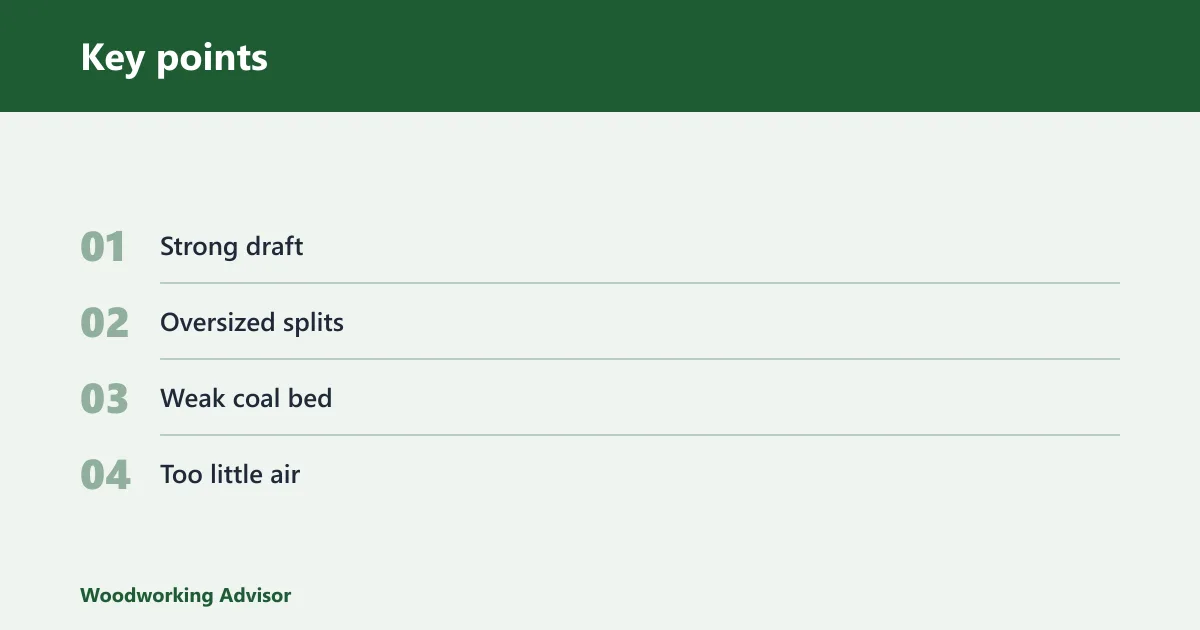
Ignoring ash depth causes problems too. A thin layer can help, but too much ash restricts airflow. Use heat-resistant gloves and a metal container for safe removal.
- Strong draft: leave a little more air open and check whether the damper is appropriate for your stove.
- Oversized splits: switch to smaller diameter logs or add smaller splits for ignition support.
- Weak coal bed: wait longer before reload, or rebuild the bed before attempting the night burn.
- Too little air: open the control until flames return and the stove burns cleanly again.
Creosote buildup of 1/8 inch means it is time for a thorough cleaning. Dense hardwoods such as oak, hickory, black locust, and sugar maple are better choices for long heat. Keep the chimney and stove clean on a regular schedule.
Frequently asked questions
How to keep a wood burner going overnight
Build a strong coal bed, load dry hardwood, and reduce the air in stages after the fire is established. Most overnight burns run best when the stove is fully hot first, then trimmed back just enough to hold clean flame. If the fire turns lazy or smoky, reopen the air a bit.
How to light a wood burning stove for an overnight burn
Start with kindling and smaller splits over a hot coal bed, then add the larger overnight logs once the fire is burning cleanly. Keep the air open at first. The final reduction should happen only after the new load has bright flame across several surfaces.
What wood is best for an overnight wood stove burn
Choose seasoned hardwood with moisture content under 20%. Oak, hickory, black locust, and sugar maple are dense choices for long heat. They are generally better choices than faster-burning species for overnight heat storage.
Sponsored / affiliate links. As an Amazon Associate I earn from qualifying purchases. I may earn additional commission from eligible campaigns.