How to Keep Bugs Out of Firewood
Keep bugs out of firewood by stacking it off the ground, about 20 feet from the house, and burning wood within about one year. Reject pieces with active borers, powdery frass, or webbing. A dry, separated pile is easier to inspect, and it is less likely to move insects onto nearby stored lumber or into indoor living areas.
What you’ll need


- Work gloves
- Eye protection
- Flashlight
- Screwdriver or knife for prying bark and checking soft spots
- Firewood rack, pallets, bricks, or concrete blocks
- Cover that sheds rain while leaving the sides open
- Container or tarp for suspect pieces you want to separate
How far should firewood be from the house?
Keep the pile at least 20 feet away from the home. That distance lowers the chance that hitchhiking insects or damp wood odors end up near siding, doorways, porches, shrubs, or stored lumber. A farther, drier stack is also easier to inspect before you carry pieces inside.
Set one practical separation target
Use 20 feet as the baseline for a home stack. If you have space, place it even farther from decks, vents, attached sheds, and dense shrubs, because those areas give bugs more cover and make inspection harder. Keep the pile away from wood framing and firewood stored under eaves.
Why distance matters for transfer risk
Firewood often shelters insects already in the log, especially in bark crevices and under loose bark. Moving the stack away from the house does not eliminate pests, but it reduces the odds that you carry active insects or loose debris into a doorway, garage entry, or wood box.
How to stack and cover firewood
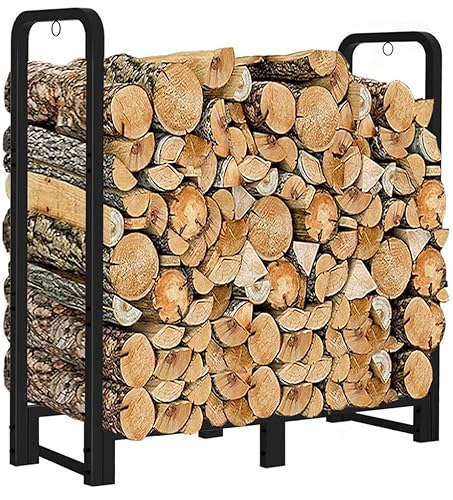
Stack wood on a rack, pallets, bricks, or concrete blocks so air can move under it. Keep the top covered for rain and snow, but do not wrap the sides tightly. Dry wood is less attractive to many insects, and open sides help the stack season instead of trapping moisture.
Raise wood off the ground
Raise logs a few inches off the soil or slab so the bottom course does not stay wet. United Pest Solutions says to raise logs a couple of inches off the ground. That small clearance improves airflow, reduces soil contact, and makes it easier to spot insects crawling under the stack.
Cover the top, not the whole pile
Use a tarp, roof panel, or other cover that sheds rain while leaving the sides open. If you wrap the stack completely, moisture can linger in the wood and bark. Wet wood burns poorly and can stay attractive to pests longer than a dry, ventilated pile.
- Build the base on level ground.
- Lift the first layer onto a rack, pallets, bricks, or concrete blocks.
- Stack logs with gaps for airflow, not packed tight.
- Cover only about the top third to top half of the pile.
- Leave both long sides open so the stack dries.
How do you inspect firewood for bugs?
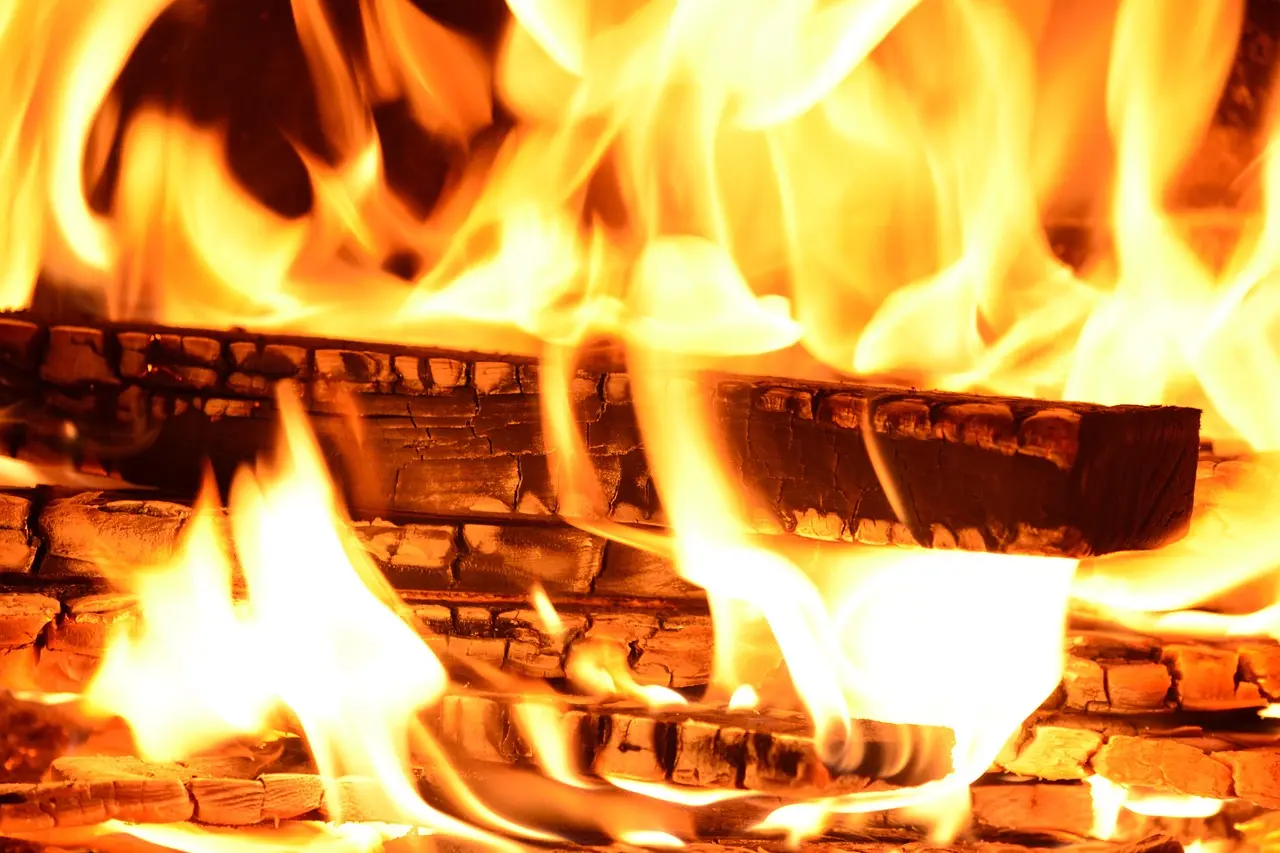
Inspect every piece before it goes indoors. Check bark, cut ends, and split faces for frass, sawdust trails, exit holes, mud tunnels, galleries under the bark, or live insects. If you see only dry surface activity, the log may still be usable outdoors; if you see fresh boring signs, separate it.
Look for frass, exit holes, and mud tubes
Powdery sawdust, small holes, and tunnels are the fastest warning signs. BugWiz notes that bark beetles are found around dead or dying trees, longhorn beetle larvae can tunnel through wood for one to three years, sawdust trails can point to those larvae, and wood-boring beetles can leave holes with sawdust around them.
Check for galleries, webbing, or live insects
Lift loose bark and inspect the underside. Galleries, live larvae, webbing, or moving beetles mean the piece still has active insect life. A few winter-dormant insects on the outside may be less concerning than fresh boring dust or repeated emergence holes, especially in warm weather.
Use a simple triage before bringing wood inside
Sort wood into three groups: clean enough for indoor transfer, usable only for outdoor burning, and suspect enough to isolate or discard. Bring only the first group inside, and do that right before lighting the fire. That keeps indoor storage time short and reduces the chance of dropping insects on floors.
Firewood pest triage checklist
| Pest signs | Likely insect group | Can it still be burned outdoors? | Escalation action |
|---|---|---|---|
| Loose bark with a few surface beetles, no fresh dust | Bark beetles | Yes, if the wood is dry and the activity is limited | Brush off debris outdoors and keep the stack separated |
| Small round holes with powdery frass | Wood-boring beetles | Maybe, if the piece is otherwise sound and used outdoors soon | Do not bring indoors; isolate and inspect the rest of the stack |
| Sawdust trails, larger exit holes, or soft tunnels | Longhorn beetle larvae | Use caution; burn outdoors only if activity is limited | Separate the log and check nearby wood for the same signs |
| Soil-like mud tubes on bark or along ends | Termites | No for indoor transfer; outdoor use only if a pest pro says the wood is not a structural risk | Move the stack away from structures and call a pest professional |
| Large ants, shredded fibers, or nesting in softened wood | Carpenter ants | Maybe outdoors if the wood is dry and not actively nesting | Do not store near the house; separate and monitor for more activity |
How to handle infested firewood

Keep suspect wood outside and use it only for outdoor fires if the signs are limited. If activity continues, move the stack farther from the house and separate the worst pieces. Do not bring heavily infested firewood inside. If you suspect termites or a structural pest, call a pest professional.
Rotate oldest wood first
Use older logs first so the stack does not sit for a long time in one place. United Pest Solutions advises burning older logs first. That rotation shortens storage time, reduces the chance of repeated insect emergence, and makes it easier to notice which pieces are staying damp or developing fresh holes.
Burn wood soon after bringing it
United Pest Solutions advises burning firewood immediately after bringing it inside. Keep indoor storage to the short time it takes to light the fire. If you need more than one load, bring in only what you will burn next, not the entire evening’s supply.
Move the pile farther away if activity continues
If a 4-foot stack keeps producing fresh sawdust after about a week of dry weather, separate it and move it farther from the house. Separate the affected pieces, shift the pile farther from the house, and inspect the ground beneath it. If you keep finding mud tubes, live termites, or repeated emergence holes, the issue needs professional attention.
When to call a pest professional
Call a pest professional when you find mud tunnels, a termite swarm, repeated live insect activity, or signs that extend beyond a single log. A professional can tell you whether the wood can stay outdoors, whether the stack needs removal, and whether nearby structures need inspection.
Common mistakes
Do not spray pesticide on wood you plan to burn. Residue can be inhaled when the fire burns, and indoor air quality matters more when the fire is inside a living space. Do not store more wood than you will burn soon, and do not ignore warm-weather emergence or winter dormancy.
Another common mistake is assuming every hole means the same pest. Bark beetle signs, termite tubes, carpenter ant nesting, and beetle exit holes need different responses. Say your pile sits beside lilacs and a damp fence: moving it 20 feet away and uncovering the sides may solve the problem without any chemical treatment.
- Stop spraying any wood meant for burning.
- Use only the logs you will burn next.
- Shift the pile to a drier, more open spot.
- Separate logs with fresh dust, tubes, or active insects.
- Call a pest professional if the signs keep returning.
Frequently asked questions
Should firewood be covered to keep bugs out?
Yes, but only partially. Cover the top to keep rain and snow off, and leave the sides open for airflow. A full wrap can trap moisture, which slows drying and keeps the pile attractive to pests. A dry stack is the better long-term defense.
How far should firewood be from the house: keep firewood?
Keep firewood at least 20 feet from the home. That spacing also helps you place it away from shrubs, siding, and other structures where pests can hide. If you can place it farther out without making handling difficult, that is even better for inspection and drying.
Can you spray firewood for bugs?
Do not spray firewood you plan to burn. Pesticide residue can end up in smoke and ash, and that is not a safe tradeoff for indoor use. If infestation is severe, keep the wood outdoors, separate the affected pieces, and ask a pest professional how to proceed.
Sponsored / affiliate links. As an Amazon Associate I earn from qualifying purchases. I may earn additional commission from eligible campaigns.